

Nikki Glaser Reveals She Relied on Blackout Drinking Because She Was ‘Scared of Sex’
Nikki Glaser, the renowned comedian and television host, recently opened up about a deeply personal struggle that shaped much of her early adult life. In a candid interview, Glaser revealed that she depended heavily on blackout drinking as a way to manage her anxiety and fear surrounding sex. This revelation sheds light on the complex relationship between alcohol and emotional vulnerability, especially in the entertainment industry where pressure and exposure are intense.
Glaser’s story is not just about addiction but also about confronting fears and reclaiming control over one’s life. This article explores her journey from relying on alcohol to cope with social and sexual anxiety to embracing sobriety and self-acceptance.
How Nikki Glaser Used Blackout Drinking to Overcome Her Fear of Sex

For years, Nikki Glaser used alcohol as a crutch to navigate situations that made her uncomfortable, particularly sex. She admitted that she was “scared of sex” and that drinking heavily was the only way she could engage in intimate encounters. Glaser described how she would get blackout drunk before hooking up with people, essentially using alcohol to numb her fear and anxiety.
In her interview with Graham Bensinger, Glaser explained, “It was the only way I could have sex because I was scared of sex.” She detailed the paradox she faced: if alcohol wasn’t available, and she had to have sober sex, she would feel trapped and uncomfortable, often resenting the experience. This reliance on alcohol created a dangerous cycle where her relationships and social interactions were heavily influenced by her drinking habits.
The comedian also highlighted how alcohol led her into situations she wouldn’t have chosen otherwise. She recounted waking up confused about the previous night’s events, meeting people she barely remembered, and even influencing others’ life decisions while intoxicated. This “lucid drunk” state, where she appeared functional but was actually blackout drunk, masked the severity of her addiction from those around her.
The Turning Point: Recognizing the Impact of Alcohol on Her Life

Nikki Glaser’s drinking problem escalated to a point where it threatened her safety and well-being. She acknowledged that she was close to receiving a DUI, which could have had devastating financial and legal consequences. More importantly, she realized that alcohol was negatively affecting her relationships and her sense of self.
The comedian’s turning point came when she understood that continuing down this path would only lead to further destruction. She recognized that her dependence on alcohol was not a sustainable solution to her fears but a harmful coping mechanism that needed to be addressed.
Since then, Glaser has made a conscious decision to quit drinking entirely. She shared, “I don’t think I’ll ever drink again. I have no plan on it.” This commitment to sobriety has allowed her to rebuild her life on healthier terms.
Life After Alcohol: How Nikki Glaser Embraced Sobriety and Confidence
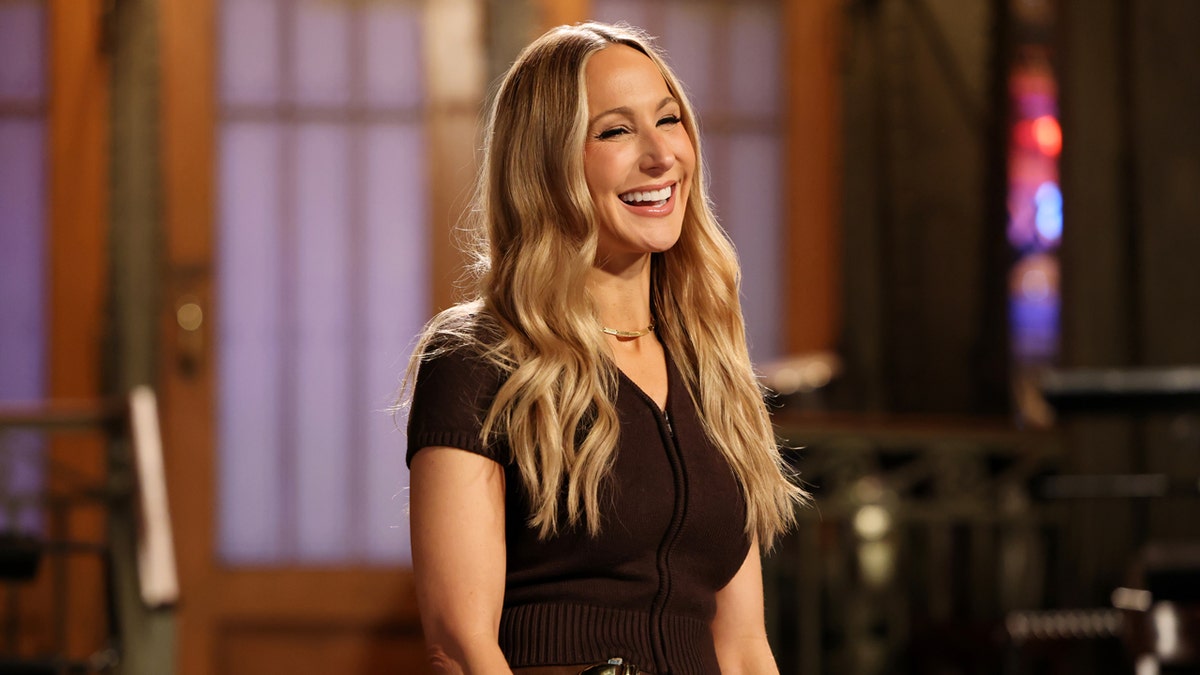
After giving up alcohol, Nikki Glaser discovered a newfound freedom and confidence. She no longer needs alcohol to feel comfortable in social settings or to engage in intimate relationships. “I can dance now without it,” she said, highlighting how sobriety has enhanced her ability to enjoy life authentically.
Glaser also noted that her social anxiety has diminished significantly. Where she once relied on alcohol to facilitate interactions, she now faces them with clarity and self-assurance. This transformation underscores the positive impact that overcoming addiction can have on mental health and personal growth.
Her journey serves as an inspiring example for others struggling with similar issues, demonstrating that recovery is possible and that life beyond addiction can be fulfilling and joyful.
Nikki Glaser’s Career and How She Balances Fame with Sobriety

Nikki Glaser began her career in comedy at the age of 18, quickly gaining recognition for her sharp wit and relatable humor. She appeared on two seasons of “Last Comic Standing” and later hosted her own Comedy Central show, “Not Safe with Nikki Glaser.” Over the years, she has released several acclaimed comedy specials, including “Perfect,” “Bangin’,” “Good Clean Filth,” and “Someday You’ll Die.”
Despite the pressures of fame and the entertainment industry’s often party-centric culture, Glaser has managed to maintain her sobriety and focus on her craft. She has hosted the Golden Globes twice and continues to tour with her stand-up shows, recently filming a new special during her “Alive and Unwell” tour.
Her openness about her struggles with alcohol and anxiety has resonated with fans and fellow comedians alike, helping to destigmatize conversations about mental health and addiction in the public eye.
The Importance of Mental Health Awareness in the Entertainment Industry
Nikki Glaser’s story highlights the critical need for mental health awareness and support within the entertainment world. Many performers face immense pressure to maintain a public image while dealing with personal challenges behind the scenes.
By sharing her experiences, Glaser contributes to a broader dialogue about the importance of seeking help and prioritizing well-being. Her journey encourages others to confront their fears and addictions rather than hiding them behind substances or silence.
Conclusion
Nikki Glaser’s revelation about relying on blackout drinking due to her fear of sex offers a powerful look into the complexities of addiction and anxiety. Her courage in sharing her story not only helps break down stigma but also inspires those facing similar struggles to seek help and embrace sobriety.
If you or someone you know is battling addiction or anxiety, remember that recovery is possible. Take the first step today by reaching out to a support group or mental health professional. Embrace the journey to a healthier, more confident you—just like Nikki Glaser did.