RFK Jr. Smoked Psychedelic Drug That Gives Users Near-Death Experiences, Claims Olivia Nuzzi
Olivia Nuzzi’s Claims About RFK Jr. and Psychedelic Drug Use
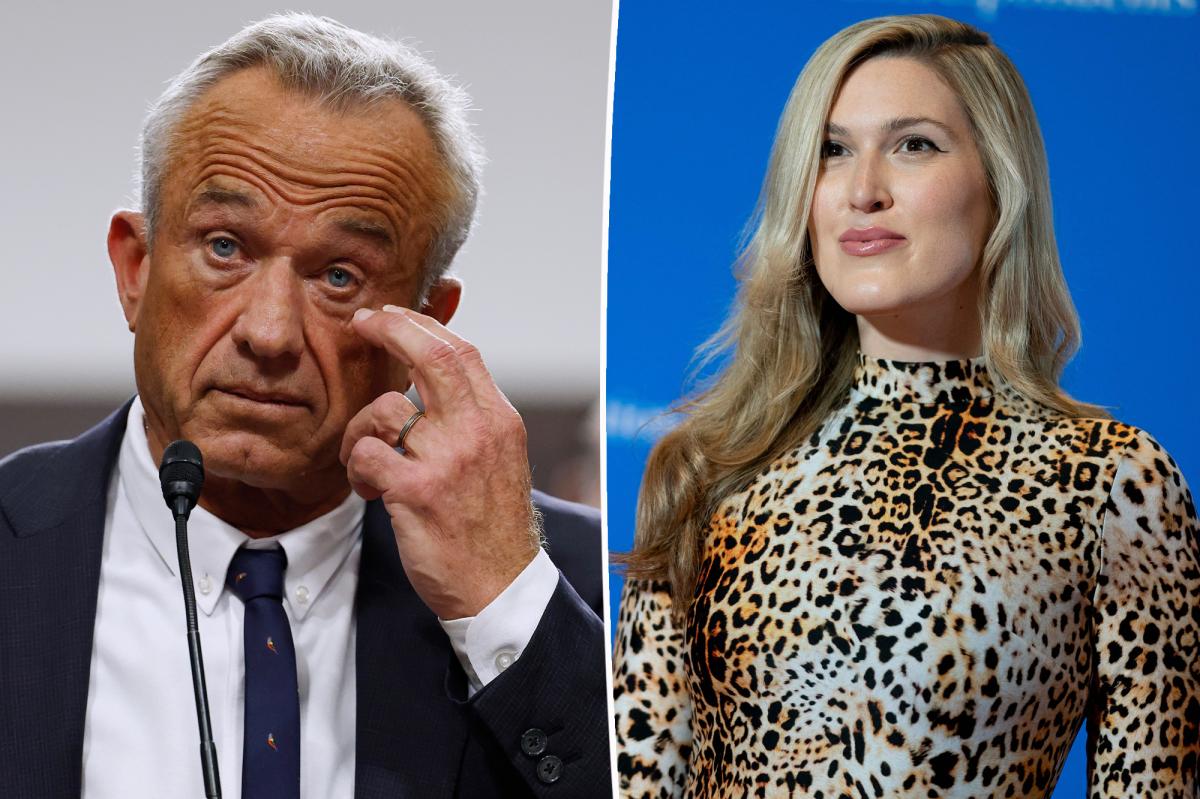
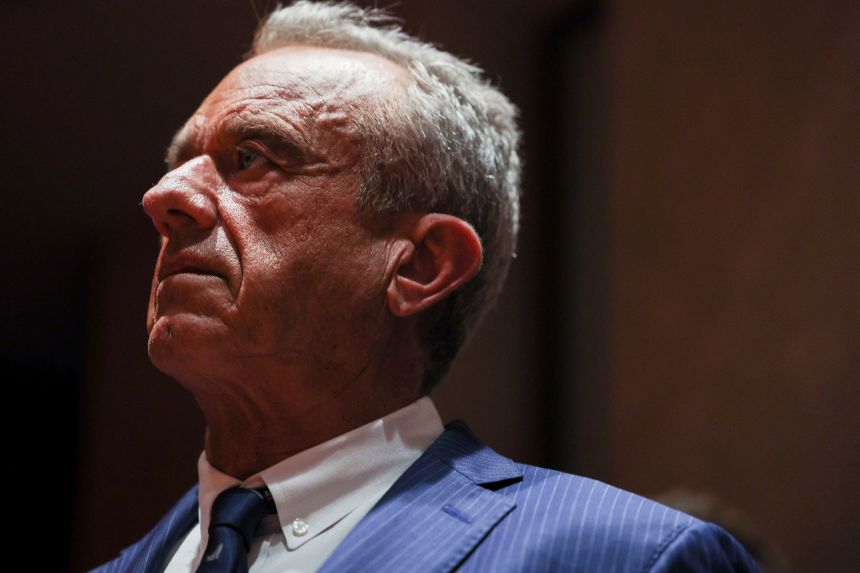
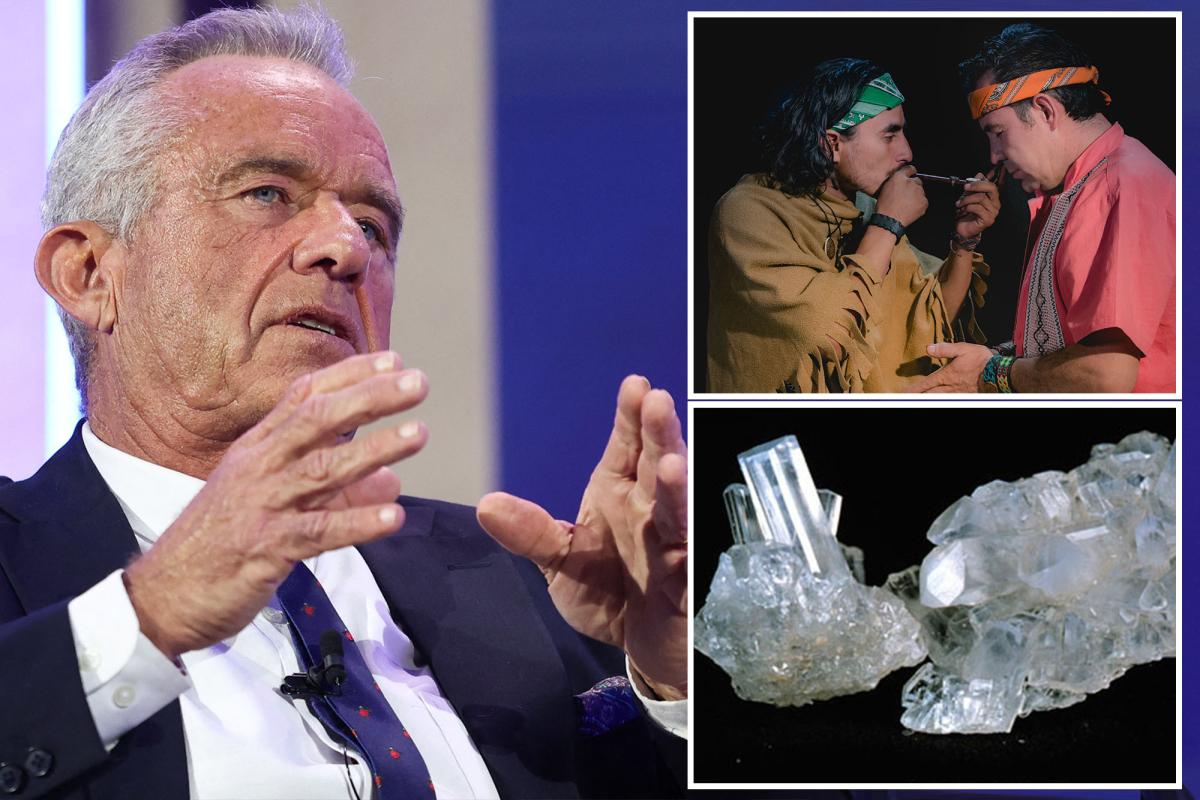
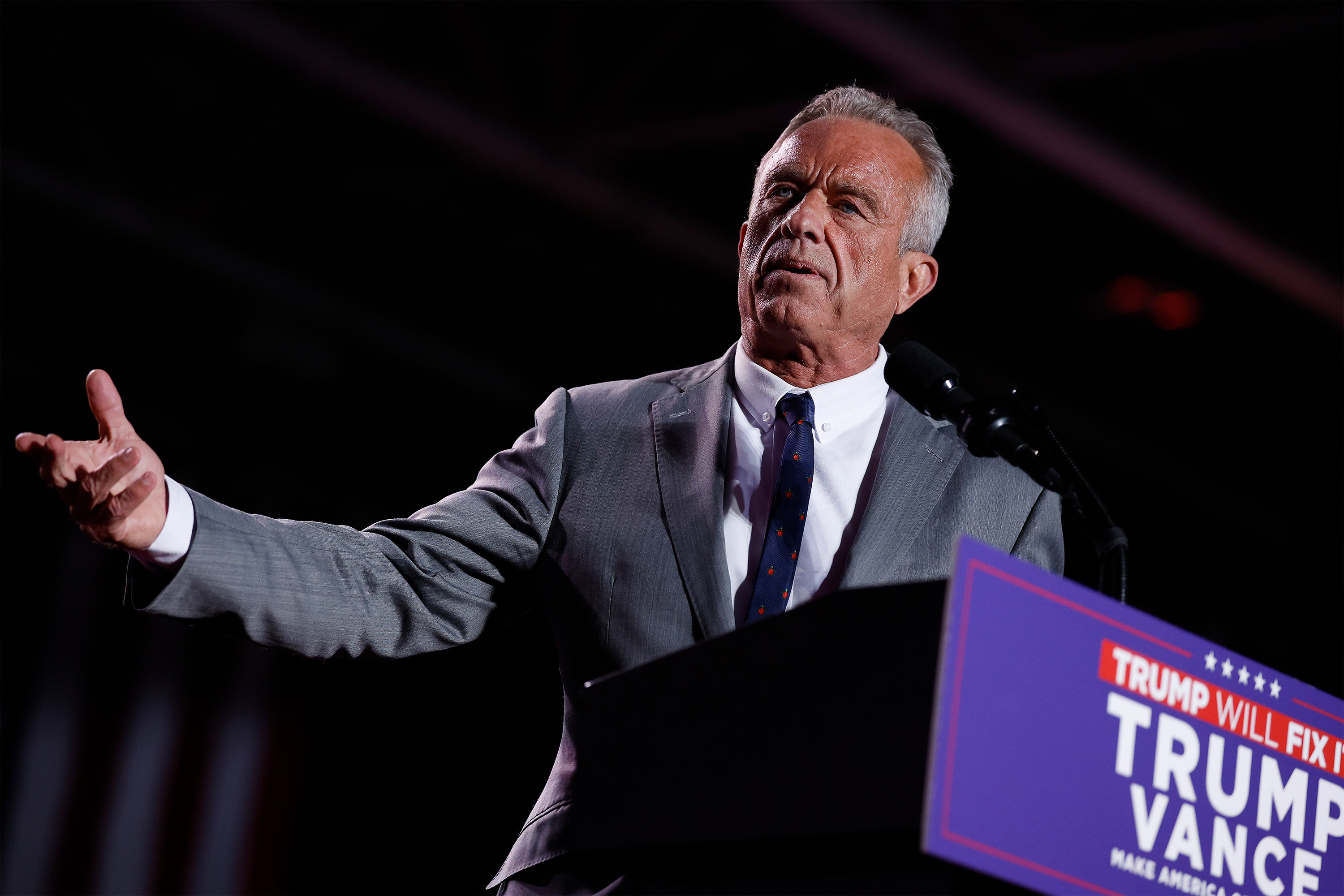
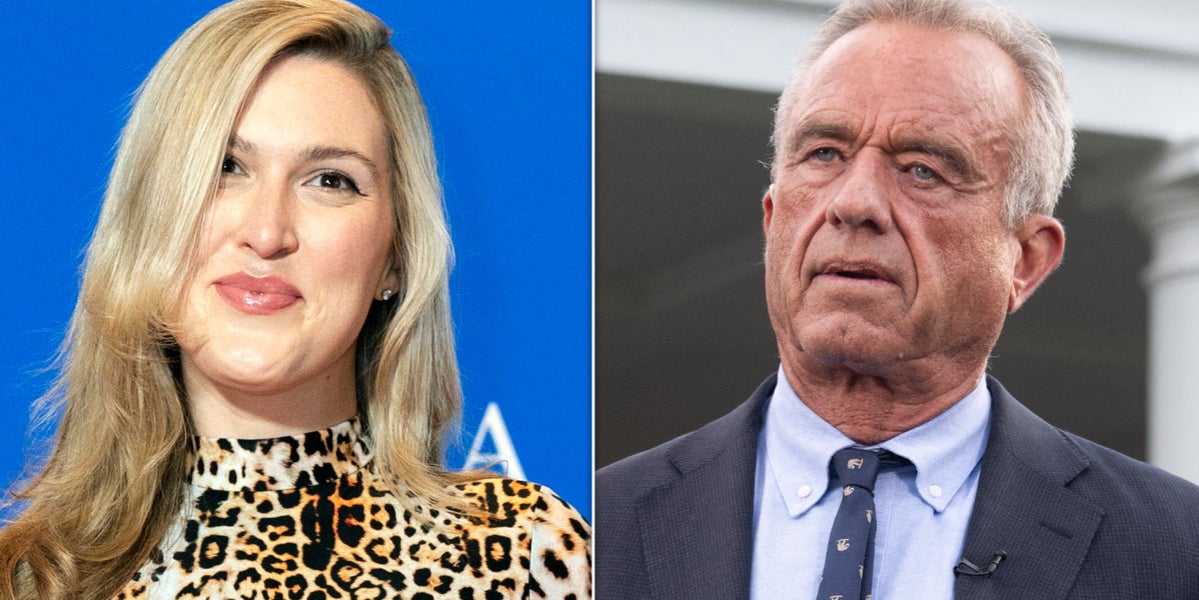
In recent revelations, former New York magazine writer Olivia Nuzzi has made startling claims regarding Robert F. Kennedy Jr.’s use of psychedelic substances. According to Nuzzi’s upcoming memoir, “American Canto,” RFK Jr. admitted to her that he has smoked dimethyltryptamine (DMT), a potent psychedelic drug known for its intense hallucinogenic effects and the ability to induce experiences akin to near-death encounters.
This disclosure is particularly surprising given RFK Jr.’s longstanding public narrative of sobriety. Having battled heroin addiction in his youth, Kennedy has often emphasized his commitment to staying clean for decades. However, Nuzzi’s account suggests a more complex relationship with psychoactive substances than previously understood.
What Is DMT and Why Is It Significant?
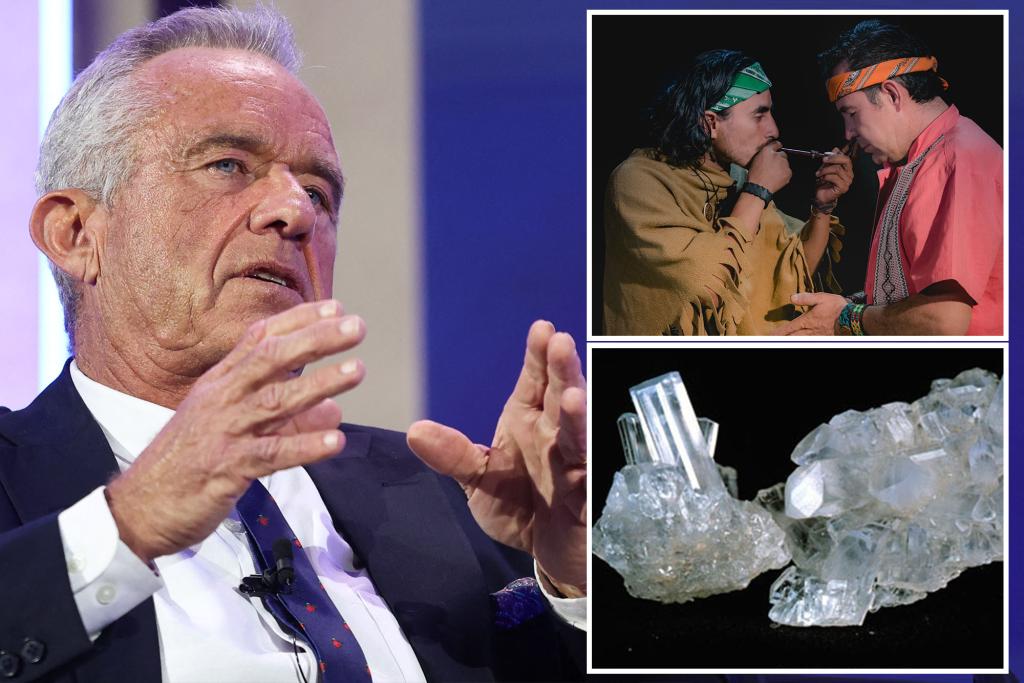
Dimethyltryptamine, commonly referred to as DMT, is a naturally occurring psychedelic compound found in various plants and animals. It is the primary psychoactive ingredient in ayahuasca, a traditional Amazonian brew used for centuries in spiritual and medicinal rituals by indigenous tribes.
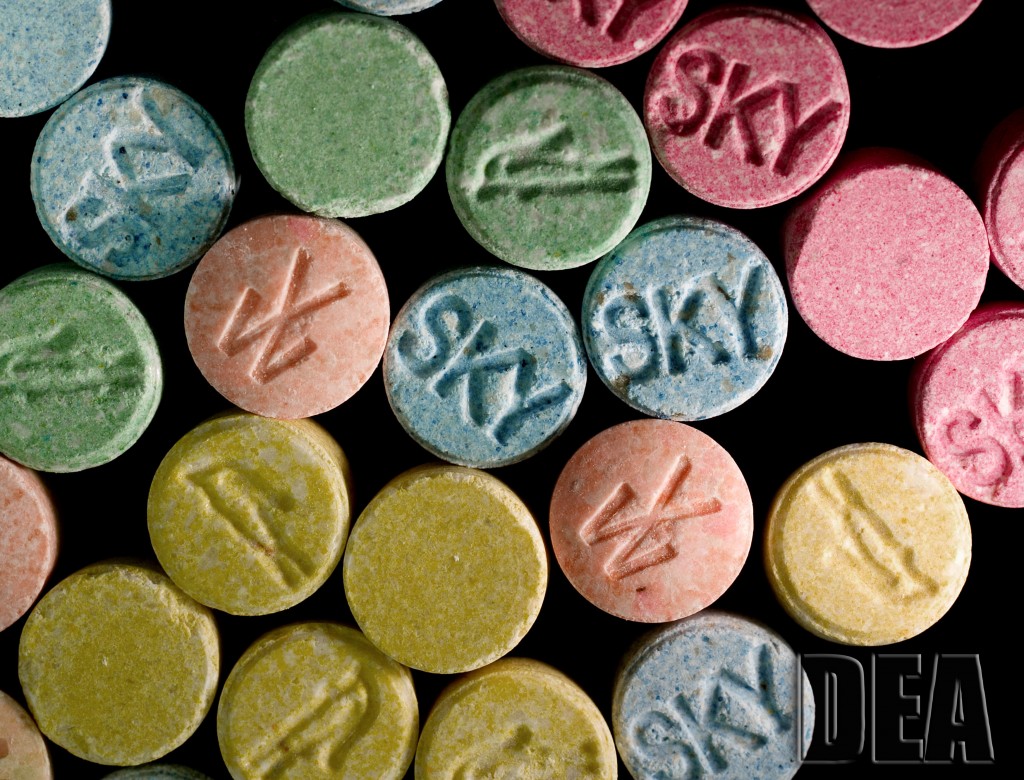
DMT is renowned for producing vivid visual and auditory hallucinations, often described as profoundly transformative. Users frequently report experiences that resemble near-death phenomena, including feelings of transcending physical reality, encountering otherworldly entities, and profound shifts in consciousness. These effects have made DMT a subject of interest not only in recreational circles but also in scientific research exploring consciousness and mental health therapies.
The Alcohol and Drug Foundation highlights that DMT’s impact can be intense and unpredictable, emphasizing the need for caution and respect when engaging with this substance.
RFK Jr.’s Sobriety and Past Struggles
Robert F. Kennedy Jr.’s history with substance abuse is well documented. At 29, he pleaded guilty to a felony heroin possession charge and subsequently entered a drug treatment program. Since then, he has publicly maintained that he has been sober for decades.
Beyond his battle with heroin, Kennedy has faced allegations related to sexual addiction, which surfaced during his contentious divorce from his second wife, Mary Richardson. Reports have suggested that during their marriage, Kennedy kept a secret diary chronicling multiple sexual encounters, a claim he has denied.
Mary Richardson tragically died by suicide two years after their divorce proceedings, during which she accused Kennedy of being a “sexual deviant.” Currently, RFK Jr. is married to actress Cheryl Hines, known for her role in “Curb Your Enthusiasm.” Hines has addressed the media attention surrounding Nuzzi’s allegations of an affair with Kennedy, expressing mixed emotions but ultimately emphasizing the strength of her relationship with him.
The Intersection of Public Image and Private Life
The revelations about RFK Jr.’s alleged use of DMT and his complicated personal history highlight the challenges public figures face in balancing their private lives with public expectations. While Kennedy has cultivated an image of sobriety and resilience, these new claims introduce nuances that may affect public perception.
Olivia Nuzzi’s memoir promises to shed further light on these aspects, offering readers an intimate glimpse into the complexities of RFK Jr.’s life beyond headlines and political endeavors.
Understanding the Cultural and Therapeutic Context of Psychedelics

The use of psychedelics like DMT has evolved significantly over recent years. Once stigmatized and associated primarily with counterculture movements, these substances are now being reconsidered for their potential therapeutic benefits.
Clinical studies have explored psychedelics’ efficacy in treating mental health conditions such as depression, PTSD, and addiction. The near-death experiences induced by DMT are thought to facilitate profound psychological insights and emotional healing for some users.
However, the use of such substances remains controversial, especially when it involves public figures whose actions can influence societal attitudes. RFK Jr.’s reported use of DMT adds to the ongoing conversation about psychedelics’ role in modern medicine and personal growth.
What This Means for RFK Jr.’s Future
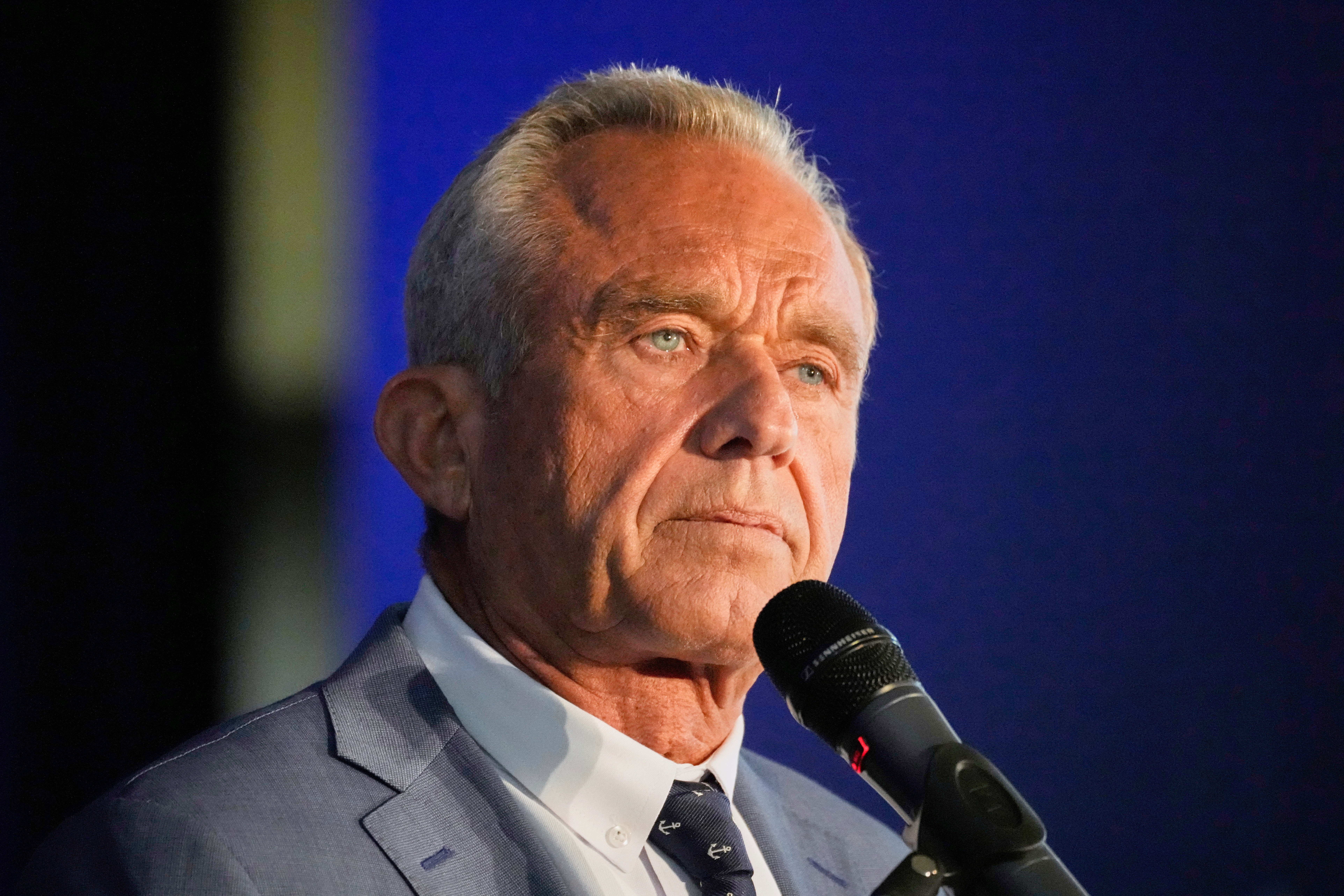
As these allegations circulate, RFK Jr. faces a complex landscape of public scrutiny and personal reflection. His openness about past struggles has garnered both sympathy and criticism, and the new claims about psychedelic use may further complicate his narrative.
Whether these revelations will impact his political ambitions, public engagements, or personal relationships remains to be seen. What is clear is that the intersection of psychedelics, recovery, and public life is an evolving story worth following.
Conclusion
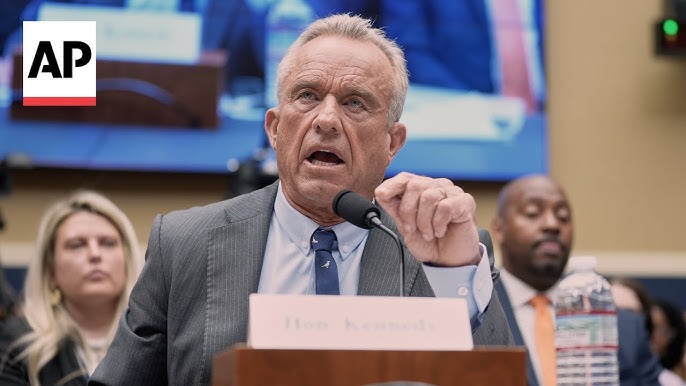
Olivia Nuzzi’s claims that Robert F. Kennedy Jr. smoked the psychedelic drug DMT, known for inducing near-death experiences, challenge the long-held perception of his sobriety and personal journey. This disclosure opens up broader discussions about the role of psychedelics in healing, spirituality, and public life. As society continues to explore the benefits and risks of such substances, stories like RFK Jr.’s highlight the complexities faced by individuals navigating addiction, recovery, and public scrutiny.
Stay informed on the latest celebrity news and cultural insights by subscribing to our newsletter. Don’t miss out on updates that matter—sign up today!