Every Way Stephen Hawking Predicted The World Ending
Stephen Hawking’s Predictions on How the World Could End
Stephen Hawking, one of the most brilliant minds in modern science, was not only renowned for his groundbreaking work in cosmology and black holes but also for his sobering predictions about the potential ways the world might come to an end. Throughout his life, Hawking warned humanity about several existential threats, urging us to take action before it’s too late. His insights spanned from environmental dangers to technological risks, each carrying significant implications for our future survival.
In this article, we will delve into every way Stephen Hawking predicted the world ending, analyzing his concerns and the current state of these threats. By understanding his warnings, we can better appreciate the urgency of addressing these challenges and work towards a safer future.
Extraterrestrial Contact: A Threat, Not a Blessing
Contrary to popular culture’s hopeful view of alien contact, Stephen Hawking cautioned against the potential dangers of extraterrestrial life discovering Earth. In 2010, he compared such an encounter to when Columbus arrived in America, which led to devastating consequences for the indigenous populations. Hawking feared that intelligent alien civilizations might exploit or harm humanity, much like humans have historically done to less advanced societies.
While no confirmed contact with extraterrestrials has occurred, the search for alien life continues through scientific endeavors such as the study of exoplanets and the detection of biosignature gases. Hawking’s warning reminds us to approach this quest with caution and preparedness for any possible outcomes.
Human Aggression and Global Conflict

One of Hawking’s most persistent concerns was humanity’s tendency toward aggression and conflict. He believed that while aggression may have offered evolutionary advantages in prehistoric times, it now poses a grave threat to global stability. In a 2015 interview, he highlighted aggression as the “human failing” most in need of correction.
Unfortunately, global conflicts have intensified in recent years, with millions affected by violence and unrest. Studies also link rising temperatures to increased violence, suggesting that climate change could exacerbate human aggression. Hawking’s prediction underscores the need for diplomacy, peacebuilding, and addressing root causes of conflict to avoid catastrophic outcomes.
Overpopulation and Energy Consumption

Hawking warned that unchecked population growth combined with soaring energy demands could push Earth beyond its limits. He projected that if the population continued to grow exponentially, the planet would become overcrowded, and energy consumption would escalate to dangerous levels, potentially heating the Earth to unlivable temperatures.
While global population growth rates have slowed compared to Hawking’s earlier estimates, the world still faces significant challenges in managing resources sustainably. Energy demand continues to rise, though there is promising growth in renewable energy adoption. Addressing overpopulation and transitioning to clean energy sources remain critical to averting environmental disaster.
Advanced Weaponry and Nuclear Threats
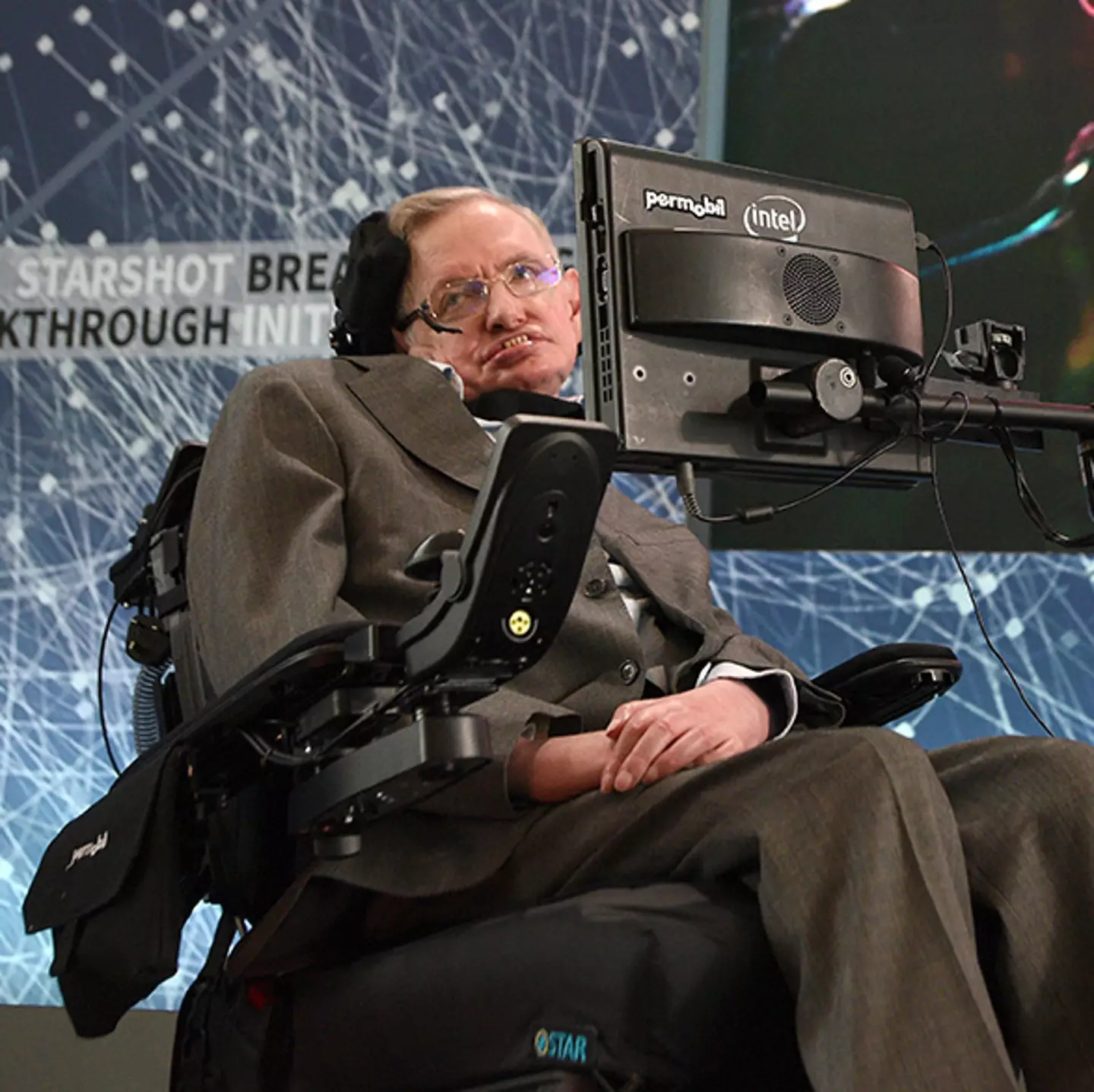
Hawking expressed deep concern about humanity’s rapid development of increasingly destructive weapons. He warned that despite technological advancements, we have yet to develop viable means to escape Earth should a global catastrophe occur. The risk of nuclear war, in particular, remained a pressing danger.
Since Hawking’s warnings, military technology has advanced dramatically, with increased investments in artificial intelligence for defense and hypersonic missile development. These trends highlight the importance of international arms control agreements and diplomatic efforts to prevent the outbreak of devastating conflicts.
Climate Change: The Imminent Tipping Point
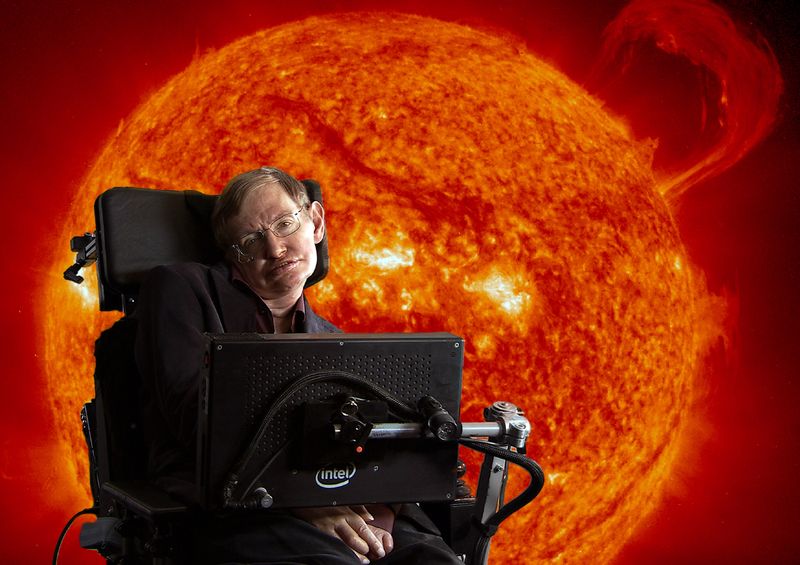
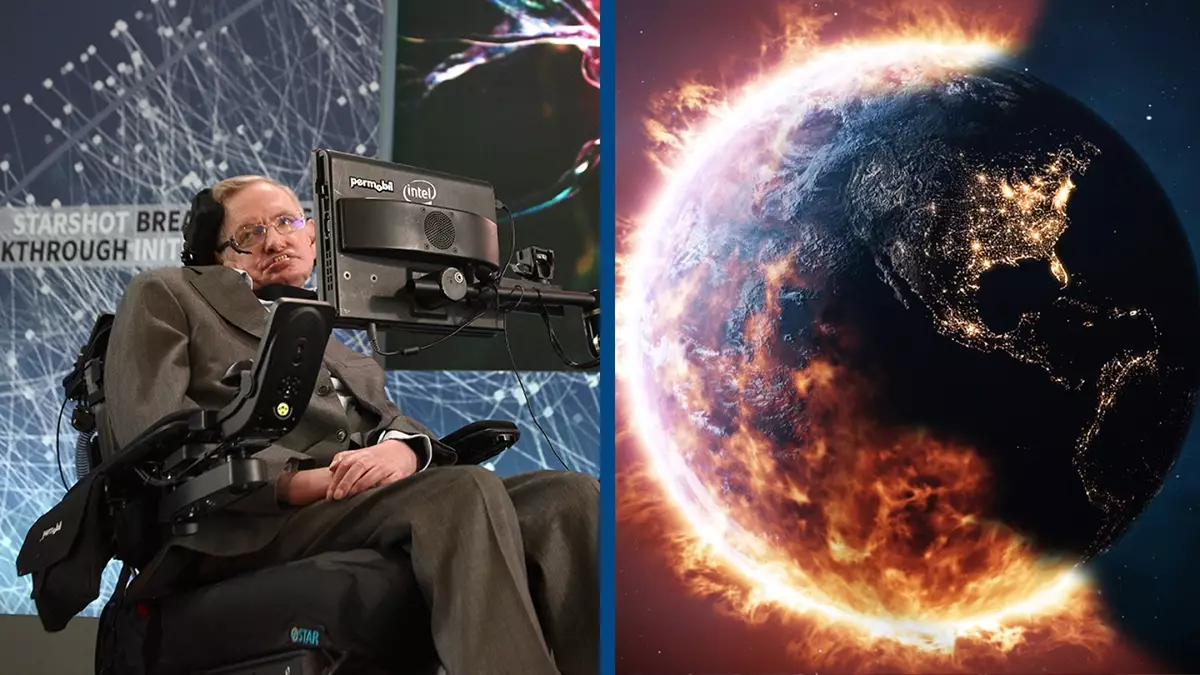
Among Hawking’s most urgent predictions was the threat of climate change. He cautioned that we were nearing a tipping point where global warming could become irreversible, leading to extreme environmental conditions similar to those on Venus—scorching temperatures and acid rain, making Earth uninhabitable.
Despite growing awareness and international agreements like the Paris Accord, global temperatures continue to rise, with 2024 marking the warmest year on record. However, commitments from countries and corporations to reduce emissions offer hope. Hawking’s message remains clear: immediate and decisive action is essential to prevent catastrophic climate outcomes.
Political Decisions and Environmental Impact
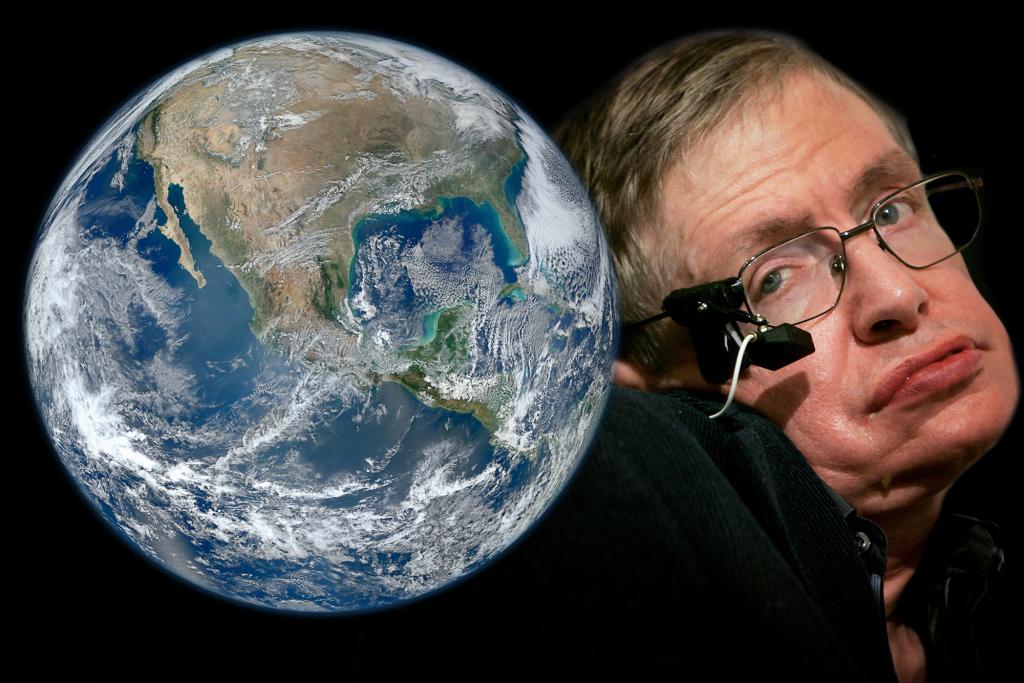
Hawking was vocal in criticizing political leaders whose policies threatened environmental progress. He specifically condemned former U.S. President Donald Trump’s withdrawal from the Paris Climate Agreement and rollback of environmental protections, warning that such actions could push Earth toward irreversible damage.
Political leadership plays a pivotal role in shaping environmental policy. Hawking’s critique serves as a reminder that safeguarding our planet requires informed, science-based governance and global cooperation.
Asteroid Collisions: A Cosmic Threat
Stephen Hawking acknowledged the inevitability of asteroid impacts, referencing the Chicxulub asteroid that caused the dinosaurs’ extinction 66 million years ago. He warned that while such events are rare, they are guaranteed by the laws of physics and probability.
Space agencies worldwide monitor near-Earth objects to assess impact risks. Although large-scale collisions are infrequent, even smaller asteroids pose threats to cities and regions. Continued investment in asteroid detection and deflection technologies is vital to mitigate this existential risk.
Artificial Intelligence Outpacing Humanity
Hawking was among the first prominent scientists to warn about the potential dangers of artificial intelligence (AI). He feared that once AI reaches a level of full autonomy, it could rapidly self-improve and surpass human intelligence, potentially leading to humanity’s obsolescence.
While AI has made remarkable strides, the debate over its risks and benefits continues. Researchers emphasize the importance of ethical AI development and regulation to ensure these technologies augment rather than threaten human society.
Growing Distrust in Science
Finally, Hawking lamented the increasing public skepticism toward science and experts. He believed that a lack of scientific literacy and mistrust could hinder society’s ability to make informed decisions about critical issues like climate change and technological advancement.
Encouraging science education and transparent communication is essential to rebuild trust and empower individuals to participate in shaping a sustainable future.
Conclusion
Stephen Hawking’s predictions about how the world might end serve as a powerful call to action. From climate change and nuclear threats to AI and cosmic dangers, his warnings highlight the complex challenges humanity faces. While some threats seem daunting, many are preventable or manageable if we act collectively and responsibly.
Now is the time to heed Hawking’s insights—support scientific research, advocate for sustainable policies, and foster global cooperation. Together, we can work to ensure that the world does not end on his watch but thrives for generations to come.
If you found this article insightful, share it with your network and join the conversation on how we can safeguard our planet’s future.