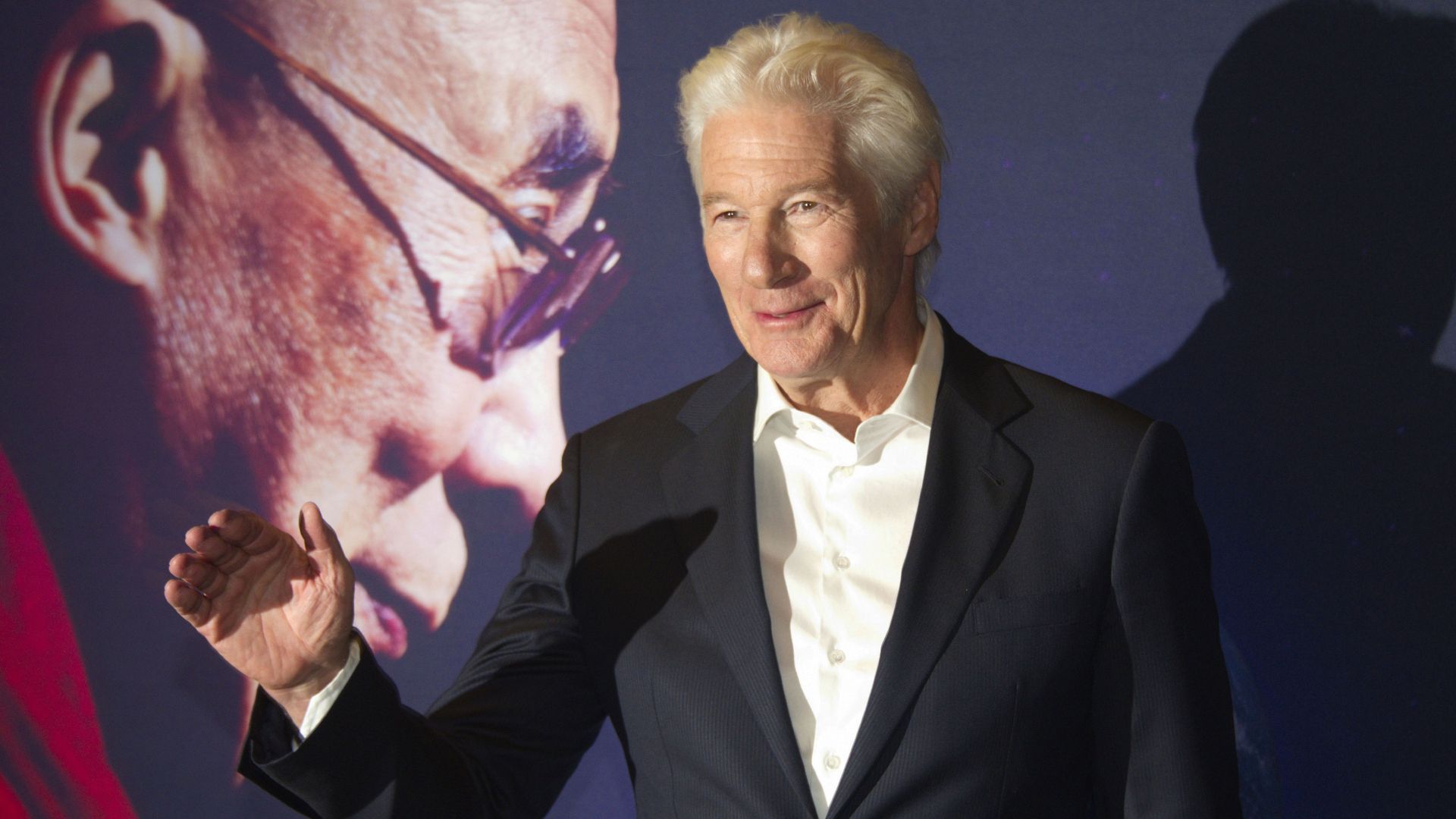
Why Richard Gere Was Banned from the Oscars for 20 Years
The Controversial Oscars Speech That Changed Everything
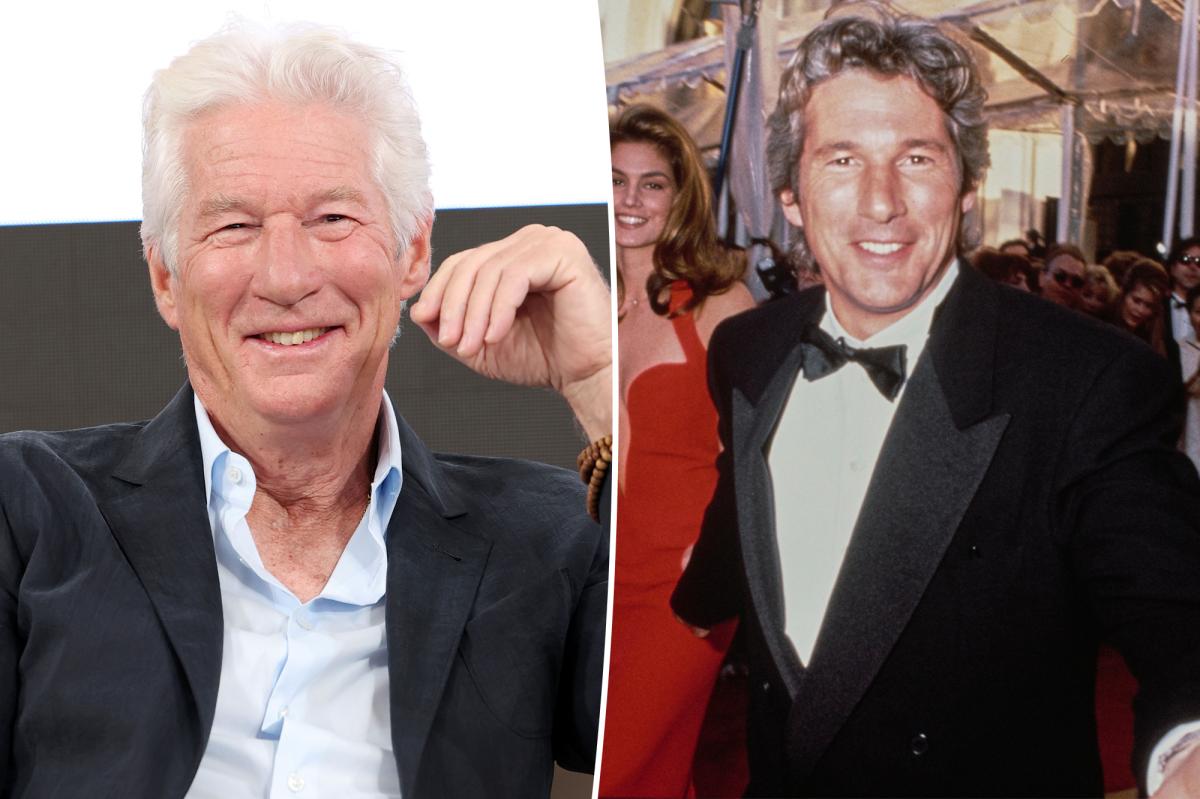
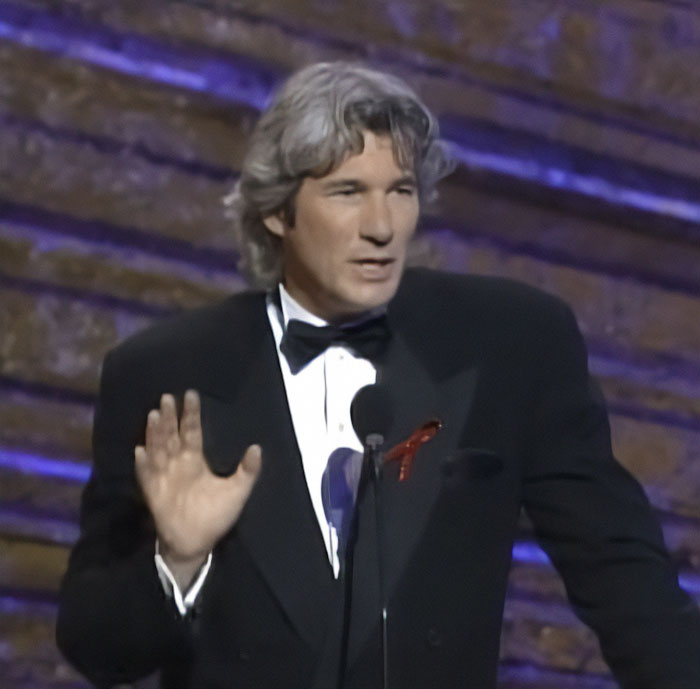
Richard Gere, a celebrated actor known for his roles in iconic films like Days of Heaven (1978), American Gigolo (1980), and Pretty Woman (1990), experienced a dramatic turning point in his career at the 1993 Academy Awards. Just three years after skyrocketing to superstardom with Pretty Woman, Gere took the stage to present the Oscar for Best Art Direction. However, instead of sticking to the event’s usual glamorous tone, he used his moment in the spotlight to address a deeply political and sensitive issue: human rights violations in China.
Before announcing the winner, Gere directly addressed Chinese leader Deng Xiaoping, reminding the audience—and the millions watching worldwide, including viewers in China—that the Oscars were broadcast in China. He urged Deng to withdraw Chinese troops from Tibet and allow the Tibetan people to live as free and independent individuals. Gere’s passionate plea for Tibetan freedom and human rights was met with applause from the audience, but behind the scenes, it sparked outrage among the Oscar organizers.
Oscar Officials’ Backlash and the Ban
Gil Cates, the producer of the 1993 Oscars, was particularly incensed by Gere’s political statement. In a column for the Los Angeles Times titled “Oscar Officials Slam Presenters’ Political Plugs,” Cates criticized Gere’s speech as “arrogant” and inappropriate for the event. He expressed his disapproval not only of Gere but also of other presenters like Tim Robbins and Susan Sarandon, who had used their Oscar moments to discuss political issues such as the plight of Haitian refugees at Guantanamo Bay.
Cates stated, “For someone who I invite to present an award to use that time to postulate a personal political belief, I think is not only outrageous, it’s distasteful and dishonest.” He made it clear that Gere and others who politicized the Oscars would not be invited back, effectively banning Gere from the ceremony for two decades.
Richard Gere’s Commitment to Tibetan Freedom and Human Rights
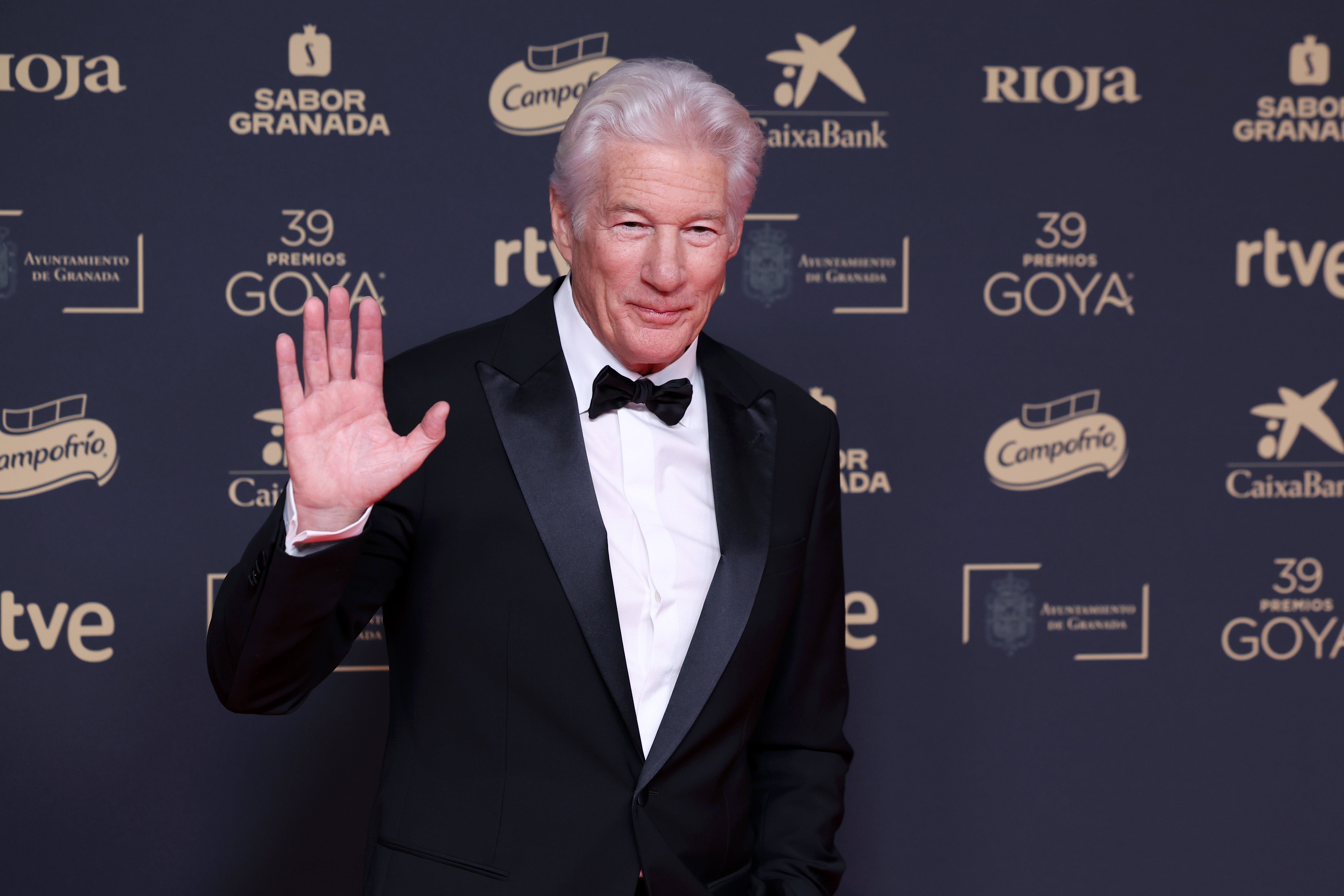
Richard Gere’s activism was no sudden impulse. A longtime Buddhist and follower of the Dalai Lama, Gere had been deeply involved in advocating for Tibetan independence and human rights for years before his 1993 speech. In 1987, he co-founded Tibet House, an organization dedicated to preserving Tibetan culture and promoting awareness about the region’s struggles under Chinese rule.
His dedication extended beyond activism; Gere produced the documentary Wisdom of Happiness about the Dalai Lama, further highlighting his commitment to the cause. His outspoken stance on Tibet and human rights has remained consistent throughout his career, even when it came at a professional cost.
The Impact on Gere’s Career and Hollywood Relationships
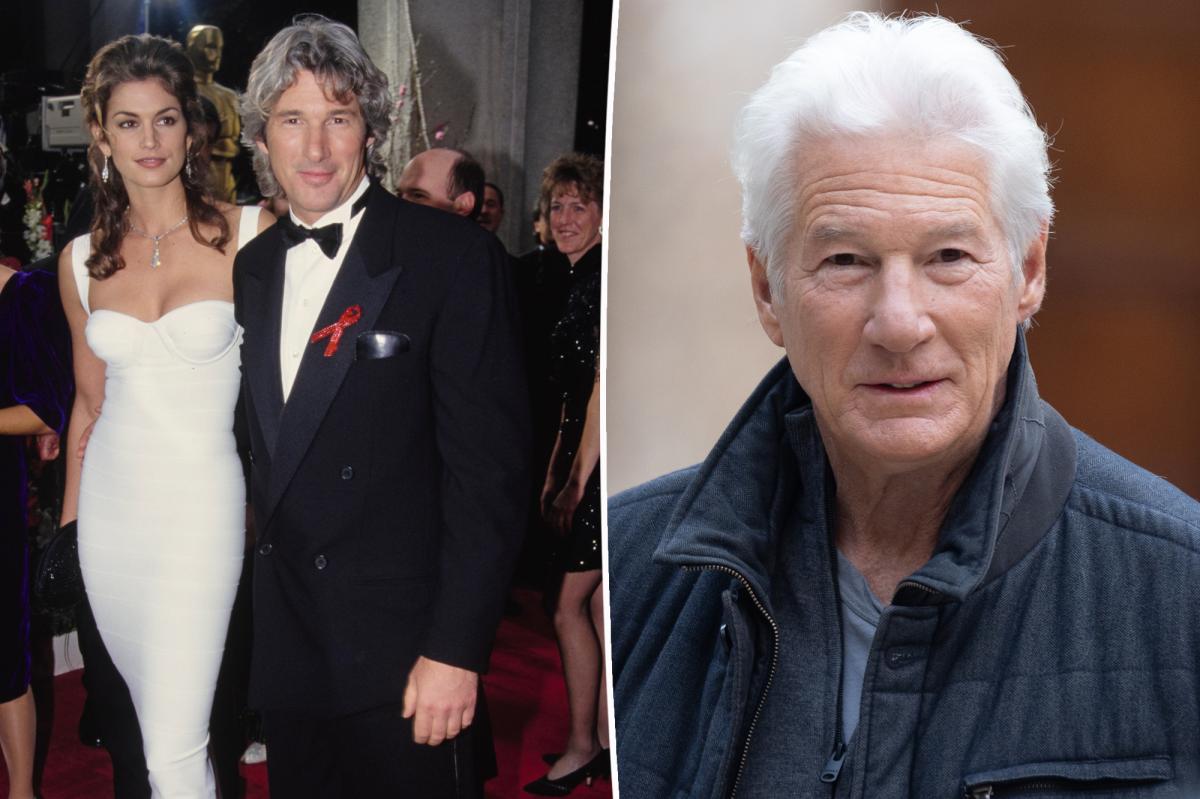
The fallout from Gere’s Oscars speech was significant. Beyond being banned from attending the ceremony for 20 years, Gere’s advocacy reportedly affected his film opportunities. In a 2017 interview with The Hollywood Reporter, Gere revealed that some studios hesitated to cast him because his involvement could jeopardize a movie’s success in the lucrative Chinese market.
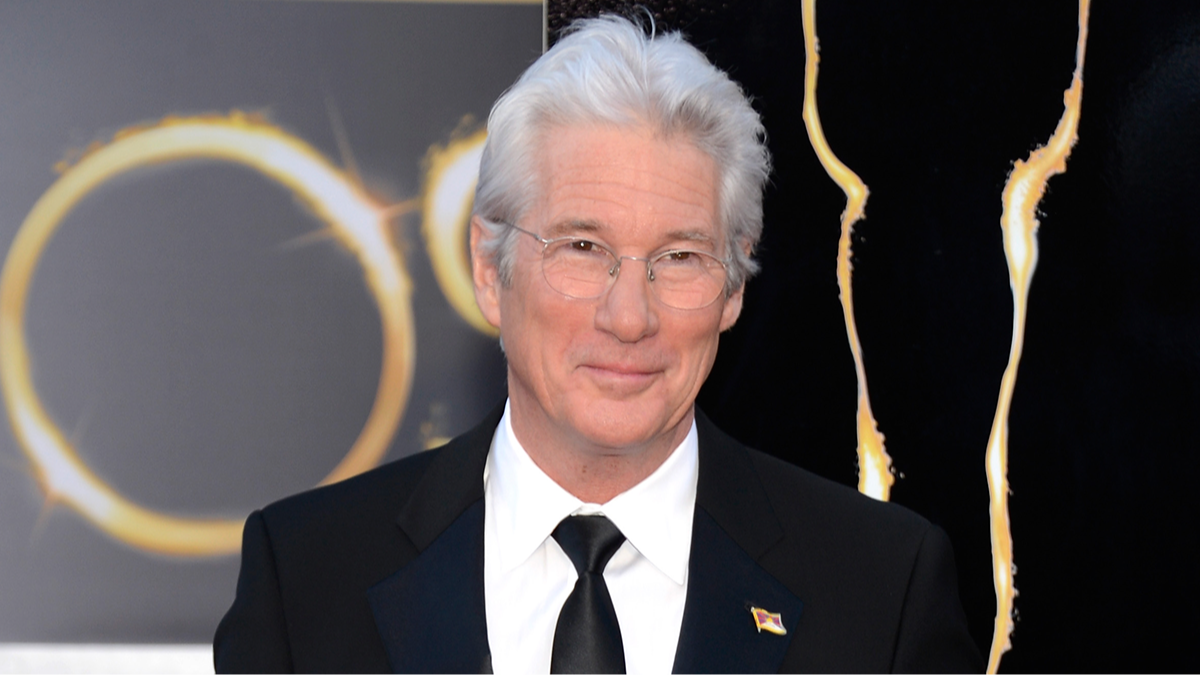
Despite these challenges, Gere has remained steadfast in his beliefs. His return to the Oscars in 2013 was met with surprise and a sense of reconciliation. Reflecting on his ban, Gere told The Huffington Post, “It seems if you stay around long enough, they forget they’ve banned you.”
Interestingly, the very speech that led to his ban is now available on the official Oscars YouTube channel, illustrating how perspectives on political expression at the awards have evolved over time.
Conclusion
Richard Gere’s 20-year ban from the Oscars stands as a powerful example of the tension between celebrity activism and the entertainment industry’s desire to avoid political controversy. His courageous decision to use the Oscars platform to highlight human rights abuses in China cost him dearly but also cemented his legacy as a committed advocate for justice. As the industry continues to grapple with the role of politics in entertainment, Gere’s story reminds us of the importance of speaking out, even when it comes with risks.
If you found this article insightful, be sure to share it with fellow film and activism enthusiasts and stay tuned for more stories that explore the intersection of Hollywood and social justice.