
You’re Eating Too Much Salt If This Happens To You
Understanding the Impact: You’re Eating Too Much Salt If This Happens To You
Salt is a staple seasoning in kitchens worldwide, enhancing the flavor of countless dishes. However, consuming too much salt can lead to a variety of health issues that many people overlook. According to the American Heart Association, nine out of ten Americans consume more sodium than recommended, often unknowingly, since salt is hidden in many processed foods. While the advised daily limit is 2,300 milligrams of sodium, the average intake is closer to 3,400 milligrams. This excess can trigger several bodily responses, signaling that you’re eating too much salt. Let’s explore these warning signs and understand why managing salt intake is crucial for your health.
Common Signs You’re Eating Too Much Salt

1. Persistent Thirst and Dehydration

One of the earliest and most noticeable signs of excessive salt consumption is persistent thirst. Salt increases the sodium levels in your bloodstream, prompting your body to seek balance by drawing water from your cells into your blood. This process dehydrates your cells, making you feel thirsty. Registered dietitian Maggie Michalczyk explains that thirst is your body’s way of signaling that its fluid balance is disrupted and needs correction. If you find yourself constantly reaching for water, especially after salty meals, it may be time to evaluate your salt intake.
2. Frequent Urination

Eating too much salt can cause your kidneys to work overtime. When sodium levels rise in your blood, your body retains more water to dilute the salt, increasing blood volume. To maintain balance, your kidneys filter out the excess fluid, leading to more frequent urination. Research from Japan demonstrated that individuals on a low-sodium diet experienced a 60% reduction in nighttime urination, while those with increased salt intake saw a 15% rise. If you notice you’re waking up multiple times at night to urinate, high salt consumption could be a contributing factor.
3. Bloating and Swelling
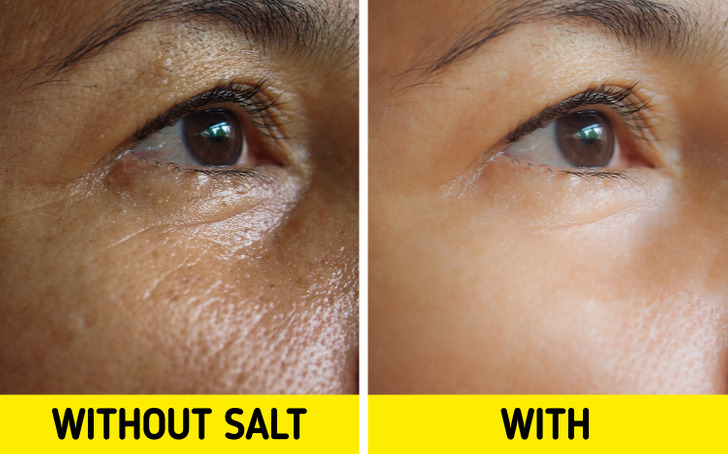
Excess sodium causes your body to retain water, which can lead to bloating and swelling, medically known as edema. This fluid buildup often manifests as puffiness in the hands, feet, ankles, or legs. The Mayo Clinic notes that edema is characterized by stretched or shiny skin and skin that retains a dent after being pressed. A study by Johns Hopkins University found that a high-sodium diet increases the risk of bloating by 27%. If you frequently feel swollen or notice tightness in your body, reducing salt intake may alleviate these symptoms.
4. Diminished Taste Sensitivity
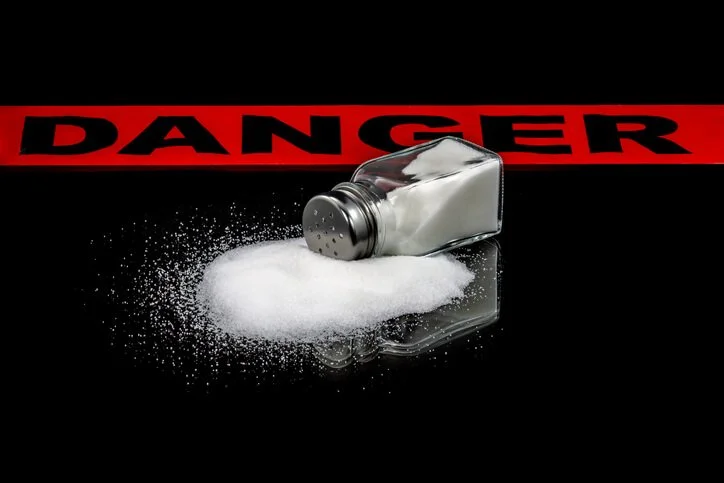
Overconsumption of salt can dull your taste buds, making foods seem bland without it. The tongue contains around 10,000 taste buds that adapt to the flavors you regularly consume. When you habitually eat salty foods, your brain expects that level of saltiness, and foods with less salt may taste unappealing. This cycle can lead to a dependence on salt to enjoy meals, perpetuating excessive intake.
5. Increased Risk of Illness
While salt has antibacterial properties, a high-sodium diet may impair your immune system’s ability to fight infections. A study published in Science Translational Medicine found that mice on a high salt diet were more susceptible to bacterial kidney infections. This suggests that excessive salt consumption could make humans more vulnerable to certain illnesses, highlighting the importance of moderation.
6. Negative Effects on Sexual Health
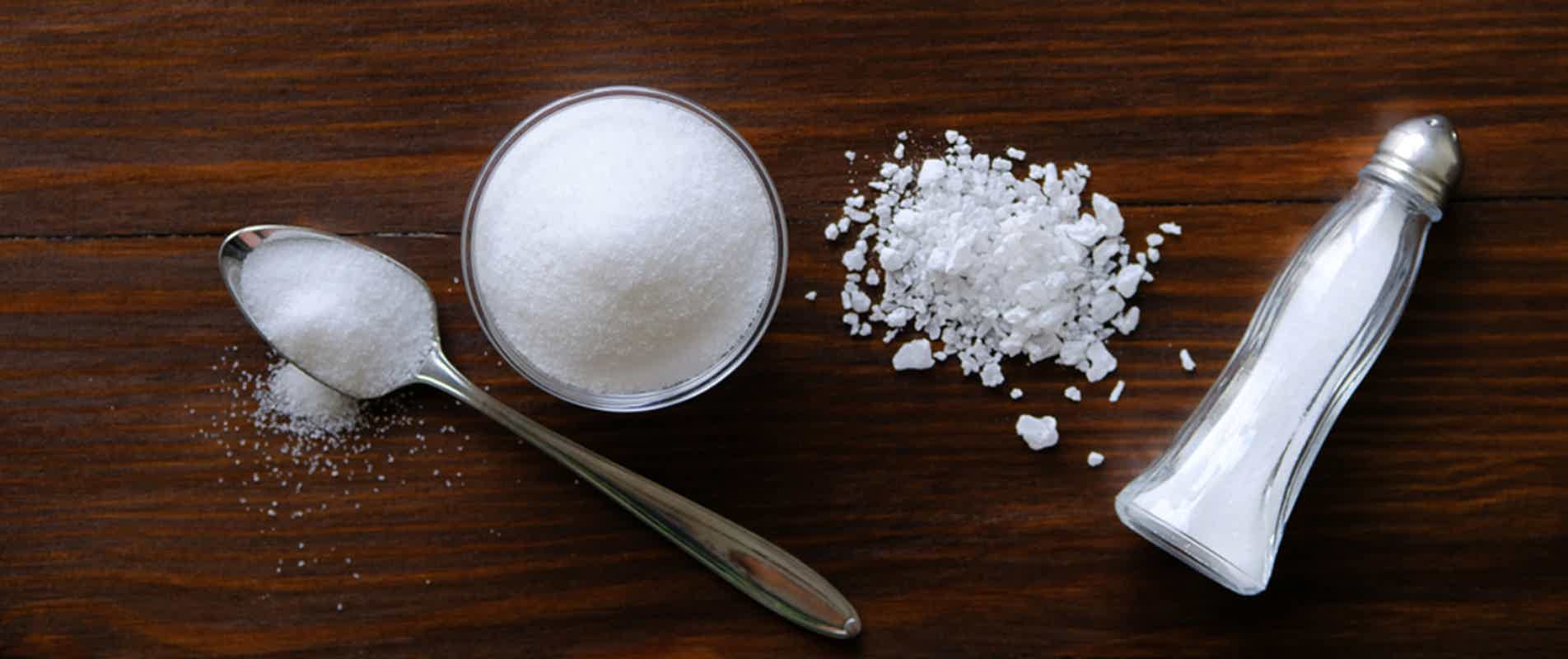
Too much salt can adversely affect blood flow by contributing to high blood pressure and elevated cholesterol levels. Restricted blood flow can lead to erectile dysfunction in men and decreased arousal in women. Research in the American Journal of Hypertension showed that animals on high salt diets had difficulty achieving erections, indicating a direct link between salt intake and sexual health.
7. Frequent Headaches
High sodium levels can cause blood vessels in the brain to expand, triggering headaches. A study in BMJ Open revealed that individuals consuming 8 grams of sodium daily experienced 33% more headaches than those on lower sodium diets. Interestingly, reducing salt intake decreased headache frequency even in people with normal blood pressure, suggesting other mechanisms are involved.
8. Elevated Blood Pressure
High blood pressure, often called the “silent killer,” is closely linked to excessive salt intake. Sodium causes the body to retain water, increasing blood volume and pressure against artery walls. Over time, this pressure damages blood vessels and raises the risk of heart disease, the leading cause of death globally. The American Heart Association warns that 90% of adults are likely to develop high blood pressure, with salt being a significant contributing factor.
9. Dry Skin and Eczema Flare-Ups
Excess salt can exacerbate skin conditions like eczema and dermatitis. Research indicates that high sodium levels may trigger immune system cells called T-helper cells to become overactive, causing inflammation and dry, itchy skin. People with eczema have been found to have salt concentrations up to 30 times higher in their skin compared to those without the condition.
10. Sleep Disturbances
Consuming large amounts of salt before bedtime can disrupt sleep quality. A study in Endocrine Abstracts found that participants who ingested high salt doses had difficulty falling asleep, experienced more frequent awakenings, and suffered from less restful sleep. Increased thirst and the need to urinate during the night are likely culprits.
11. Chronic Acne
Diet plays a role in skin health, and excessive salt intake may contribute to chronic acne. A study in the Journal of Cosmetic Dermatology found that individuals with persistent acne consumed significantly more salt than those without. Salt may influence inflammation and oil gland function, exacerbating breakouts.
12. Digestive Issues
Too much salt can negatively affect your digestive system by reducing water content in stool, leading to constipation. Additionally, high salt levels may increase the virulence of Helicobacter pylori, a bacteria linked to stomach ulcers and gastric diseases.
13. Brain Fog and Cognitive Decline
High salt intake has been associated with cognitive impairment and dementia risk. Research involving older adults showed that increased sodium consumption correlated with attention deficits and mental decline. Animal studies suggest that excess salt alters brain proteins linked to Alzheimer’s disease.
14. Unexplained Weight Gain
Salt causes the body to retain water, which can lead to temporary weight gain. Nutritionist Monica Reinagel explains that this water retention can add several pounds on the scale. Moreover, salty foods are often calorie-dense and easy to overeat, contributing to increased body fat, especially around the abdomen.
Conclusion
Recognizing the signs that you’re eating too much salt is essential for maintaining optimal health. From persistent thirst and bloating to more serious issues like high blood pressure and cognitive decline, excessive sodium intake can impact nearly every system in your body. By being mindful of your salt consumption and choosing fresh, whole foods over processed options, you can reduce these risks and improve your overall well-being. Start today by reading nutrition labels carefully and opting for low-sodium alternatives. Your body will thank you!
Ready to take control of your health? Begin by cutting back on salt and exploring delicious, heart-healthy recipes that satisfy your taste buds without the extra sodium. Your journey to better health starts now!