
Ricky Gervais’ Longtime Partner Jane Fallon Diagnosed with Breast Cancer
Jane Fallon’s Breast Cancer Diagnosis and Early Detection
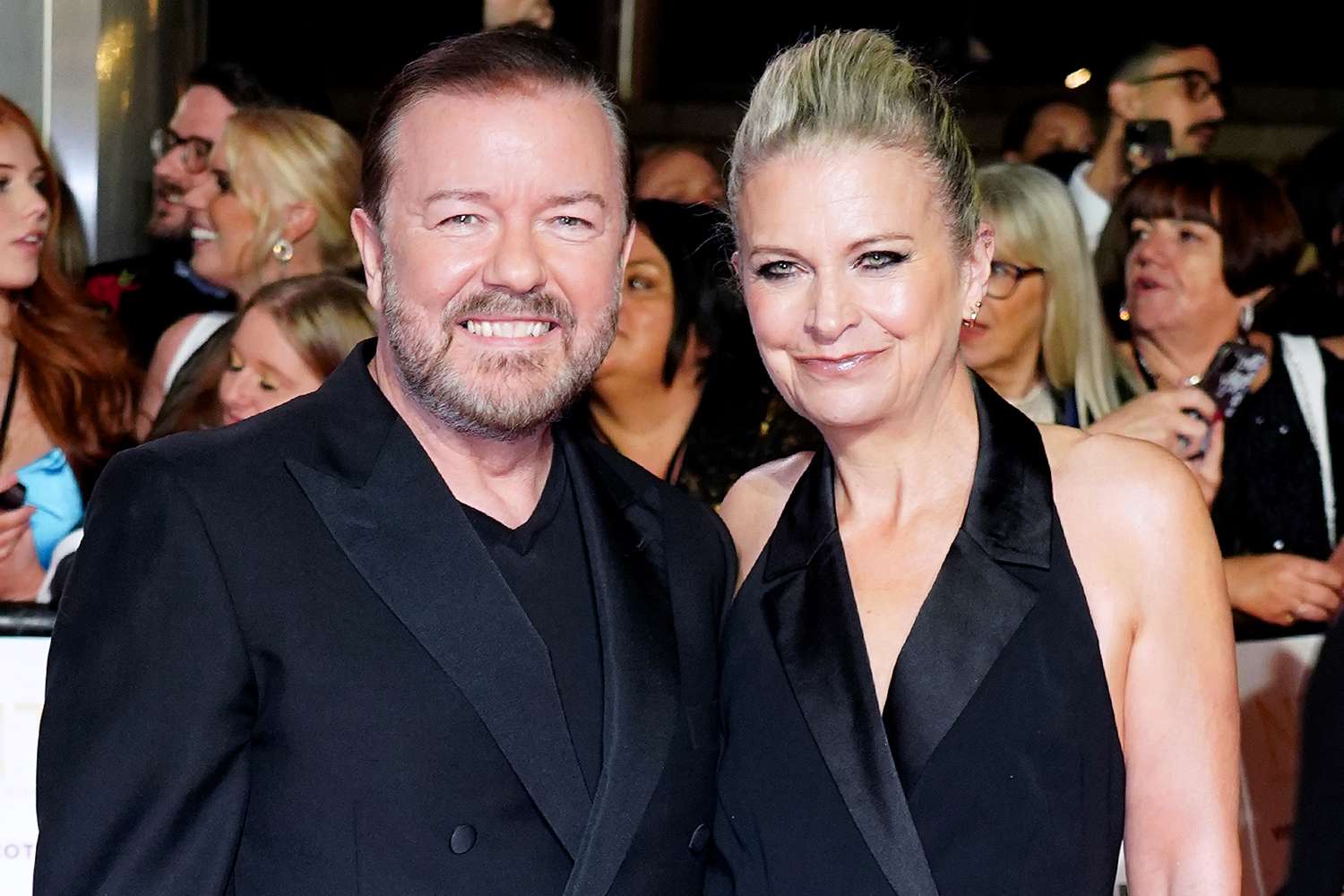
Jane Fallon, a celebrated British author and television producer, and the longtime partner of comedian Ricky Gervais, recently revealed her breast cancer diagnosis. At 65 years old, Jane shared the news on her Instagram account, emphasizing the fortunate timing of her diagnosis. Detected during a routine mammogram just before Christmas, her breast cancer was caught at a very early stage, giving her an excellent prognosis.
In her heartfelt post, Jane explained that she had no symptoms prior to the mammogram. However, a vigilant radiographer noticed something unusual and promptly referred her for further testing. This led to additional mammograms, biopsies, and an MRI to precisely locate the affected area. Jane’s openness about her experience highlights the critical role of regular screenings in identifying breast cancer early, even when no symptoms are present.
Jane Fallon’s Journey and Support System
Despite the challenges that come with a cancer diagnosis, Jane has maintained a positive outlook and a sense of humor. She shared lighthearted images on social media, including a photo of her stuffed bear named “Dr. Eric” and a drawing of her cat Pickles dressed as a nurse. These moments of levity have helped her cope with the emotional and physical demands of treatment.
Jane is scheduled to undergo surgery in the coming weeks and has expressed gratitude for the exceptional care she is receiving. During this time, she plans to focus on simple pleasures like audiobooks and puzzles, which provide comfort and distraction.
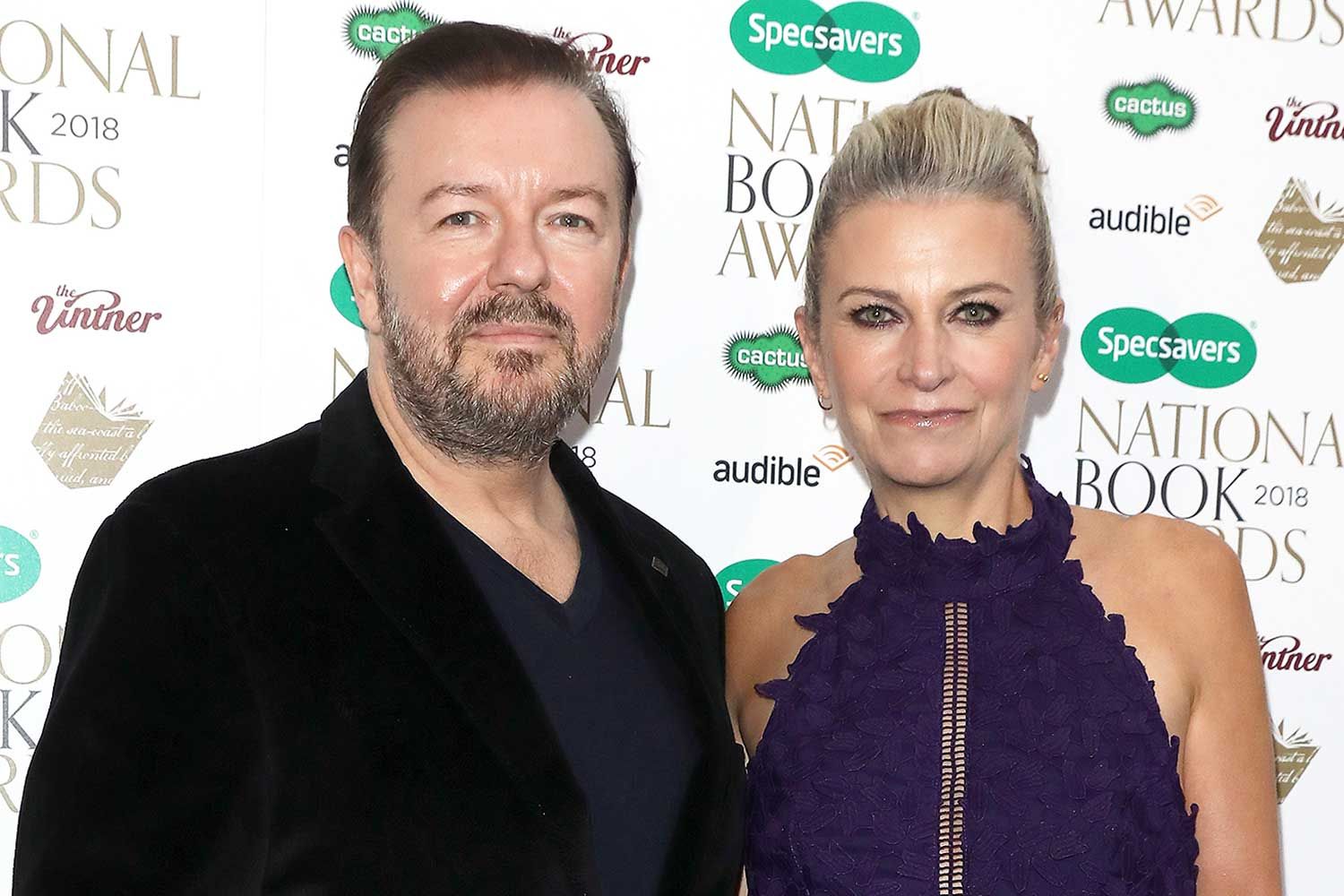
Her partner, Ricky Gervais, has been a steadfast source of support throughout her journey. The couple, who have been together since 1982 after meeting at University College London, share a deep bond that has helped them navigate life’s ups and downs. Their relationship, marked by friendship, laughter, and mutual respect, serves as an inspiring example of enduring love.
The Importance of Early Breast Cancer Detection
Jane Fallon’s experience underscores the vital importance of early breast cancer detection. Breast cancer remains one of the most common cancers worldwide, but early diagnosis significantly improves treatment outcomes and survival rates. Routine mammograms are a key tool in catching breast cancer before symptoms develop, allowing for timely intervention.
Healthcare professionals recommend that women begin regular mammogram screenings at age 40 or earlier if they have risk factors such as a family history of breast cancer. Awareness of breast health and prompt attention to any changes in the breast can also aid early diagnosis.
Jane’s story is a powerful reminder that breast cancer can affect anyone, regardless of symptoms or perceived risk. Her proactive approach to health and willingness to share her journey publicly help raise awareness and encourage others to prioritize their screenings.
How to Support Loved Ones Facing Breast Cancer
Supporting someone diagnosed with breast cancer involves empathy, patience, and practical help. Listening without judgment, offering assistance with daily tasks, and respecting their emotional needs can make a significant difference. Encouraging loved ones to follow their treatment plans and attend medical appointments also shows care and solidarity.
For those wanting to help beyond personal support, contributing to breast cancer research organizations or participating in awareness campaigns can have a broader impact. Education about breast cancer symptoms, risk factors, and the importance of screening is essential in the fight against this disease.
Conclusion

Jane Fallon’s breast cancer diagnosis, caught early through a routine mammogram, highlights the critical importance of regular screenings and awareness. Her positive attitude and strong support system, including Ricky Gervais, demonstrate resilience in the face of adversity. If you or someone you love is due for a mammogram, don’t delay—early detection saves lives. Stay informed, stay proactive, and support breast cancer awareness efforts today.
Take action now: schedule your breast cancer screening and encourage those around you to do the same.