Netflix co-CEO Accuses James Cameron of Spreading ‘Misinformation’ About Warner Bros. Acquisition
Netflix co-CEO Responds to James Cameron’s Criticism of Warner Bros. Deal
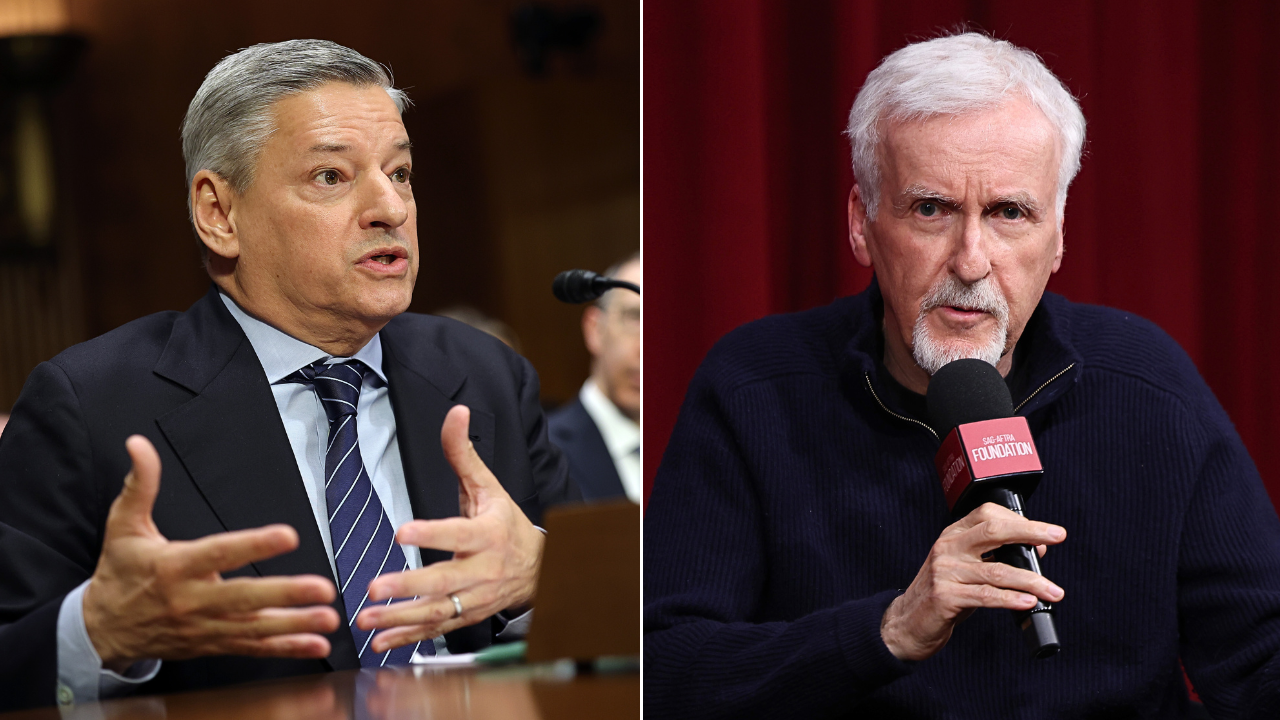
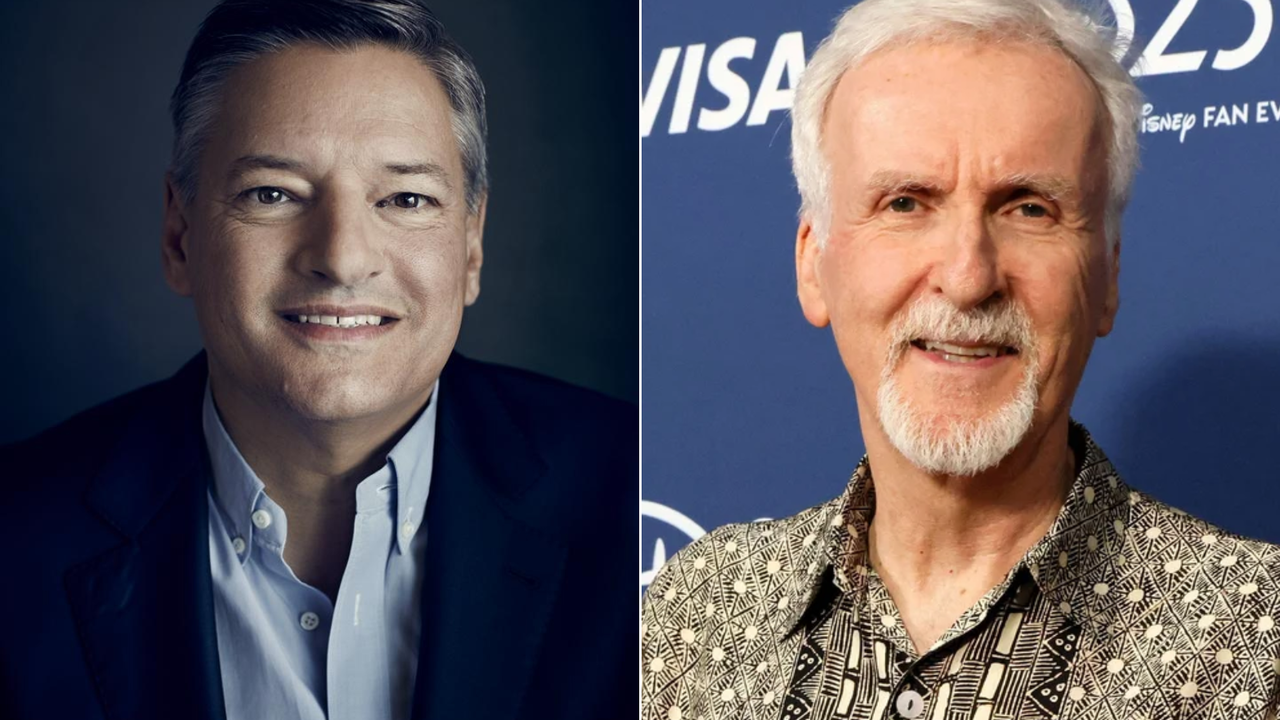
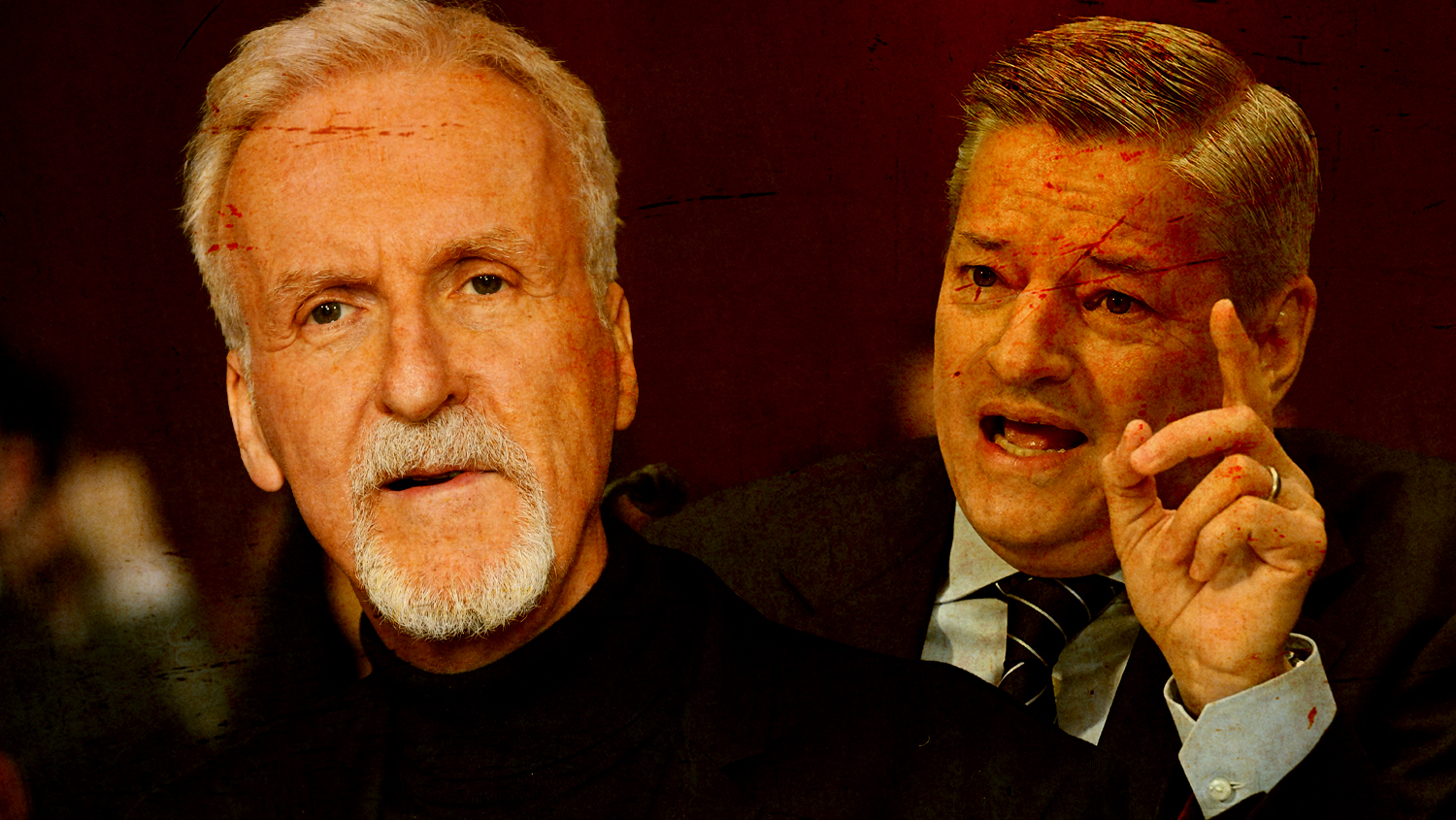
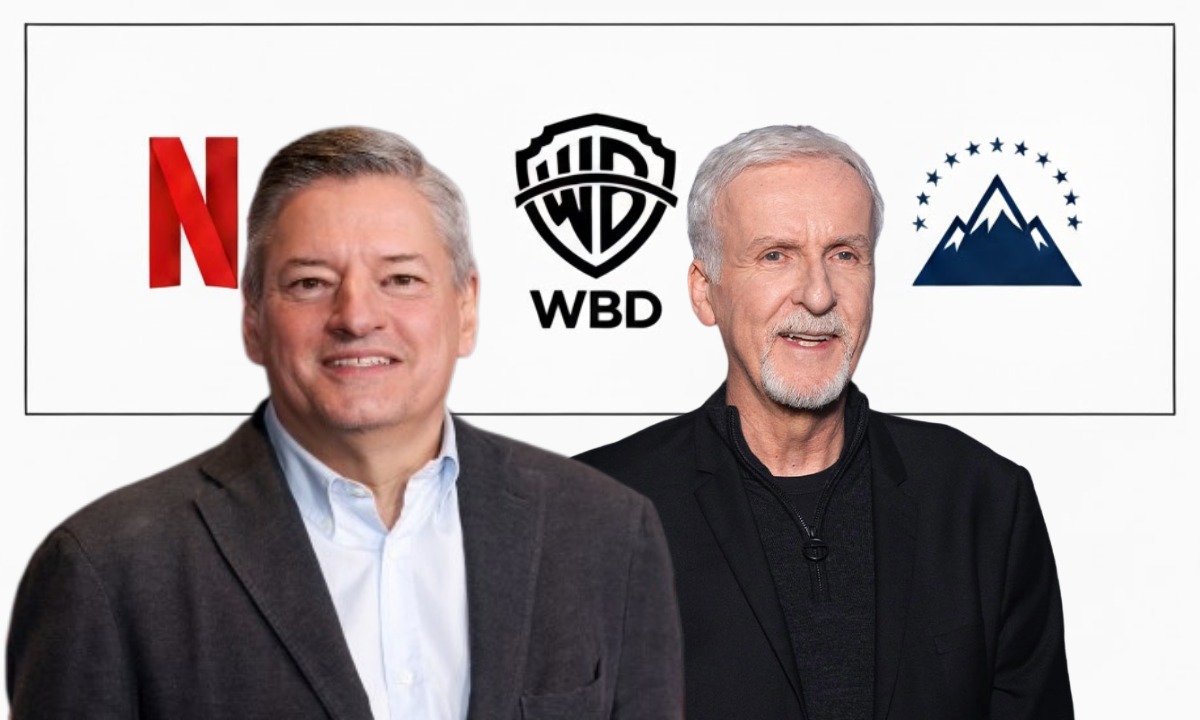
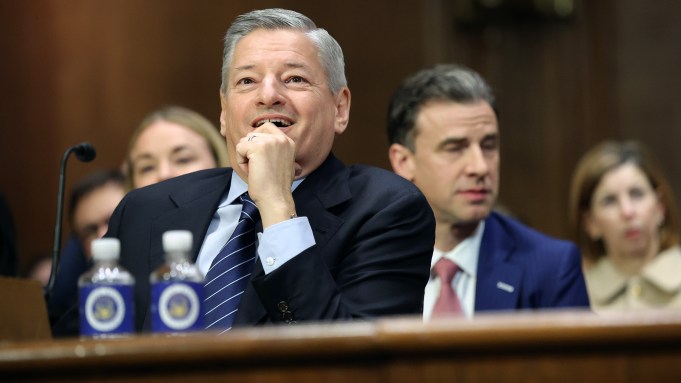
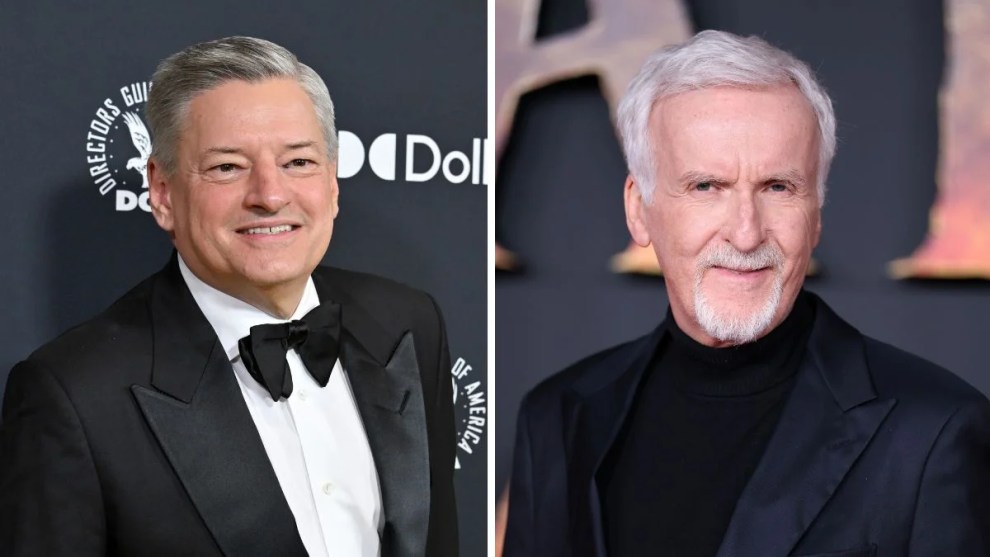
Netflix’s proposed acquisition of Warner Bros. Discovery (WBD), including HBO and HBO Max, has sparked significant debate within Hollywood. Among the most vocal critics is legendary filmmaker James Cameron, who recently expressed concerns about the impact this deal could have on theatrical film production. In response, Netflix co-CEO Ted Sarandos has accused Cameron of spreading misinformation and misrepresenting Netflix’s intentions.
The controversy began after Netflix announced its intention to acquire WBD in December 2025. Shortly after, Paramount Skydance submitted a competing all-cash offer, intensifying the bidding war. Cameron, known for blockbuster hits like Titanic and Avatar, wrote a letter to Senator Mike Lee, chairman of the Senate Judiciary Subcommittee on Antitrust, Competition Policy, and Consumer Rights, voicing his apprehensions about the acquisition.
Cameron argued that Netflix’s business model conflicts with the traditional theatrical release system, warning that theaters could close, fewer films would be produced, and related service providers such as visual effects companies might go out of business. He warned of a potential domino effect leading to significant job losses in the entertainment sector.
Details of the Dispute: Theatrical Release Windows and Film Production
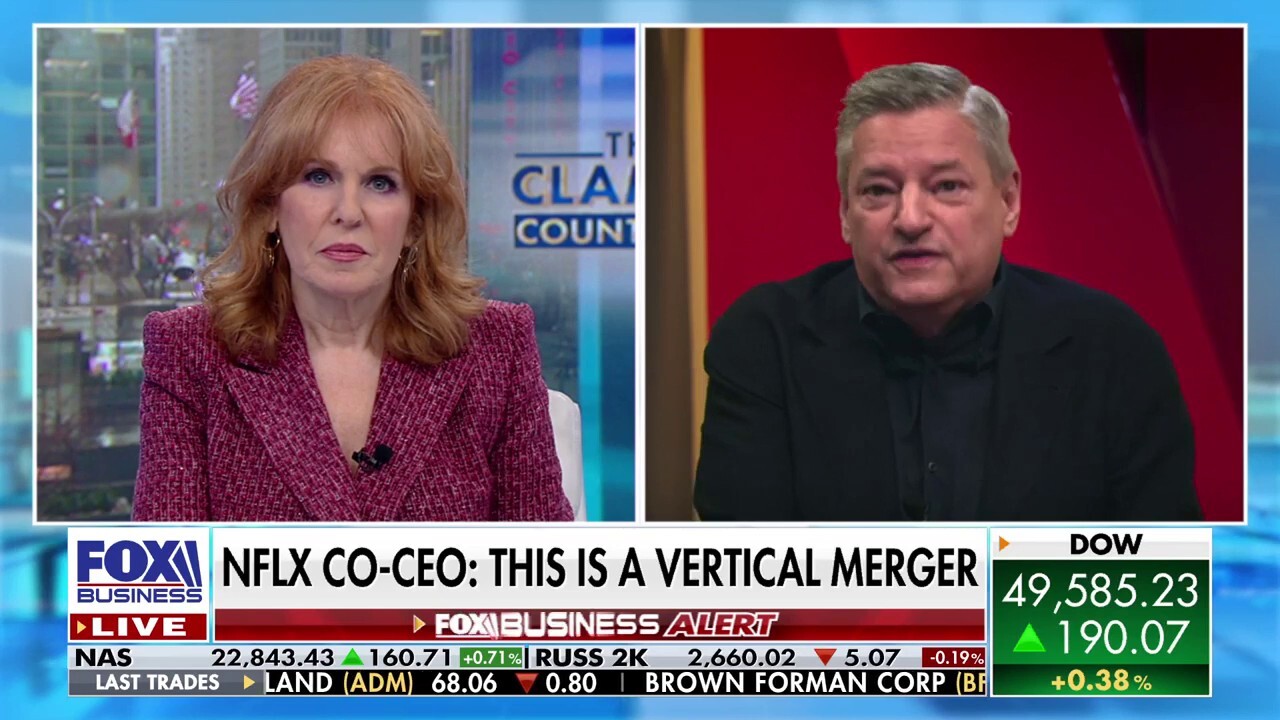
One of the key points of contention is the length of the theatrical release window Netflix plans to maintain for Warner Bros. films. Cameron criticized Netflix for allegedly proposing a 17-day exclusive theatrical window, which he believes is insufficient to sustain traditional movie theaters. However, Sarandos firmly denied this claim, emphasizing that Netflix has committed to a 45-day theatrical exclusivity period.
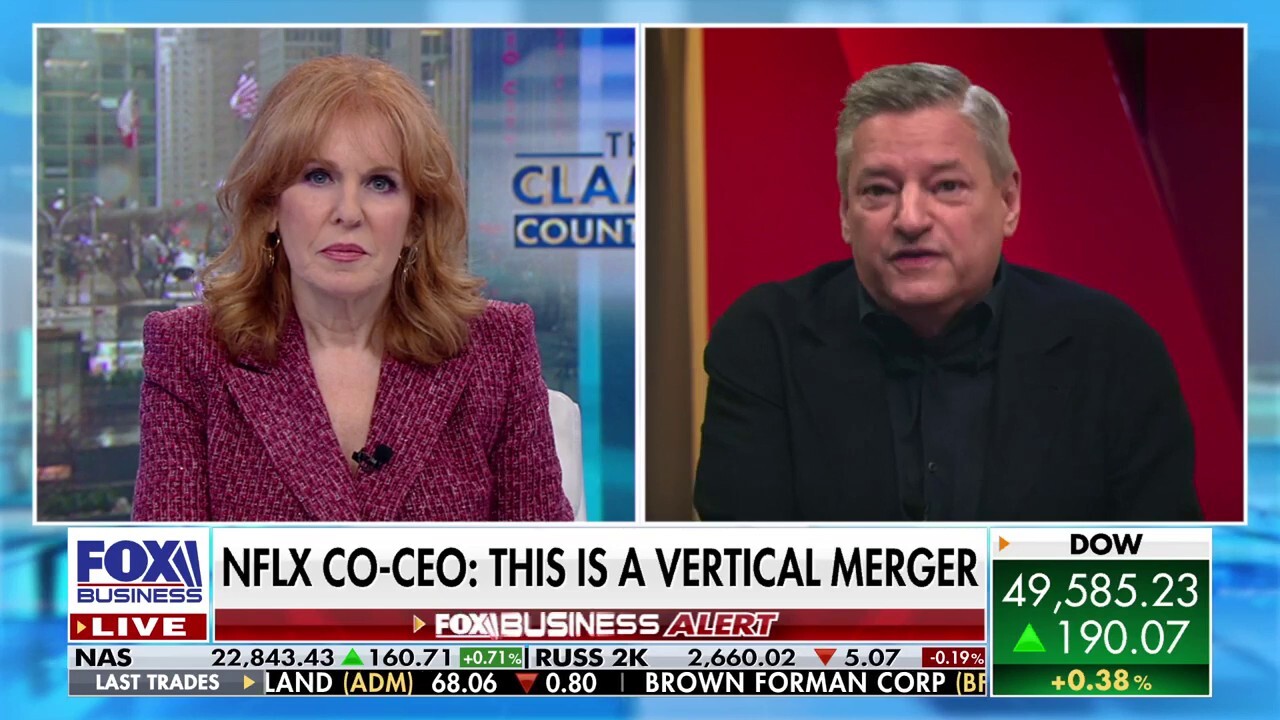
“I have talked about that commitment in the press countless times,” Sarandos stated during an interview on The Claman Countdown. “I swore under oath in front of the Senate subcommittee on antitrust that that’s what we were doing.” He also mentioned a personal meeting with Cameron in late December where he outlined Netflix’s dedication to preserving the theatrical experience.
Moreover, Cameron suggested that Netflix’s acquisition would reduce the number of films Warner Bros. releases in theaters each year, currently around 15. Sarandos refuted this, assuring that the Warner Bros. film and television studio would continue operating largely as it does today, with a robust slate of films released annually.
Paramount’s Rival Bid and Industry Implications
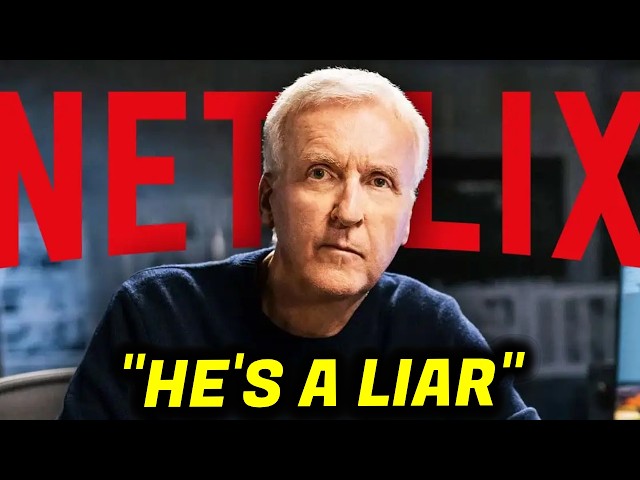
Adding complexity to the situation is Paramount’s competing bid for Warner Bros. Discovery. Sarandos criticized Paramount’s offer, claiming it would result in $6 billion in cuts to WBD and significant job losses within the entertainment industry. “The Paramount deal that’s floating around there and all the misinformation swirling around it is guaranteeing to cut jobs,” he said. “They’re guaranteeing to continue to make gigantic cuts to the entertainment industry. And then the alternative, we’re growing, growing, and they are promising to cut, cut, cut.”
This public dispute highlights the broader tensions within Hollywood regarding the future of film distribution and production. Streaming services like Netflix have disrupted traditional models, leading to debates over theatrical windows, content volume, and the sustainability of movie theaters.
What This Means for the Future of Film and Streaming

The clash between Netflix’s leadership and James Cameron underscores a critical moment for the entertainment industry. As streaming platforms continue to grow in influence, the balance between theatrical releases and digital distribution remains a hotly contested issue.
Netflix’s commitment to a 45-day theatrical window, if upheld, could help preserve the traditional cinema experience while allowing the company to leverage its streaming platform’s global reach. However, skepticism from industry veterans like Cameron reflects ongoing concerns about how these changes might affect film quality, production jobs, and the viability of theaters.
The outcome of the Warner Bros. acquisition will likely set precedents for future media mergers and influence how studios navigate the evolving landscape of content consumption.
Industry Reactions and Public Opinion
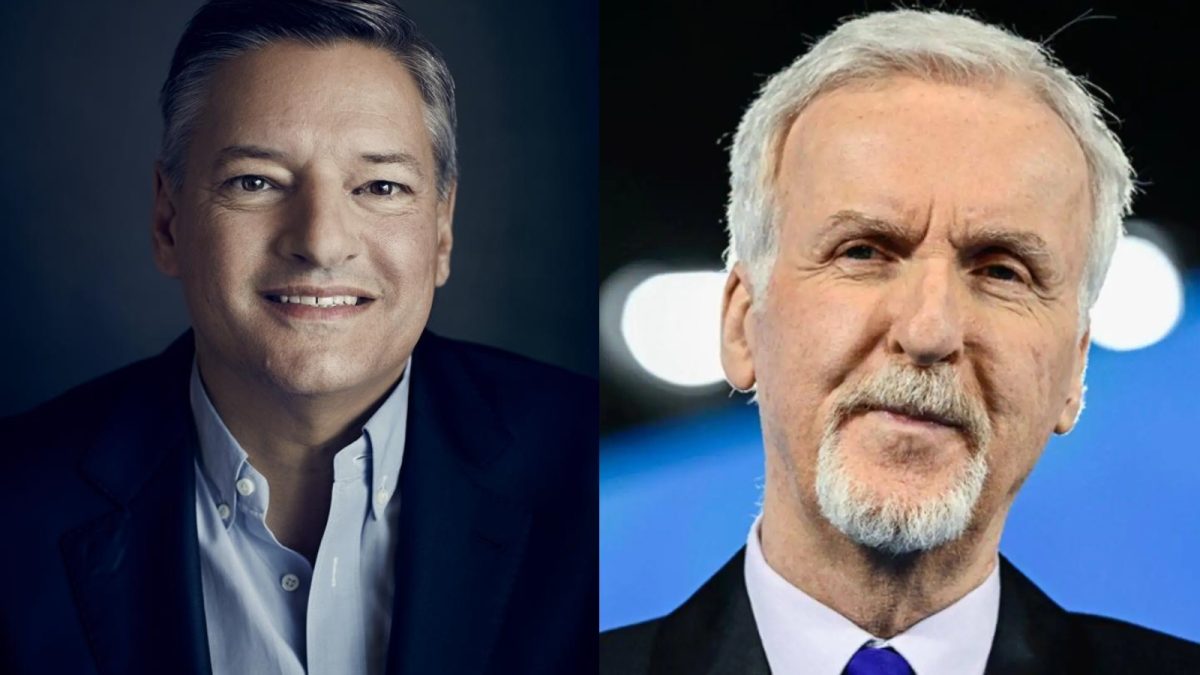
The debate has drawn attention from various Hollywood elites and California political leaders, many of whom have voiced opinions on the potential consequences of the acquisition. While some support Netflix’s vision for innovation and growth, others worry about the long-term effects on the film industry’s ecosystem.
This public discourse is essential as regulators and stakeholders evaluate the deal’s impact on competition, consumer choice, and creative opportunities.
Conclusion
The ongoing dispute between Netflix co-CEO Ted Sarandos and director James Cameron over the Warner Bros. acquisition highlights the complexities of merging traditional film production with modern streaming strategies. While Netflix insists on its commitment to theatrical releases and job preservation, critics remain cautious about the potential risks.
For those interested in the future of entertainment and media mergers, staying informed about developments in this high-profile acquisition is crucial.
If you want to keep up with the latest news on streaming services, Hollywood industry trends, and major media deals, subscribe to our newsletter today and never miss an update!