
Judge Rejects Trump DOJ Bid to Charge Don Lemon Over Minnesota Church Storming
Federal Judge Denies DOJ’s Attempt to Charge Don Lemon in Church Protest
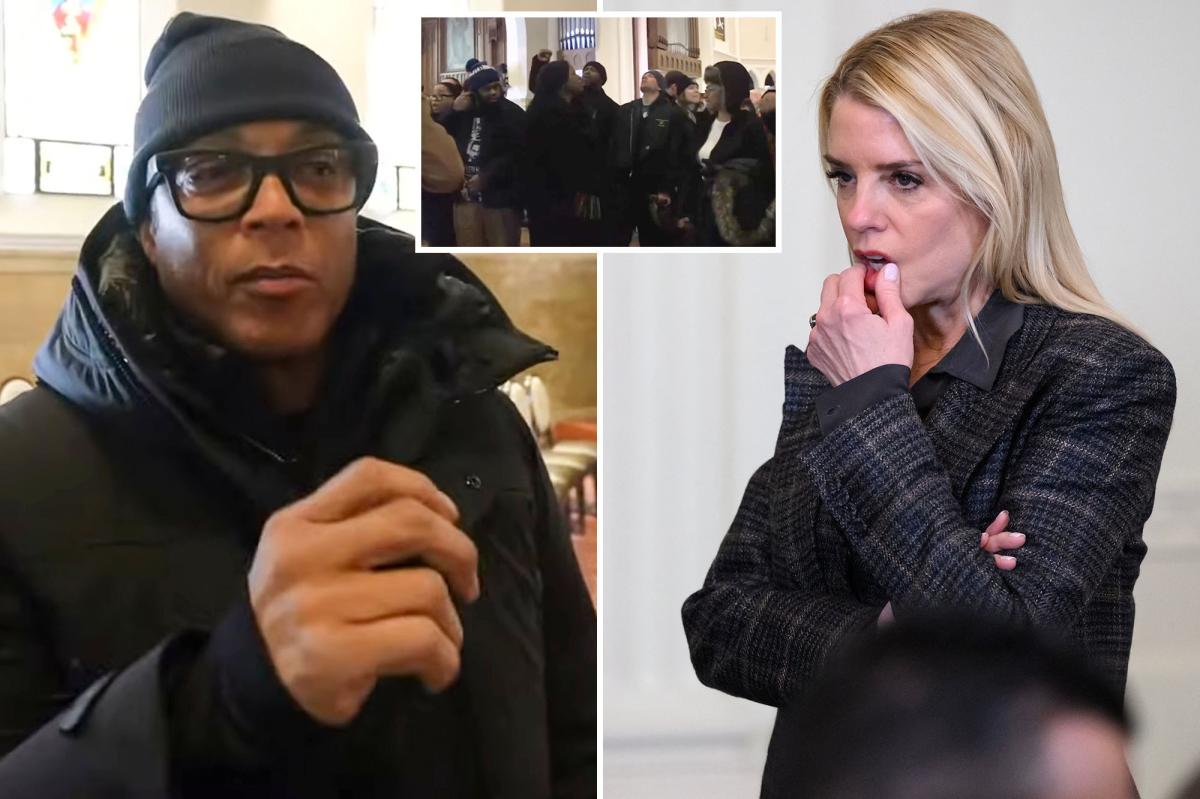
In a significant legal development, a federal magistrate judge in Minnesota has declined the Justice Department’s request to charge Don Lemon, the former CNN anchor, over his participation in the storming of a church service in St. Paul. The incident, which occurred during a Sunday worship at Cities Church, involved a group of anti-ICE activists disrupting the service, drawing national attention and sparking heated debates over civil rights and protest boundaries.
Don Lemon, 59, was among dozens of demonstrators who entered the church, which is affiliated with the Baptist tradition, to protest against immigration enforcement policies. The church was targeted partly because one of its pastors, David Easterwood, reportedly serves as an acting field director for ICE in Minnesota. Lemon’s presence and active role in the protest were documented through videos he posted, showing him as a vocal participant and spokesperson for the activists inside the church.
Background of the Church Storming and Legal Proceedings

The protest at Cities Church was part of a broader wave of anti-ICE activism in Minnesota, where immigration enforcement has been a contentious issue. The Trump administration’s aggressive deportation policies have faced opposition from local officials, including Democratic Governor Tim Walz and Mayor Jacob Frey, as well as from immigrant rights groups.
Following the church disruption, Attorney General Pam Bondi announced the arrests of two prominent local activists, Nekima Levy Armstrong and Chauntyll Louisa Allen, who face conspiracy charges related to intimidating individuals exercising their constitutional rights. The Justice Department sought to extend charges to Don Lemon, accusing him of conspiring to violate civil rights under the 1871 Klan Act, a law designed to protect citizens from interference in civic activities like worship and voting.
However, the federal magistrate judge rejected the DOJ’s bid to charge Lemon, a decision that reportedly enraged Attorney General Bondi, who planned to travel to Minnesota to address the situation personally. Lemon had argued that his participation was part of journalistic activity, a defense that Assistant Attorney General for Civil Rights Harmeet Dhillon highlighted during a podcast interview.
Constitutional Rights and the Clash at Cities Church
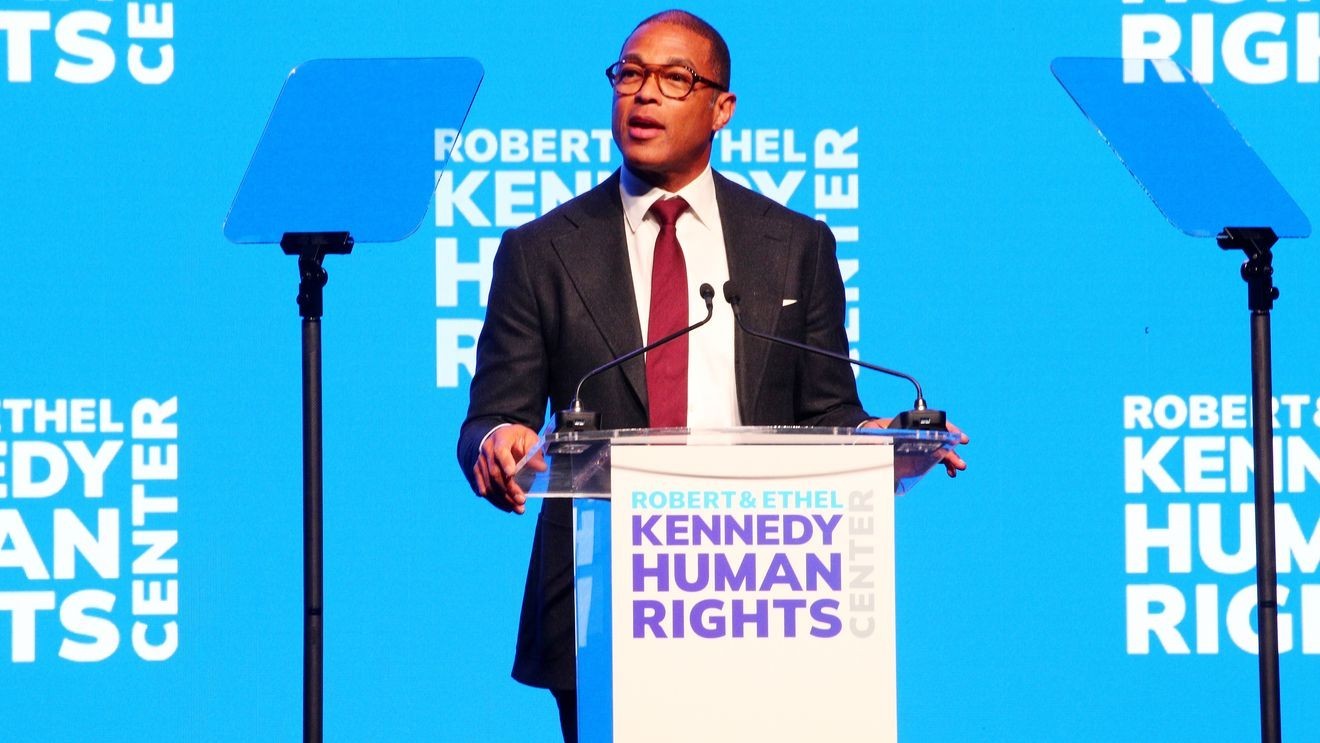
The confrontation inside the church underscored the complex balance between the right to protest and the right to religious worship. During the incident, Lemon engaged in a tense exchange with lead pastor Jonathan Parnell, who condemned the disruption as “unacceptable” and “shameful.” Parnell emphasized the church’s mission to worship Jesus and expressed concern over the interruption of a sacred gathering.
Lemon countered by invoking the First Amendment, asserting the protesters’ rights to free speech and assembly. The dialogue revealed deep divisions over how constitutional protections apply in situations where activism intersects with religious practices. The pastor requested that the protesters leave unless they intended to worship, highlighting the church’s desire to maintain its spiritual focus amid political demonstrations.
Implications of the Judge’s Decision on Future Protests and Legal Actions

The judge’s refusal to authorize charges against Don Lemon sets a notable precedent in the ongoing debate over protest rights and government enforcement actions. It raises questions about how far authorities can go in prosecuting individuals involved in politically charged demonstrations, especially when claims of journalistic activity and constitutional protections are involved.
This ruling may influence how future cases related to protests, particularly those targeting immigration policies, are handled in courts. It also reflects the heightened political tensions in Minnesota, where federal efforts to crack down on undocumented immigrants have met with strong local resistance and public outcry.
Context of Immigration Enforcement and Community Response
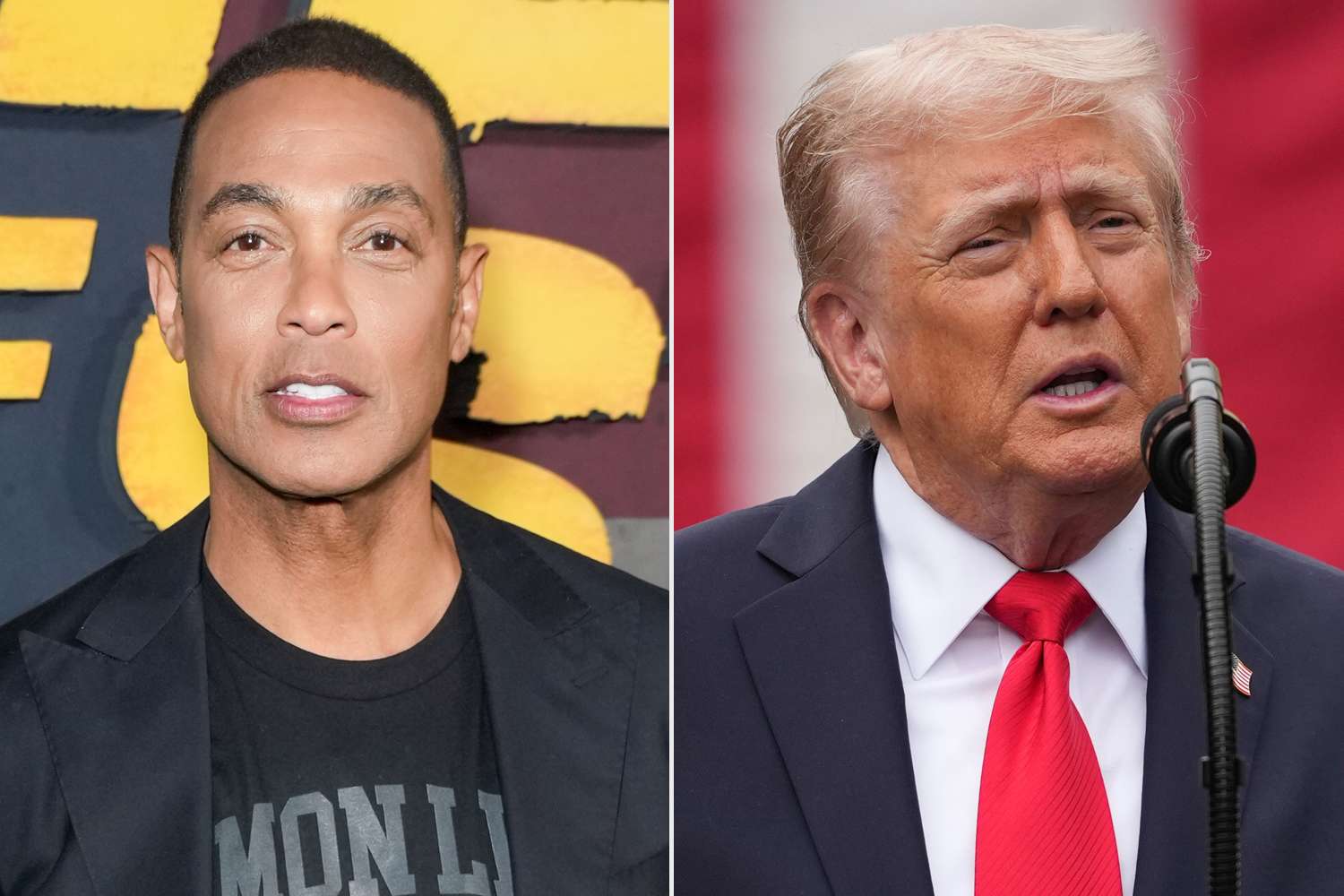
Minnesota has been a focal point for immigration enforcement under the Trump administration, with increased deportation efforts sparking protests and community mobilization. The fatal shooting of anti-deportation activist Renee Good earlier in January intensified the atmosphere, leading to more vocal demonstrations against ICE operations.
President Trump and Vice President JD Vance have publicly supported aggressive law enforcement measures in the state, emphasizing the removal of individuals deemed serious public safety threats. Meanwhile, local leaders and activists continue to challenge these policies, advocating for immigrant rights and criticizing federal interventions.
Don Lemon’s Role and Public Reaction
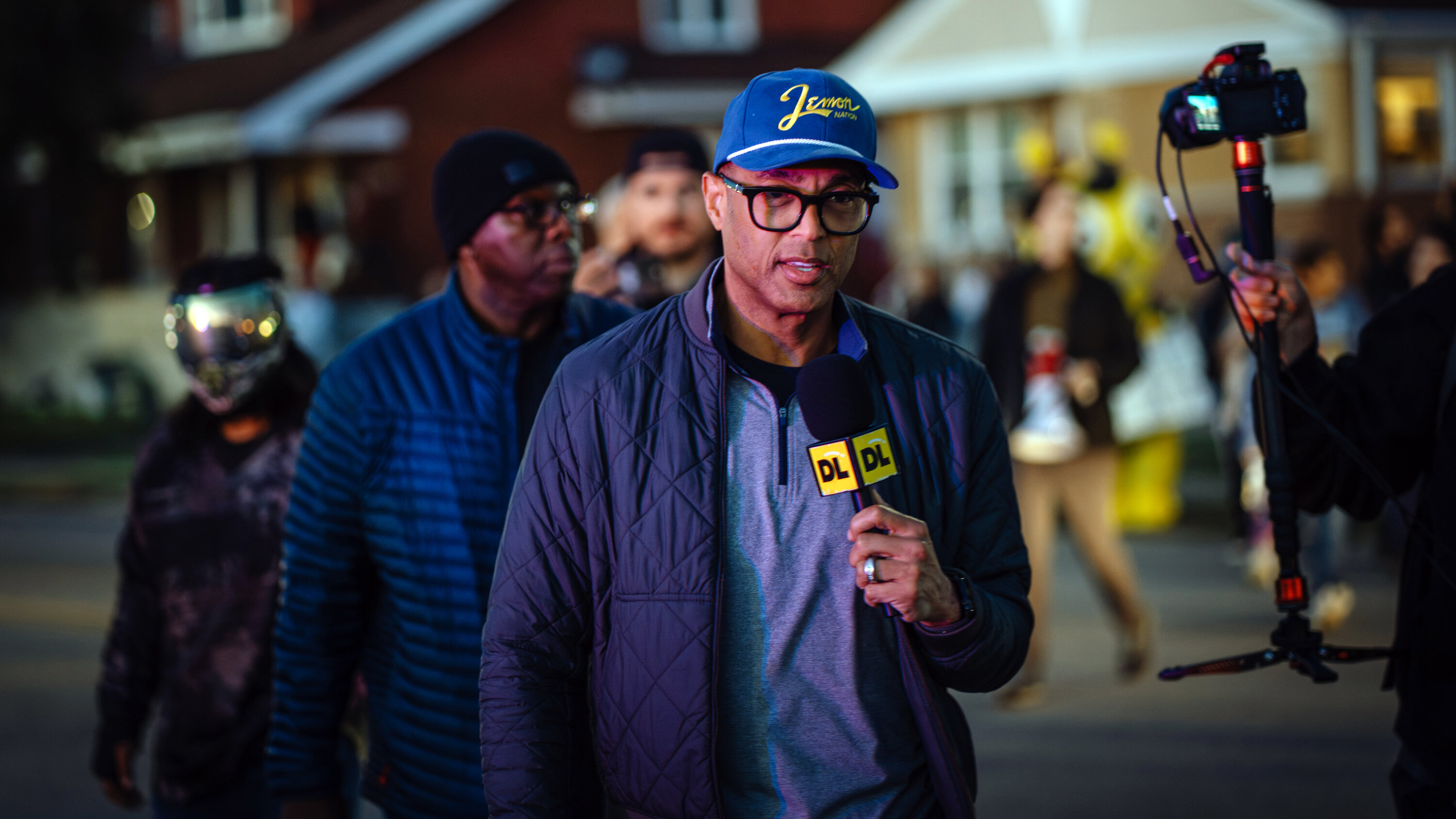
Don Lemon’s involvement in the protest and the subsequent legal battle have drawn mixed reactions. Supporters view his participation as an exercise of free speech and journalistic duty to highlight social issues. Critics argue that his actions crossed the line into unlawful disruption, particularly given the sensitive nature of a religious service.
The controversy has fueled broader discussions about media figures engaging directly in activism and the legal boundaries surrounding such involvement. Lemon’s case exemplifies the complexities faced by public personalities who navigate both journalism and political advocacy.
Conclusion
The federal magistrate judge’s decision to reject the Trump DOJ’s bid to charge Don Lemon over the Minnesota church storming marks a pivotal moment in the intersection of protest rights, religious freedom, and immigration enforcement. As tensions remain high in Minnesota and across the nation, this ruling underscores the ongoing challenges in balancing constitutional protections with law enforcement priorities.
For those interested in staying informed about legal developments and civil rights issues related to protests and immigration policies, it is essential to follow credible news sources and engage in community discussions. Stay updated and make your voice heard on matters that shape the future of justice and civil liberties.
Call to Action: To learn more about your rights during protests and how legal decisions impact civil liberties, subscribe to our newsletter and join the conversation today.