Epstein Email Shows Feds Tried to Contact 10 ‘Co-Conspirators’ — Including Billionaire Retail Magnate Behind Victoria’s Secret
Federal Efforts to Reach Epstein’s Alleged Co-Conspirators
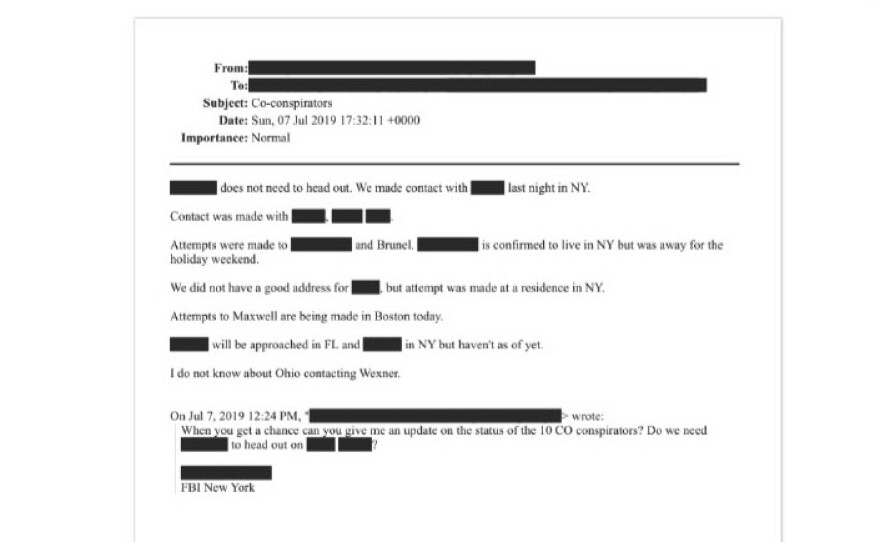
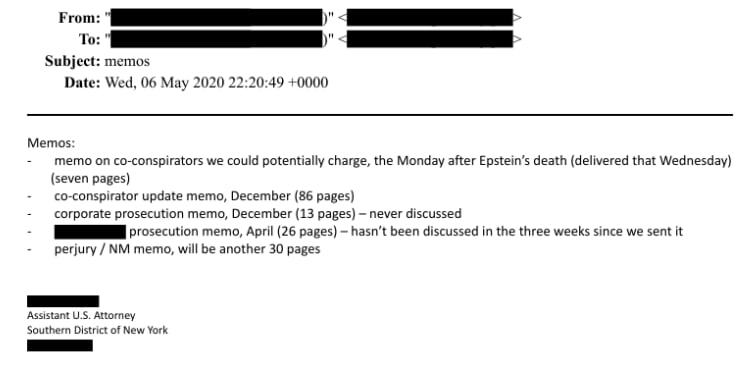
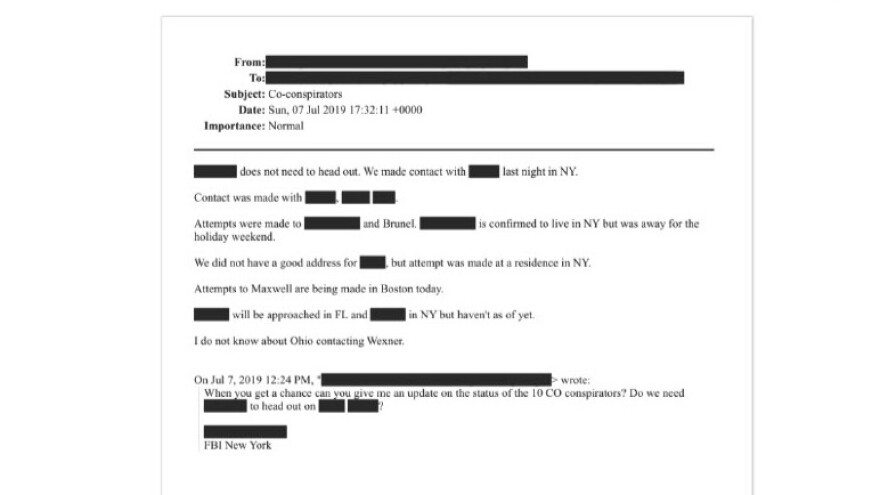
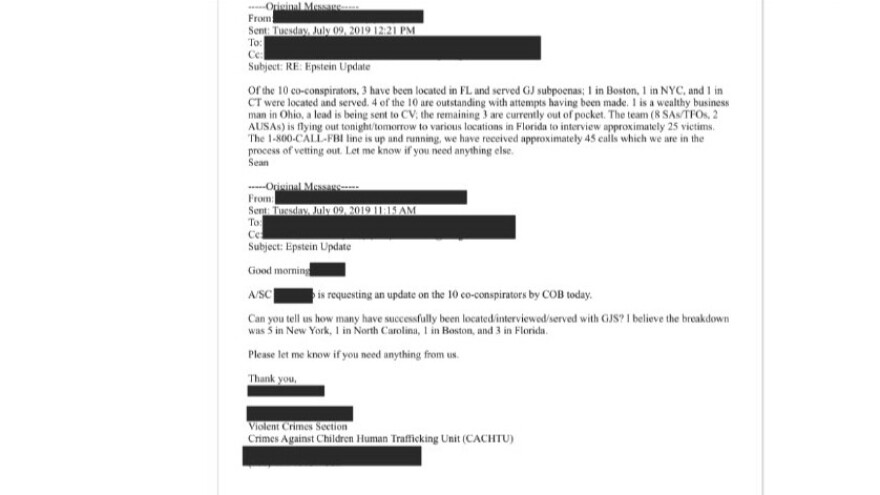
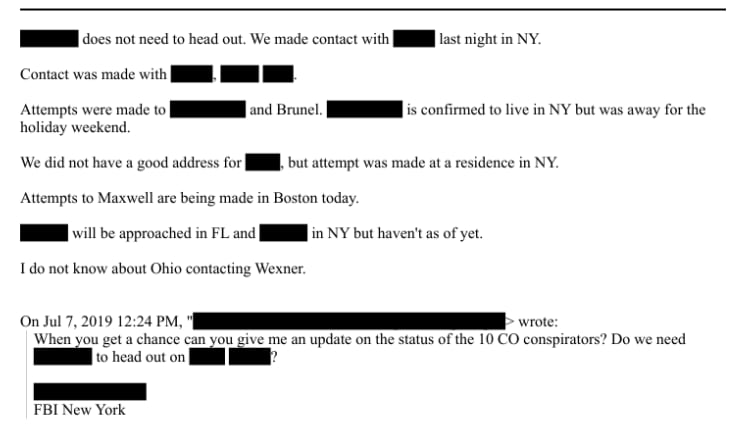
In a recent release of documents related to the Jeffrey Epstein investigation, a heavily redacted email dated July 7, 2019, has come to light, showing that federal agents were actively trying to contact 10 individuals described as Epstein’s “co-conspirators.” This outreach occurred just one day after Epstein’s arrest on sex trafficking charges, highlighting the urgency and scope of the federal inquiry into his network.
Among the 10 alleged co-conspirators mentioned, only three are identified by name in the email: Ghislaine Maxwell, Jean-Luc Brunel, and Leslie Wexner. The email itself is heavily censored, but the response included in the documents carries the signature “FBI New York,” confirming the involvement of federal law enforcement agencies.
Who Are the Named Individuals?
Ghislaine Maxwell is the most well-known figure among those named. She was convicted and is currently serving a 20-year prison sentence for her role in Epstein’s sex trafficking operations. Maxwell’s involvement has been extensively documented, and her conviction marked a significant milestone in holding Epstein’s associates accountable.
Jean-Luc Brunel, a French modeling agent accused of procuring girls for Epstein, was found dead in his Paris prison cell in 2022. His death closed a chapter on one of the key figures linked to Epstein’s alleged trafficking ring.
Leslie Wexner, the billionaire retail magnate behind brands such as Victoria’s Secret, The Limited, and Abercrombie & Fitch, also appears in the email. Epstein managed Wexner’s finances until 2007, when Wexner severed ties following Epstein’s indictment in Florida on sex trafficking charges. Despite his connection to Epstein, Wexner’s legal representatives have stated that he is neither a target of the federal investigation nor considered a co-conspirator. According to his lawyer, Wexner only provided background information to prosecutors and was not contacted further.
Victoria’s Secret, responding to inquiries, confirmed that Wexner no longer has any business ties to the brand.
Calls for Transparency and Accountability
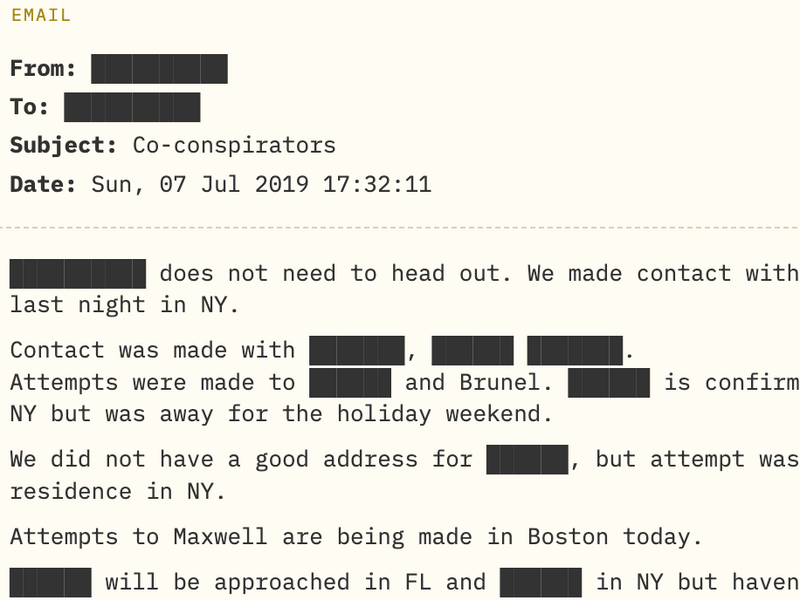
The revelation of this email has intensified demands from lawmakers and the public for greater transparency regarding Epstein’s network. Democratic Senate Leader Chuck Schumer publicly urged the Department of Justice (DOJ) to disclose more details about the identities and involvement of the alleged co-conspirators.
“Buried in the Epstein files is an email disclosing the Department of Justice was looking into at least 10 possible Jeffrey Epstein co-conspirators,” Schumer said. “The Department of Justice needs to shed more light on who was on the list, how they were involved, and why they chose not to prosecute.”
Schumer’s statement reflects a broader frustration with the DOJ’s handling of the case, particularly regarding the extensive redactions in the released documents. Critics argue that these redactions protect powerful individuals who may have been involved in or aware of Epstein’s criminal activities.
Representative Ro Khanna (D-Calif.) emphasized the importance of revealing the identities of other men named by survivors who either abused them, visited Epstein’s private island, or covered up the abuse. “What the American people want to know is: Who are these other powerful financiers and politicians who trafficked these women, or abused these women as girls or covered it up?” Khanna said.
On the Republican side, Representative Thomas Massie (R-Ky.), a lead cosponsor of the Epstein Files Transparency Act, echoed calls for full disclosure. Massie accused the DOJ of violating the law by withholding names and vowed to pursue all options to compel the release of these identities. He also claimed that the FBI knows of at least 20 powerful men implicated in the case, though only one name, Barclays CEO Jes Staley, has been publicly confirmed. Staley resigned shortly after the investigation into his connections with Epstein became known.
The Epstein Files Transparency Act and Its Impact
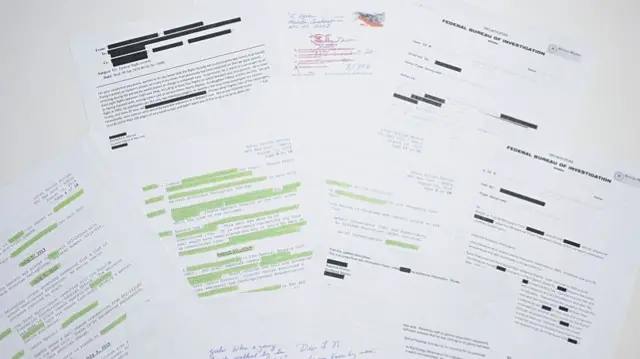
The Epstein Files Transparency Act, sponsored by members of Congress from both parties, was instrumental in forcing the DOJ to release thousands of pages of documents related to Epstein’s case. However, many of these documents remain heavily redacted, limiting public insight into the full extent of Epstein’s network.
Attorney General Pam Bondi has faced criticism for allegedly protecting “powerful” men by redacting key information. Survivors and advocates argue that full transparency is essential for justice and to prevent future abuses.
The ongoing debate underscores the tension between protecting legal privacy and ensuring accountability for crimes involving influential figures. As more documents are released, the public and lawmakers alike continue to push for clarity on who else may have been involved in Epstein’s illicit activities.
Conclusion
The newly uncovered email revealing federal attempts to contact 10 alleged Jeffrey Epstein co-conspirators, including Leslie Wexner, shines a spotlight on the complex web surrounding Epstein’s criminal enterprise. While some named individuals have faced justice, many questions remain unanswered due to heavy redactions and limited disclosures from the Department of Justice.
As calls for transparency grow louder, it is crucial for the DOJ to provide clear information about the identities and roles of these co-conspirators. Only through full accountability can survivors find closure and the public regain trust in the justice system.
Stay informed about the latest developments in the Epstein case and related investigations by subscribing to our newsletter. Your awareness helps support the demand for justice and transparency.