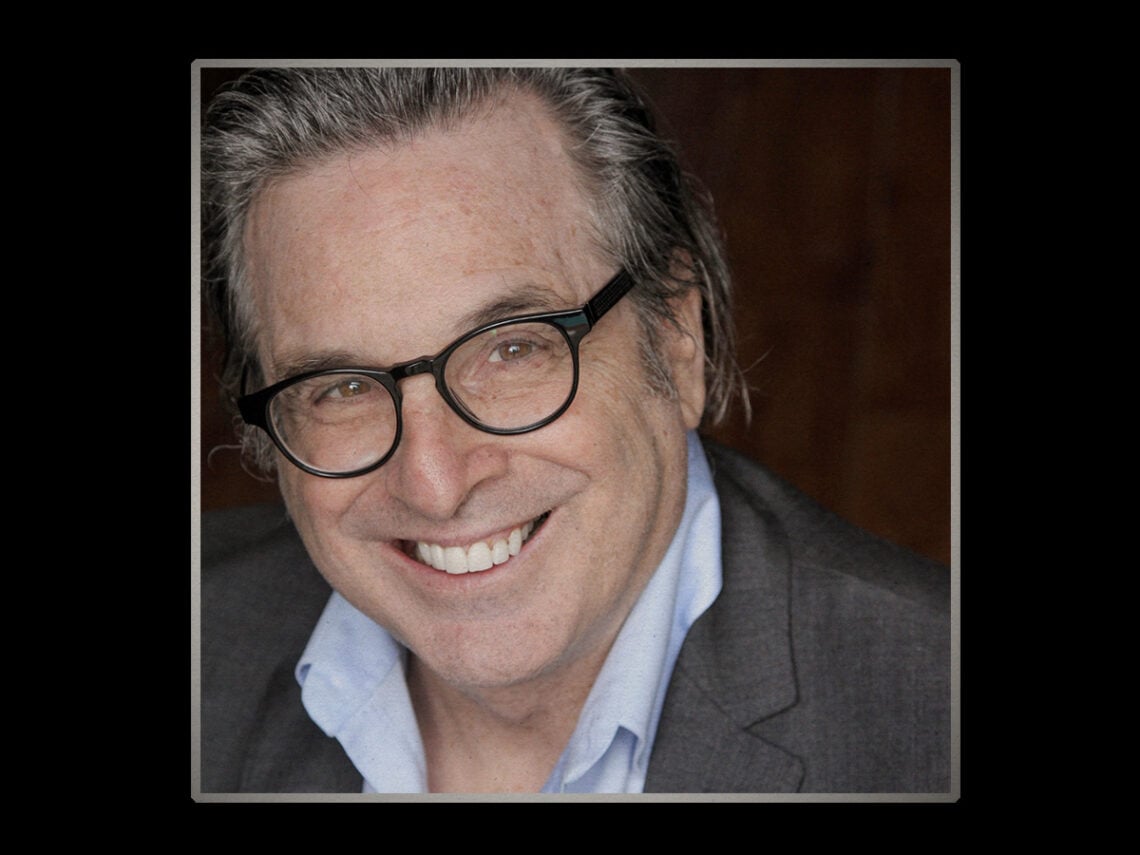

How did Robert Carradine die? Disney star battled this disorder
Understanding Robert Carradine’s Battle with Bipolar Disorder
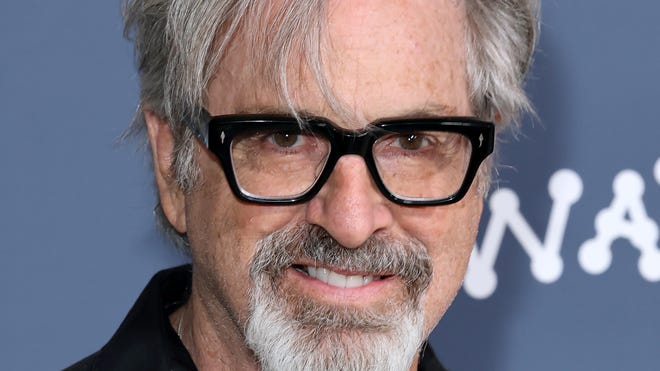
Robert Carradine, a cherished actor best known for his roles in the Disney Channel hit “Lizzie McGuire” and the cult classic “Revenge of the Nerds,” passed away at the age of 71. His death was confirmed as a suicide, a heartbreaking conclusion to nearly two decades of fighting bipolar disorder. Carradine’s family, including his brother Keith Carradine, publicly acknowledged his courageous struggle with this mental health condition, hoping to reduce the stigma surrounding it.
Bipolar disorder, once known as manic depression, is a complex mental illness characterized by significant mood swings that include emotional highs (mania or hypomania) and lows (depression). According to the National Institute of Mental Health (NIMH), approximately 4.4% of U.S. adults experience bipolar disorder at some point in their lives, which equates to roughly 11.3 million people. This illness affects individuals regardless of their background, including many celebrities who have openly shared their experiences to raise awareness.
The Types and Symptoms of Bipolar Disorder

There are three primary types of bipolar disorder: Bipolar I, Bipolar II, and Cyclothymic disorder. Each type varies in severity and symptom patterns:
– Bipolar I Disorder: Characterized by manic episodes lasting at least one week, often accompanied by depressive episodes. Manic phases can involve extreme energy, euphoria, or irritability.
– Bipolar II Disorder: Involves a pattern of depressive episodes and hypomanic episodes, which are less severe than full manic episodes.
– Cyclothymic Disorder: A milder form marked by chronic fluctuating moods involving periods of hypomanic and depressive symptoms lasting for at least two years.
Symptoms of bipolar disorder can disrupt daily life, affecting mood, energy, activity levels, and concentration. The unpredictable shifts can be challenging not only for those diagnosed but also for their families and friends.
The Causes and Risk Factors Behind Bipolar Disorder

The exact cause of bipolar disorder remains unknown, but research indicates it results from a combination of genetic and environmental factors. Psychiatrist Dr. Robert Beech from Yale School of Medicine explains that chemical imbalances in the brain and a family history of the disorder can increase susceptibility. Environmental influences such as childhood trauma, substance abuse, chronic stress, and even changes in climate may trigger or exacerbate symptoms.
For Robert Carradine, the battle was long and difficult. His family’s openness about his condition has helped shed light on the realities of living with bipolar disorder, encouraging others to seek help and fostering greater understanding.
Famous Figures Who Have Spoken Out About Bipolar Disorder

Several high-profile celebrities have publicly shared their experiences with bipolar disorder, helping to destigmatize mental illness. Among them are:
– Carrie Fisher, the iconic “Star Wars” actress, who was candid about her struggles.
– Kanye West, the influential rapper and producer, who has discussed his diagnosis.
– Selena Gomez, Disney alumna, who has opened up about her mental health journey.
– Halsey, the pop singer, who has used her platform to advocate for mental health awareness.
These stories, alongside Robert Carradine’s, highlight that bipolar disorder affects people from all walks of life and that seeking treatment is vital.
How Did Robert Carradine Die? The Final Chapter
Robert Carradine’s death was ruled a suicide, a tragic outcome linked to his prolonged battle with bipolar disorder. His brother Keith’s statement emphasized the importance of recognizing mental illness and addressing the stigma that often prevents people from getting help. The Carradine family’s message serves as a reminder of the critical need for compassion, support, and mental health education.
If you or someone you know is struggling with bipolar disorder or suicidal thoughts, it is essential to reach out for professional help. Various treatments, including mood stabilizers, therapy, and lifestyle adjustments, can significantly improve quality of life.
Resources and Support for Those Affected

Mental health resources are available 24/7 for individuals in crisis. Some key options include:
– Calling the Suicide & Crisis Lifeline at 988 for immediate assistance.
– Using the Crisis Text Line by texting 741741 for confidential support.
– Seeking therapy and psychiatric care to manage bipolar disorder symptoms effectively.
Early intervention and ongoing support can make a profound difference in managing this disorder.
Conclusion

Robert Carradine’s passing is a poignant reminder of the challenges faced by those living with bipolar disorder. His legacy encourages us to foster open conversations about mental health and to support those in need without judgment. If you or a loved one are experiencing symptoms of bipolar disorder or struggling with suicidal thoughts, please seek professional help immediately. Together, we can break the stigma and promote healing.
For more information on mental health and resources available, stay connected with our updates and share this article to raise awareness.