EXCLUSIVE: How Robin Williams’ Mental Crisis Was ‘Hiding in Plain Sight’ Before He Took His Own Life — ‘Why Did No One Step in and Save Him?’
Robin Williams’ Hidden Mental Health Crisis: A Tragic Story of Overlooked Signs
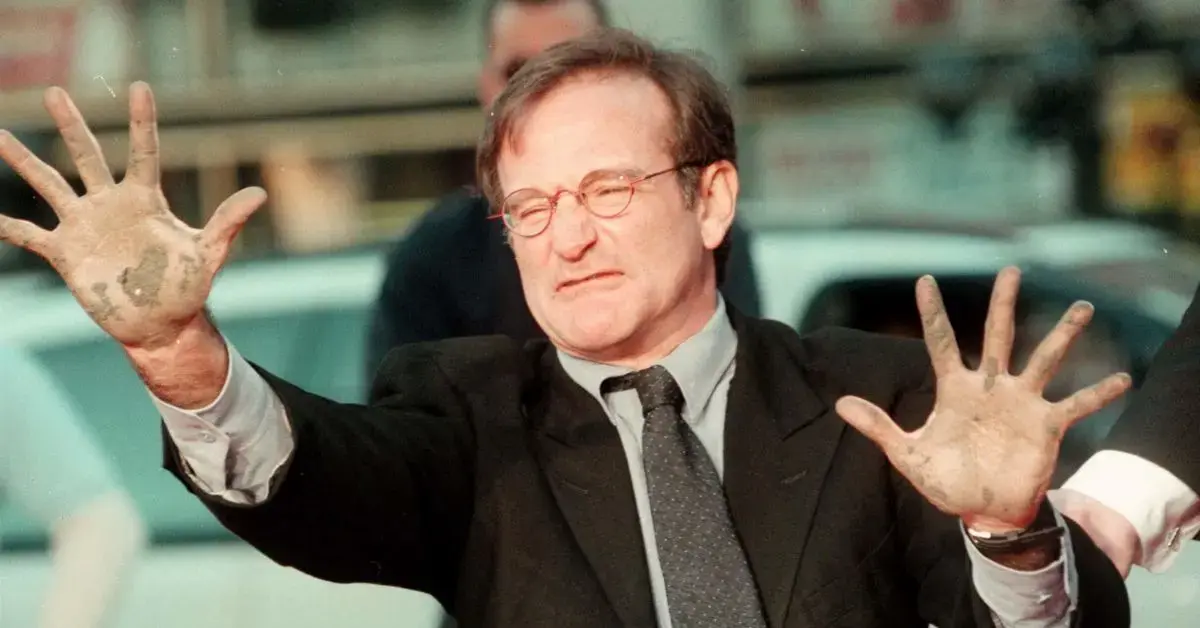
Robin Williams, the beloved comedian and actor, was known worldwide for his infectious energy, quick wit, and emotional depth. Yet behind the laughter and charisma, a profound mental health crisis was quietly unfolding—one that many now say was hiding in plain sight. Williams’ tragic suicide in 2014 shocked fans and colleagues alike, raising painful questions about why no one intervened to help him during his darkest moments.
Despite his public persona of unstoppable brilliance, those who worked closely with Williams observed signs of deep vulnerability and inner turmoil. His struggles with depression and substance abuse were well-known, but what remained largely hidden was the severity of his neurological condition and the emotional weight he carried daily. This article delves into how Robin Williams’ mental health crisis was visible yet overlooked, the impact of his misdiagnosis, and the broader implications for mental health awareness in high-pressure industries like Hollywood.
The Cost of Charisma: When Brilliance Masks Pain
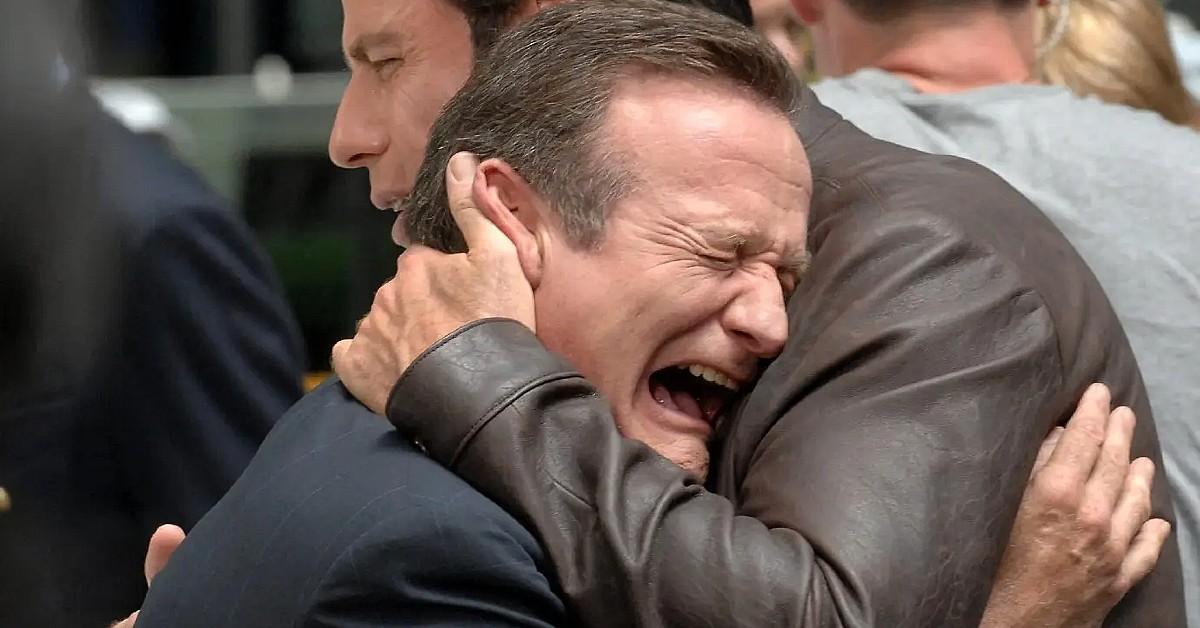
Robin Williams’ career was marked by an extraordinary ability to captivate audiences with his manic energy and improvisational genius. However, those who knew him personally describe a man carrying a heavy emotional burden beneath his vibrant exterior. Ethan Hawke, who co-starred with Williams in the 1989 film Dead Poets Society, recently reflected on the complexity of Williams’ emotional life during an interview on CBS Sunday Morning.
Hawke shared, “Even at 18, I was aware of the complexity of his emotional life. I’ve had a lot of depression in my family, and it was obvious to me that all that power and charisma came at a certain cost. He was a deeply sensitive person, highly attuned to the energy of a room.” This sensitivity, while fueling his extraordinary performances, also made Williams vulnerable to emotional exhaustion.
A Hollywood insider echoed this sentiment, revealing that the signs of Williams’ internal struggle were far from subtle. “Robin carried a heaviness even when he was making everyone laugh. It was right there, but people were too dazzled to really see it,” the source said. This “heaviness” was a silent cry for help that went largely unanswered.
Moments of Isolation: The Reality Behind the Spotlight
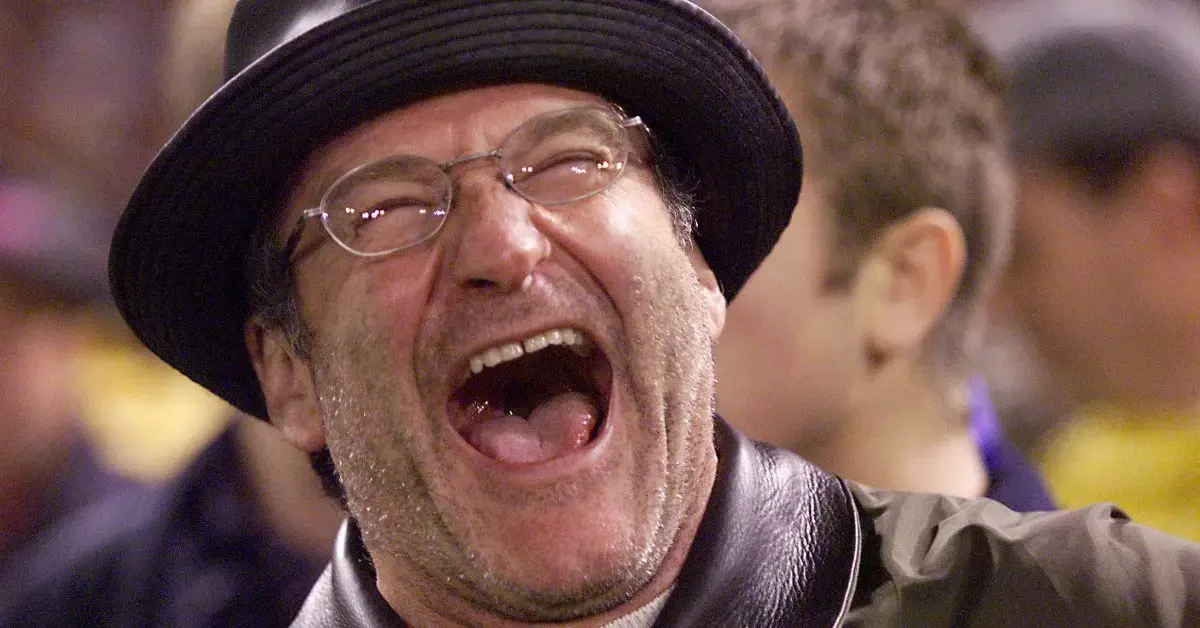
One poignant memory shared by Ethan Hawke highlights the stark contrast between Williams’ public persona and private pain. During a break on the set of Dead Poets Society, Hawke noticed Williams retreating to a dark corner, away from the laughter and applause. “He was hiding in the dark, by himself,” Hawke recalled. “It makes a lot more sense to me now. It was taxing.”
This moment of isolation was not an isolated incident. Sources close to Williams’ later projects describe a pattern of sudden bursts of energy followed by withdrawal and solitude. “Robin would burst with energy one minute and vanish the next. Looking back, it feels like a cry that no one answered,” one insider said. These behaviors reflected the internal battles Williams faced daily, battles that were invisible to most but painfully real to those who looked closely.
The Impact of Misdiagnosis and the Final Struggle
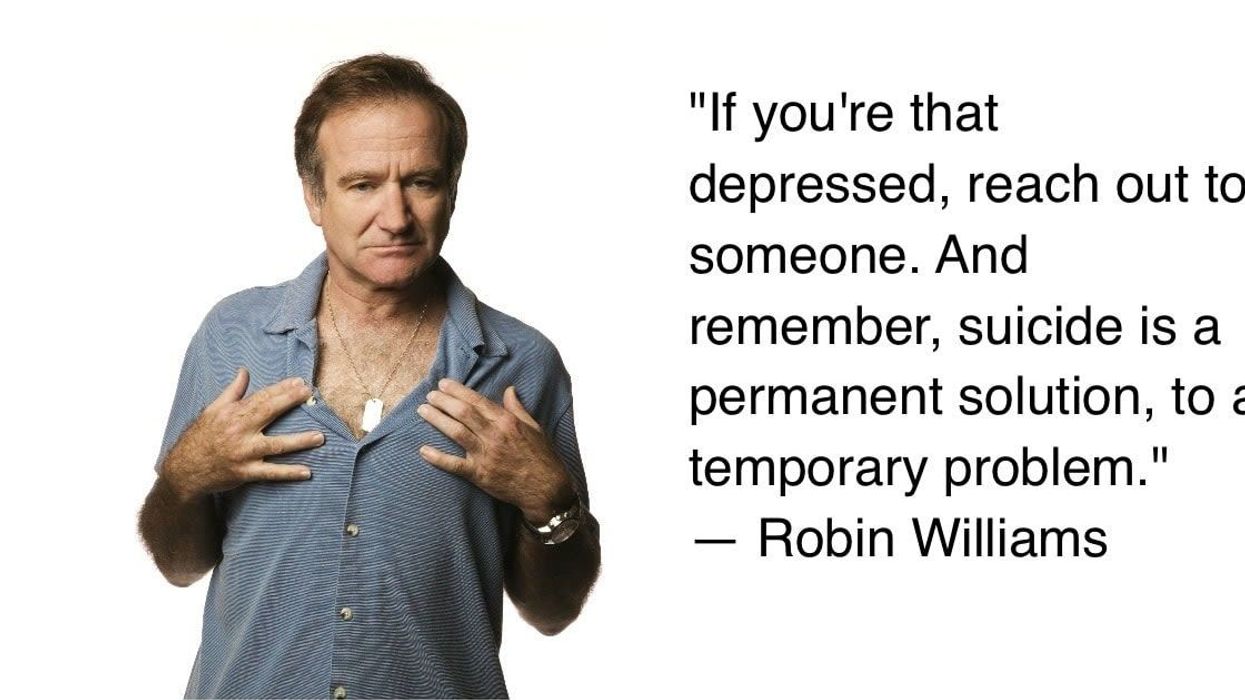
Williams’ mental health challenges were compounded by a devastating misdiagnosis. Initially diagnosed with Parkinson’s disease, Williams was later found to be suffering from Diffuse Lewy Body Dementia (LBD), a severe and progressive neurological disorder. LBD causes symptoms such as intense anxiety, paranoia, hallucinations, and rapid cognitive decline—all of which Williams experienced in his final year.
This misdiagnosis added to the confusion and fear Williams faced, exacerbating his mental health crisis. The neurological disorder’s symptoms often mimic psychiatric conditions, making it difficult for even experienced doctors to identify. Unfortunately, this delay in accurate diagnosis meant Williams did not receive the specialized care he desperately needed.
Industry Failures and Missed Opportunities for Intervention
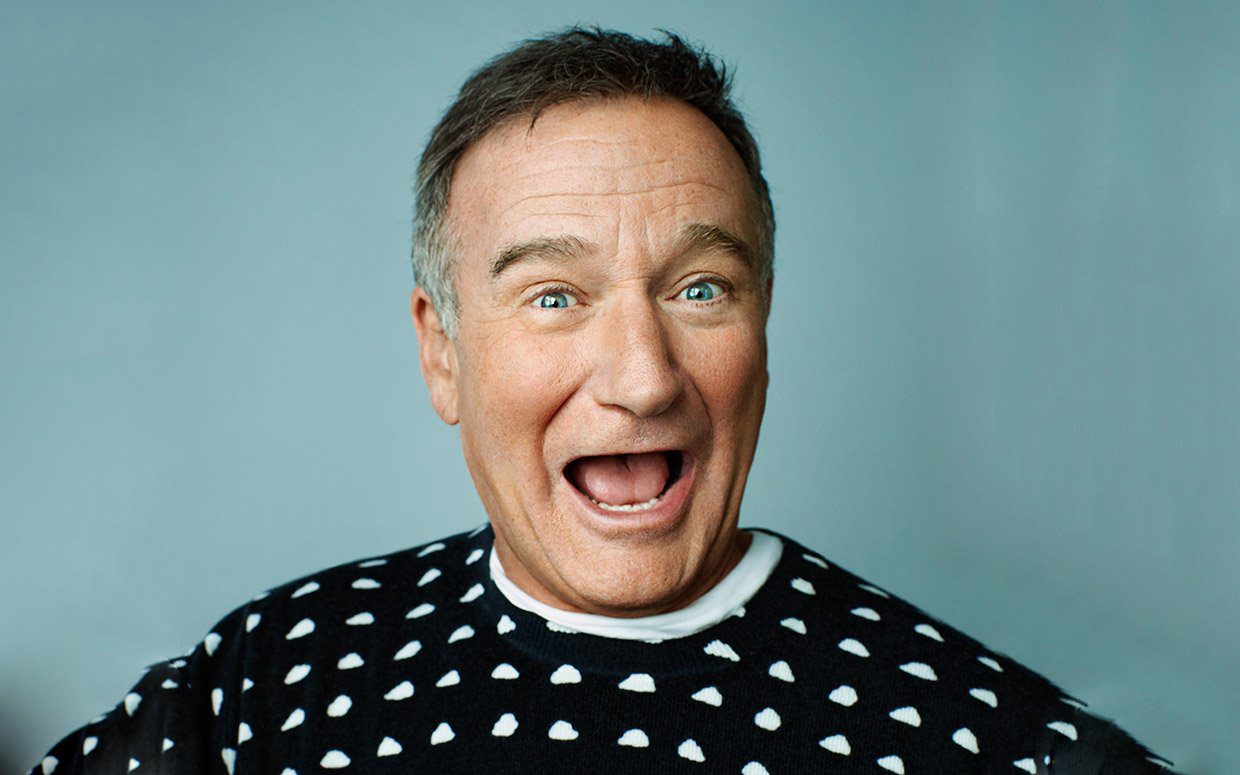
Many who knew Williams in his later years believe the entertainment industry failed to provide the support he needed. A longtime friend lamented, “There were signs everywhere. Robin was exhausted, scared, and slipping. People should have stepped in—everyone just assumed he’d push through like always.”
This assumption that Williams would “push through” his struggles reflects a broader issue in high-pressure professions where mental health is often stigmatized or ignored. The insider added, “Maybe they didn’t want to rock the boat or stop the money train by telling him to take time out and get professional help.”
Ethan Hawke, who credits Williams with helping launch his career, expressed admiration for the late actor’s resilience. “The end of his life does not define his life to me. When I watch Dead Poets Society, I think of the spirit of the man that I knew and how much he weathered that storm of his own psyche for us and for other people.”
Why Did No One Step In and Save Robin Williams?
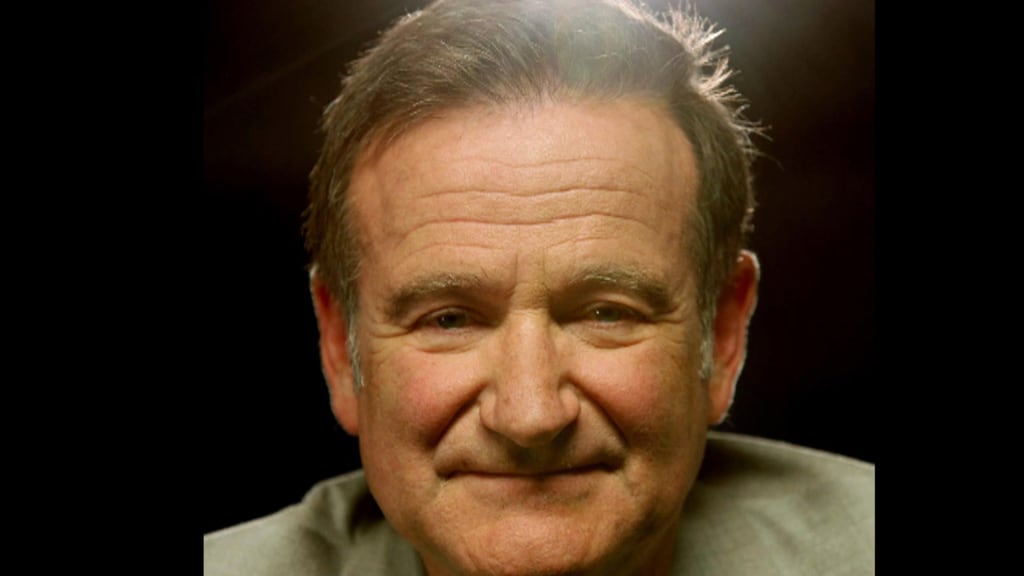
The heartbreaking question remains: why did no one step in to save Robin Williams? Despite visible signs of distress, the combination of stigma, misunderstanding, and industry pressures created an environment where Williams’ cries for help went unheard. His story underscores the urgent need for better mental health awareness, early intervention, and compassionate support systems—especially for those in the public eye.
Williams’ legacy is a powerful reminder that mental health struggles can be hidden behind even the brightest smiles and loudest laughter. Recognizing the signs and offering help can save lives. As fans and colleagues continue to mourn his loss, the hope is that his story will inspire change and greater empathy for those battling invisible battles.
Conclusion: Honoring Robin Williams by Advocating for Mental Health Awareness
Robin Williams’ tragic death revealed how mental health crises can be “hiding in plain sight,” even among the most talented and beloved individuals. His story challenges us to look beyond the surface and recognize the signs of emotional pain in ourselves and others. It also calls on industries and communities to foster environments where seeking help is encouraged and supported.
If you or someone you know is struggling with mental health, don’t wait to reach out. Early intervention can make all the difference. Let’s honor Robin Williams’ memory by promoting awareness, compassion, and action to support mental well-being for everyone.
Take the first step today—connect with mental health resources and be the support someone needs.