
Kevin Spacey Faces $100M House of Cards Lawsuit as Trial Begins Today
Kevin Spacey and the $100M House of Cards Lawsuit: What You Need to Know
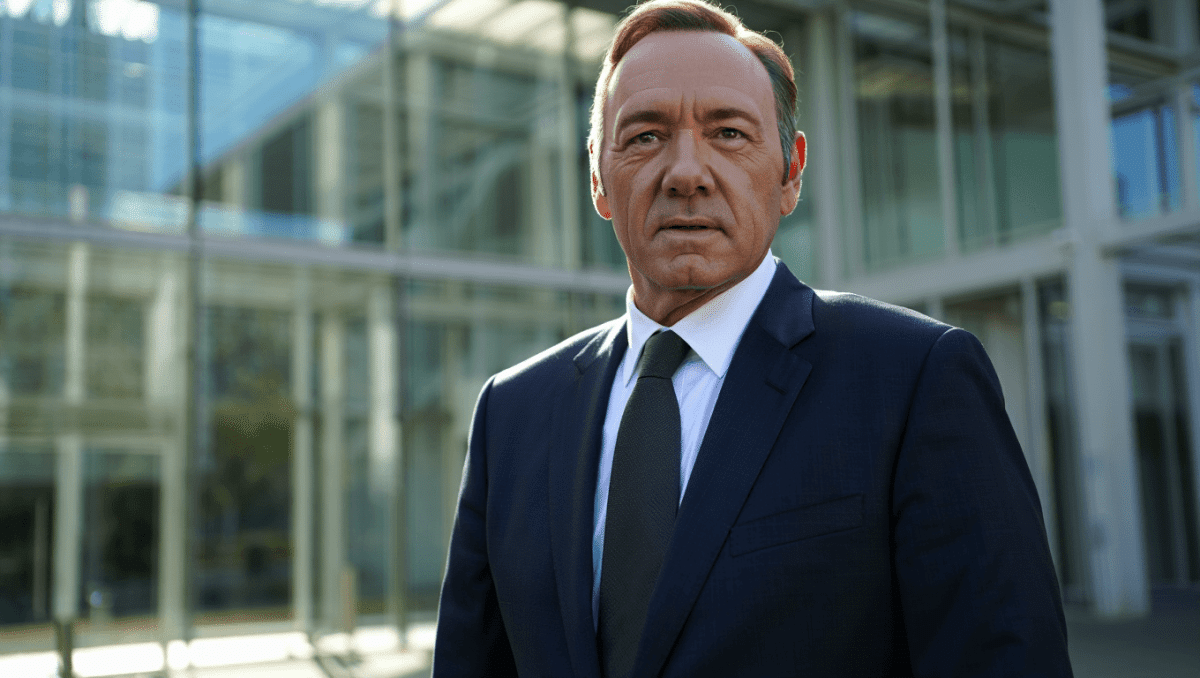
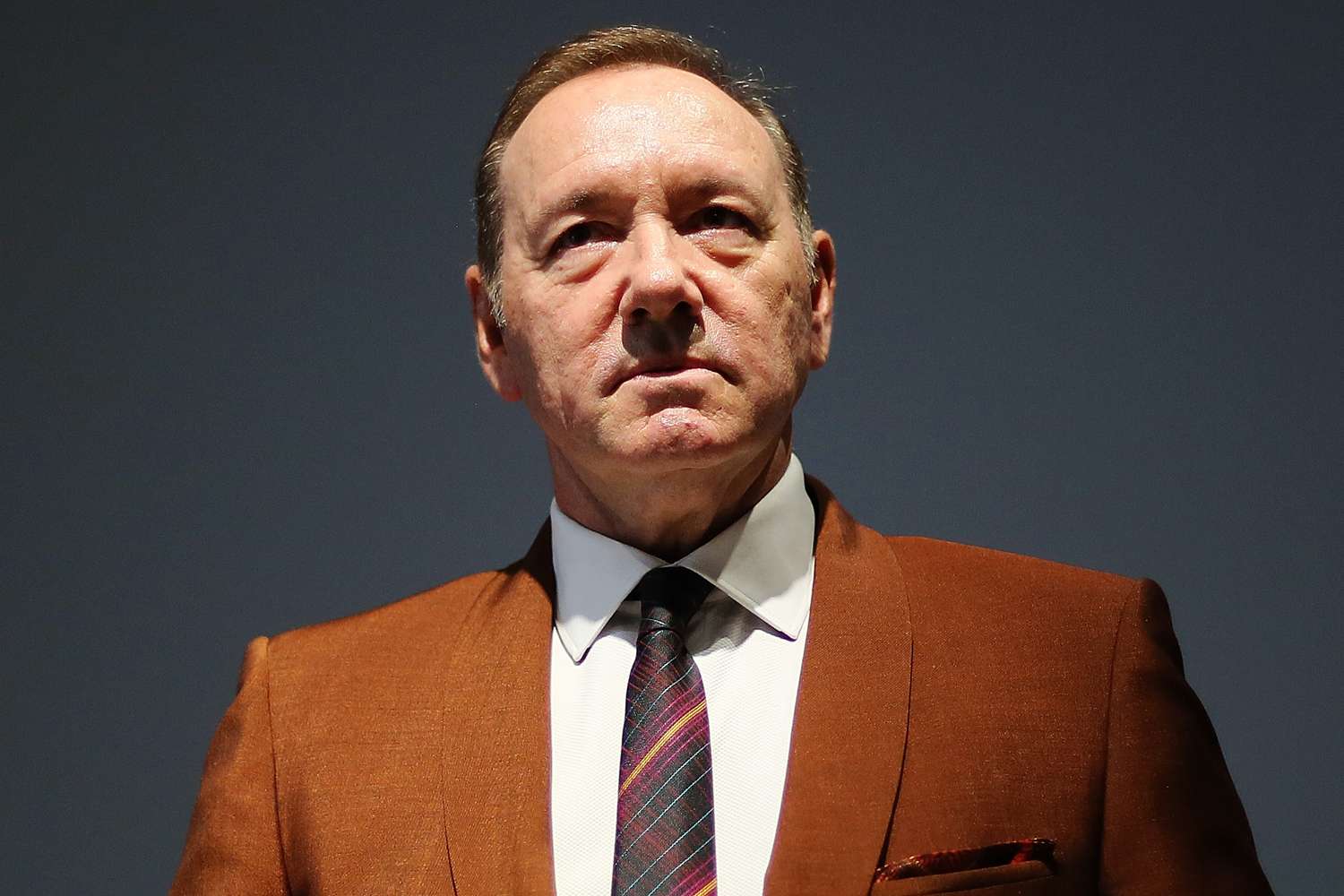
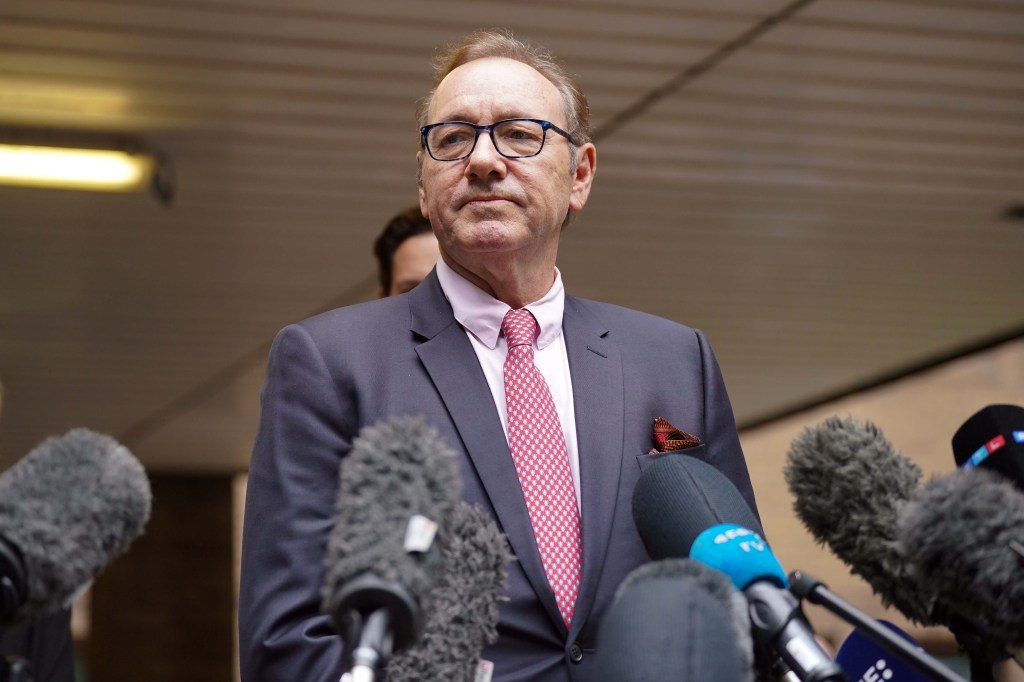
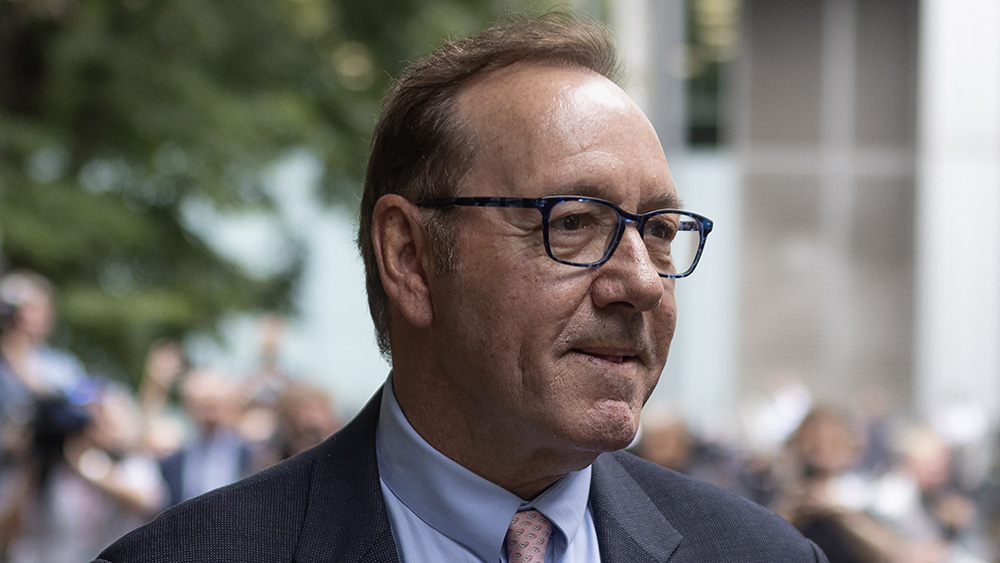
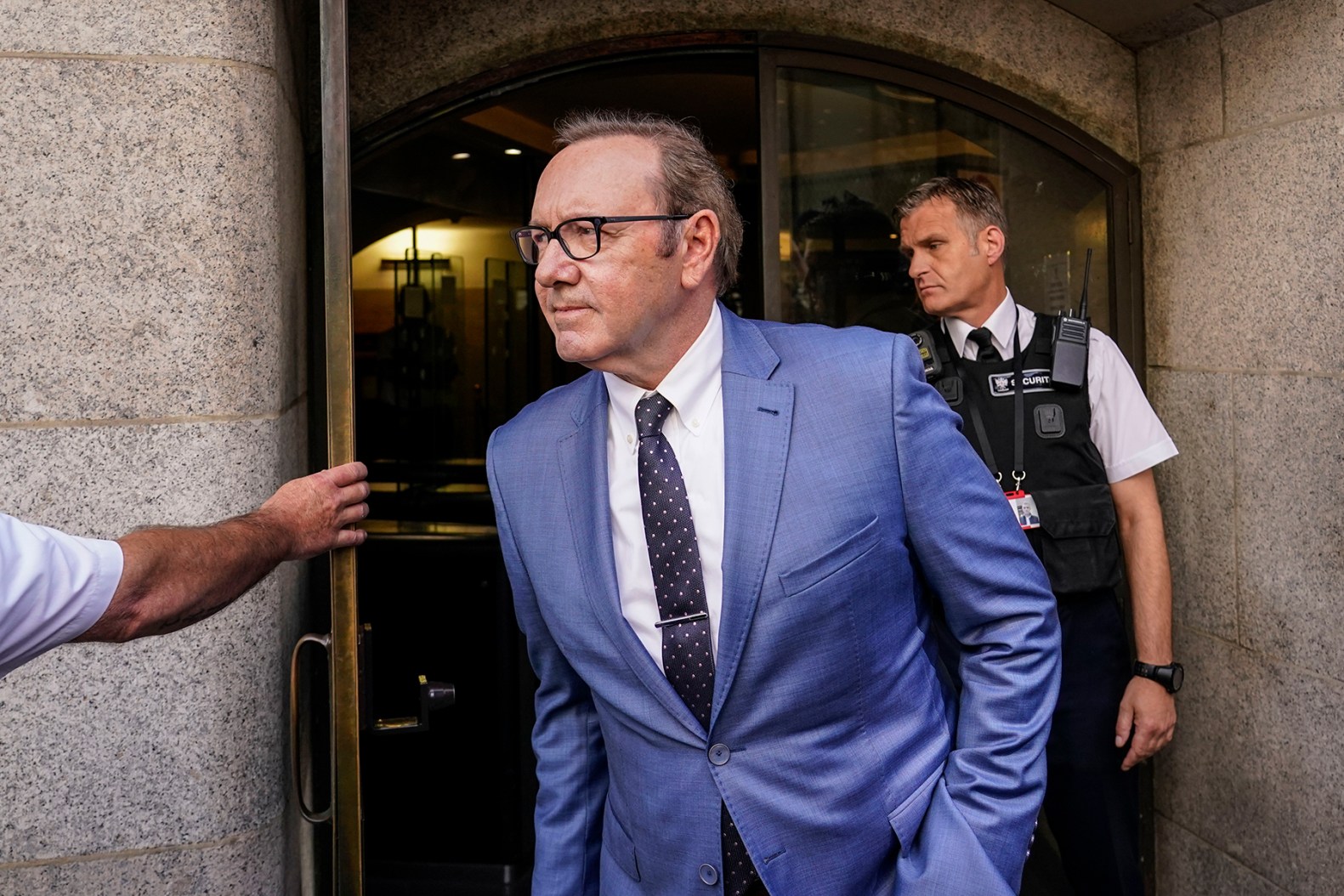
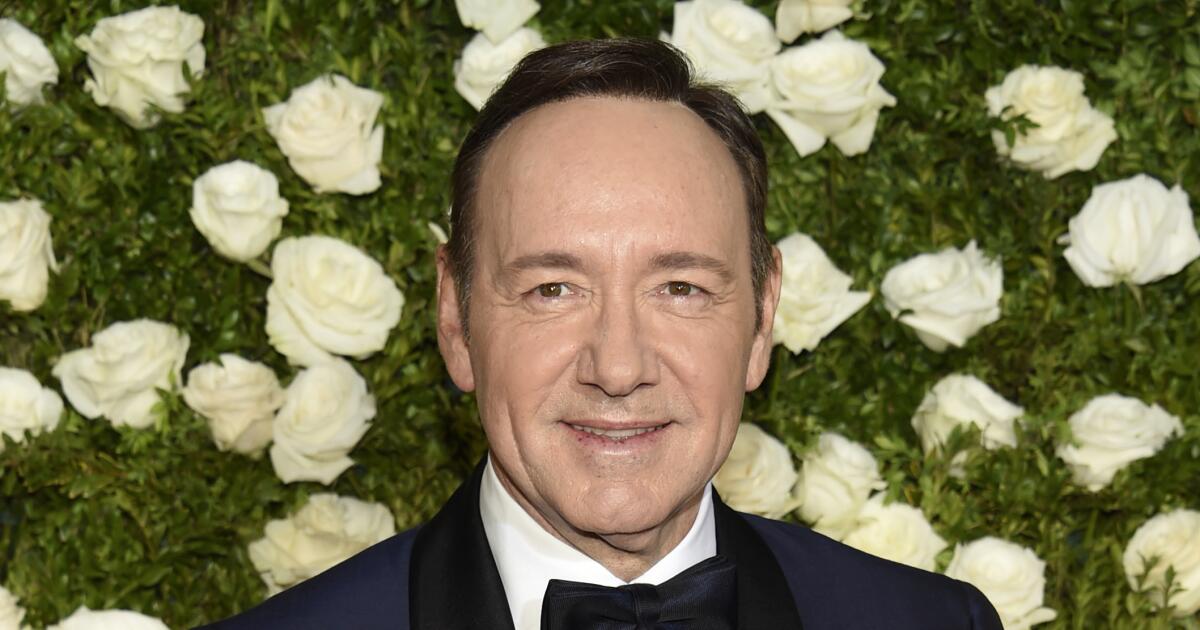
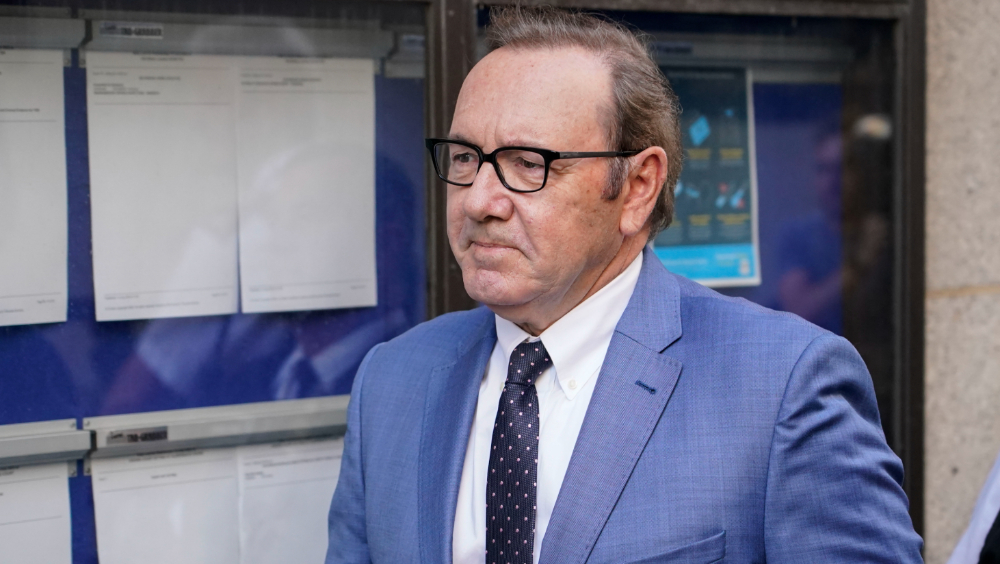
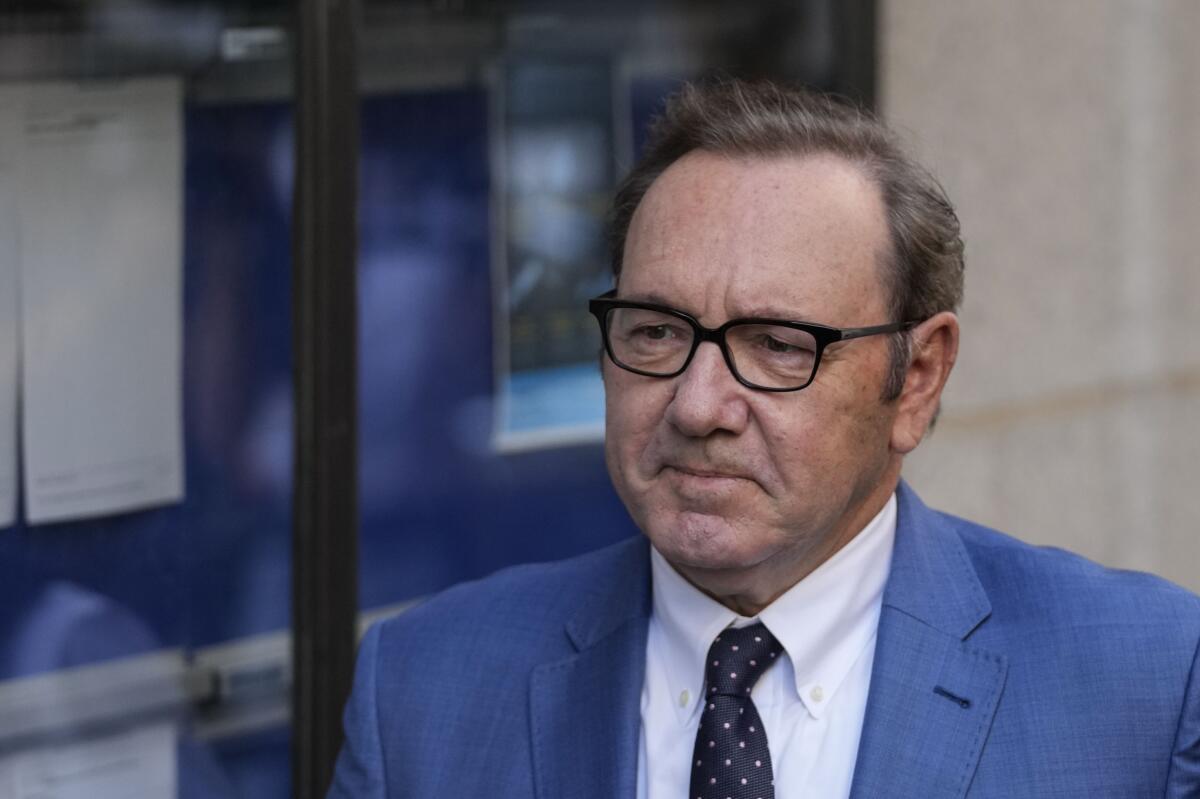
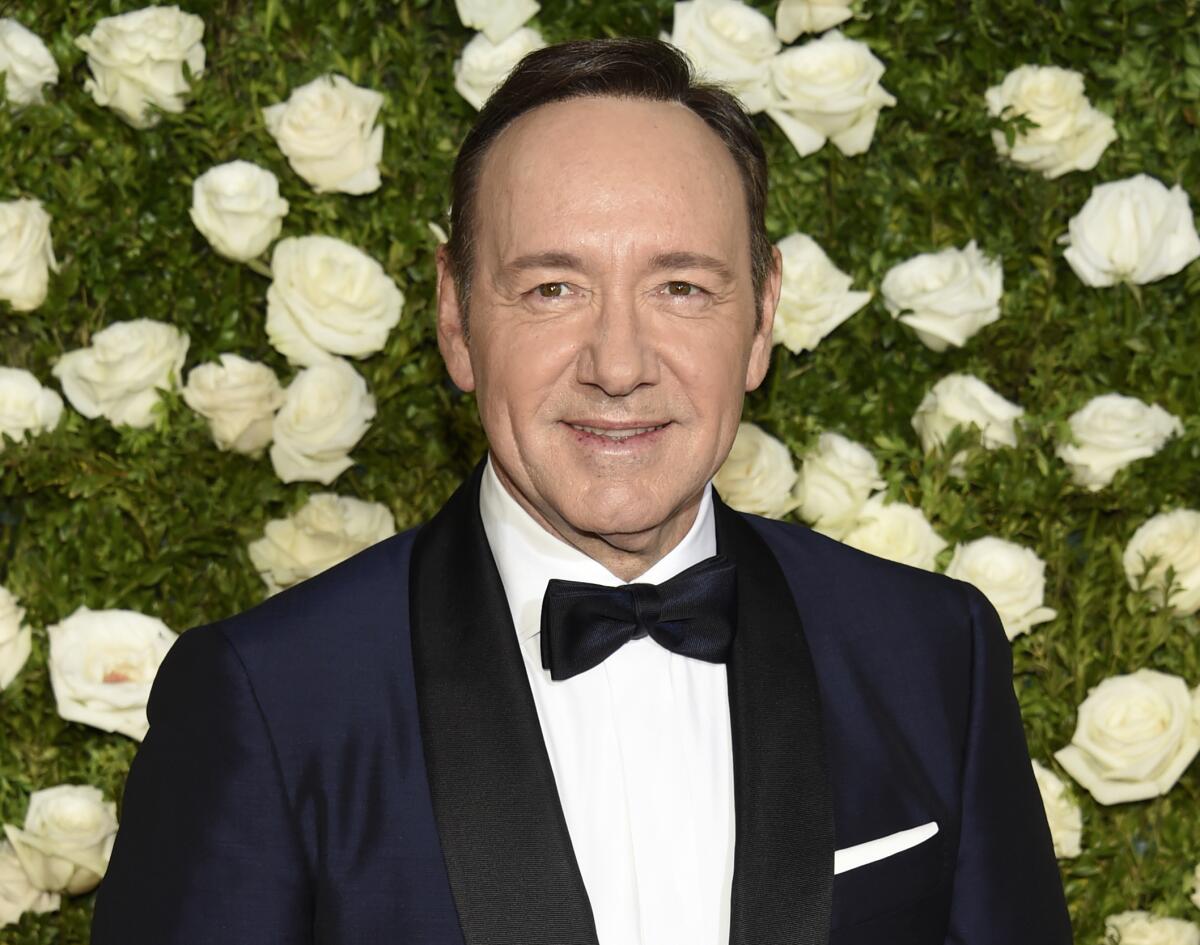
Kevin Spacey, the acclaimed actor known for his role in the Netflix political drama House of Cards, is currently embroiled in a landmark $100 million lawsuit that has captured the attention of Hollywood and legal experts alike. The trial, which begins today in Los Angeles, centers on a dispute between the show’s production company, MRC, and its insurer, Fireman’s Fund. At stake is whether Spacey’s departure from the final season was caused by a covered illness or by damaging sexual misconduct allegations.
This lawsuit is not only significant for the parties involved but also for the broader entertainment industry, as its outcome could redefine how production insurance policies are interpreted and enforced in the future.
The Background: How the Lawsuit Came to Be

The controversy began in late 2017 when multiple allegations of sexual misconduct against Kevin Spacey surfaced publicly. On October 29, 2017, BuzzFeed published a report detailing accusations of sexual abuse spanning decades. Shortly after, production of House of Cards was halted by MRC on October 31, 2017.
Further damaging reports emerged, including a CNN story on November 2, 2017, which accused Spacey of assault involving crew members. In response to the mounting pressure, Spacey entered a luxury rehabilitation facility in Arizona on the same day. By early November, Netflix exercised contractual rights that complicated the show’s production, and MRC officially suspended Spacey on November 4, despite his legal team asserting he was “available, willing and able” to continue filming.
The production company later filed an insurance claim with Fireman’s Fund, seeking coverage for losses incurred due to Spacey’s unavailability. MRC argued that Spacey’s sex addiction qualified as a covered illness under their policy, while the insurer contended that the claim was invalid because the losses were caused by reputational damage and business decisions, which the policy excluded.
Key Issues at the Heart of the Trial
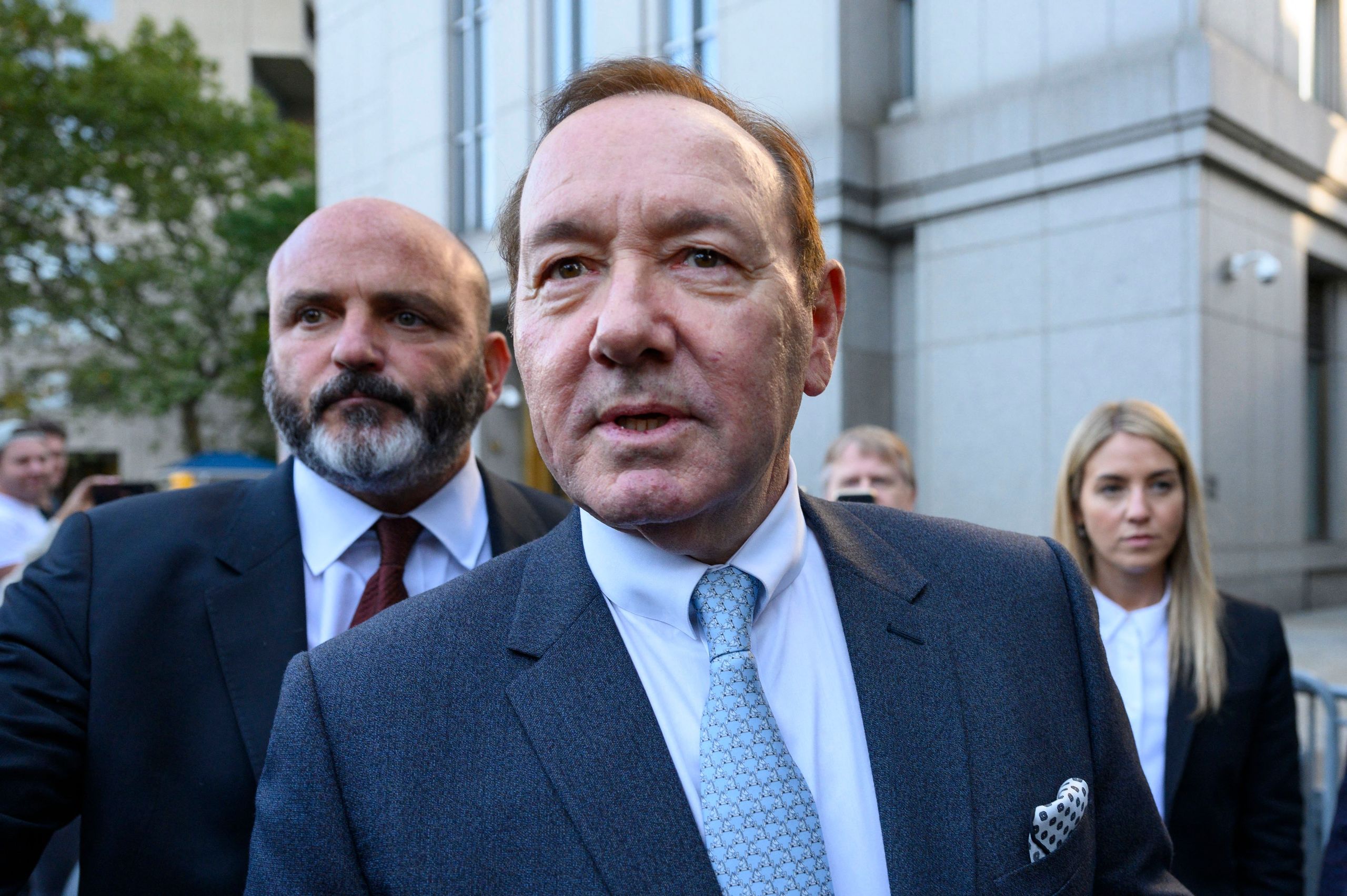
The trial revolves around several critical questions:
– Cause of Loss: Was Spacey’s departure due to a legitimate illness (sex addiction) covered by the insurance policy, or was it primarily the result of negative publicity and business decisions related to the misconduct allegations?
– Policy Interpretation: Does the insurance policy cover losses stemming from an actor’s personal misconduct if that misconduct is linked to an underlying illness?
– Spacey’s Availability: Was Spacey genuinely incapacitated and unable to return to work, or did he remain capable despite the allegations?
These questions are pivotal because the insurance policy requires that damages be “solely” caused by illness to qualify for coverage. If the court sides with MRC, it could set a precedent that broadens what is considered a covered illness in entertainment insurance policies.
How Kevin Spacey’s Testimony Could Influence the Outcome

A unique aspect of this trial is Kevin Spacey’s direct involvement as a witness. In a surprising turn of events, Spacey agreed to cooperate with MRC by providing medical records and sworn declarations. This cooperation was part of a settlement that reduced Spacey’s financial liability from $31 million to $1 million, payable in installments.
Spacey’s testimony is expected to be a cornerstone of MRC’s case. He has admitted that the stress and pressure of returning to the show could have led to severe personal consequences, including suicidal thoughts. This admission supports MRC’s claim that Spacey’s sex addiction was a genuine illness that incapacitated him from fulfilling his contractual obligations.
The insurer, Fireman’s Fund, however, maintains that the decision to remove Spacey was driven by reputational concerns and the fallout from the allegations, which are not covered under the policy.
Potential Industry-Wide Implications
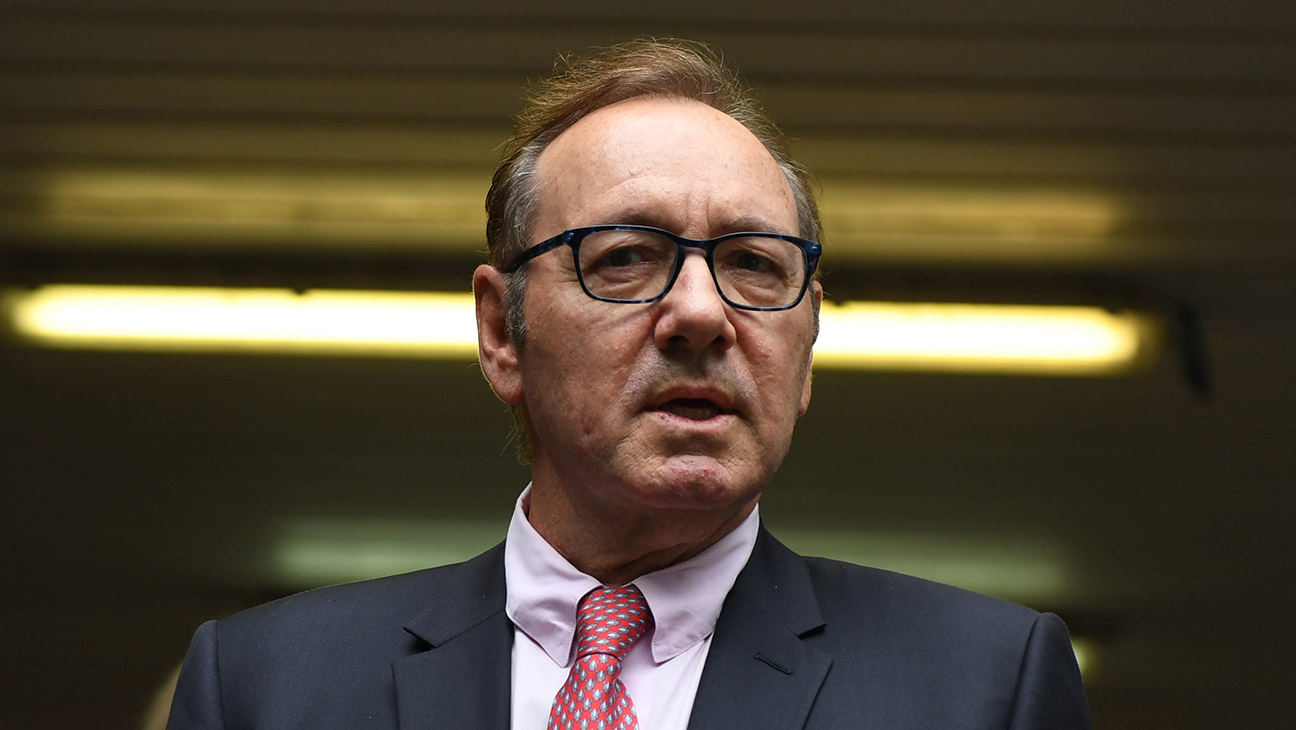
The verdict in this trial could have far-reaching consequences for Hollywood’s insurance practices. If the court accepts that sex addiction qualifies as a covered illness, production companies might argue for broader coverage in cases involving actors with histories of misconduct or health issues.
This could lead insurers to tighten policy language, explicitly defining what constitutes a covered illness and excluding losses related to reputational harm or misconduct. Additionally, studios might become more cautious in casting decisions or in negotiating insurance terms to mitigate risks.
Legal experts also draw parallels to future scenarios involving actors with medical conditions such as dementia or mental health disorders that could affect their work. The outcome of this case may serve as a legal benchmark for how such situations are insured and litigated.
Conclusion

The $100 million House of Cards lawsuit involving Kevin Spacey is more than just a dispute over a television production—it is a pivotal moment that could reshape insurance policies and risk management in the entertainment industry for years to come. As the trial unfolds, all eyes will be on the courtroom in Los Angeles to see how the complex issues of illness, misconduct, and insurance coverage are resolved.
If you want to stay updated on this developing story and other major entertainment industry news, be sure to follow our coverage and subscribe for the latest insights.