
Here is how Seal got his scars
Here is how Seal got his scars
Seal, the internationally acclaimed singer and songwriter, is instantly recognizable not only for his soulful voice and chart-topping hits but also for the distinctive scars on his face. These marks have intrigued fans and the media alike for years, sparking numerous rumors and speculations. However, the truth behind how Seal got his scars is rooted in a medical condition rather than any dramatic incident. In this article, we will explore the story behind Seal’s scars, the nature of the condition that caused them, and how it has affected his life and career.
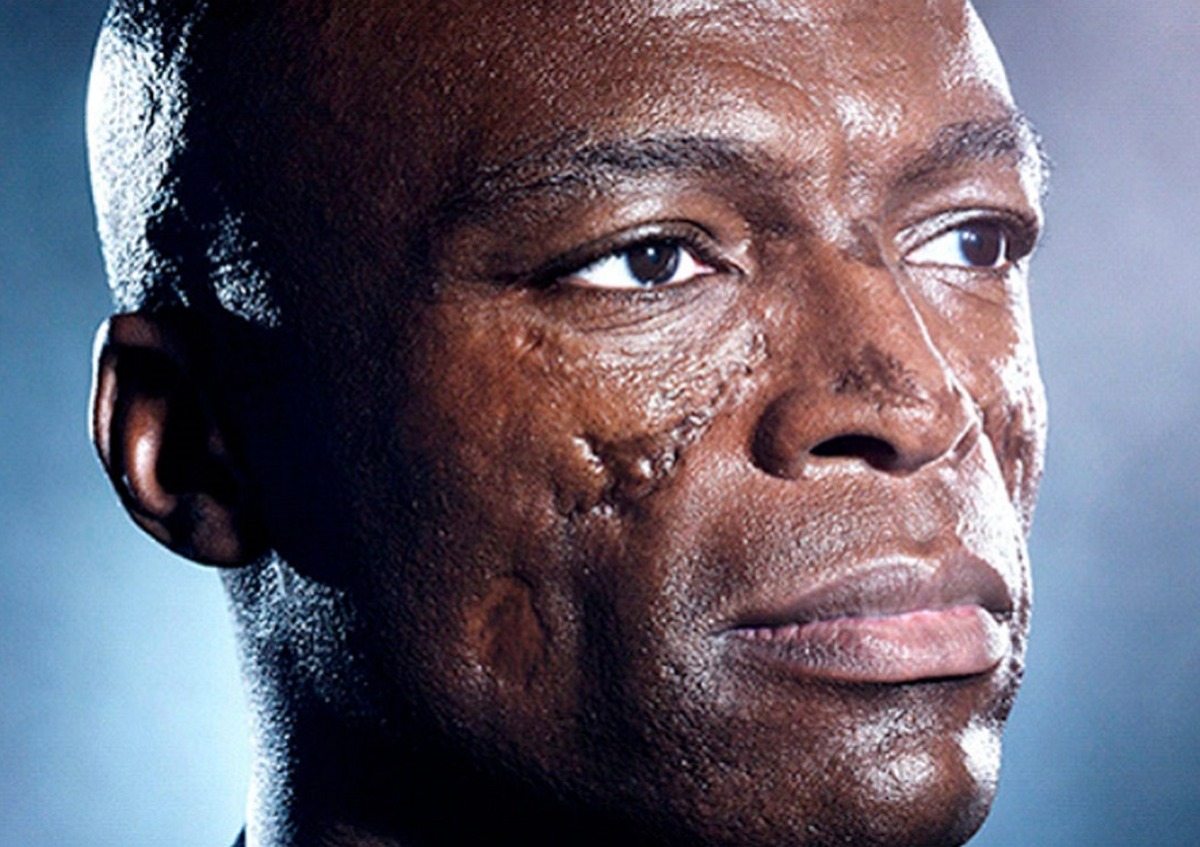
How Seal Got His Scars: The Truth Behind the Marks
Many people have wondered how Seal got his scars, often assuming they were the result of an accident or injury. Contrary to popular belief, the scars are not from any physical trauma but are the result of a chronic autoimmune skin disorder known as discoid lupus erythematosus (DLE). This condition causes inflammation and damage to the skin, leading to the formation of permanent scars.

Discoid lupus erythematosus is a form of lupus that primarily affects the skin, especially areas exposed to sunlight such as the face, scalp, and ears. Unlike systemic lupus erythematosus, which can affect multiple organs, DLE is localized to the skin but can be equally disfiguring. The immune system mistakenly attacks healthy skin cells, causing red, inflamed patches that eventually develop into scarring lesions.

Seal has openly discussed living with this condition, helping to raise awareness and reduce stigma around visible skin differences. His scars have become a part of his unique identity, symbolizing resilience and strength in the face of adversity.

Understanding Discoid Lupus Erythematosus (DLE)

Discoid lupus erythematosus is a chronic autoimmune disease characterized by persistent inflammation of the skin. The exact cause of DLE is unknown, but it is believed to involve a combination of genetic predisposition and environmental triggers such as ultraviolet (UV) light exposure. The immune system’s abnormal response leads to the destruction of skin cells, resulting in lesions that can scar permanently.
Symptoms of DLE typically include:
- Red, raised patches or plaques on the skin
- Scaling and crusting of affected areas
- Hair loss if the scalp is involved
- Permanent scarring and discoloration
Because the face is commonly affected, individuals with DLE often experience significant emotional and psychological challenges due to changes in their appearance. Early diagnosis and treatment are crucial to managing the condition and minimizing scarring.
Seal’s Impact on Lupus Awareness

Seal’s openness about his condition has helped shed light on discoid lupus erythematosus and the broader lupus community. By embracing his scars and continuing to thrive in his career, Seal challenges conventional beauty standards and inspires others living with visible differences.
His story emphasizes the importance of understanding autoimmune diseases and the need for compassion towards those affected. Seal’s scars are not just marks on his skin; they represent his journey and resilience, making him a role model for many.
Conclusion

Now you know how Seal got his scars — through the chronic skin condition discoid lupus erythematosus. This autoimmune disease causes inflammation and permanent scarring, particularly on the face, which explains Seal’s distinctive appearance. Despite the challenges posed by DLE, Seal has remained a powerful figure in music and popular culture, using his platform to raise awareness and inspire others.
If you found this article insightful, don’t hesitate to share it with friends and family to spread awareness about discoid lupus erythematosus and the importance of embracing our unique stories. For more fascinating celebrity insights and health-related topics, stay tuned to our blog!