
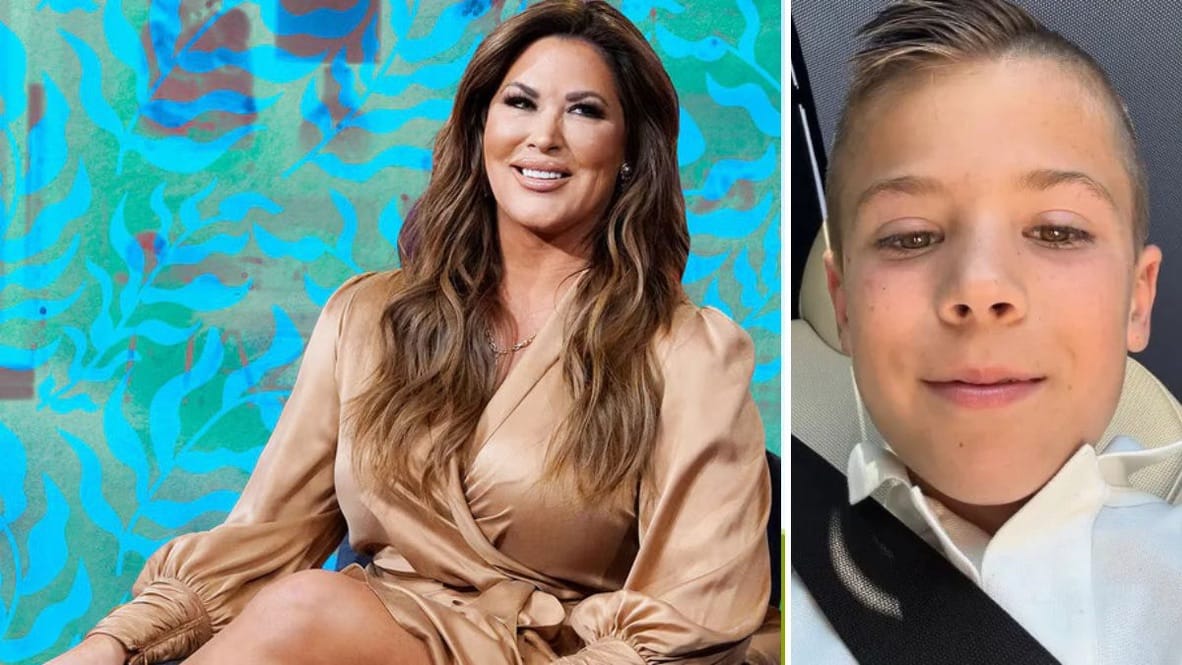
‘RHOC’ Star Emily Simpson’s Son Luke, 10, to Undergo Brain Procedure After PANDAS Diagnosis
Understanding PANDAS: The Diagnosis Behind Luke’s Brain Procedure
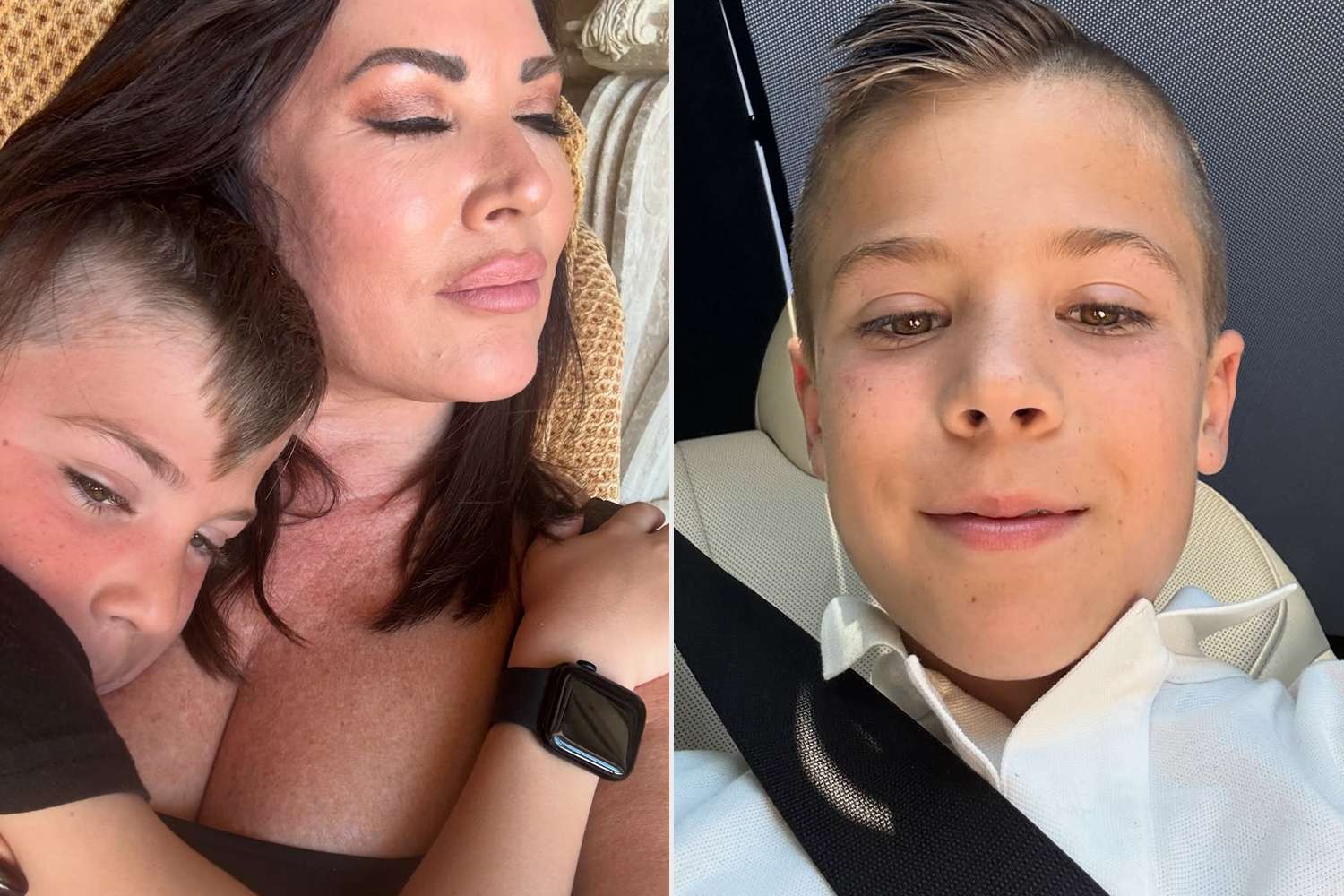
Emily Simpson, well-known for her role on the hit reality show “Real Housewives of Orange County” (RHOC), recently shared heartbreaking news about her 10-year-old son, Luke. After a sudden and dramatic change in his behavior, Luke was diagnosed with Pediatric Autoimmune Neuropsychiatric Disorders Associated with Streptococcal infections, commonly known as PANDAS. This diagnosis has led to Luke preparing for a specialized brain procedure aimed at reducing inflammation caused by the disorder.
PANDAS is a rare condition that affects children who have had streptococcal infections, such as strep throat. It triggers an autoimmune response where the body’s immune system mistakenly attacks parts of the brain, leading to symptoms like tics, obsessive-compulsive behaviors, and sudden changes in personality or behavior. According to medical experts, early diagnosis and treatment are crucial to managing PANDAS effectively.
Luke’s Journey: From a Happy Child to Facing PANDAS Challenges
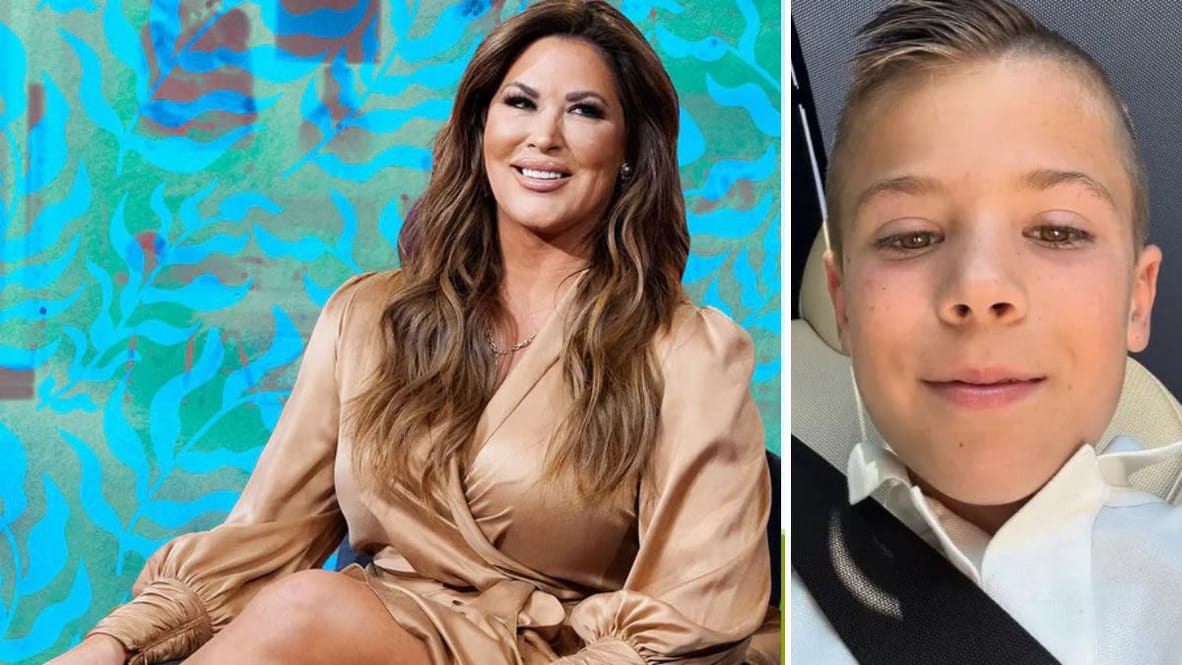
Emily Simpson described how Luke went from being a happy, gifted fourth grader with no previous behavioral issues to suddenly regressing in his development. “He started talking like a baby and acting out,” Emily shared during the RHOC reunion. This sudden shift was confusing and alarming for the family. After receiving advice and support from fans and other parents familiar with PANDAS, Emily and her husband Shane sought medical testing for Luke, which confirmed the diagnosis.
The reality star also revealed that Luke suffered a severe case of strep throat earlier in the year, which likely triggered the onset of PANDAS. The infection caused inflammation in his brain, leading to the neurological symptoms that have affected his daily life.
In addition to PANDAS, Luke also faces challenges related to Avoidant/Restrictive Food Intake Disorder (ARFID), an eating disorder characterized by extreme food selectivity and anxiety around eating. Emily explained that Luke’s eating habits are very restrictive, often limited to a few foods like white rice, which he inspects carefully before eating. This condition adds another layer of complexity to Luke’s health and treatment.
What the Brain Procedure Involves and Luke’s Treatment Plan
To address the swelling in Luke’s brain caused by PANDAS, doctors have recommended a laser treatment procedure. Emily shared that Luke will undergo this treatment for five consecutive days, with each session lasting approximately three hours. The goal of the procedure is to reduce inflammation and alleviate the neurological symptoms impacting Luke’s behavior and development.
Alongside the brain procedure, Luke’s comprehensive treatment plan includes therapy and nutritional support. He sees a therapist to help manage behavioral symptoms and a nutritionist to assist with his ARFID diagnosis. Emily also mentioned that Luke uses nose inserts infused with essential oils to help mask overwhelming food smells, making mealtime less stressful.
Despite the challenges, Emily remains hopeful and committed to sharing her family’s journey publicly. She expressed that opening up about Luke’s condition on RHOC is intended to raise awareness and support other parents facing similar struggles. “Am I doing the right thing by being so honest about what we’re going through? All I can hope is that it helps other parents,” she said.
The Importance of Community and Support for Families Dealing with PANDAS
Emily credits much of her knowledge and understanding of PANDAS to the supportive community of parents and fans who reached out to her after witnessing Luke’s symptoms on the show. This network of shared experiences has been invaluable in guiding her toward the right diagnosis and treatment options.
However, Emily also acknowledged the difficulties of facing public scrutiny. Some viewers have unfairly criticized her parenting, not understanding the complexities of Luke’s condition. She firmly defended herself, emphasizing that Luke’s sudden behavioral changes are symptoms of a medical disorder, not neglect or lack of awareness.
For families dealing with PANDAS or similar neuropsychiatric disorders, connecting with others who understand the condition can provide emotional support and practical advice. Organizations such as the National Eating Disorders Association (NEDA) also offer resources for related conditions like ARFID.
Conclusion
Emily Simpson’s openness about her son Luke’s PANDAS diagnosis and upcoming brain procedure sheds light on a little-known but serious childhood disorder. Through her story, parents and caregivers can learn about the signs of PANDAS, the importance of early intervention, and the value of community support. If you or someone you know is facing similar challenges, seeking medical advice and connecting with support groups can make a significant difference.
For more updates on Emily Simpson and her family’s journey, stay tuned to RHOC and follow trusted health resources. If you found this article helpful, share it with others who might benefit from learning about PANDAS and pediatric neuropsychiatric disorders.