Trump Exploits Civil Rights Leader’s Death to Take Petty Swipe at Obama
Trump’s Controversial Tribute to Rev. Jesse Jackson
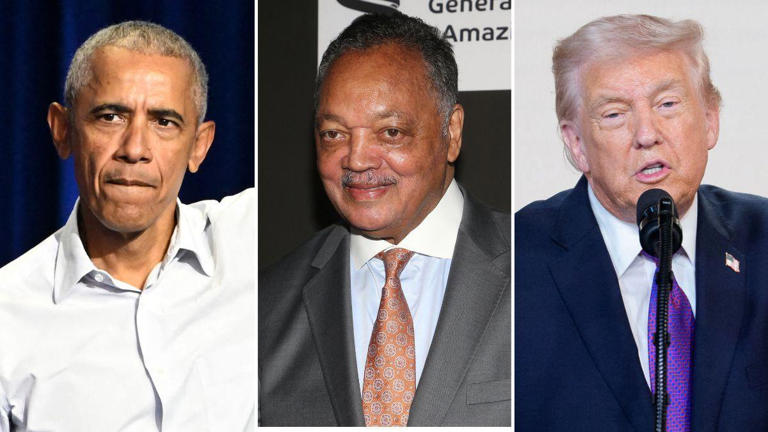
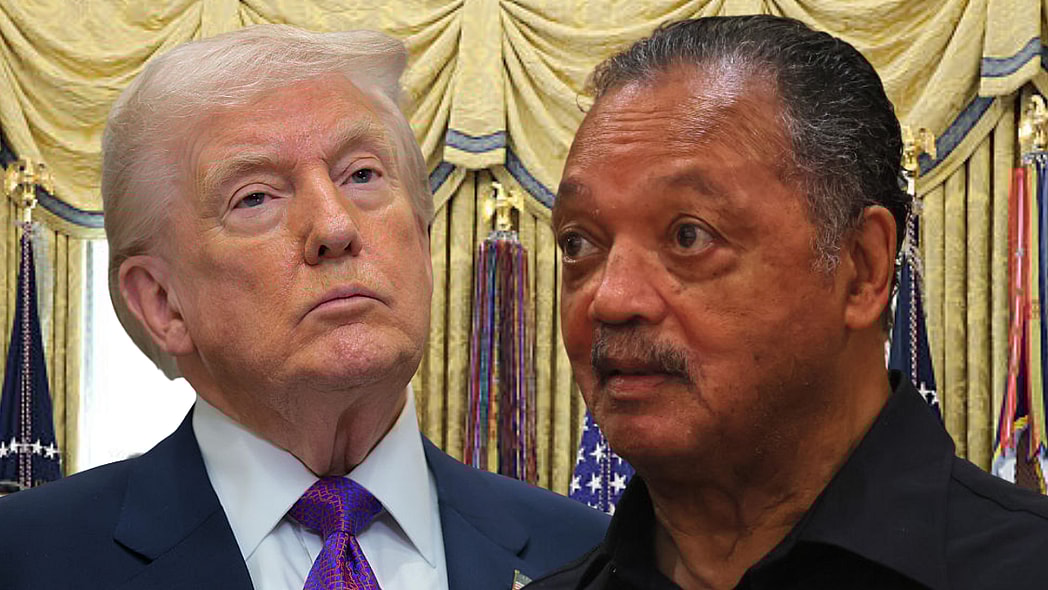
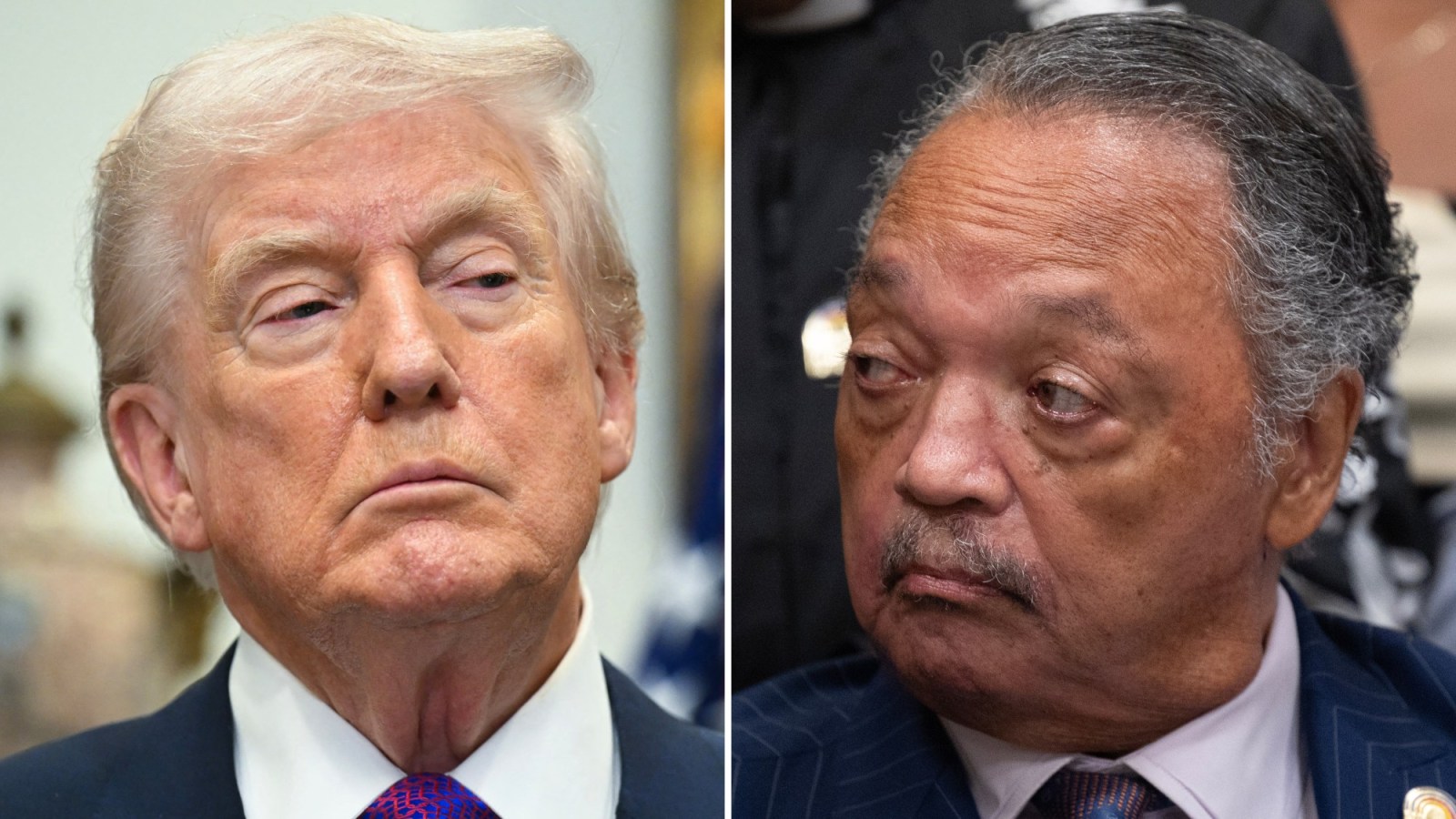
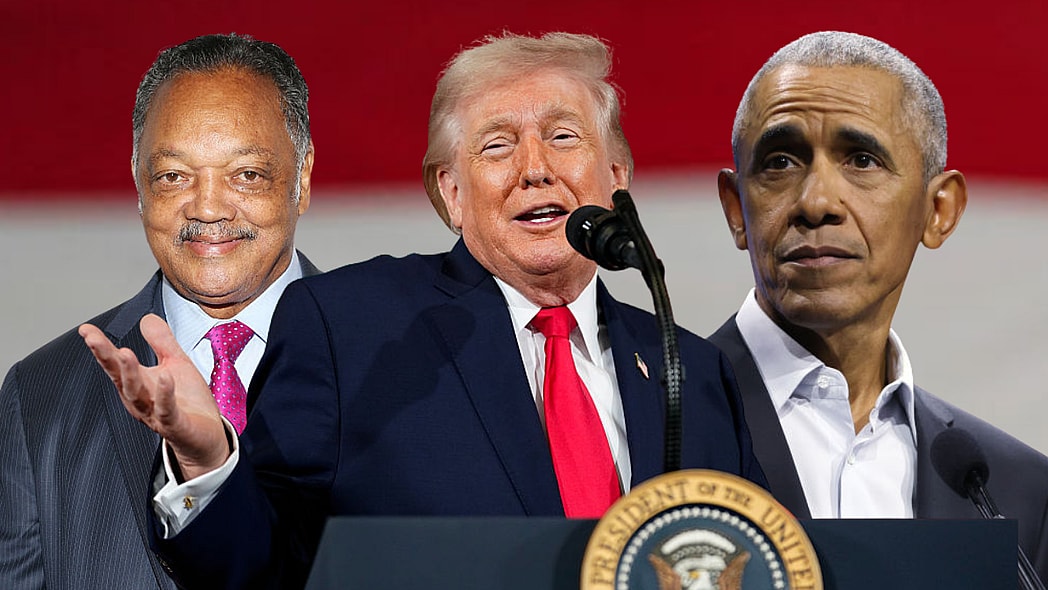
In the wake of the passing of Rev. Jesse Jackson, a towering figure in the American civil rights movement, former President Donald Trump took to social media to express his condolences. However, what began as a tribute quickly devolved into a petty jab at Barack Obama, America’s first Black president. On his platform Truth Social, Trump acknowledged Jackson’s influence but immediately pivoted to criticize Obama, claiming that the late reverend “could not stand” him.
Trump wrote, “Jesse was a force of nature like few others before him. He had much to do with the Election, without acknowledgment or credit, of Barack Hussein Obama, a man who Jesse could not stand.” This statement sparked widespread backlash, as it appeared to exploit Jackson’s death for political gain and to undermine Obama’s legacy.
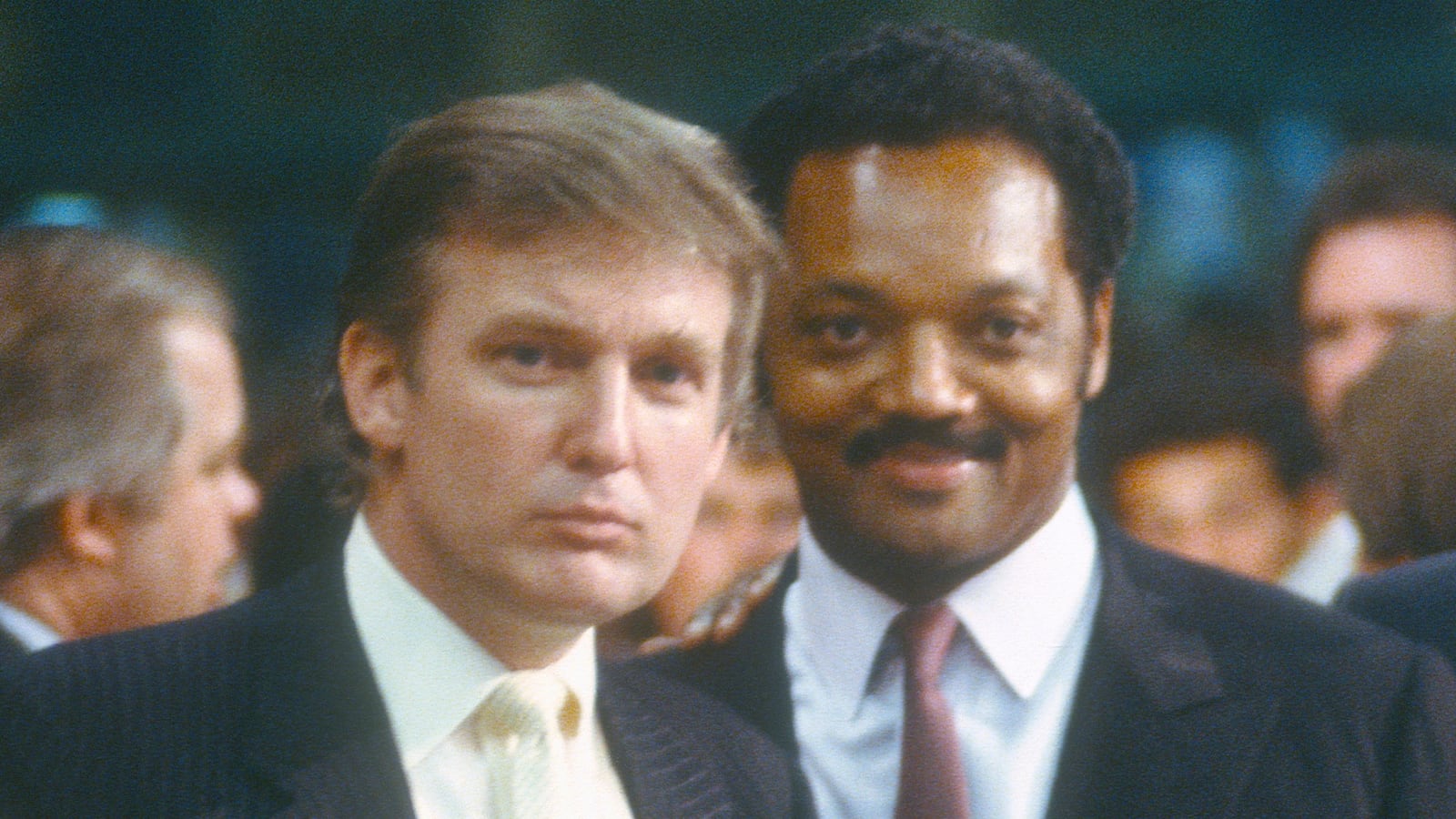
Trump also portrayed his own relationship with Jackson as one of mutual respect, contrasting it with the supposed animosity between Jackson and Obama. “Despite the fact that I am falsely and consistently called a Racist by the Scoundrels and Lunatics on the Radical Left, Democrats ALL, it was always my pleasure to help Jesse along the way,” Trump added, sending condolences to Jackson’s family.
The Historical Context of Jackson and Obama’s Relationship
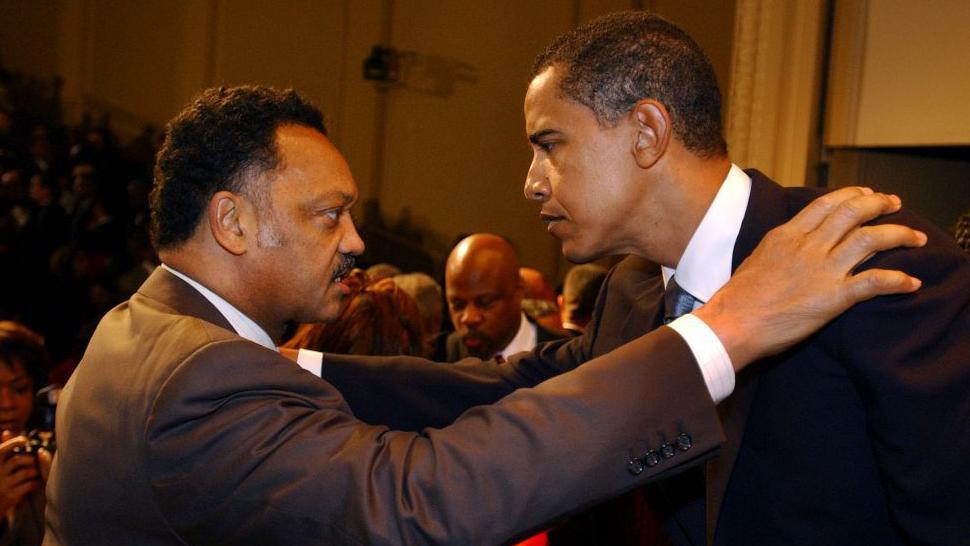
The relationship between Rev. Jesse Jackson and Barack Obama was complex but generally marked by respect and support. While there were moments of tension—such as a 2008 incident when Jackson was caught on a hot mic expressing frustration over Obama’s comments on absentee fathers in the African-American community—Jackson later apologized and publicly celebrated Obama’s historic presidential victory.
Jackson once described Obama’s election as “the last lap” in the long struggle for Black political empowerment, underscoring the significance of Obama’s rise to the presidency. This nuanced relationship contrasts sharply with Trump’s portrayal of outright dislike.
Trump’s History of Racism Allegations
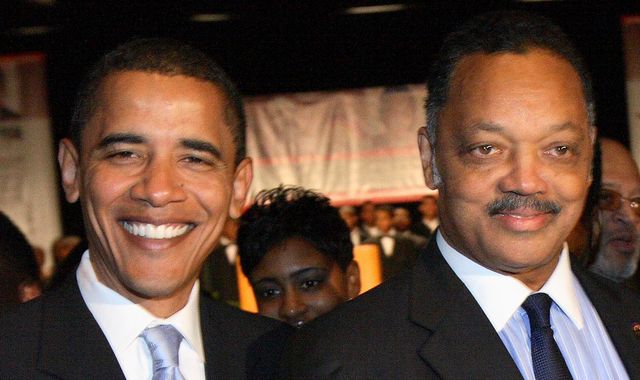
Trump’s attempt to distance himself from accusations of racism comes amid a long history of controversial and racially charged actions. In 1973, the U.S. Justice Department sued one of Trump’s companies for allegedly discriminating against Black tenants. In 1989, Trump infamously called for the death penalty for five Black and Latino teenagers accused in the Central Park jogger case, despite their eventual exoneration.
Throughout the 1990s, former employees at Trump-owned casinos reported discriminatory practices against Black workers. More recently, Trump faced criticism for sharing a video depicting Barack and Michelle Obama as apes—a post that remained online for over 12 hours before being quietly removed.
Trump also propagated the baseless “birther” conspiracy theory, falsely claiming Obama was not born in the United States. His rhetoric on Black communities and his equivocation on white supremacist violence have further fueled accusations of racism.
Why Trump’s Use of Jesse Jackson’s Death is Problematic
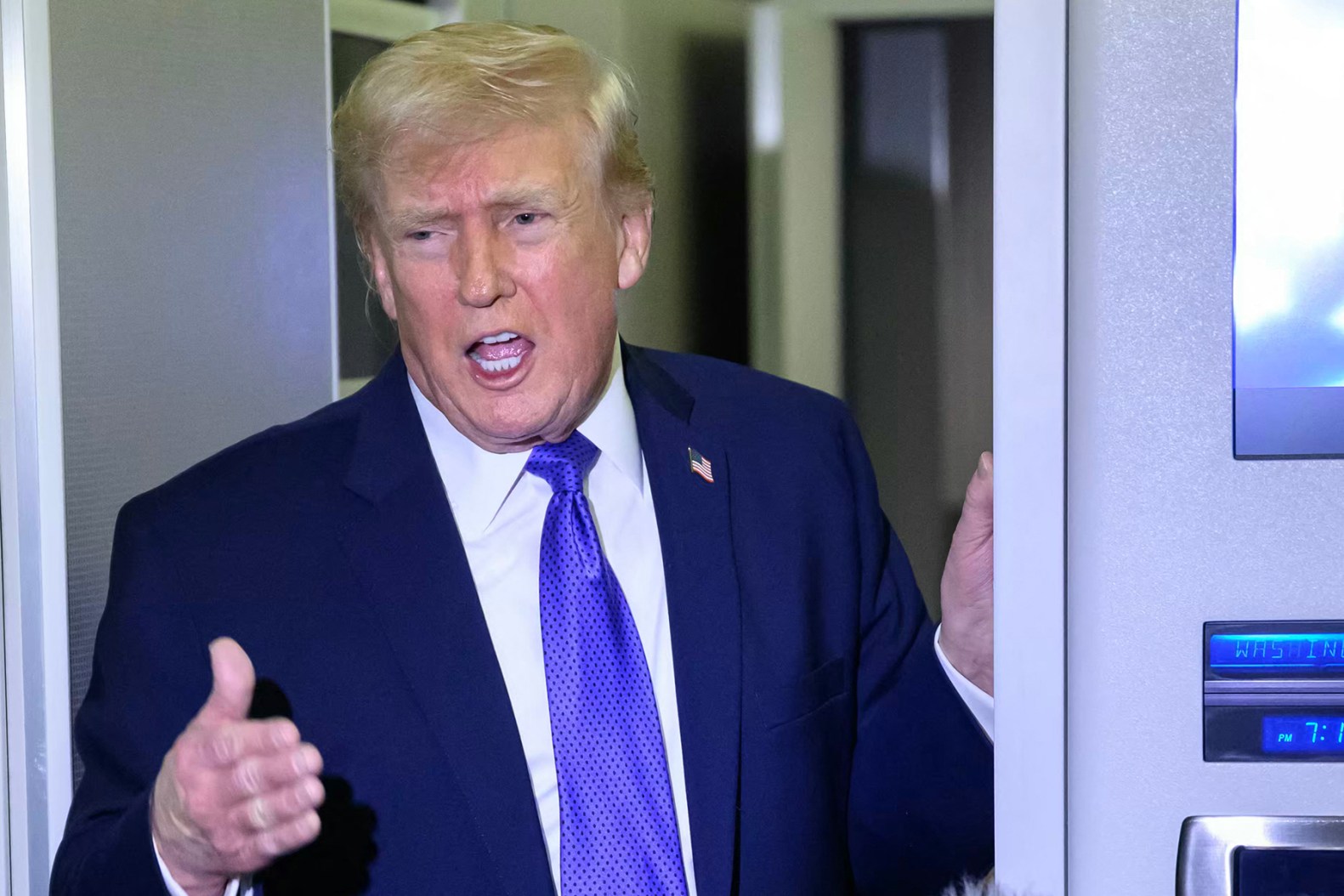
Using the death of a revered civil rights leader as a platform for political attacks is widely regarded as inappropriate and disrespectful. Jesse Jackson dedicated his life to fighting racial injustice and promoting unity. Exploiting his passing to score political points undermines the gravity of his legacy.
Moreover, Trump’s narrative attempts to rewrite history by suggesting Jackson disliked Obama, a claim that contradicts the broader historical record. This distortion serves to delegitimize Obama’s presidency and the progress made in civil rights, while simultaneously deflecting from Trump’s own controversial racial history.
The Public and Political Reactions
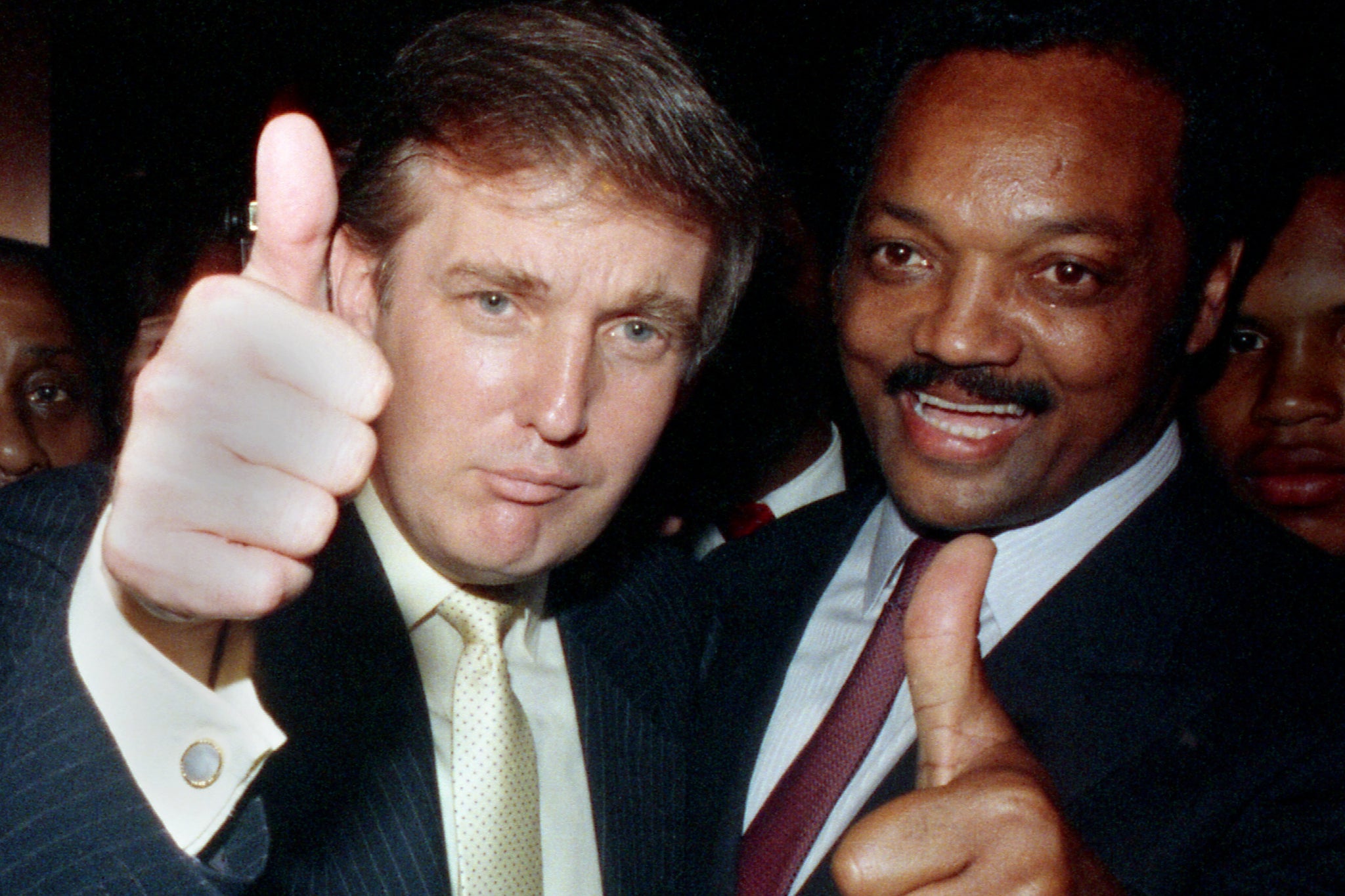
Trump’s remarks were met with condemnation from various quarters. Civil rights advocates, political commentators, and members of both parties criticized the former president for his insensitivity. Many pointed out that Jackson’s legacy should be honored with respect, not used as a tool for partisan bickering.
The incident also reignited discussions about Trump’s record on race and the persistent divisions in American politics. It highlighted the ongoing challenges in addressing racial issues with dignity and honesty.
Conclusion
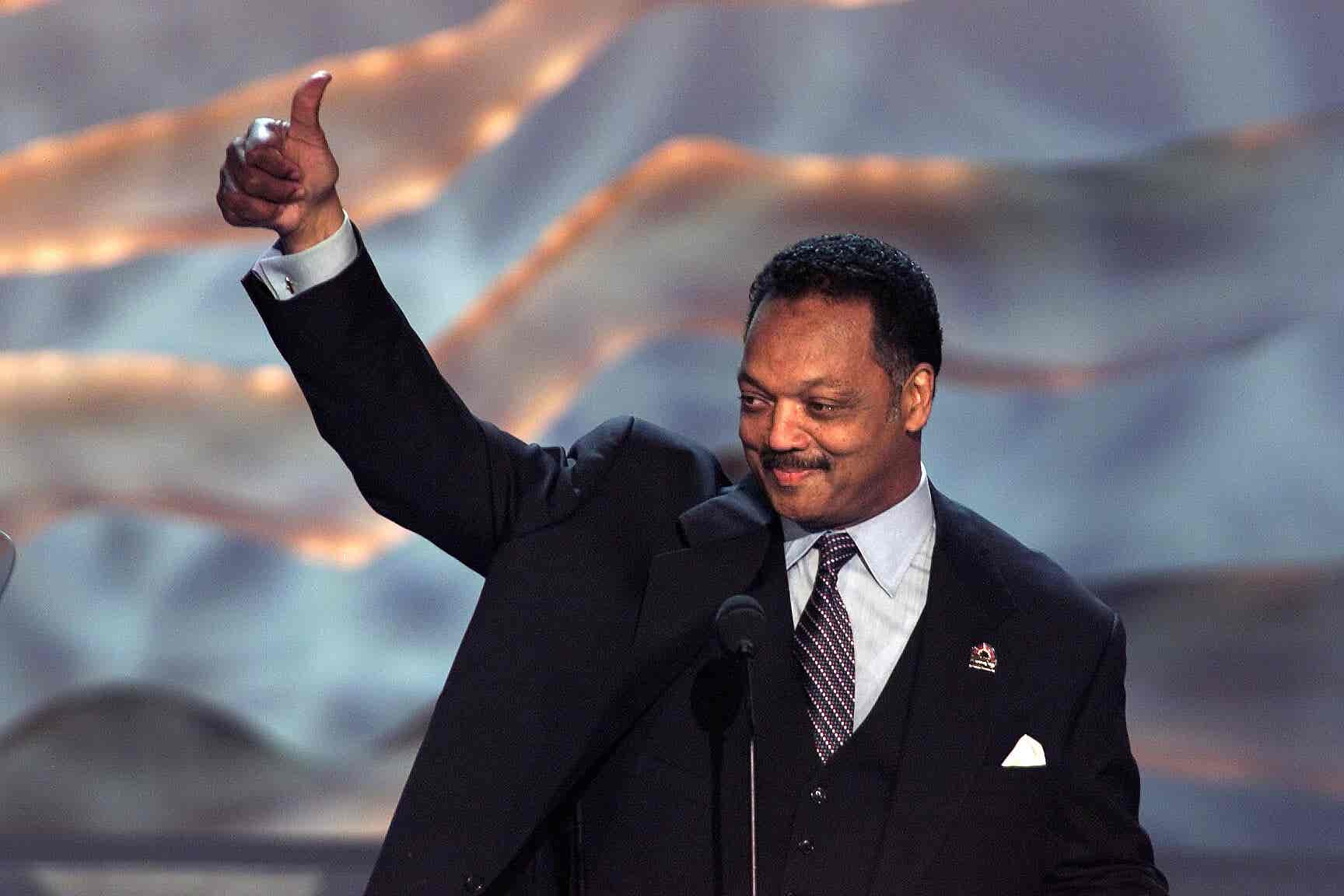
Donald Trump’s decision to exploit the death of Rev. Jesse Jackson to take a petty swipe at Barack Obama reveals much about the former president’s approach to politics—one often marked by divisiveness and controversy. While Jackson’s legacy is one of courage, resilience, and progress, Trump’s comments serve only to distract from the profound impact Jackson had on civil rights in America.
As we remember and honor leaders like Jesse Jackson, it is crucial to engage in conversations about race and history with respect and integrity. To stay informed about the latest developments in civil rights and political discourse, subscribe to our newsletter and join the conversation today.