CBS News’s Star Anchor Caught on Tape Caving to Trump’s Demands as President Issues Blunt Two-Word Warning Over Interview ‘Edits’
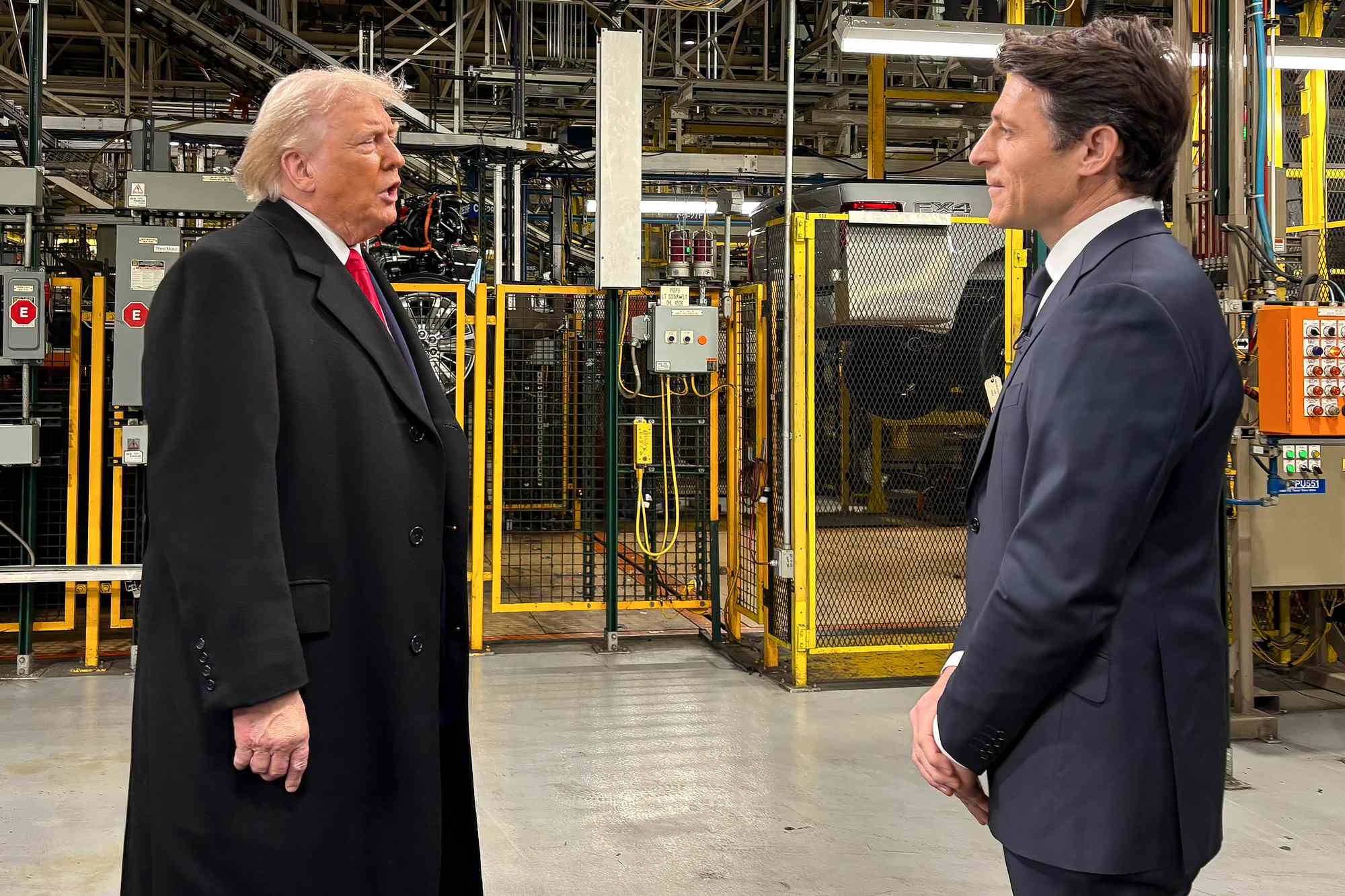
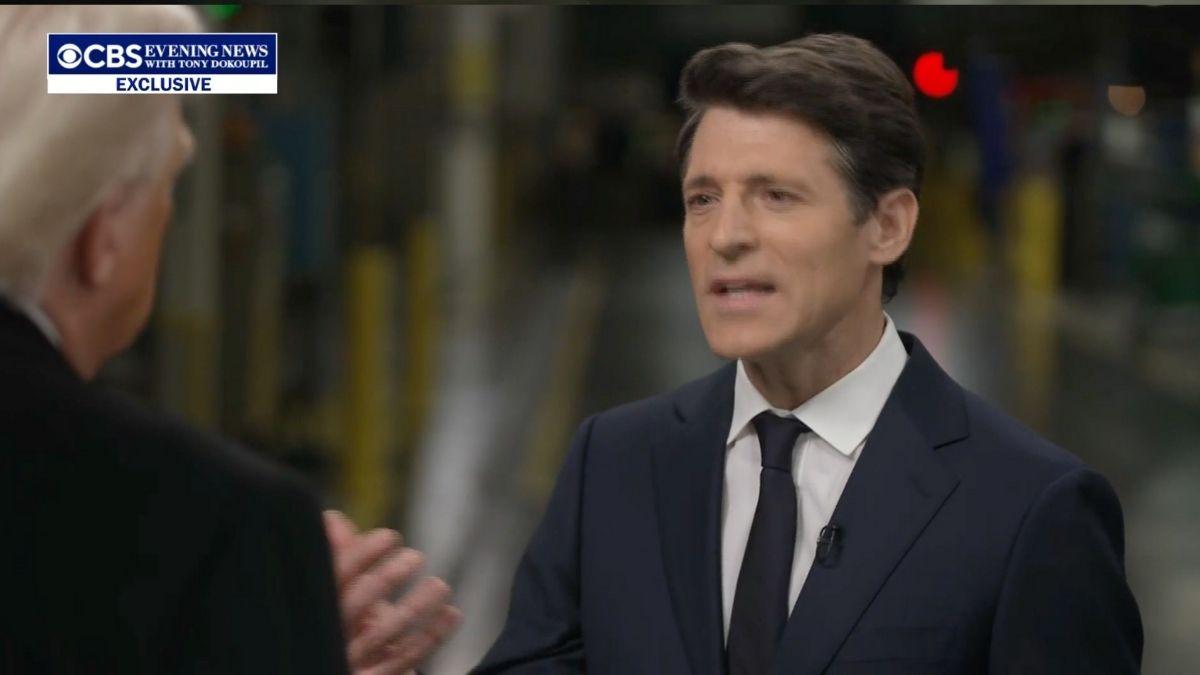
In a revealing development that underscores the fraught relationship between the media and the Trump administration, CBS News’s lead anchor Tony Dokoupil was reportedly caught on tape acquiescing to President Donald Trump’s demands regarding the airing of an interview. The White House, through Press Secretary Karoline Leavitt, issued a stark and blunt warning to the network, threatening legal action if the interview was edited or not aired in full. This incident sheds light on the intense pressure news organizations face when covering politically sensitive figures and the lengths to which the Trump administration is willing to go to control its media portrayal.
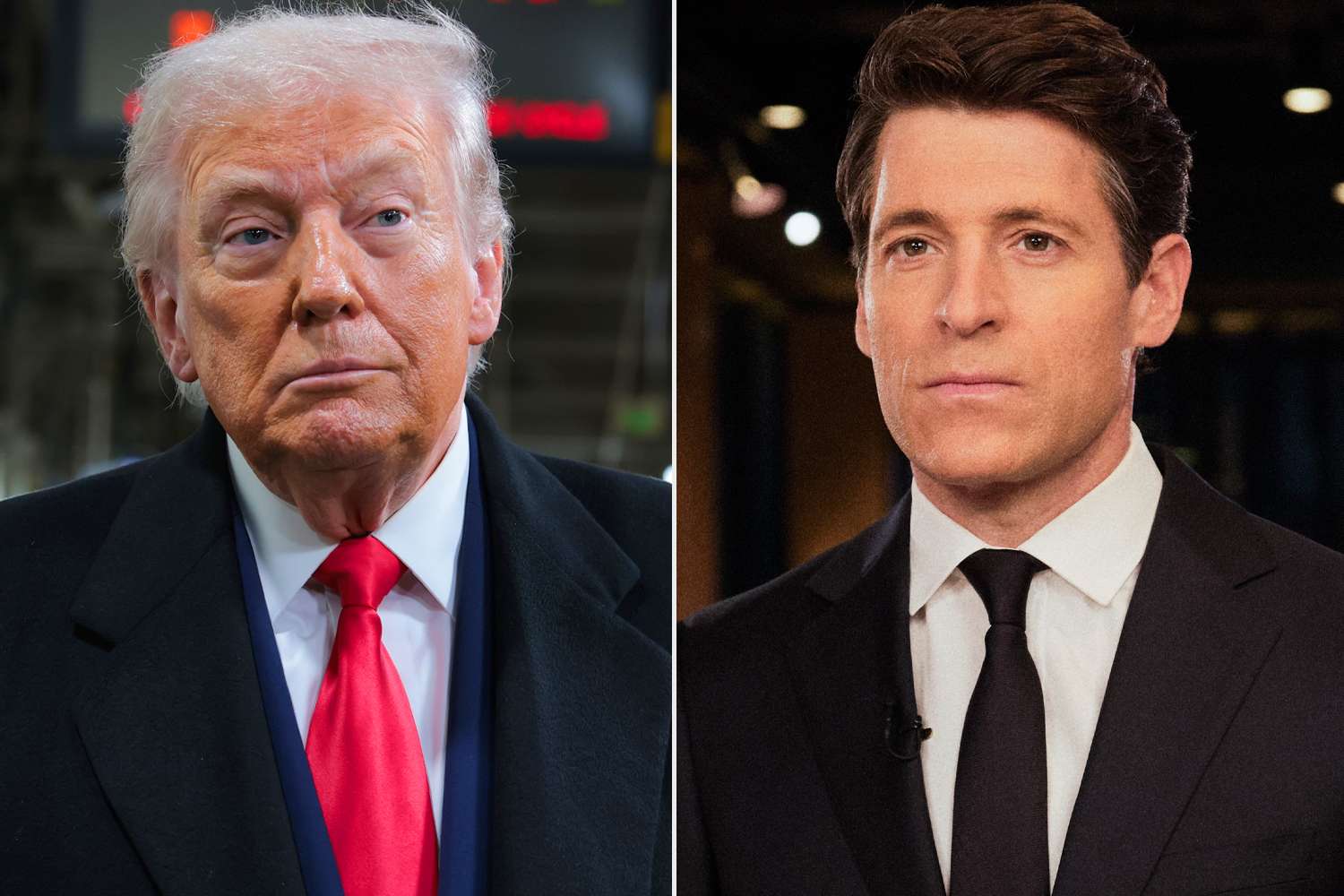
Trump’s Blunt Two-Word Warning Over Interview Edits
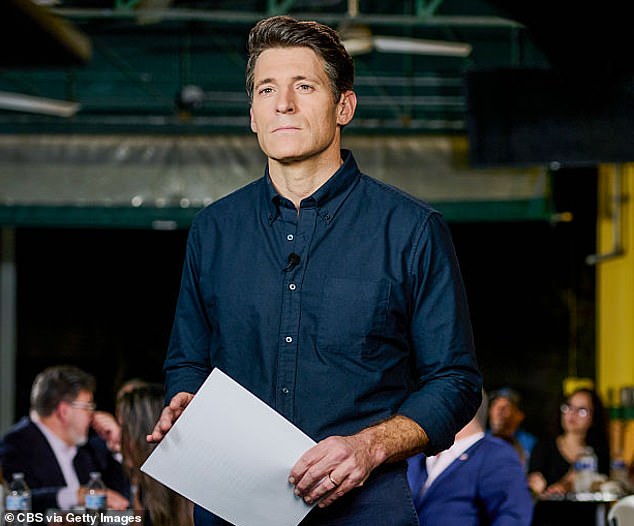
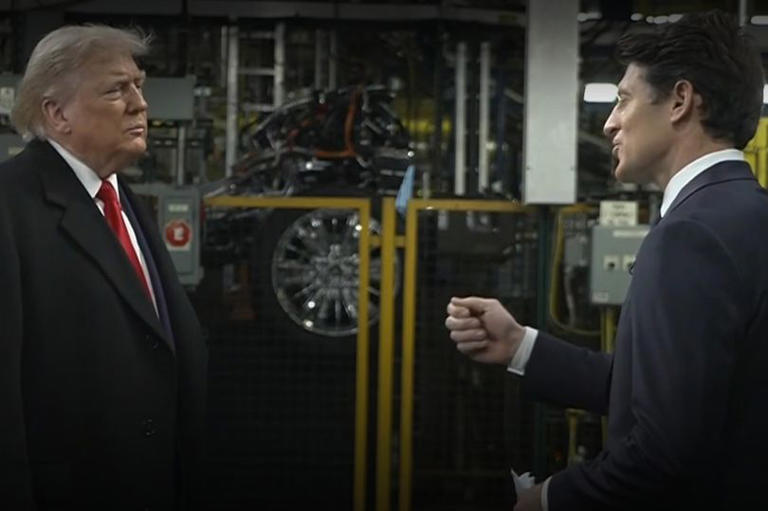
According to a recording obtained by the New York Times, the exchange between CBS News and the White House was direct and uncompromising. Following an interview with President Trump, Leavitt warned Tony Dokoupil and his production team, “If it’s not out in full, we’ll sue your a** off.” This blunt two-word legal threat encapsulates the aggressive stance the Trump administration has taken in managing its media coverage, especially during the president’s second term.
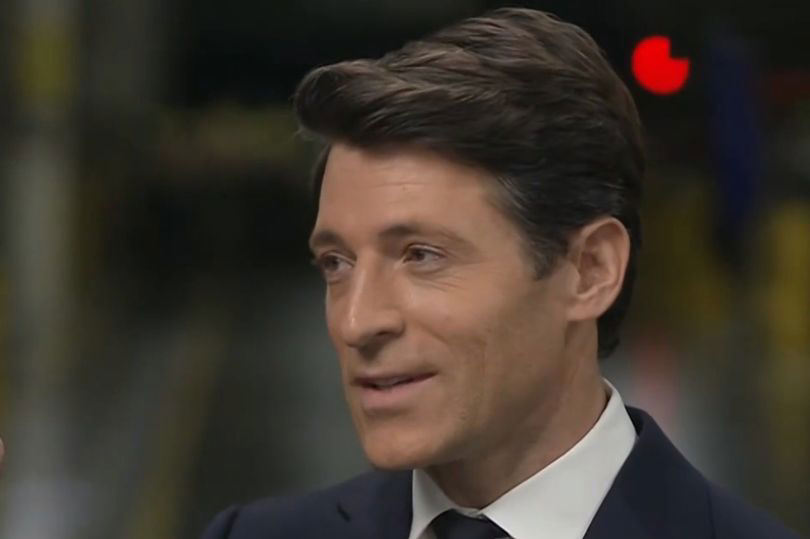
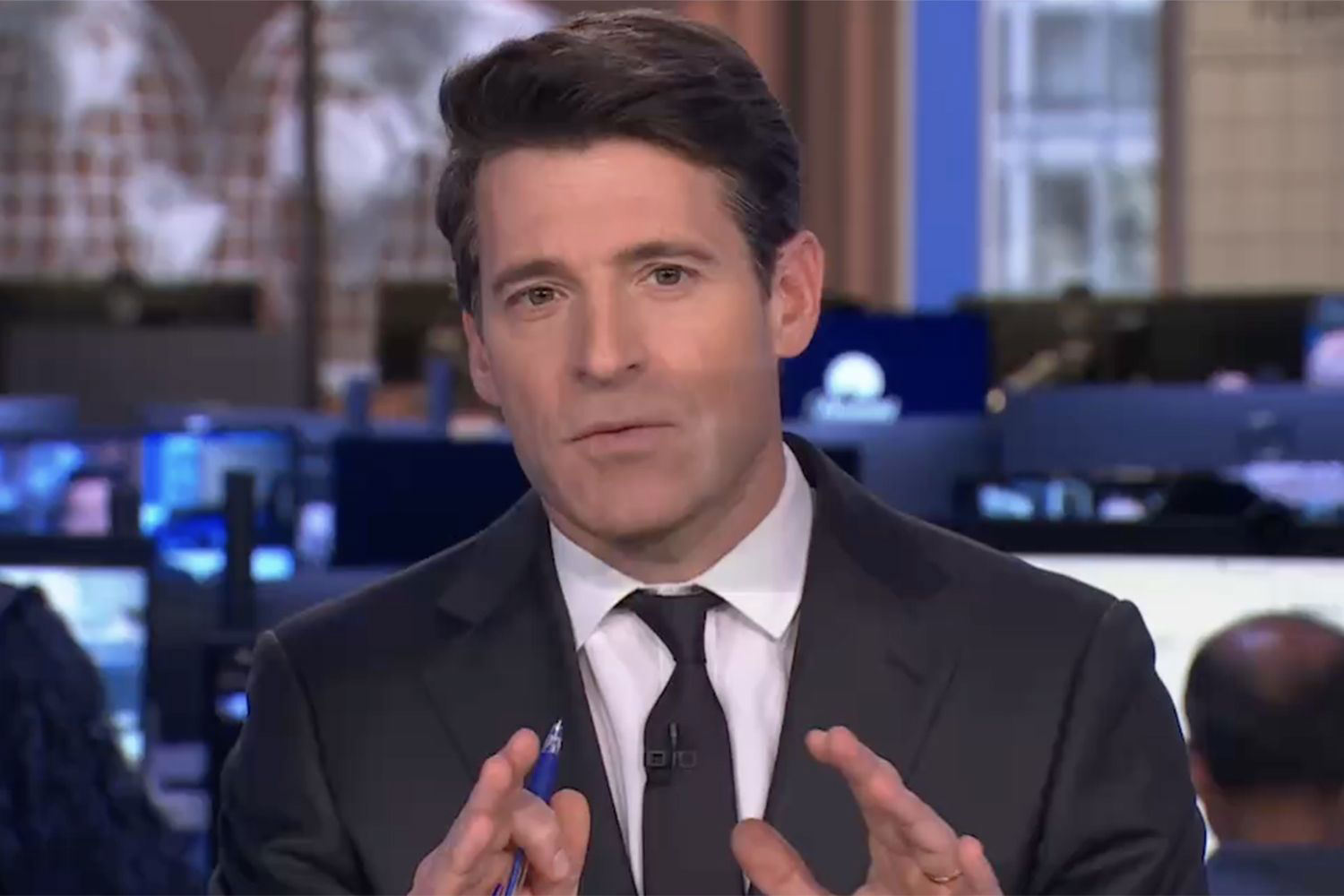
Dokoupil, who assumed the role of CBS Evening News anchor earlier this year, was heard responding affirmatively to the demand, indicating compliance. The executive producer of CBS Evening News, Kim Harvey, also reportedly agreed enthusiastically to air the full 13-minute interview without edits. This compliance highlights the difficult balancing act news organizations must perform between journalistic integrity and legal pressures.
The Context Behind the Controversy
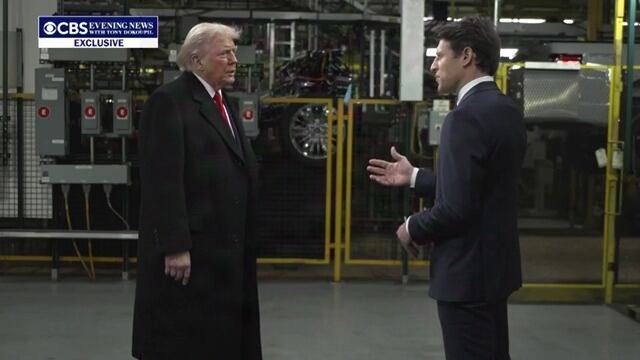
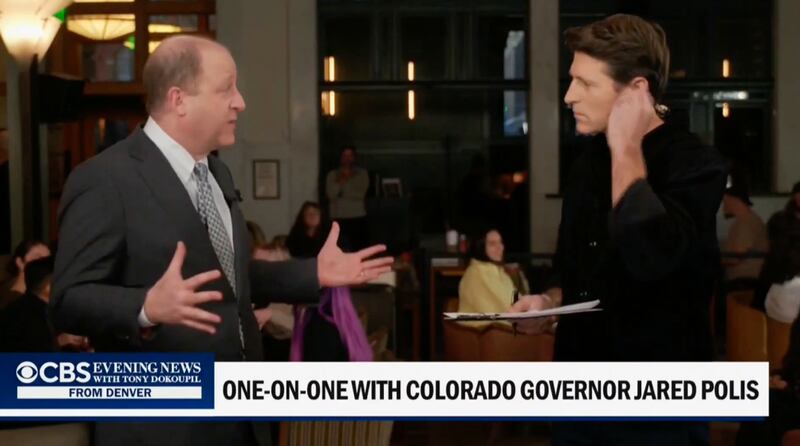
Tony Dokoupil’s tenure as CBS Evening News anchor has been marked by scrutiny and criticism, particularly regarding his coverage of President Trump. Critics have accused him of softening the network’s approach to Trump, raising questions about media impartiality and editorial independence. This latest incident adds fuel to the debate over how news outlets handle interviews with politically charged figures.
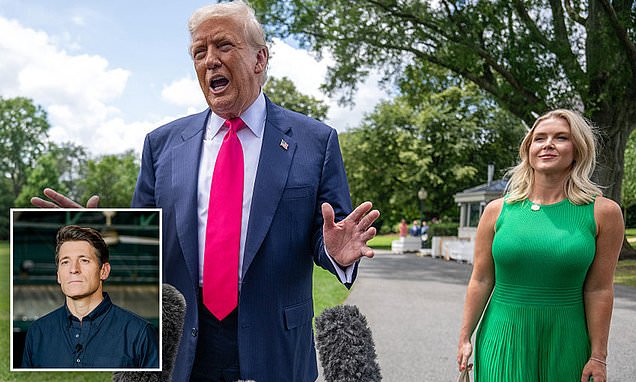
The White House’s aggressive approach to media management is not new. The Trump administration has a history of suing major news organizations, including the New York Times, the BBC, and CBS News itself. Earlier this year, CBS agreed to a $16 million settlement with Trump over the editing of a “60 Minutes” interview featuring Vice President Kamala Harris during the 2024 election cycle. These legal battles underscore the administration’s determination to influence how it is portrayed in the media.

Moreover, the demand to air the interview unedited raises important questions about editorial control and journalistic ethics. While airing a full interview can provide transparency, it can also be a tactic to prevent news outlets from contextualizing or fact-checking statements made by political figures. This incident exemplifies the challenges journalists face in maintaining editorial independence while navigating legal threats.
Implications for Media and Political Coverage

The incident involving Tony Dokoupil and the White House’s legal threat highlights a broader issue in contemporary journalism: the tension between media freedom and political pressure. As news organizations strive to provide accurate and unbiased reporting, they often encounter pushback from political entities seeking to control narratives.
For CBS News, the decision to comply with the White House’s demand may reflect a strategic choice to avoid costly litigation. However, it also raises concerns about setting precedents where political figures can dictate how their interviews are presented. This dynamic can undermine public trust in the media and blur the lines between journalism and political messaging.
Furthermore, the episode illustrates the evolving nature of media relations in the digital age, where recordings and leaked conversations can expose behind-the-scenes negotiations and pressures. Transparency about such interactions is crucial for audiences to understand the complexities involved in news production and political communication.
Conclusion
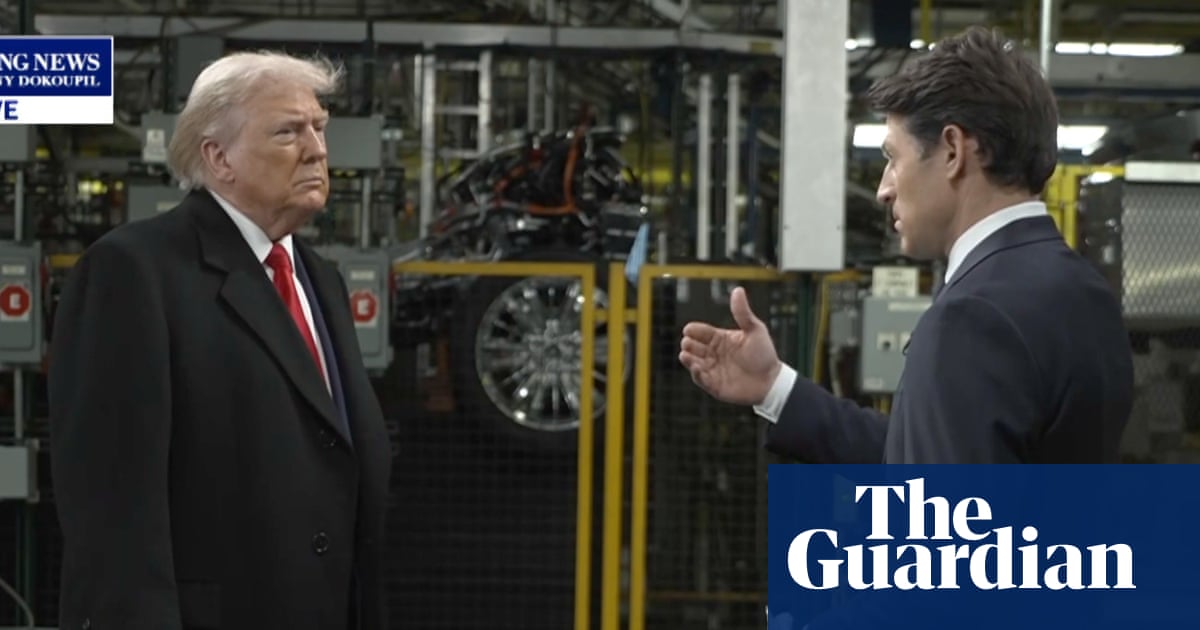
The revelation that CBS News anchor Tony Dokoupil was pressured into airing an unedited interview with President Trump, accompanied by a blunt legal warning from the White House, underscores the ongoing challenges faced by journalists in politically charged environments. This incident not only highlights the aggressive tactics employed by the Trump administration to influence media coverage but also raises important questions about editorial independence and the role of the press in holding power to account.
As media consumers, staying informed about these behind-the-scenes dynamics is essential. For journalists and news organizations, maintaining transparency and resisting undue political pressure remains a critical mission. To stay updated on the latest developments in media and politics, subscribe to our newsletter and follow our in-depth coverage.