US TV hosts back Kimmel as Trump threatens networks
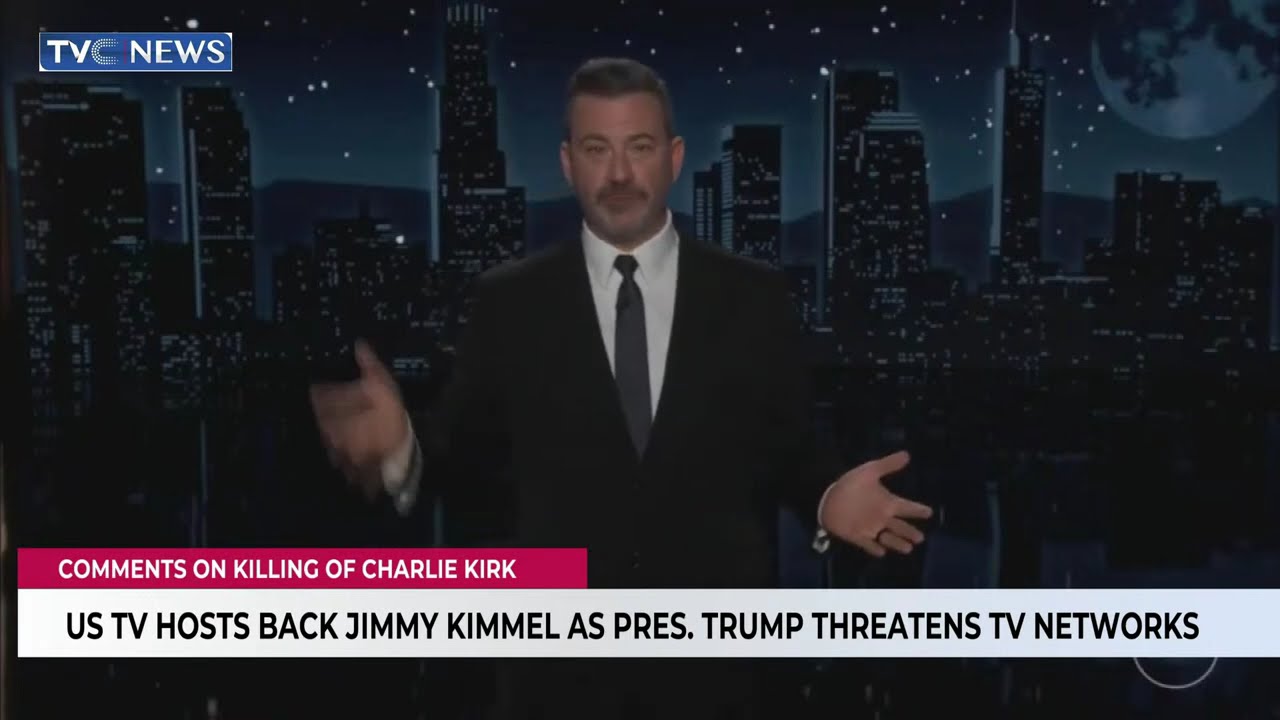
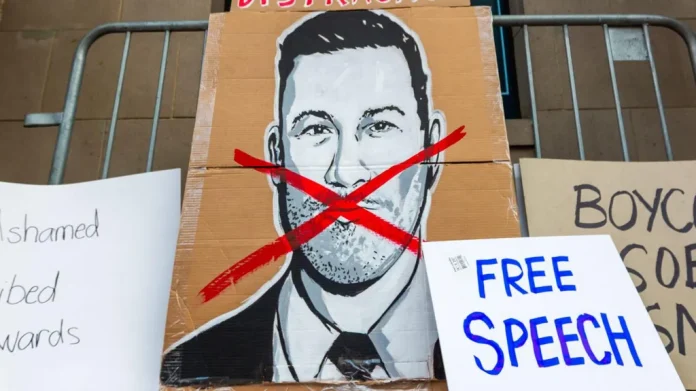
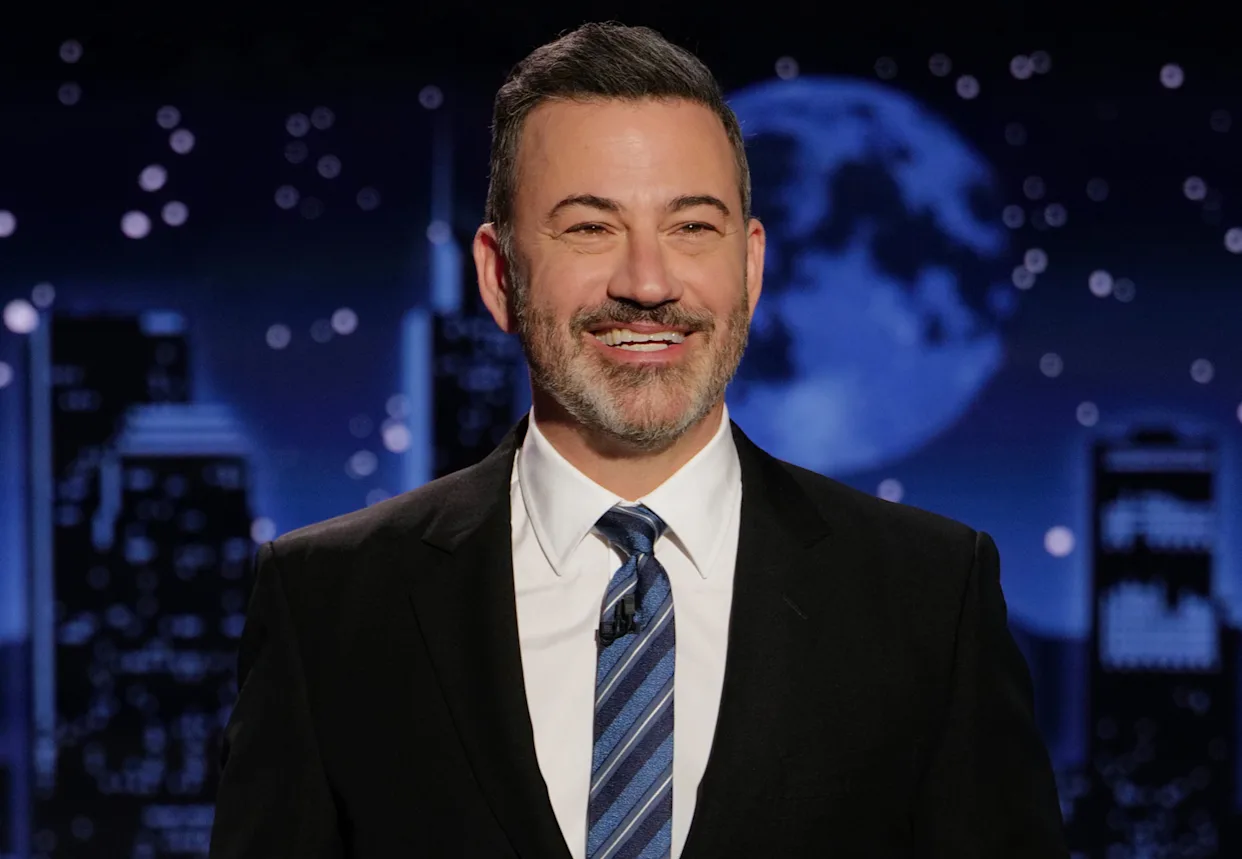
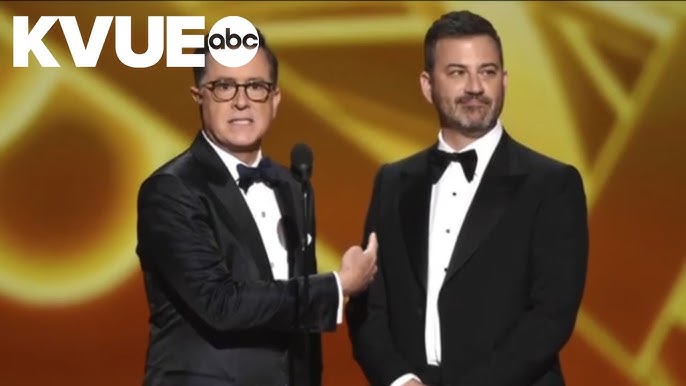
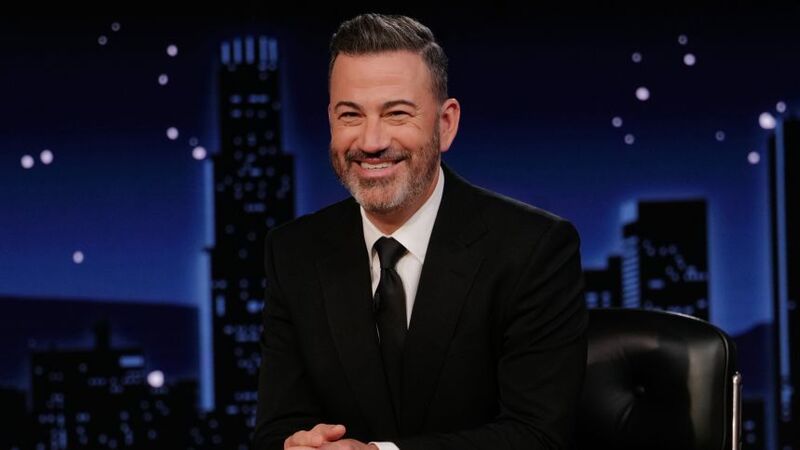
In the tumultuous landscape of American media, the recent suspension of comedian Jimmy Kimmel by ABC has sparked a passionate debate surrounding free speech and censorship. The incident emerged following comments made by Kimmel that targeted conservative activist Charlie Kirk, after a tragic incident involving Kirk. Critics quickly labeled Kimmel’s remarks as offensive, prompting the network to pull his show off-air temporarily.
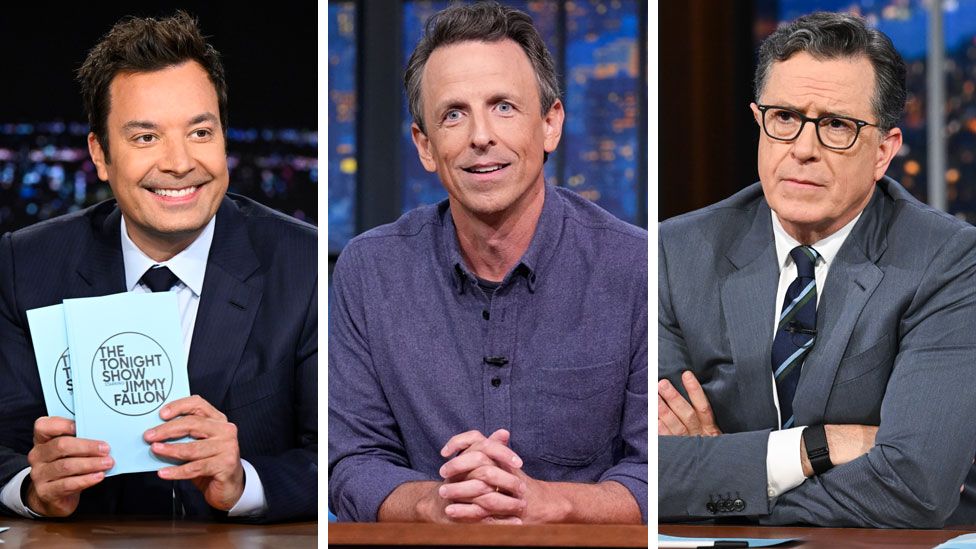
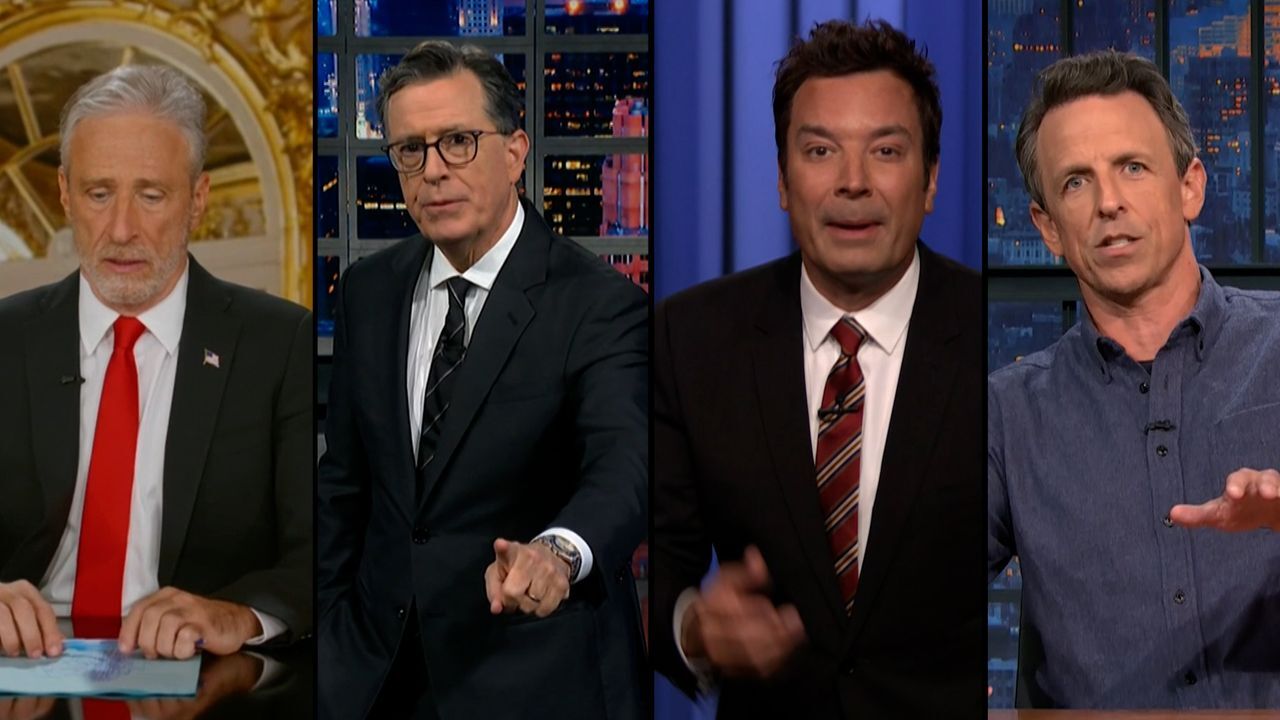
The uproar over Kimmel’s suspension has resonated strongly within the late-night television community. Esteemed hosts like Stephen Colbert, Seth Meyers, Jon Stewart, and Jimmy Fallon have come out in staunch support of Kimmel, condemning the network’s actions as a troubling encroachment on free expression. Colbert described the suspension as “blatant censorship,” warning that it signals a dangerous trend against media figures who challenge the status quo. Meyers also voiced his concerns, arguing that preserving free expression is crucial in the current climate of American democracy.
The Context of Kimmel’s Remarks
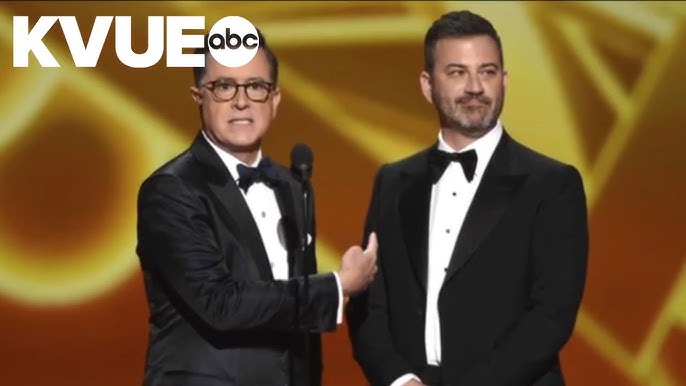
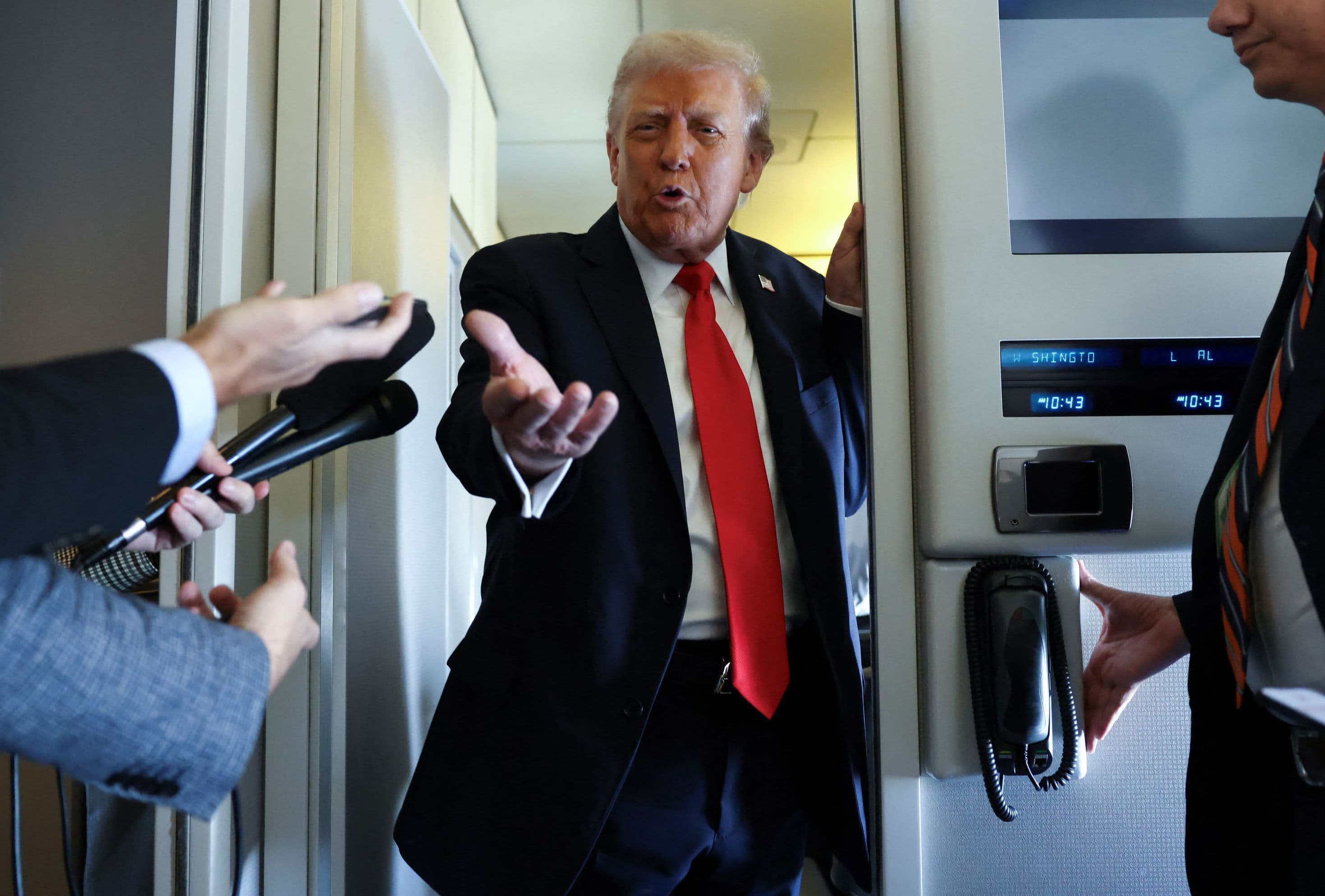
The controversy ignited during one of Kimmel’s monologues, in which he critiqued the responses from former President Trump and his allies following the tragic event connected to Kirk. Kimmel humorously likened the political reactions to a child grieving the loss of a pet, a comparison that did not sit well with some conservatives. This response raised the ire of figures such as FCC Chairman Brendan Carr, who accused Kimmel of being misleading.
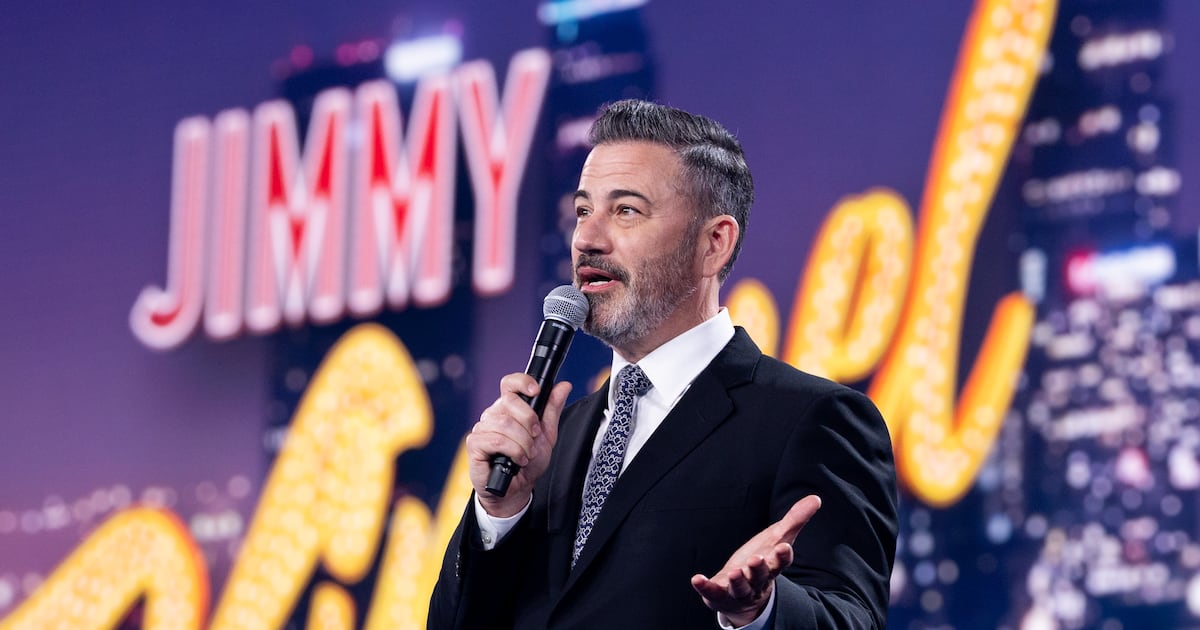
In the wake of these comments, Kimmel’s suspension drew a mix of ire and support, revealing a rift along political lines. Conservative commentators, including Greg Gutfeld, argued that there should be boundaries to free speech within network television. On the other hand, liberal commentators expressed that the suspension signifies a disconcerting trend of corporate media bending to political pressure, further complicating the relationship between media and politics in the United States.
The Reaction from Late-Night Hosts
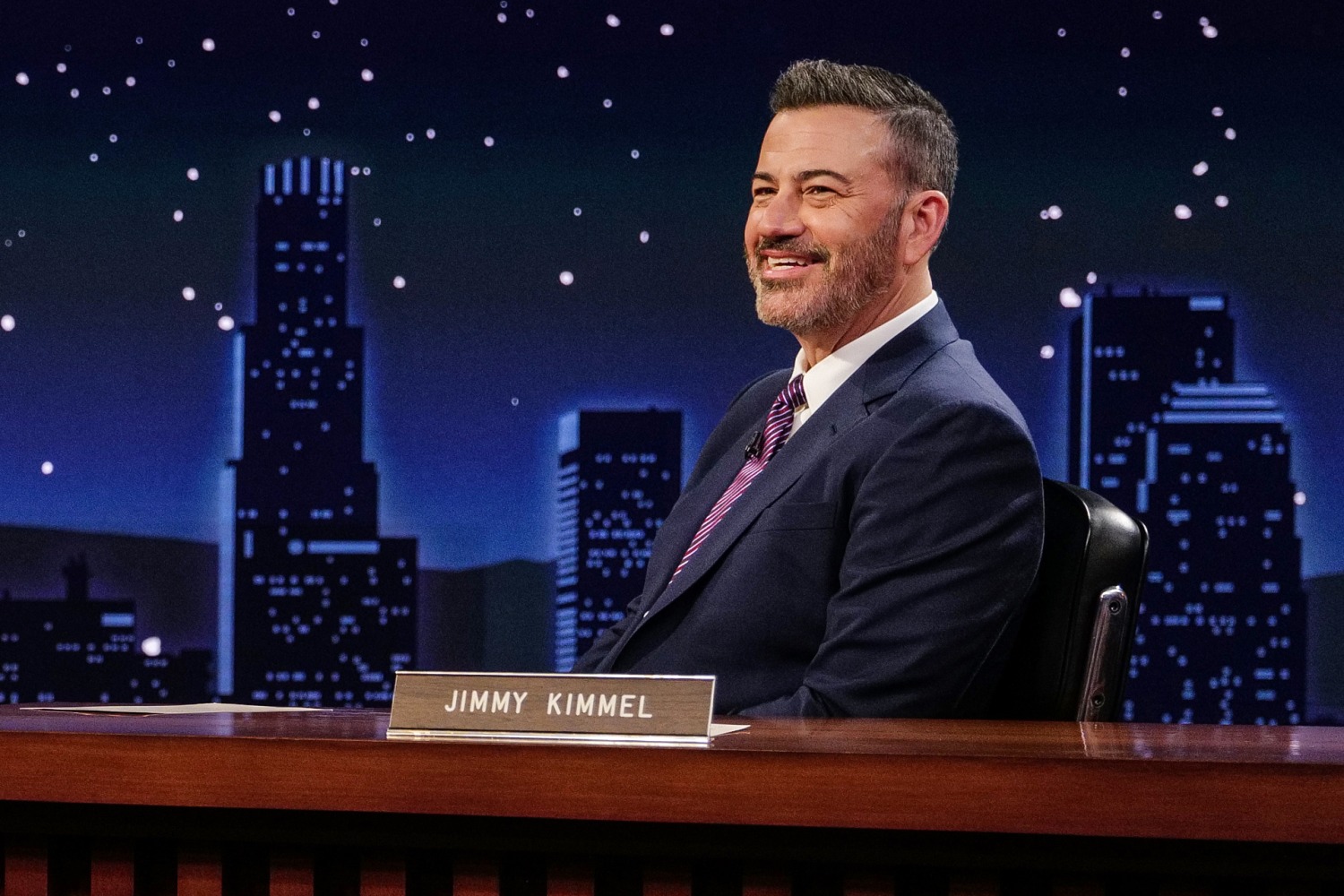
As news of Kimmel’s suspension spread, responses from other late-night hosts flooded in, amplifying the conversation around freedom of speech in television broadcasting. Stephen Colbert took to social media to express his disapproval, labeling the actions against Kimmel as both hypocritical and alarming. He emphasized the essence of comedy as a platform for commentary, making it clear that curbing creative expression undermines the fundamental principles of entertainment and advocacy.
Seth Meyers echoed Colbert’s sentiments by stating, “We must stand up against censorship, especially when it is aimed at voices that provide a critical lens on our society.” Such remarks reflect a growing concern among television personalities who feel their freedom to critique political figures is under threat. Jon Stewart, a veteran of late-night TV, chimed in as well, asserting that such measures could potentially instill a “chilling effect” on comic expression across the spectrum.
Implications for Free Speech and Media Censorship
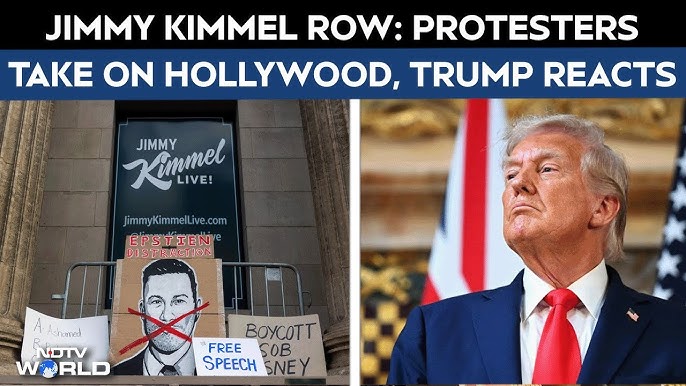
This incident raises profound questions about the interplay between media, politics, and free speech in America. With the current state of divisive media narratives, many believe that Kimmel’s suspension may be indicative of broader issues facing creative expression in the entertainment industry. Critics argue that as corporate interests increasingly intersect with political narratives, creativity suffers, and artists may self-censor in fear of backlash or reprimand from management or politically-minded audiences.
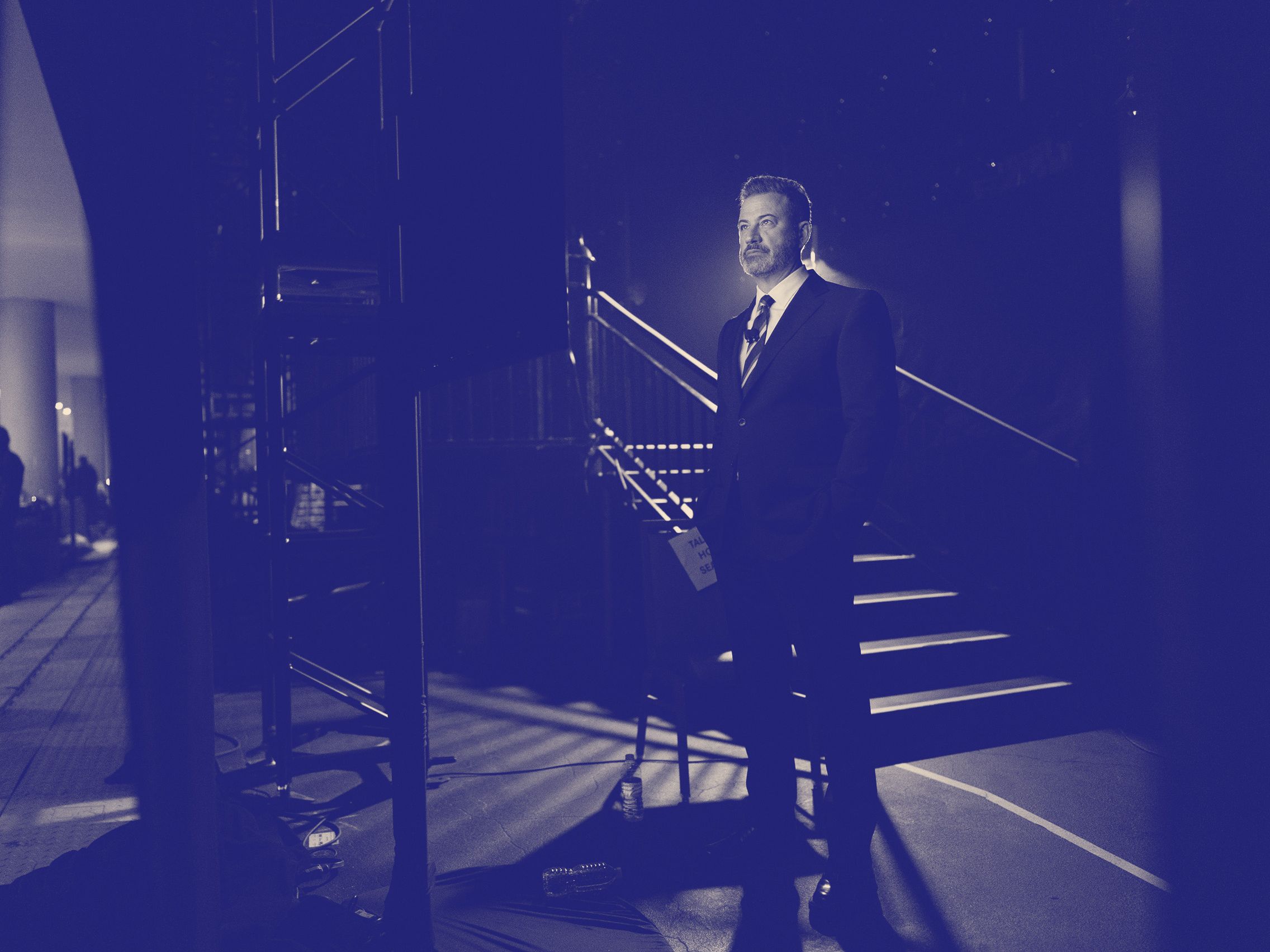
The divide isn’t just entertainment vs. politics; it reflects deeper ideological battles within society. Numerous commentators argue that this incident illustrates a worrying trend where media figures who challenge or question authority face repercussions. The contrast in reactions between left-leaning and right-leaning commentators only serves to highlight the polarization of opinions about what constitutes acceptable commentary in the realm of public discourse.
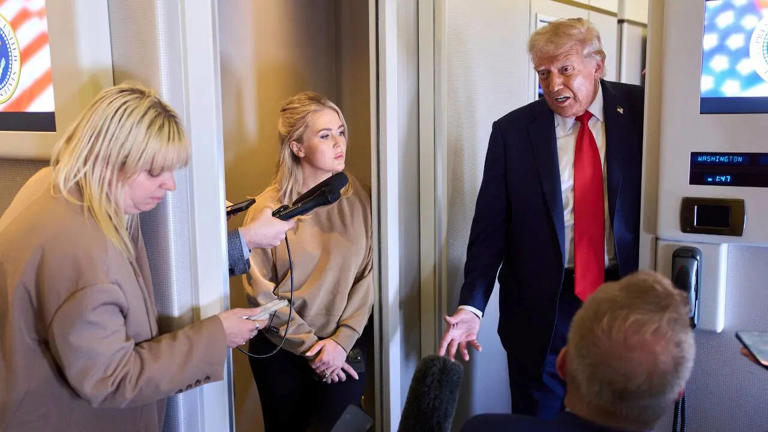
As the narrative surrounding Kimmel continues to unfold, the late-night community remains alert. If left unchecked, some fear that these actions could lay the groundwork for more extensive forms of censorship across different media platforms. It is crucial that a dialogue persists to protect the rights of comedians and commentators to express their opinions without fear of reprimand or suppression.
Conclusion
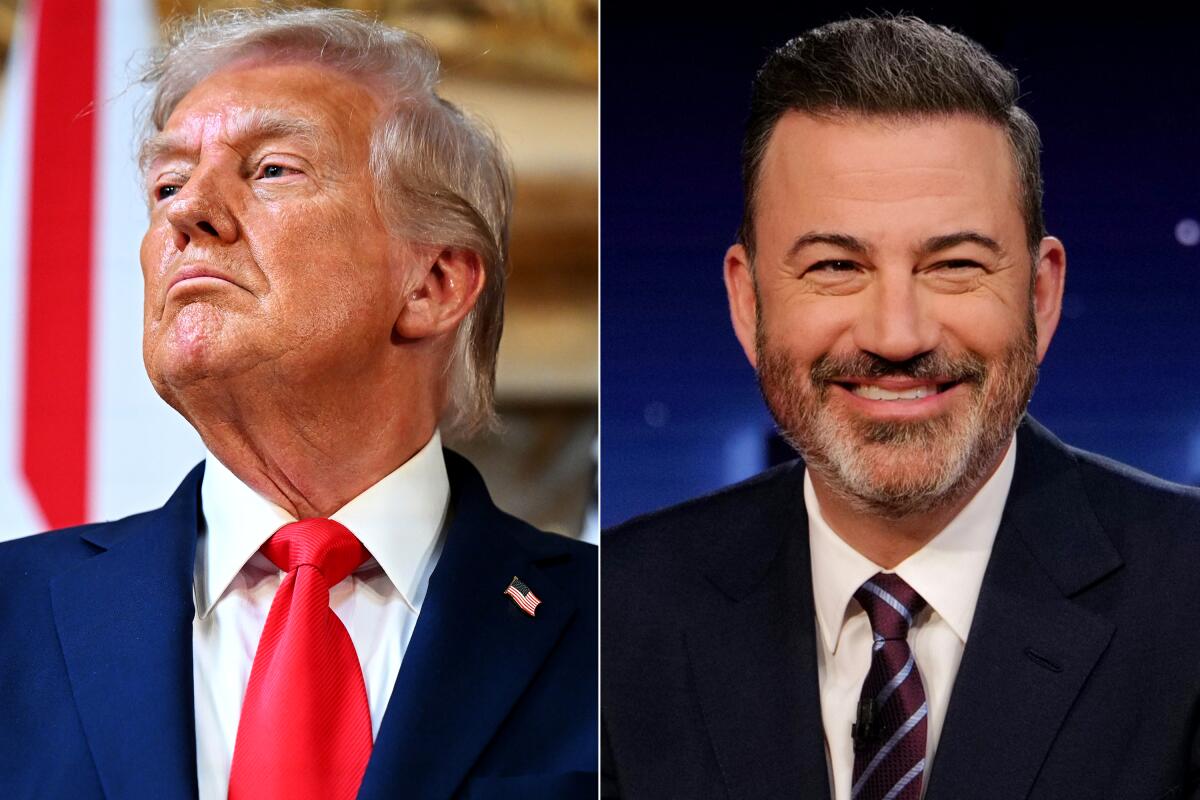
The ongoing situation with Jimmy Kimmel serves as a reminder of the delicate balance between media responsibility and free expression. As supporters rally behind Kimmel and the call for safeguarding creative voices grows louder, it’s essential for audiences to remain vigilant about the implications of censorship. As viewers, let’s advocate for open discourse and stand against any efforts to stifle freedom of speech in our media landscape. Join the conversation and make your voice heard in support of free expression today!