Trump Praises Kimmel Suspension, Targets Seth Meyers & Jimmy Fallon Next: ‘Do It NBC!’
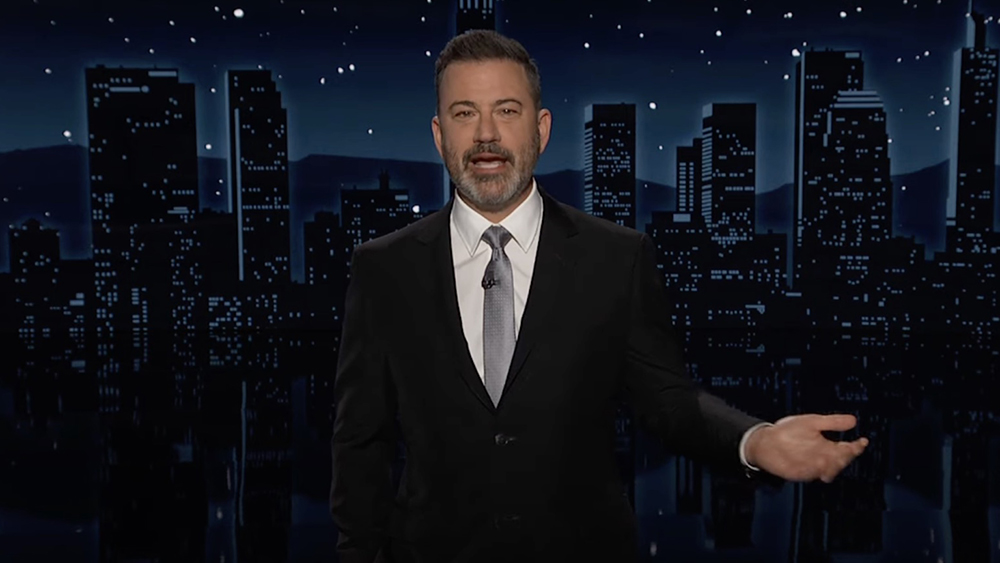
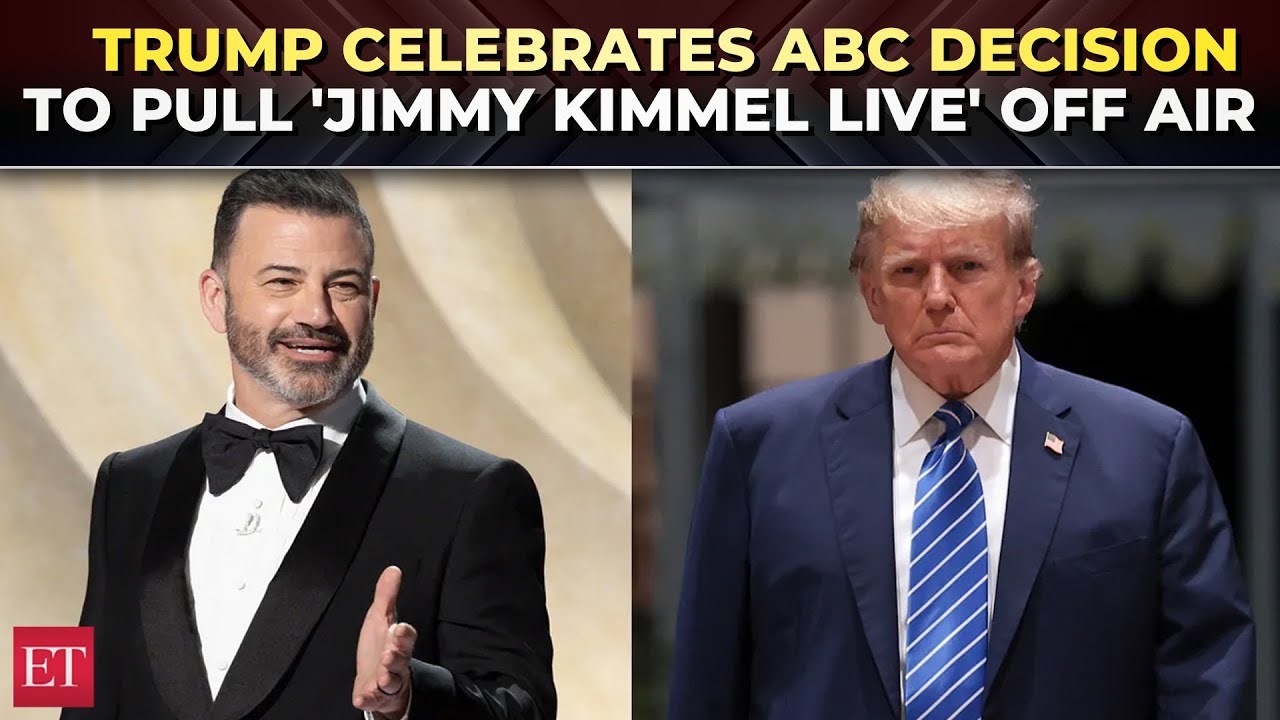
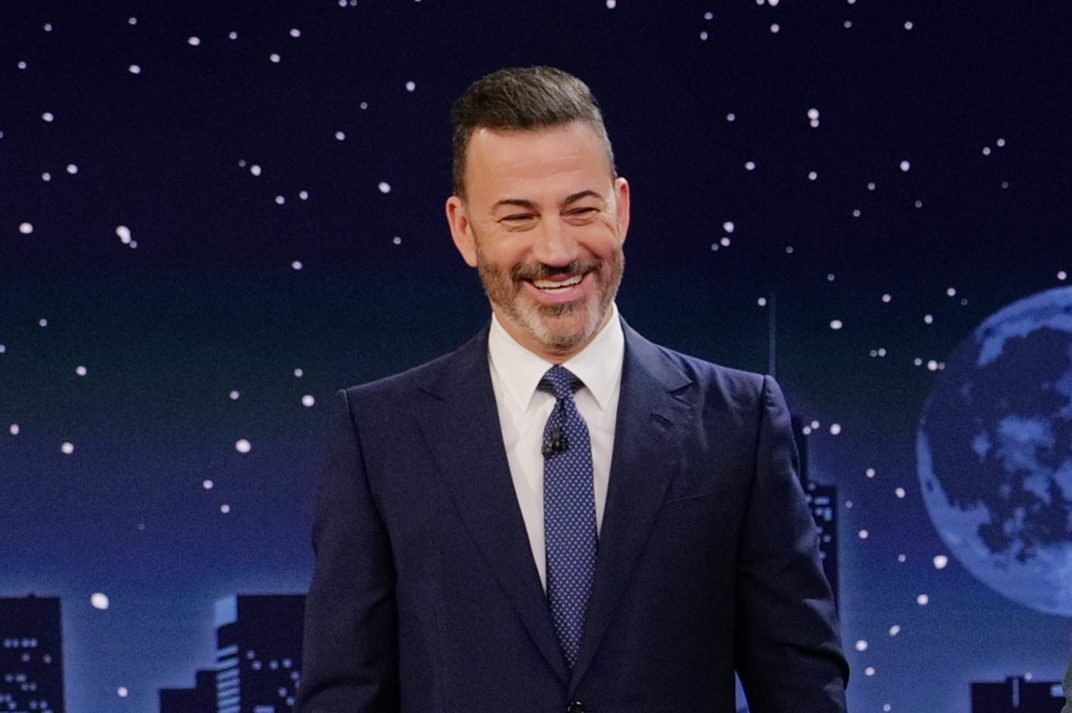
In a significant turn of events in the realm of late-night television, Donald Trump recently expressed his approval of ABC’s decision to suspend Jimmy Kimmel’s show, “Jimmy Kimmel Live!” This action came as a direct response to controversial comments made by Kimmel regarding Charlie Kirk, a notable conservative. The situation has reignited the ongoing debate about the role of political commentary in late-night entertainment and the implications it carries for hosts operating within today’s contentious climate.
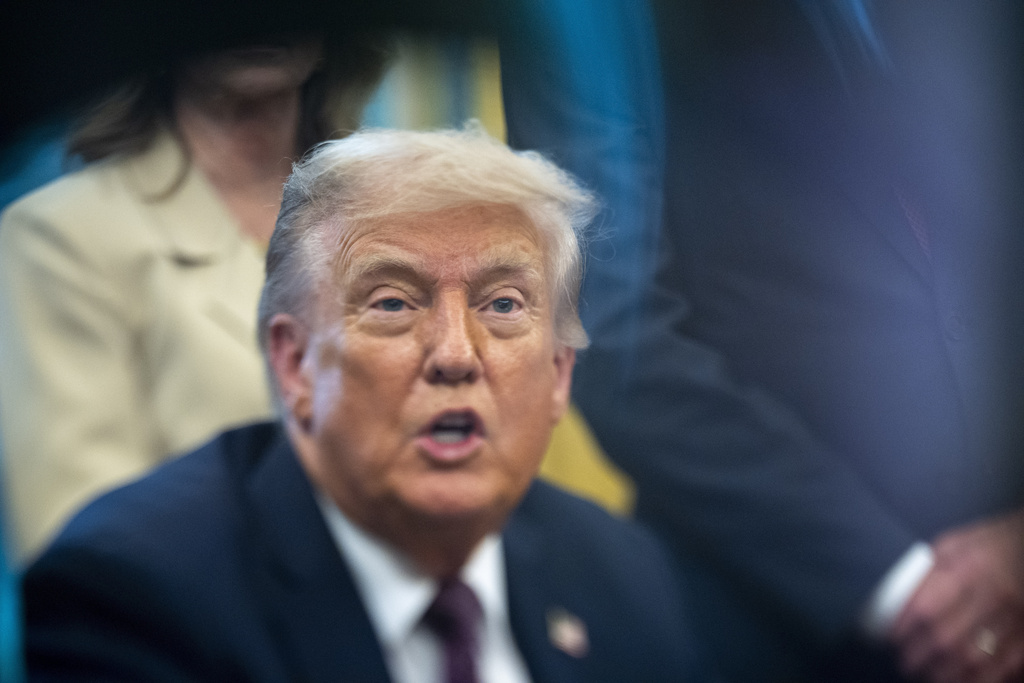
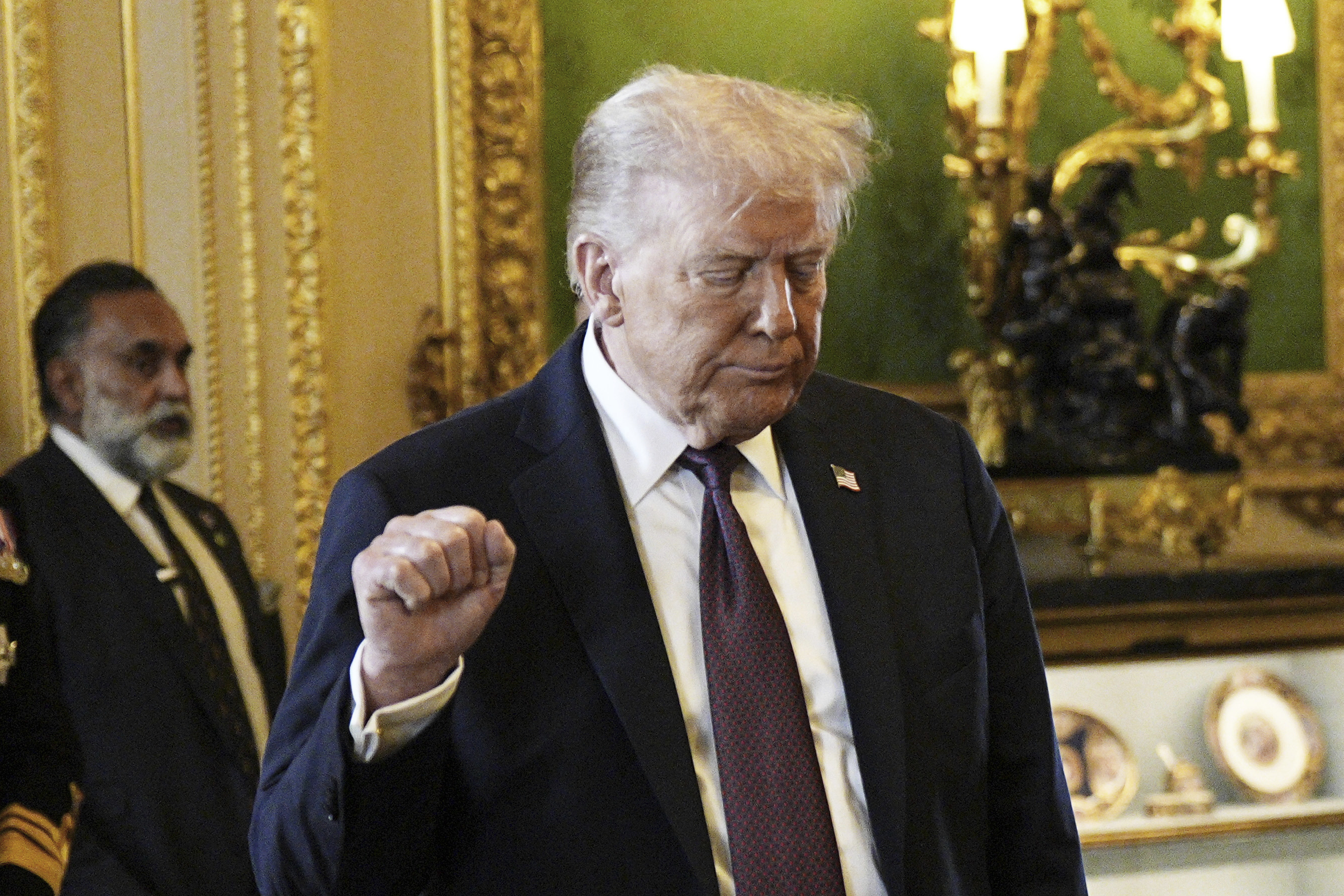
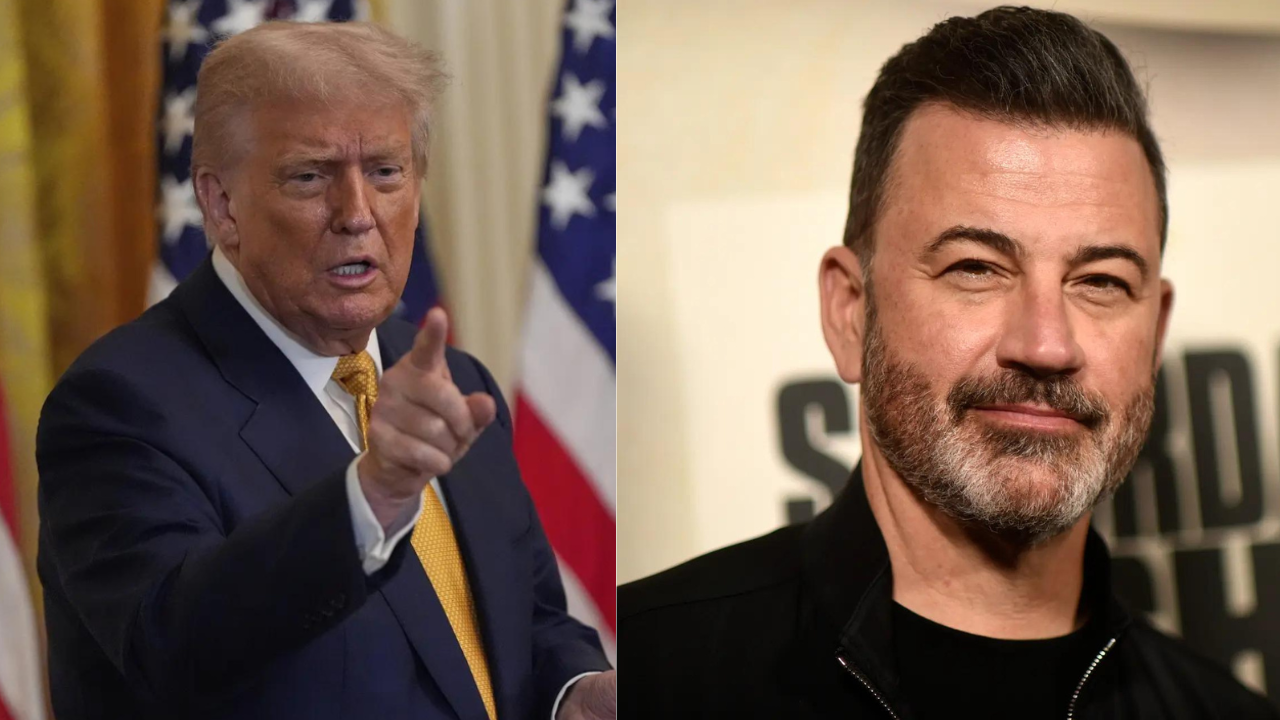
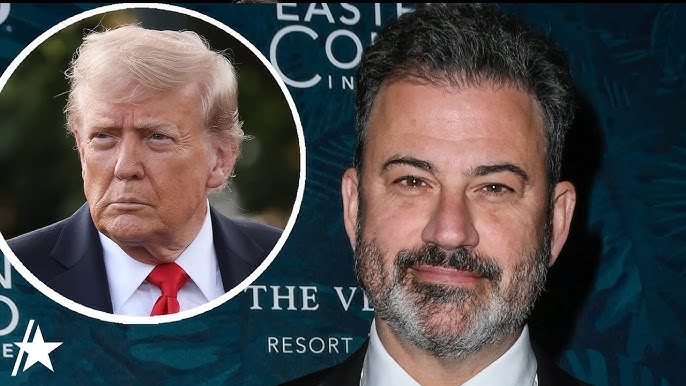
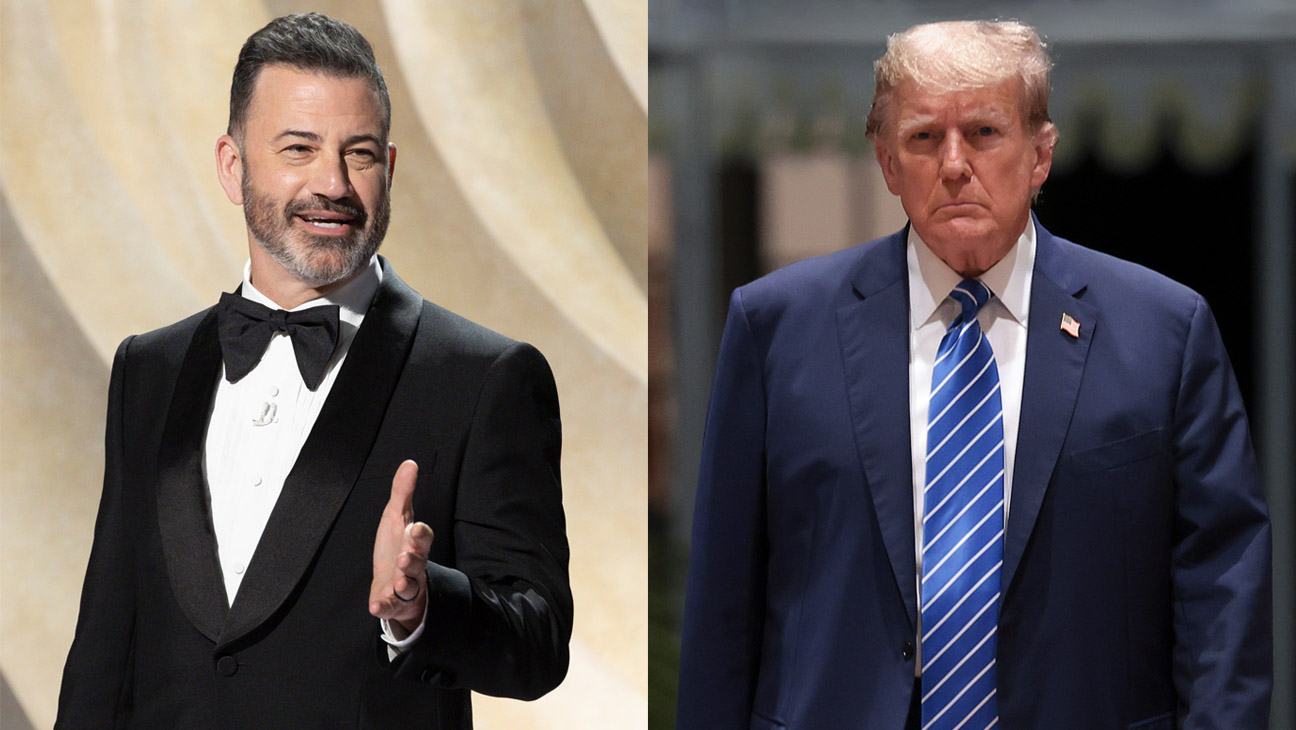
On September 17, 2025, ABC faced mounting pressure from various affiliates, particularly those owned by Nexstar, that opted to preempt Kimmel’s airing following his remarks. Trump took to social media to voice his support for ABC’s decision, going as far as to demand that NBC follow suit with its late-night hosts, Seth Meyers and Jimmy Fallon. This public endorsement by Trump not only underscores his influence in media discussions but also highlights the growing backlash against certain late-night personalities.
The Context Behind Kimmel’s Suspension
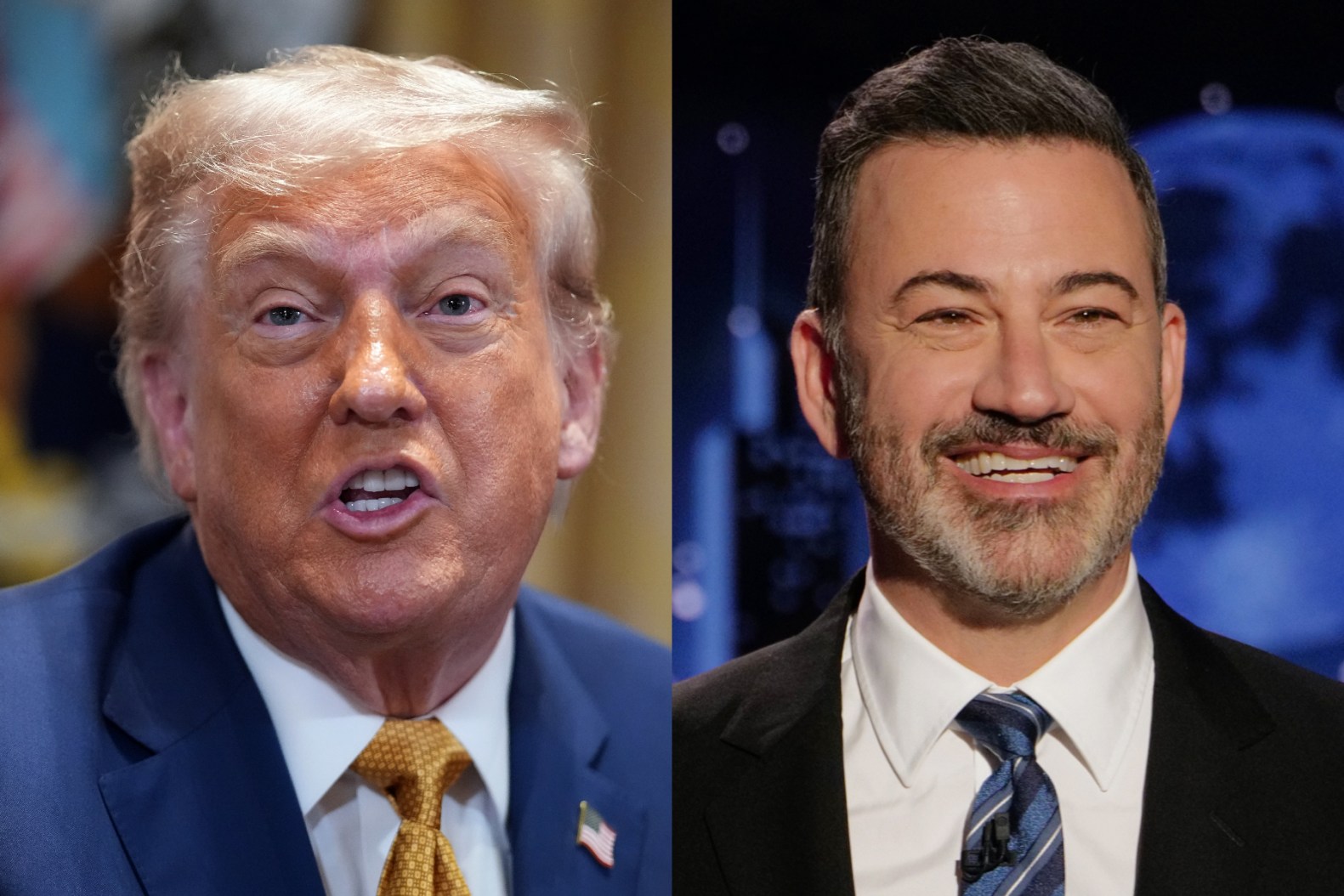
Jimmy Kimmel’s suspension stemmed from comments he made while discussing a shooter connected to Charlie Kirk. Kimmel criticized the way political factions often exploit such incidents for their own narratives, saying they mischaracterize reality for political gain. His remarks sparked outrage, leading affiliates to pull his show from their programming. This proactive measure by Nexstar affiliates played a pivotal role in the resulting suspension from ABC.
The indefinite halt to Kimmel’s show raises questions about the balance between free expression and corporate responsibility in broadcasting. While Kimmel intended to critique the political landscape, the fallout illustrates how quickly comments can result in professional repercussions. The decision to suspend Kimmel’s show rather than cancel it outright indicates that ABC may be weighing its options, already facing scrutiny over its late-night programming content.
Trump’s Criticism: Targeting Other Late-Night Hosts
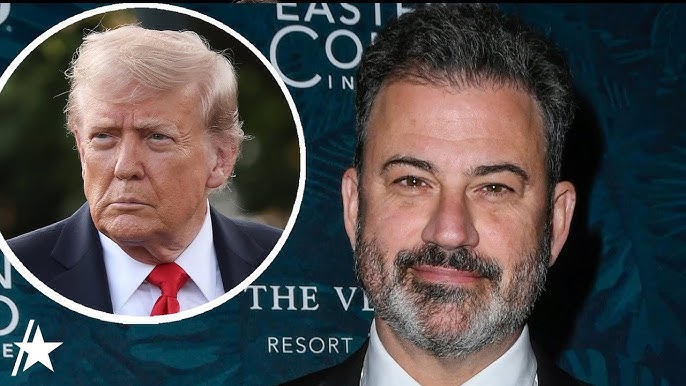
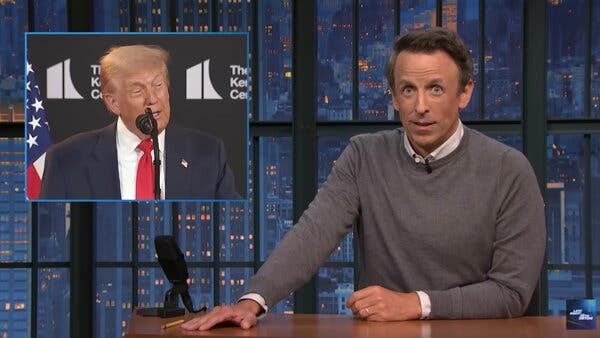
Following his praise for Kimmel’s suspension, Trump redirected his focus towards both Seth Meyers and Jimmy Fallon, challenging them to share Kimmel’s fate. He lambasted both hosts for what he perceives as “low talent” and “poor ratings” on their respective shows. In his statements, Trump called upon NBC to make a similar decision regarding their late-night lineup, boosting the narrative that he is advocating for a more politically sensitive approach in television production.
This strategy mirrors Trump’s historical tactics of leveraging social media to influence public opinion and corporate policies. By publicly attacking Kimmel’s colleagues, he embarks on a campaign not only to rally his base but also to apply pressure on networks regarding their programming decisions and the portrayals of conservative figures within the media.
The Broader Implications for Late-Night Television
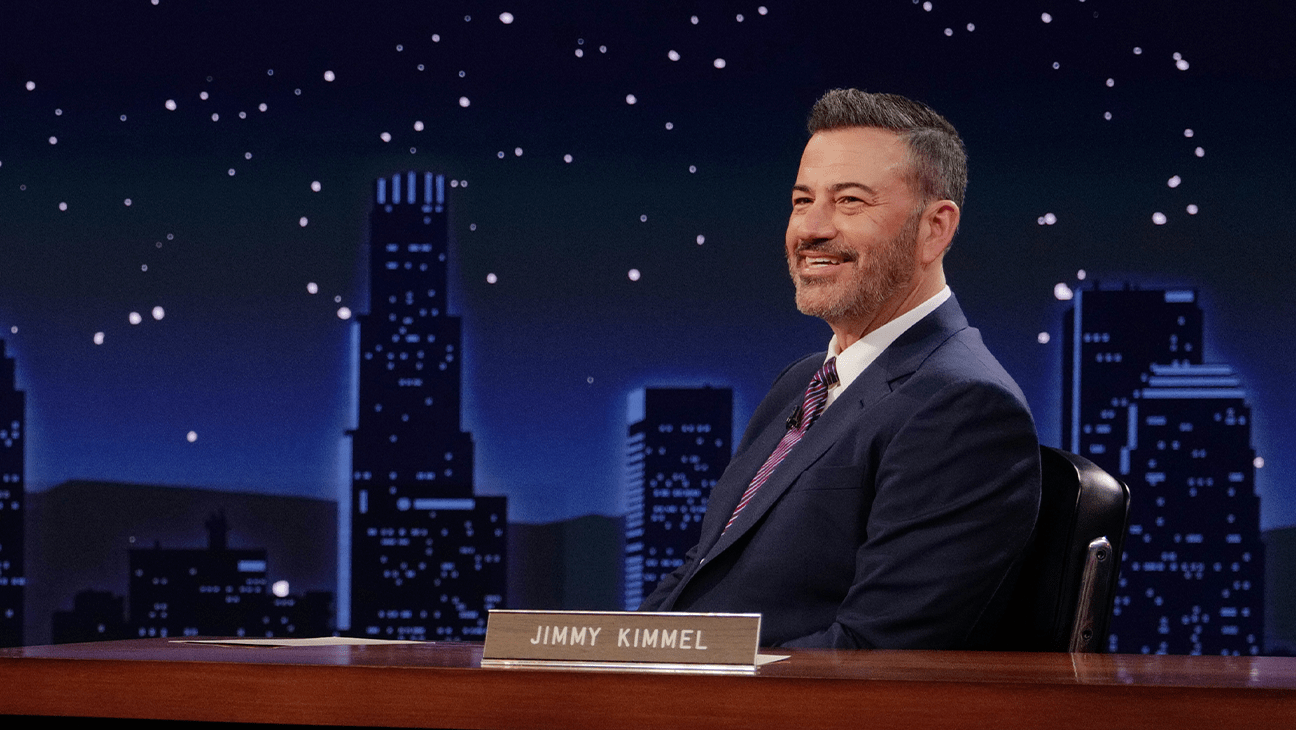
The suspension of “Jimmy Kimmel Live!” signifies more than just one comedian’s misstep; it reflects the increasing polarization surrounding late-night television today. The interplay between entertainment and political discourse is becoming more vital, as audiences segment into ideology-based factions. Late-night hosts often incorporate political commentary; Kimmel, Meyers, and Fallon have built their brands on humor intertwined with news and social critique. However, as the boundaries of acceptable speech continue to shift, hosts may find themselves facing significant backlash for their expressive content.
ABC’s decision to suspend Kimmel highlights how the network navigates these deep-seated tensions in a politically charged environment. While it may appease certain audience segments, the risks of alienating others remain palpable. The dynamics at play suggest that late-night television is at a crossroads, with hosts needing to recalibrate their approaches to avoid pitfalls while resonating with their viewer base.
Conclusion
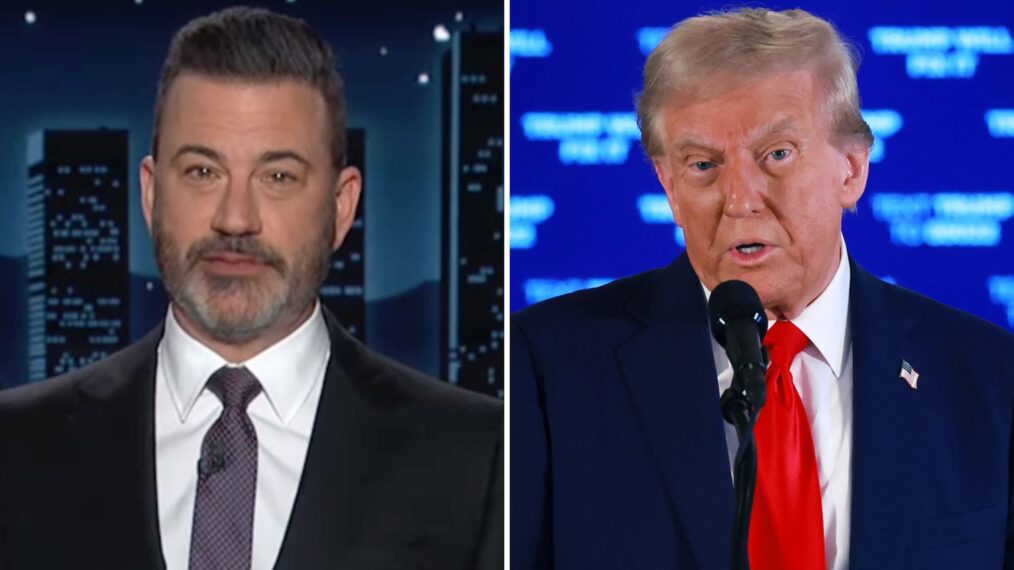
The events surrounding Jimmy Kimmel’s suspension echo larger questions about media responsibility, artistic expression, and political polarization in America. As Trump calls for NBC to take action against Meyers and Fallon, the ongoing narrative reinforces the need to address accountability in television programming. Viewers are left to consider where the line should be drawn and how late-night hosts will adapt moving forward. For more insights and updates on the evolving landscape of late-night television, be sure to follow our page!