

Warning Signs Of Dehydration You Should Never Ignore
Understanding the Warning Signs of Dehydration
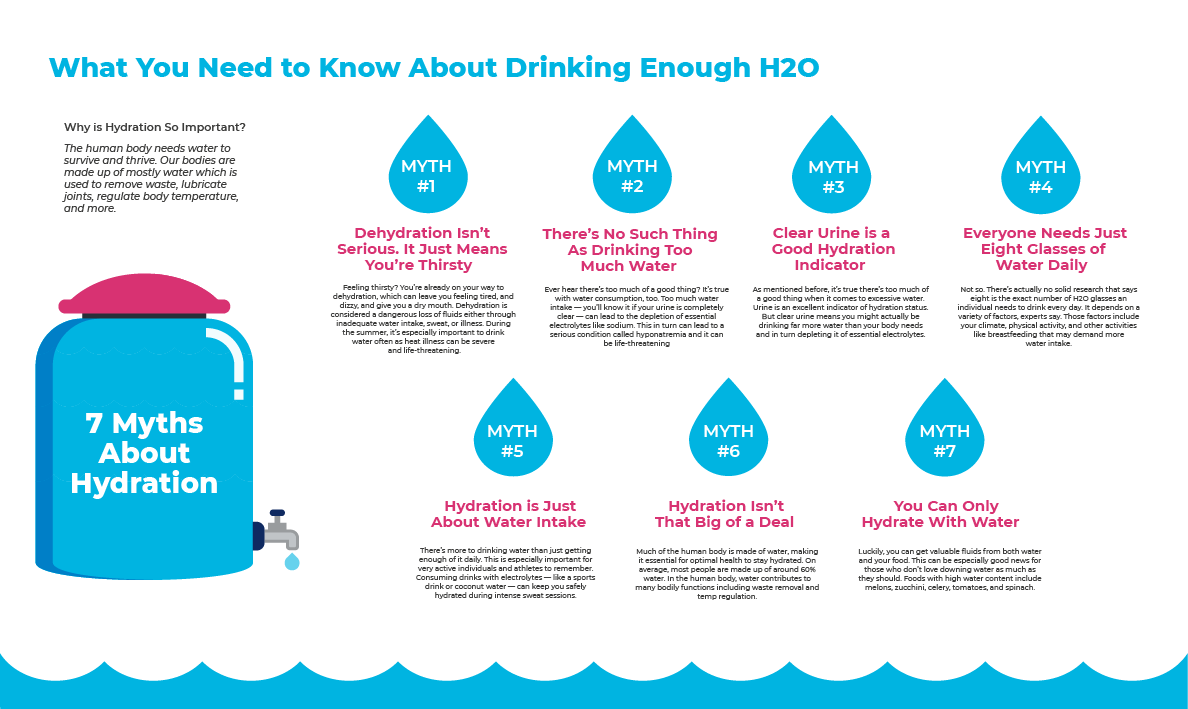
Dehydration occurs when your body loses more fluids than it takes in, disrupting the balance of essential electrolytes and water necessary for normal bodily functions. Since the human body is composed of approximately 60% water, even a slight deficit can lead to significant health issues. Recognizing the warning signs of dehydration early is crucial to prevent complications ranging from mild discomfort to life-threatening conditions.
Why Early Detection Matters
Mild dehydration might only cause thirst and dry mouth, but moderate to severe dehydration can impair cognitive function, reduce physical performance, and strain vital organs. In extreme cases, losing 10-15% of your body’s water content can be fatal. Therefore, understanding and responding promptly to dehydration symptoms can save lives.
Key Warning Signs of Dehydration You Should Never Ignore
1. Dark-Colored Urine
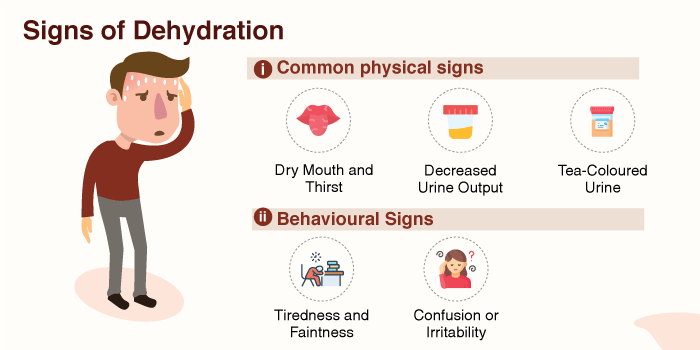
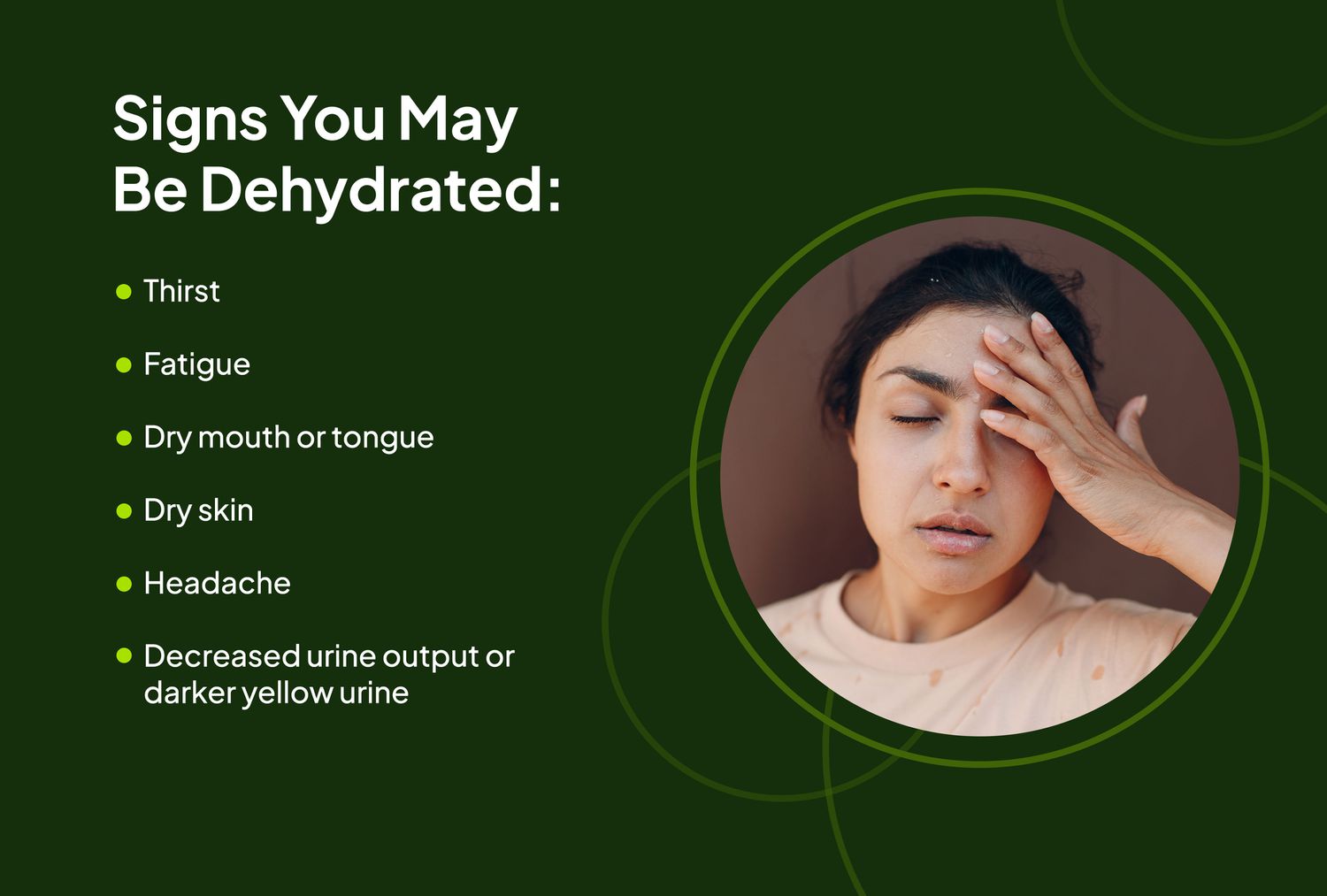
One of the simplest indicators of dehydration is the color of your urine. When adequately hydrated, urine tends to be pale yellow or clear. However, if your urine resembles the color of honey or amber, it may signal that your body needs more fluids. Keep in mind that certain foods, medications, or medical conditions can also alter urine color, so if dark urine persists despite increased water intake, consult a healthcare professional.
2. Feeling Dizzy or Lightheaded
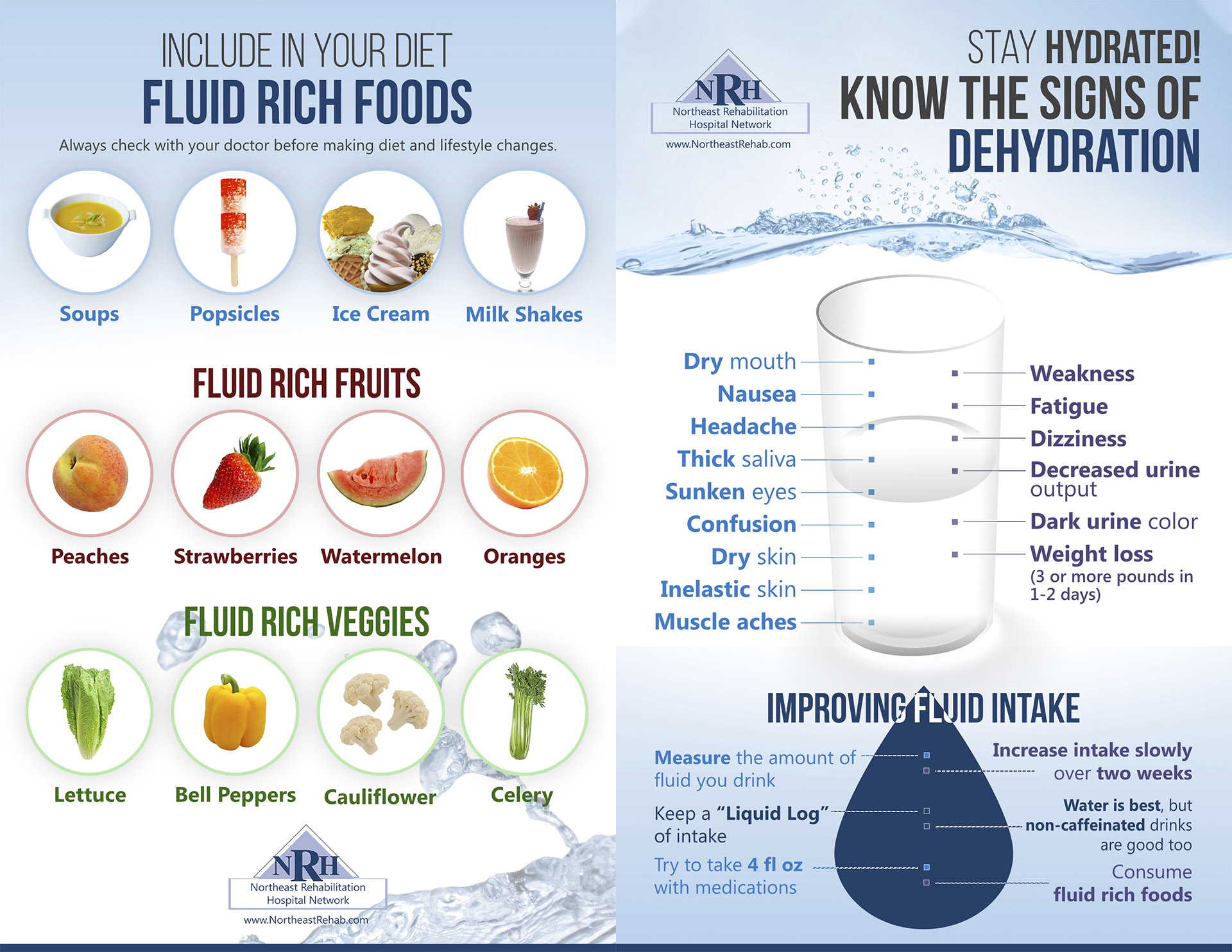
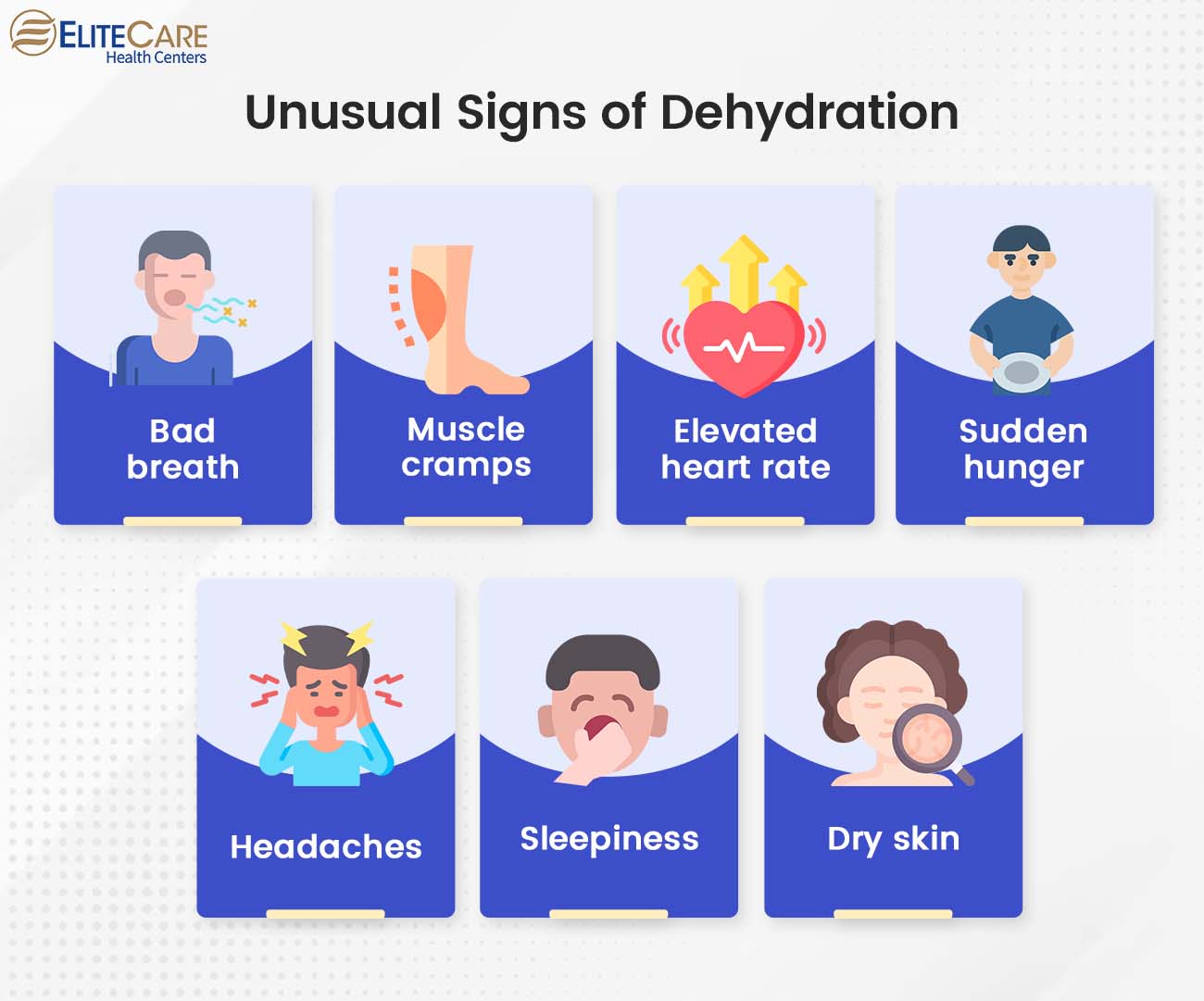
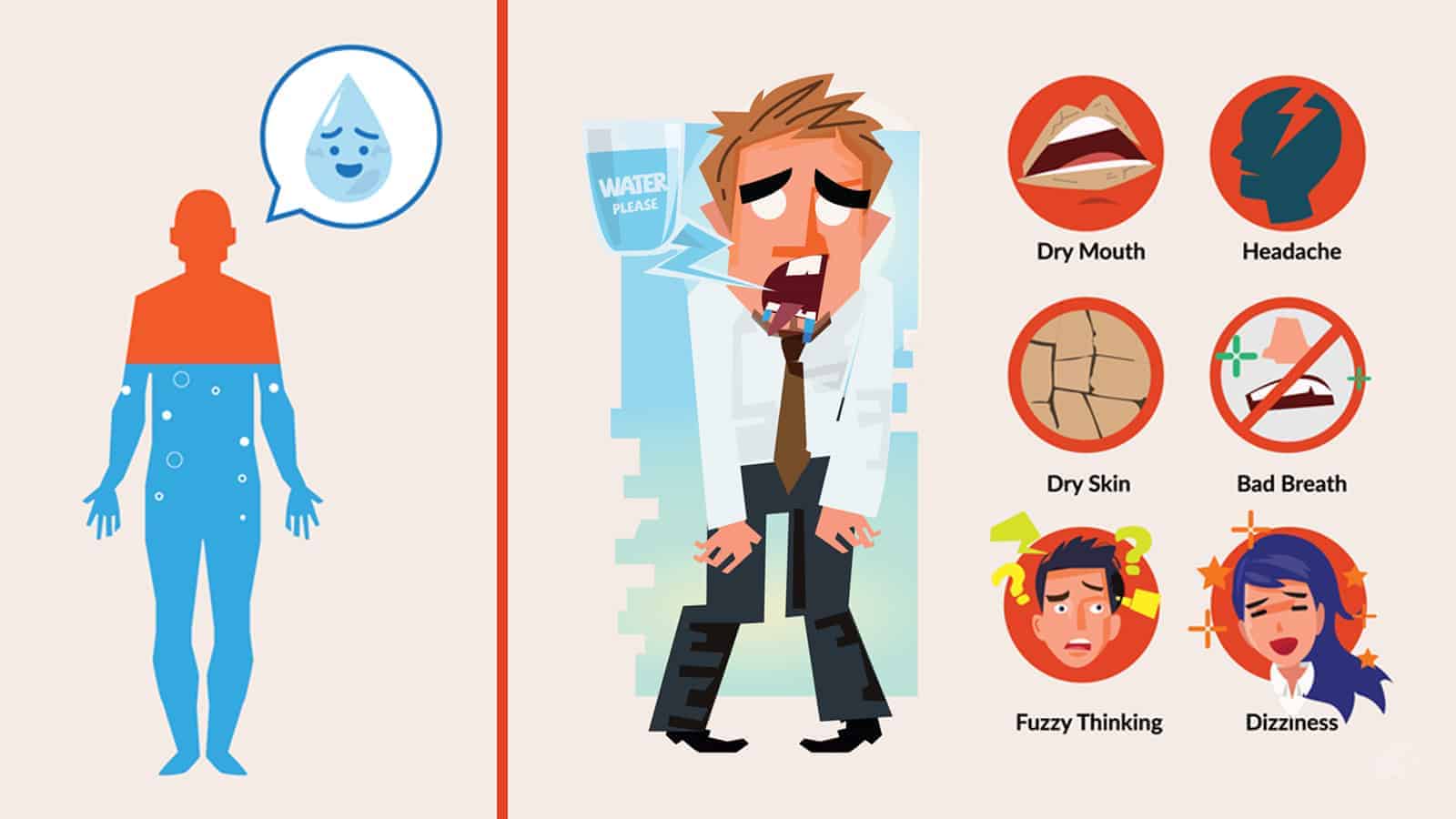
Dizziness is a common symptom of dehydration caused by reduced blood volume and lower blood pressure. This can lead to difficulty maintaining balance, lightheadedness, and even fainting. If dizziness is accompanied by nausea or vomiting, it is essential to seek medical attention immediately, as these symptoms could indicate severe dehydration or other serious health issues.
3. Dry Mouth and Chapped Lips

A dry, sticky feeling in the mouth and cracked, flaky lips are classic signs of dehydration. Saliva production decreases when the body lacks sufficient water, reducing the mouth’s natural ability to fight bacteria and maintain oral health. Persistent dry mouth can lead to bad breath, increased cavities, and gum disease, so staying hydrated is vital for oral hygiene.
4. Fatigue and Weakness
Dehydration can cause a drop in blood volume, making it harder for your heart to pump oxygen and nutrients to muscles and organs. This often results in feelings of fatigue, weakness, and reduced physical endurance. If you notice unexplained tiredness, especially during or after physical activity, consider increasing your fluid intake.
5. Headaches and Confusion
A common but often overlooked symptom of dehydration is headache. When the brain temporarily contracts or shrinks due to fluid loss, it can pull away from the skull, causing pain. Dehydration can also impair cognitive functions, leading to confusion, difficulty concentrating, and irritability. If headaches persist despite hydration, consult a healthcare provider to rule out other causes.
6. Reduced Urine Output
Dehydration often leads to oliguria, a condition characterized by producing less urine than normal. If you notice that you are urinating less frequently or in smaller amounts, it may be your body’s way of conserving water. This is a serious sign that requires immediate attention, especially if accompanied by other symptoms like dizziness or rapid heartbeat.
7. Rapid Heart Rate and Breathing
When dehydrated, the volume of blood circulating through your body decreases, causing your heart to beat faster to maintain adequate blood pressure and oxygen delivery. You may also experience rapid or shallow breathing. These symptoms indicate that your cardiovascular system is under stress and should not be ignored.
8. Dry or Flushed Skin
Dehydration can cause your skin to become dry, less elastic, and flushed. Pinching the skin and watching how quickly it returns to normal (skin turgor test) can help assess hydration levels. Slow skin recoil is a warning sign of dehydration. Additionally, dry skin can lead to itching and discomfort.
9. Muscle Cramps
Loss of fluids and electrolytes can cause painful muscle cramps, especially during or after exercise. If you experience frequent cramps along with other dehydration symptoms, it is important to rehydrate and replenish electrolytes promptly.
Preventing Dehydration: Tips for Staying Hydrated
Prevention is always better than cure when it comes to dehydration. Here are some practical tips to maintain optimal hydration:
– Drink water regularly throughout the day, not just when you feel thirsty.
– Increase fluid intake during hot weather, illness, or physical activity.
– Consume water-rich foods like fruits and vegetables.
– Avoid excessive caffeine and alcohol, which can increase fluid loss.
– Use oral rehydration solutions if you experience vomiting or diarrhea.
– Monitor urine color as a simple hydration gauge.
When to Seek Medical Help
If you or someone else exhibits severe dehydration symptoms such as extreme thirst, very dry mouth, rapid heartbeat, confusion, fainting, or very little or no urine output, seek emergency medical care immediately. Severe dehydration requires prompt treatment with intravenous fluids to restore balance.
Conclusion
Recognizing the warning signs of dehydration you should never ignore is essential for maintaining your health and preventing serious complications. From dark urine and dizziness to headaches and muscle cramps, these symptoms signal that your body needs more fluids. Prioritize hydration by drinking water regularly and adjusting your intake based on activity level and environmental conditions. Don’t wait until symptoms worsen—take action early to protect your well-being. If you suspect severe dehydration, seek medical attention promptly. Stay informed, stay hydrated, and take control of your health today!