
Top White House Aide Stephen Miller Acknowledges Possible Breach of Protocol Before Alex Pretti’s Shooting
In a recent development that has captured national attention, Stephen Miller, a senior aide to the White House, has publicly acknowledged a possible breach of protocol preceding the shooting incident involving Alex Pretti. This admission has raised critical questions about security measures and procedural adherence within the White House complex, especially concerning the safety of individuals in proximity to high-profile officials.
Understanding the Possible Breach of Protocol Before Alex Pretti’s Shooting
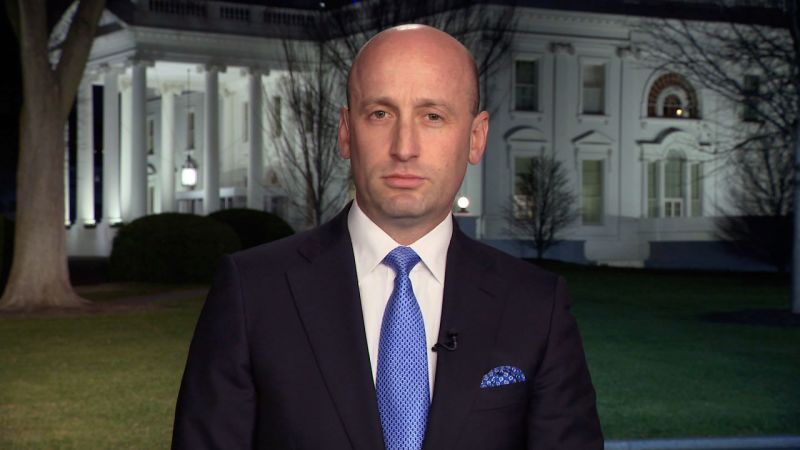
The incident involving Alex Pretti, which tragically culminated in a shooting, has prompted a thorough review of the security protocols that were in place at the time. Stephen Miller’s acknowledgment signals a significant moment in the investigation, as it suggests that established procedures may not have been fully observed.
Security protocols in sensitive government environments like the White House are designed to prevent unauthorized access, manage risks, and protect both personnel and visitors. Any deviation from these protocols can have severe consequences, as seen in this case. The potential breach could involve lapses in screening processes, failure to follow chain-of-command communication, or inadequate response to warning signs.
Experts emphasize that protocol adherence is not merely bureaucratic red tape but a critical component of national security. The White House, being a symbol of executive power and a frequent target for threats, relies heavily on stringent security measures. Therefore, even minor oversights can lead to significant vulnerabilities.
The Context and Implications of the Incident

Alex Pretti’s shooting has not only brought to light the immediate security concerns but also sparked a broader conversation about accountability and procedural rigor within government operations. Stephen Miller’s role as a top aide places him at the center of this discourse, as his acknowledgment may influence both public perception and internal reviews.
The investigation is currently examining several facets, including how the breach occurred, who was responsible, and what systemic changes are necessary to prevent future incidents. Additionally, the incident underscores the importance of continuous training and evaluation of security personnel to ensure they are equipped to handle evolving threats.
From a policy perspective, this event may lead to revisions in security protocols, enhanced surveillance measures, and stricter enforcement of existing rules. It also highlights the need for transparent communication between different branches of security teams to maintain a cohesive defense strategy.
Steps Being Taken to Address the Breach

In response to the acknowledged breach, the White House has initiated a comprehensive review of its security framework. This includes:
– Conducting detailed audits of security procedures and personnel actions on the day of the incident.
– Implementing additional training programs focused on protocol compliance and threat recognition.
– Enhancing coordination among security agencies to improve information sharing and rapid response capabilities.
– Reviewing access control systems to identify and rectify any vulnerabilities.
These measures aim to restore confidence in the White House’s ability to safeguard its premises and personnel. Moreover, they serve as a reminder that vigilance and strict adherence to protocol are indispensable in maintaining national security.
Why Protocol Adherence Matters in High-Security Environments
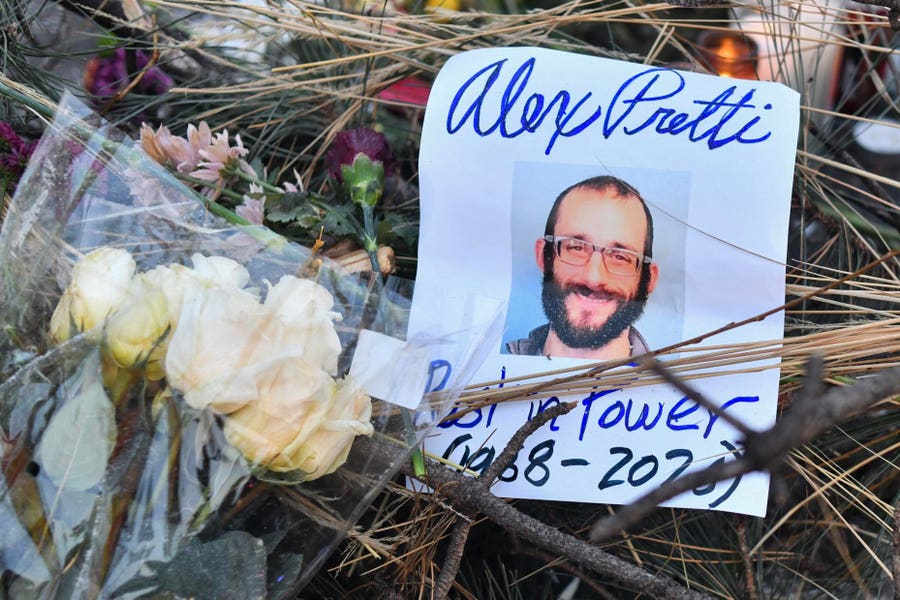
The possible breach of protocol before Alex Pretti’s shooting is a stark reminder of the critical role that established procedures play in protecting lives and maintaining order. In high-security environments such as the White House, every protocol is designed with potential threats in mind, and lapses can have catastrophic outcomes.
Adherence to protocol ensures that security personnel can effectively manage risks, respond to emergencies, and prevent unauthorized actions. It also fosters a culture of discipline and accountability, which is essential for the smooth operation of any security apparatus.
Furthermore, protocol compliance is vital for legal and ethical reasons. It ensures that security measures respect individual rights while maintaining public safety. Failure to follow protocols can lead to legal repercussions and damage the credibility of security institutions.
Lessons Learned and Moving Forward

The incident involving Alex Pretti and the subsequent acknowledgment by Stephen Miller provide valuable lessons for security agencies and government officials alike. Key takeaways include:
– The necessity of regular protocol reviews to adapt to new threats.
– The importance of clear communication channels within and between security teams.
– The value of transparency and accountability in maintaining public trust.
– The need for ongoing training and preparedness drills.
By embracing these lessons, the White House and other high-security institutions can strengthen their defenses and better protect those within their care.
Conclusion
The acknowledgment by Stephen Miller of a possible breach of protocol before Alex Pretti’s shooting highlights the critical importance of strict adherence to security measures in high-profile settings. As investigations continue and reforms are implemented, it is essential for all stakeholders to prioritize safety and accountability. Stay updated on this evolving story and understand how protocol compliance plays a vital role in national security. For more insights and the latest news on government security and protocol updates, subscribe to our newsletter today.