Butter Brands That Are Made With The Lowest-Quality Ingredients
Understanding Why Some Butter Brands Use Low-Quality Ingredients
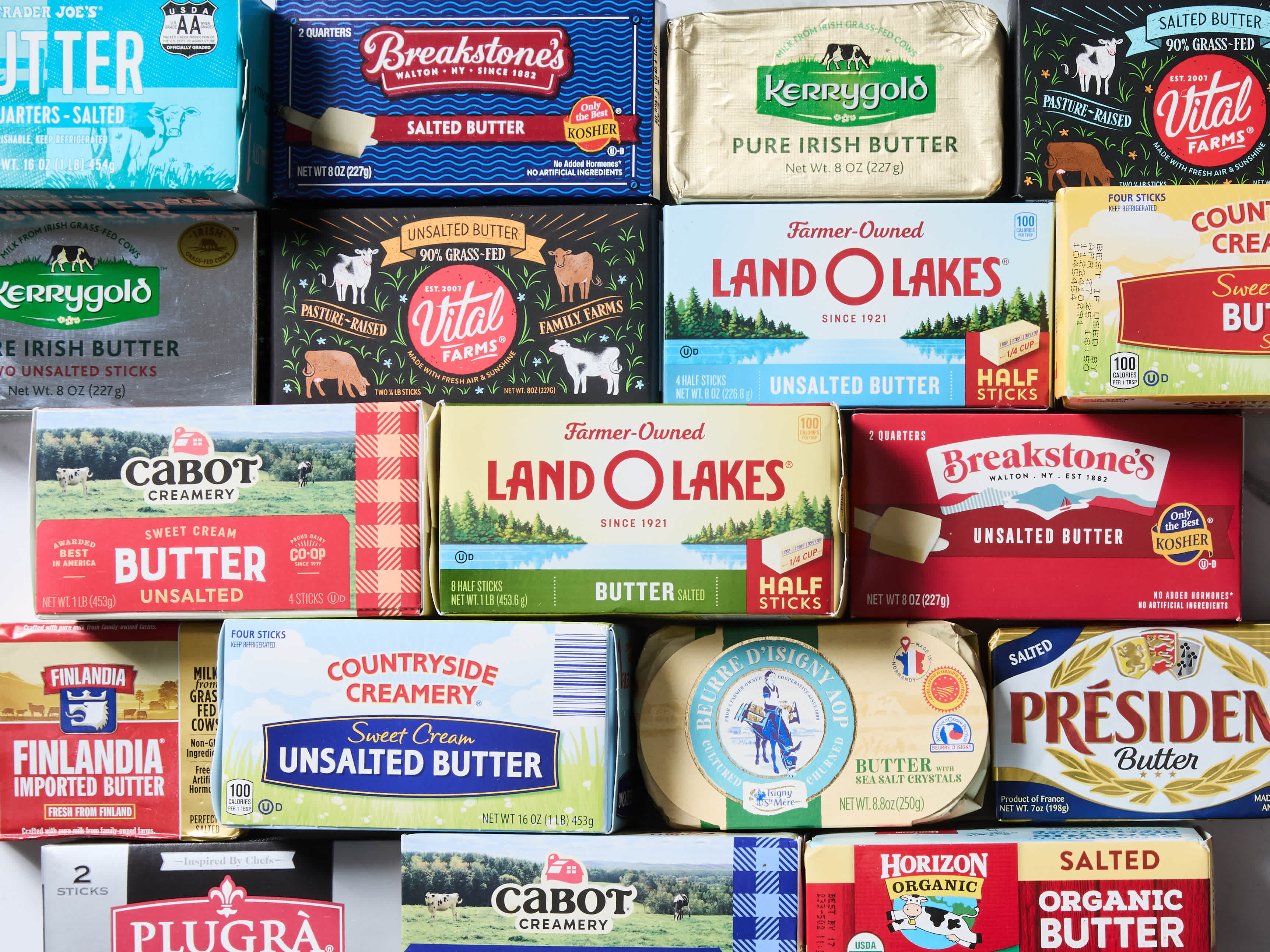
Butter is a beloved kitchen staple, cherished for its creamy texture, rich flavor, and versatility in cooking and baking. However, not all butter or butter-like spreads are created equal. Many grocery store shelves are stocked with products that mimic butter’s taste and texture but are made with low-quality ingredients, including unhealthy oils, preservatives, and artificial additives. These ingredients can negatively impact both flavor and health, making it essential for consumers to be informed about what they are really buying.
Butter substitutes and spreads often appeal to those seeking dairy-free options, lower costs, or perceived health benefits. Unfortunately, many of these products rely heavily on processed oils such as palm oil, soybean oil, and palm kernel oil, which are high in saturated fats and linked to environmental concerns like deforestation. Additionally, additives like mono- and diglycerides, artificial flavors, and preservatives are common in these spreads, raising questions about their nutritional value and safety.
In this article, we will explore some of the most popular butter brands that are made with the lowest-quality ingredients. By understanding what goes into these products, you can make better choices for your family’s health and enjoy genuine buttery flavor without compromise.
Top Butter Brands With Questionable Ingredients to Avoid
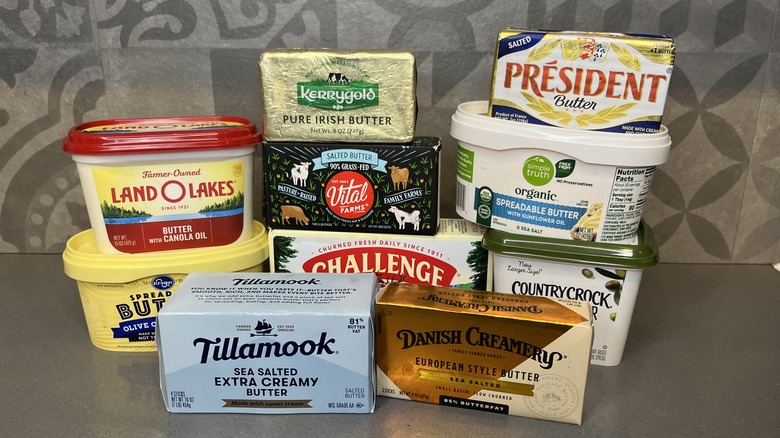
- Country Crock
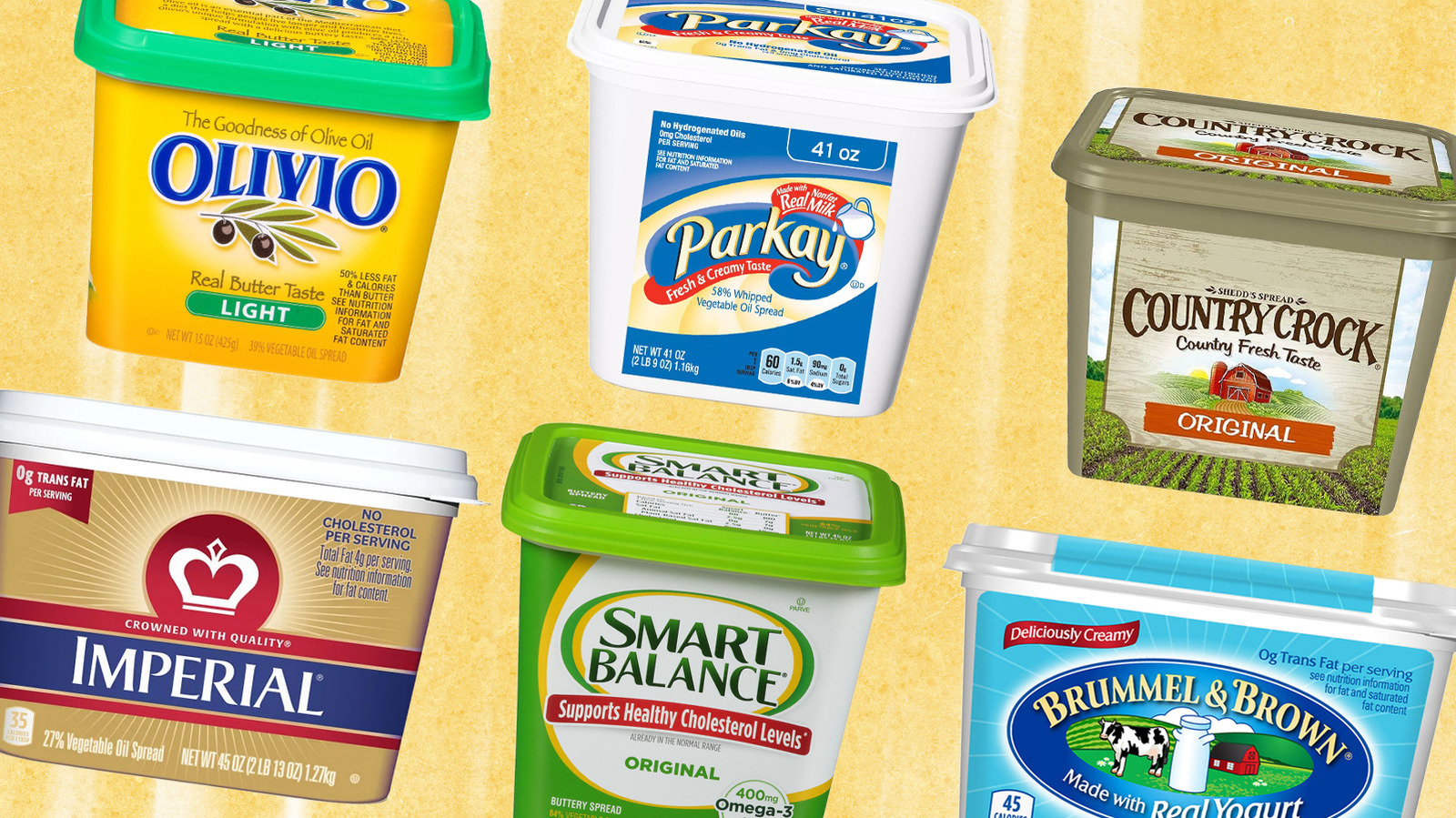
Country Crock has a long history as a butter-flavored spread but contains no real butter or dairy. Its ingredient list includes preservatives, saturated fats, vitamin A palmitate, beta carotene (mostly synthetic), and natural flavors that are highly processed. Despite reformulations aimed at making it “simpler,” it still contains additives that many health-conscious consumers prefer to avoid. -
Brummel & Brown
While marketed as a wholesome spread made with real yogurt, Brummel & Brown contains palm kernel oil and soybean oil, both high in saturated fats. Studies have linked soybean oil to obesity and other health issues. The product is also criticized for its rising price and heavy processing, making it less appealing despite its lower calorie content. -
Imperial
Imperial’s butter substitute contains 48% vegetable oil blend and numerous artificial additives such as distilled monoglycerides, soy lecithin, and calcium disodium EDTA. Though it is dairy-free and popular among lactose-intolerant consumers, the presence of these additives and artificial flavors detracts from its quality. -
Parkay
Parkay’s vegetable oil spread includes soybean, palm, and palm kernel oils, along with mono- and diglycerides that may contain trace trans fats. The brand also uses artificial flavors and preservatives, which can affect both health and taste. Despite its long history, Parkay is not a high-quality butter substitute. -
Move Over Butter
This brand contains fractionated palm oil, which has even higher saturated fat content than regular palm oil. It also includes sodium benzoate and phosphoric acid, additives that raise health concerns. While some consumers praise its taste and affordability, the ingredient list suggests caution. -
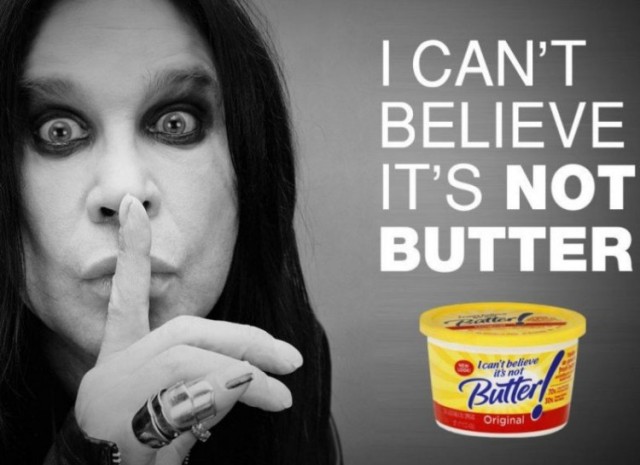
I Can’t Believe It’s Not Butter!
Though it has fewer additives than many competitors, this spread still contains soybean, palm, and palm kernel oils, all high in saturated fats. It also includes “natural flavor,” a vague term that often hides chemical processing. It is cross-contaminated with milk, making it unsuitable for strict dairy-free diets. -
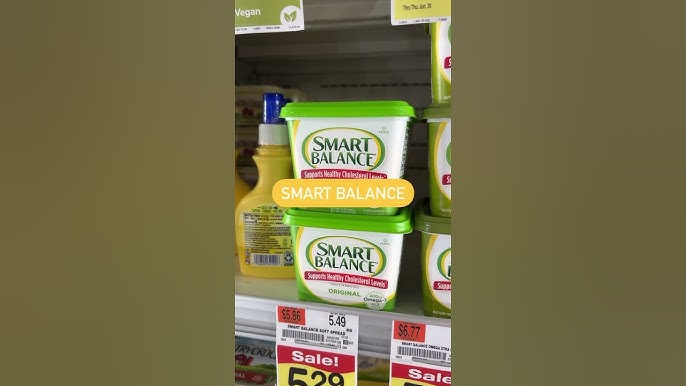
Smart Balance
Smart Balance promotes Omega-3 fatty acids and cholesterol support but contains palm oil, monoglycerides, and artificial flavors. The brand has faced criticism for formula changes that negatively affected taste and texture, leading to consumer dissatisfaction. -
Land O’Lakes Fresh Buttery Taste Spread
Despite Land O’Lakes’ reputation for real butter, this spread is made from soybean, palm, and palm kernel oils, plus additives like mono- and diglycerides. Reviews are mixed, with some consumers disliking the flavor and others appreciating the brand name. -
Blue Bonnet
Blue Bonnet’s vegetable oil spread contains maltodextrin, monoglycerides, calcium disodium EDTA, and a vegetable oil blend high in saturated fats. While affordable, the product’s quality is compromised by its long list of additives. -
Earth Balance Original Natural Buttery Spread
Though marketed as natural and containing canola, olive, and flaxseed oils, Earth Balance also includes palm and soybean oils. It has a calorie and fat content similar to real butter and has received negative reviews citing changes in flavor and quality. -
Olivio Light Butter Spread
Olivio’s spread lists water as the first ingredient, a cost-cutting measure known as “skimpflation.” It also contains monoglycerides, calcium disodium EDTA, and artificial flavors. Consumers report that it does not melt properly and has an unappealing texture.
How to Choose Better Butter and Butter Substitutes
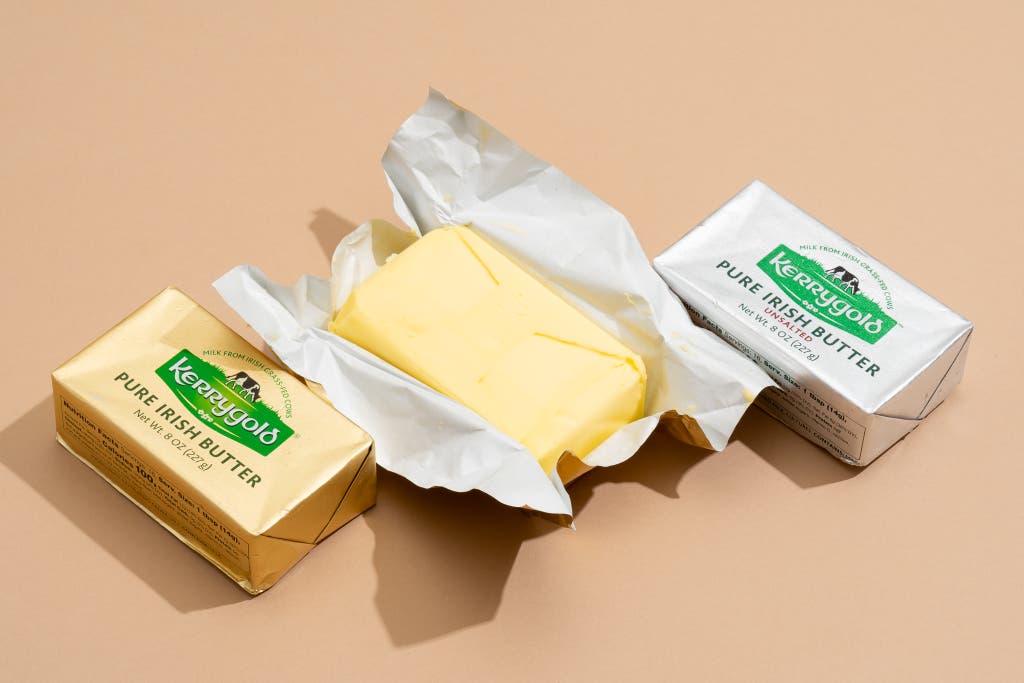
When shopping for butter or butter-like spreads, it’s important to scrutinize ingredient labels carefully. Here are some tips to help you select higher-quality products:
– Look for Real Butter: Genuine butter should list cream or milk as the main ingredient without unnecessary additives.
– Avoid Hydrogenated Oils and Trans Fats: These are linked to heart disease and other health problems. Check for partially hydrogenated oils or trans fats on the label.
– Limit Artificial Additives: Ingredients like mono- and diglycerides, artificial flavors, and preservatives can indicate heavy processing.
– Choose Products With Simple, Recognizable Ingredients: The shorter and more natural the ingredient list, the better.
– Consider Organic and Grass-Fed Options: These often have higher nutritional value and fewer synthetic chemicals.
– Read Consumer Reviews: Feedback on taste and quality can provide useful insights.
Conclusion
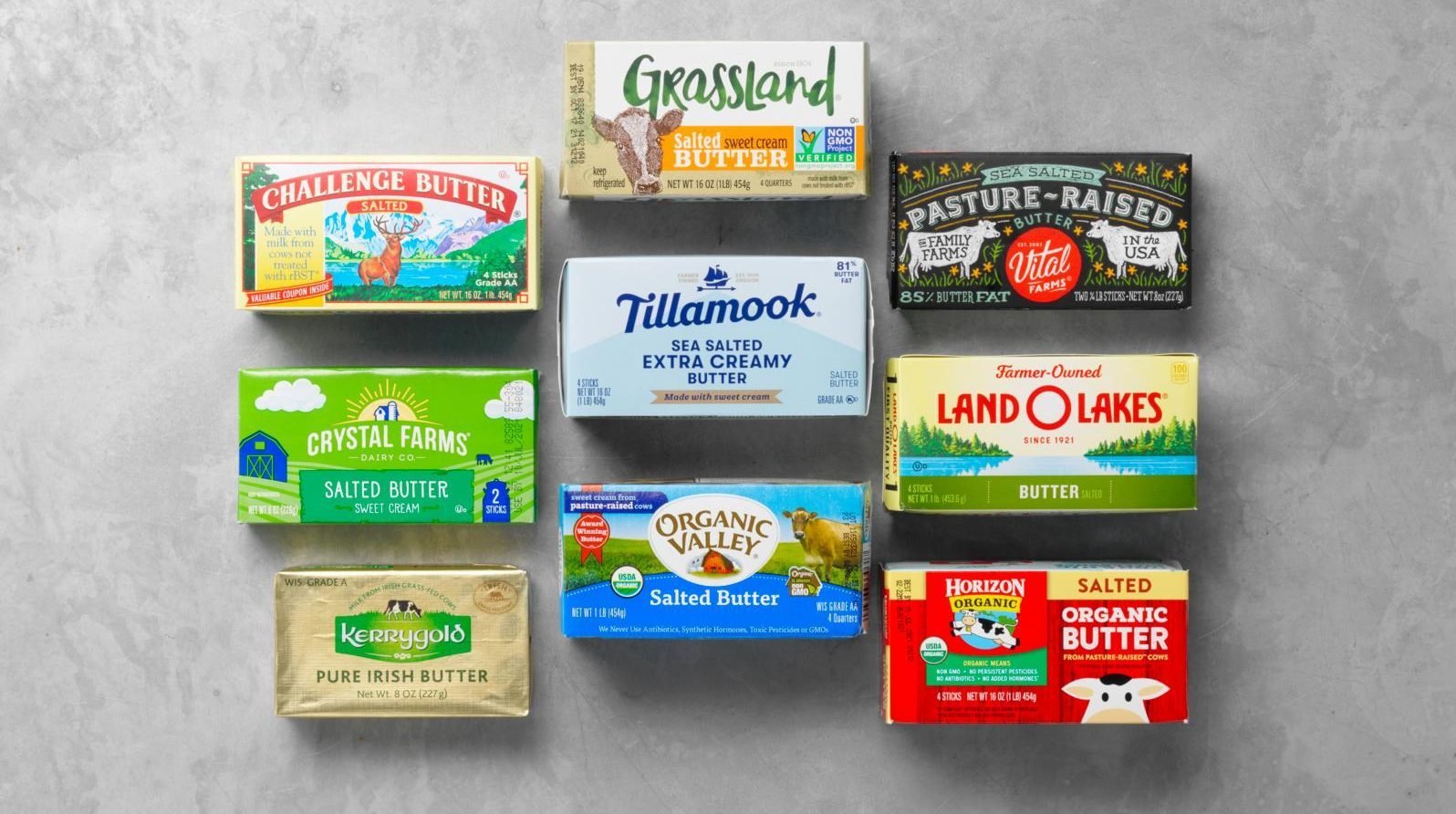
Not all butter brands are created equal, and many popular butter substitutes are made with low-quality, highly processed ingredients that may compromise both your health and culinary experience. By understanding which brands contain questionable oils, additives, and preservatives, you can make more informed decisions at the grocery store. Opting for real butter or carefully chosen natural spreads can enhance your meals and support your well-being.
Ready to upgrade your butter choices? Start by checking the ingredient labels next time you shop and choose products that prioritize quality and transparency. Your taste buds—and your health—will thank you!