
Amanda Peet Reveals Breast Cancer Diagnosis: A Courageous Journey
Amanda Peet’s Breast Cancer Diagnosis: An Unexpected Challenge

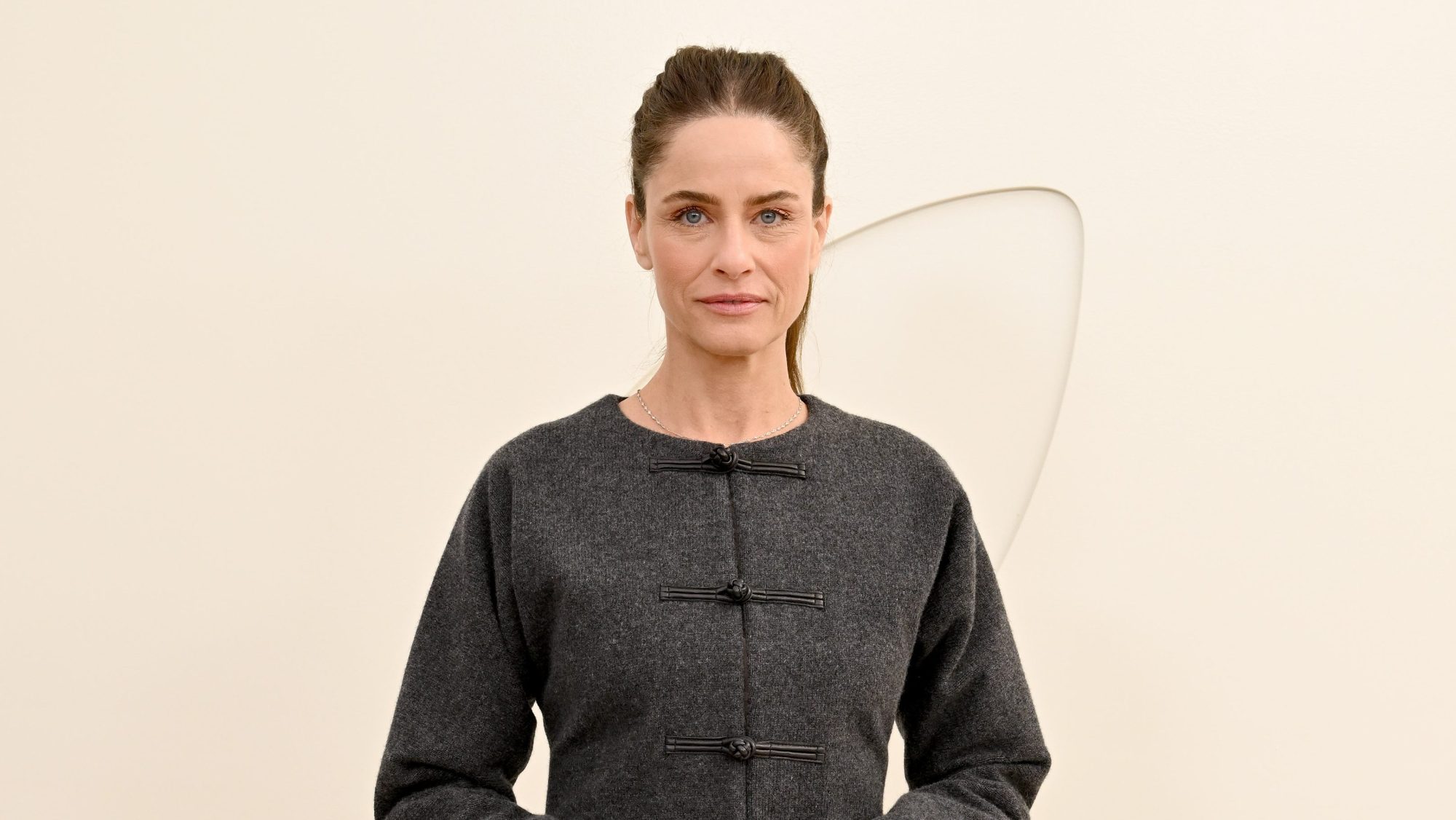
Amanda Peet, the acclaimed actress known for her roles in films like Your Friends and Neighbors and Saving Silverman, recently opened up about her breast cancer diagnosis, revealing the emotional and physical trials she faced. In a heartfelt essay published in The New Yorker, Peet detailed how her diagnosis came during an already difficult period in her life, highlighting the importance of vigilance and early detection in breast cancer.
For years, Peet had been informed that she had “dense” and “busy” breasts, a condition that requires extra monitoring due to the increased difficulty in detecting abnormalities through standard imaging. Despite regular checkups every six months with a breast surgeon, what she expected to be a routine scan before Labor Day took a sudden turn when an ultrasound revealed something suspicious. This led to a biopsy, and the moment her doctor decided to personally deliver the sample to pathology, Peet knew the news would be serious.
The Diagnosis and Its Emotional Impact

Peet was diagnosed with stage I breast cancer, specifically hormone-receptor-positive and HER2-negative, which is a common and treatable form of the disease. However, the timing was particularly challenging as her parents were both in hospice care on opposite coasts, adding emotional strain to an already overwhelming situation.
After receiving the diagnosis, Peet underwent further testing, including an MRI to assess the extent of the disease. She described the experience as a “slow drip” of information, with new findings emerging gradually, including the discovery of a benign mass that required a lumpectomy and radiation therapy.
Despite the fear and uncertainty, Peet expressed moments of unexpected happiness, reflecting on how her perspective on life shifted after the diagnosis. She candidly shared that while the initial news was terrifying, she found strength in confronting the reality of her condition head-on.
Personal Reflections and Support

Beyond the medical details, Peet’s essay delved into deeply personal moments, including her final interactions with her mother, who passed away shortly after Peet’s diagnosis. The intimate portrayal of their last moments together underscored the profound impact of family and love during times of crisis.
Peet’s courage and openness have resonated with many, including close friends like actress Sarah Paulson, who praised the essay for its beauty and honesty. Peet’s willingness to share her story publicly helps raise awareness about breast cancer and encourages others to prioritize their health.
The Importance of Breast Cancer Awareness and Early Detection
Amanda Peet’s experience highlights the critical role of early detection in breast cancer treatment. Dense breast tissue can make it harder to identify tumors through mammograms alone, which is why additional imaging and regular monitoring are essential for those at risk.
Breast cancer remains one of the most common cancers among women worldwide, but advances in screening and treatment have significantly improved survival rates. Peet’s story serves as a reminder for women to stay vigilant, attend regular screenings, and consult healthcare providers if they notice any changes.
What You Can Do: Tips for Breast Health
– Schedule regular mammograms and clinical breast exams, especially if you have dense breast tissue or a family history of breast cancer.
– Perform monthly self-examinations to familiarize yourself with your breasts and detect any unusual changes early.
– Maintain a healthy lifestyle with a balanced diet, regular exercise, and limited alcohol consumption to reduce risk factors.
– Discuss any concerns or symptoms with your healthcare provider promptly.
– Stay informed about new screening technologies and treatment options.
Conclusion
Amanda Peet’s brave revelation about her breast cancer diagnosis sheds light on the emotional and physical challenges faced by many women. Her story emphasizes the importance of early detection, regular monitoring, and the power of sharing personal experiences to inspire and educate others. If you or a loved one are due for a breast cancer screening, don’t wait—schedule an appointment today and take charge of your health. Early action can save lives.