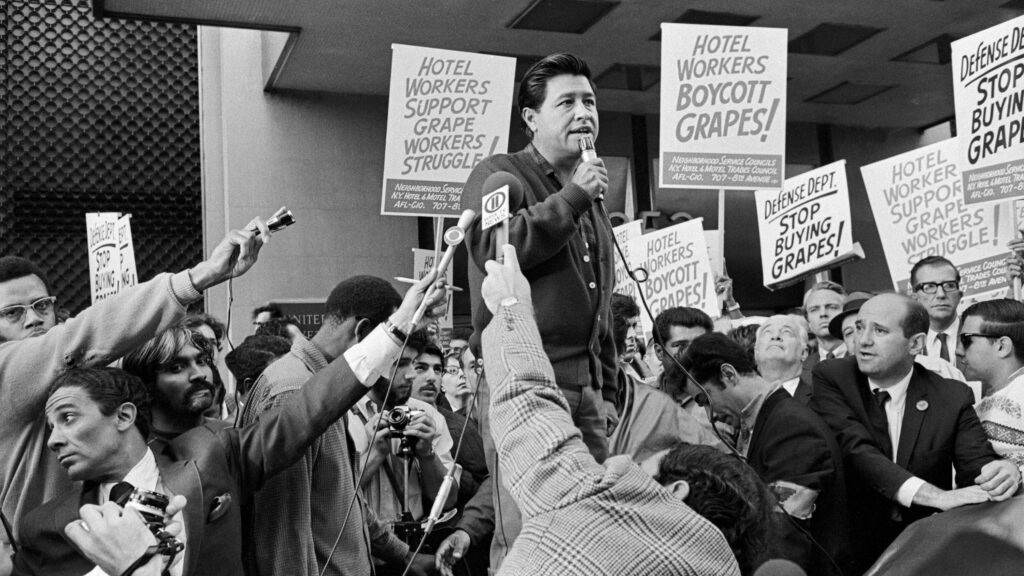
US Civil Rights Leader Cesar Chavez Accused of Sexual Abuse
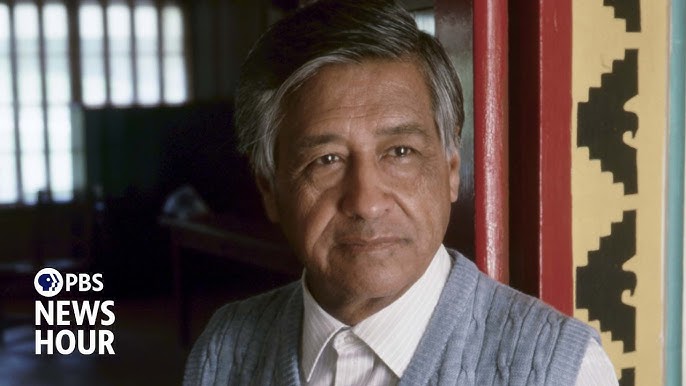
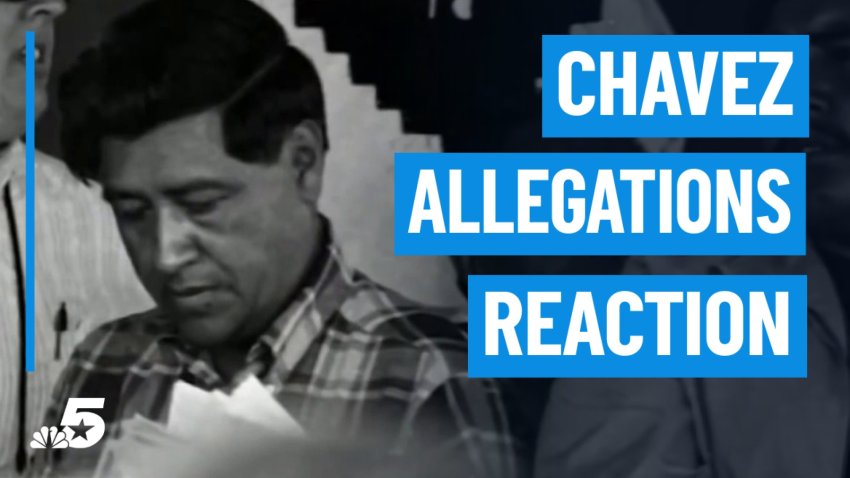
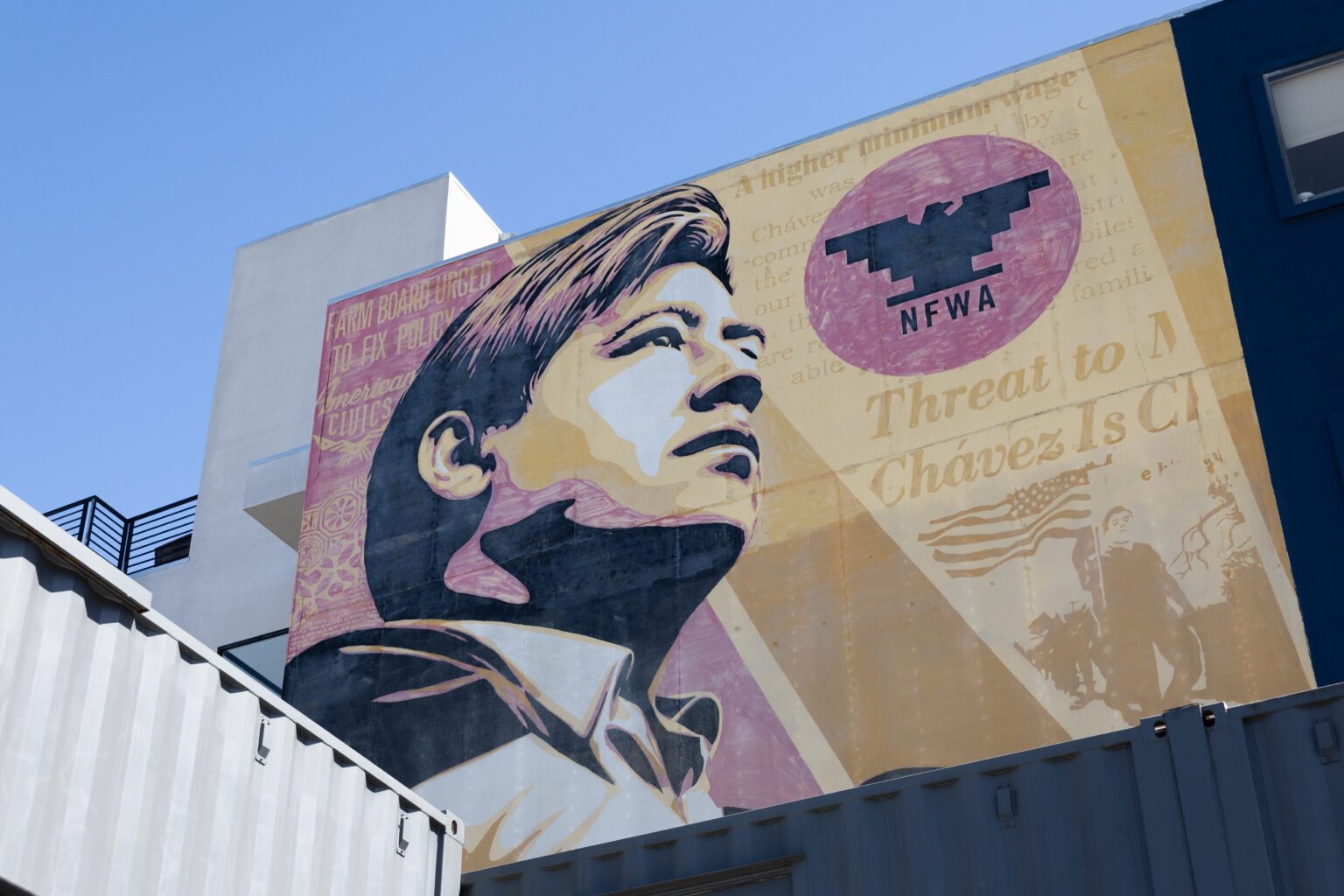
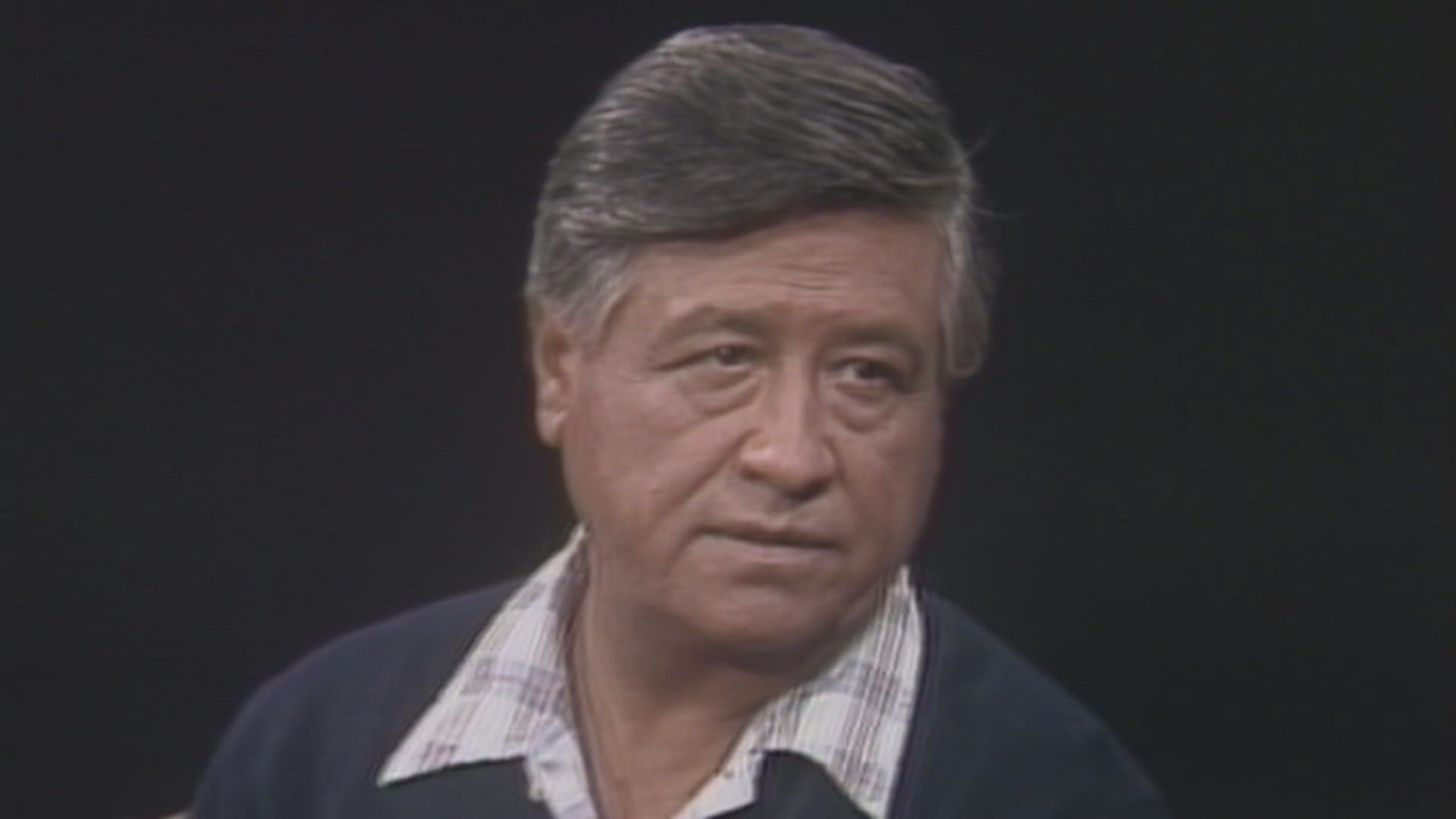
In recent developments that have shocked many, Cesar Chavez, the iconic US civil rights leader known for his tireless advocacy for farmworkers, has been accused of sexual abuse. These allegations have surfaced decades after his death, raising complex questions about his legacy and the broader implications for the labor movement he helped to shape. This article explores the details of the accusations, the responses from involved parties, and the ongoing impact on commemorations dedicated to Chavez.
Details of the Sexual Abuse Allegations Against Cesar Chavez

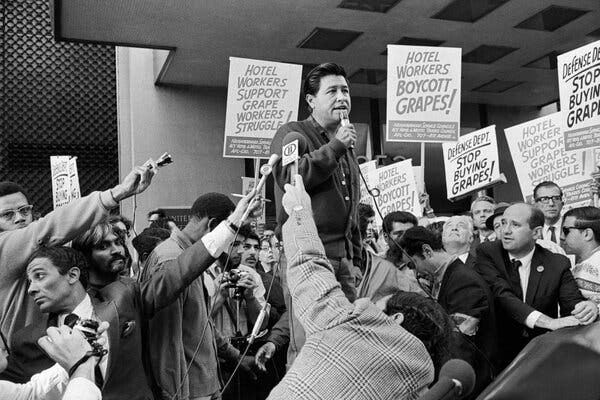
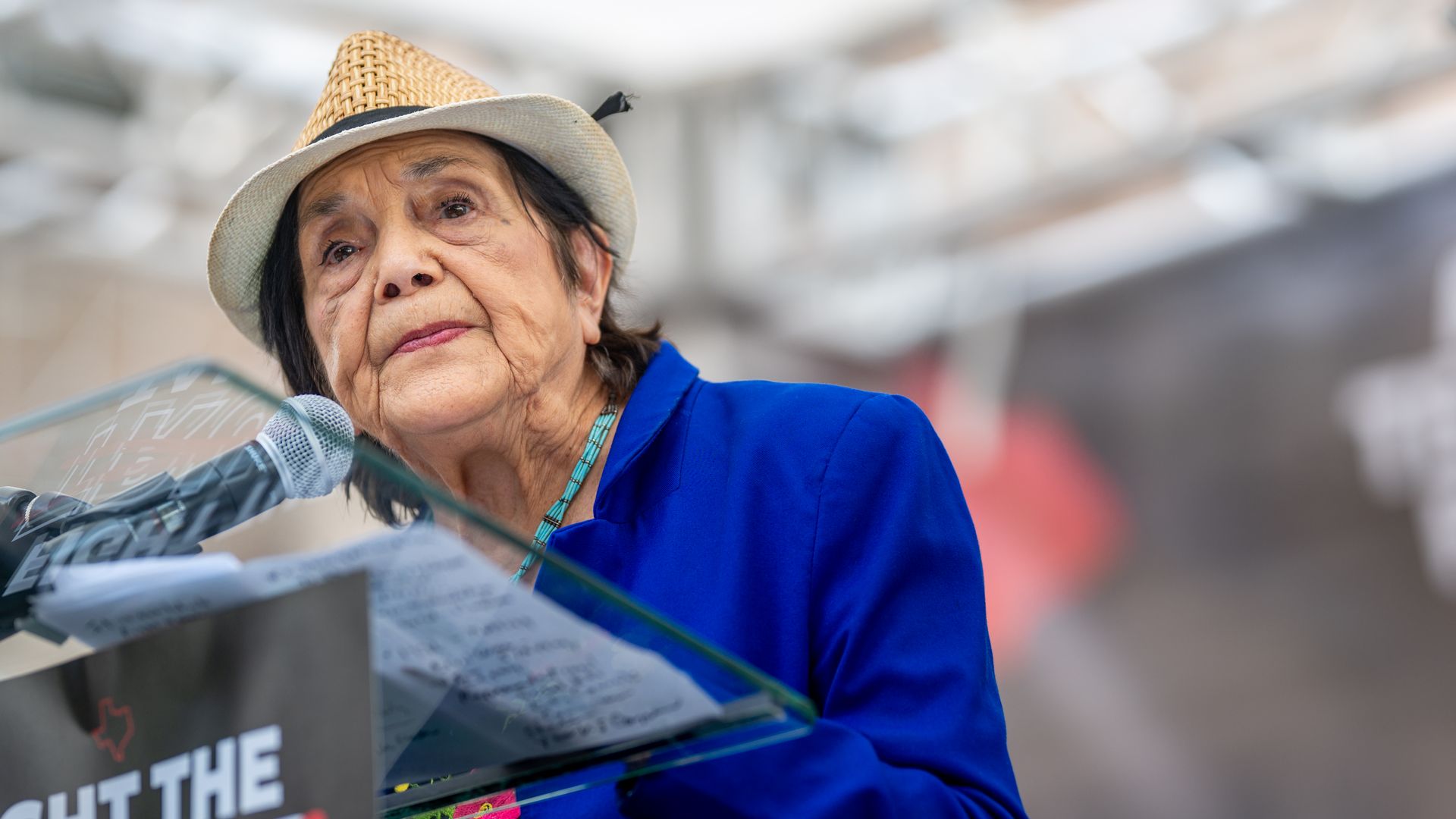
Cesar Chavez, who co-founded the United Farm Workers union (UFW) and became a symbol of the fight for labor rights in the 1950s through the 1970s, has been accused by several women of sexual abuse. Dolores Huerta, a prominent civil rights activist and Chavez’s longtime collaborator, revealed that during the 1960s, Chavez manipulated and pressured her into sexual encounters, including one incident where she alleges he forced her. Huerta disclosed that these encounters resulted in pregnancies she kept secret, arranging for the children to be raised by other families to protect the movement’s integrity.
In addition to Huerta’s allegations, two other women, Ana Murguia and Debra Rojas, have come forward with claims that Chavez sexually abused them when they were young girls involved in the labor movement during the early 1970s. According to reports, Chavez groomed and abused these girls over several years, an accusation that has deeply unsettled the community that once revered him.
The New York Times published an investigative report detailing these allegations, which has prompted widespread public discussion and condemnation. Chavez’s family expressed devastation over the revelations but praised the courage of the women who came forward.
Reactions from Organizations and Public Officials
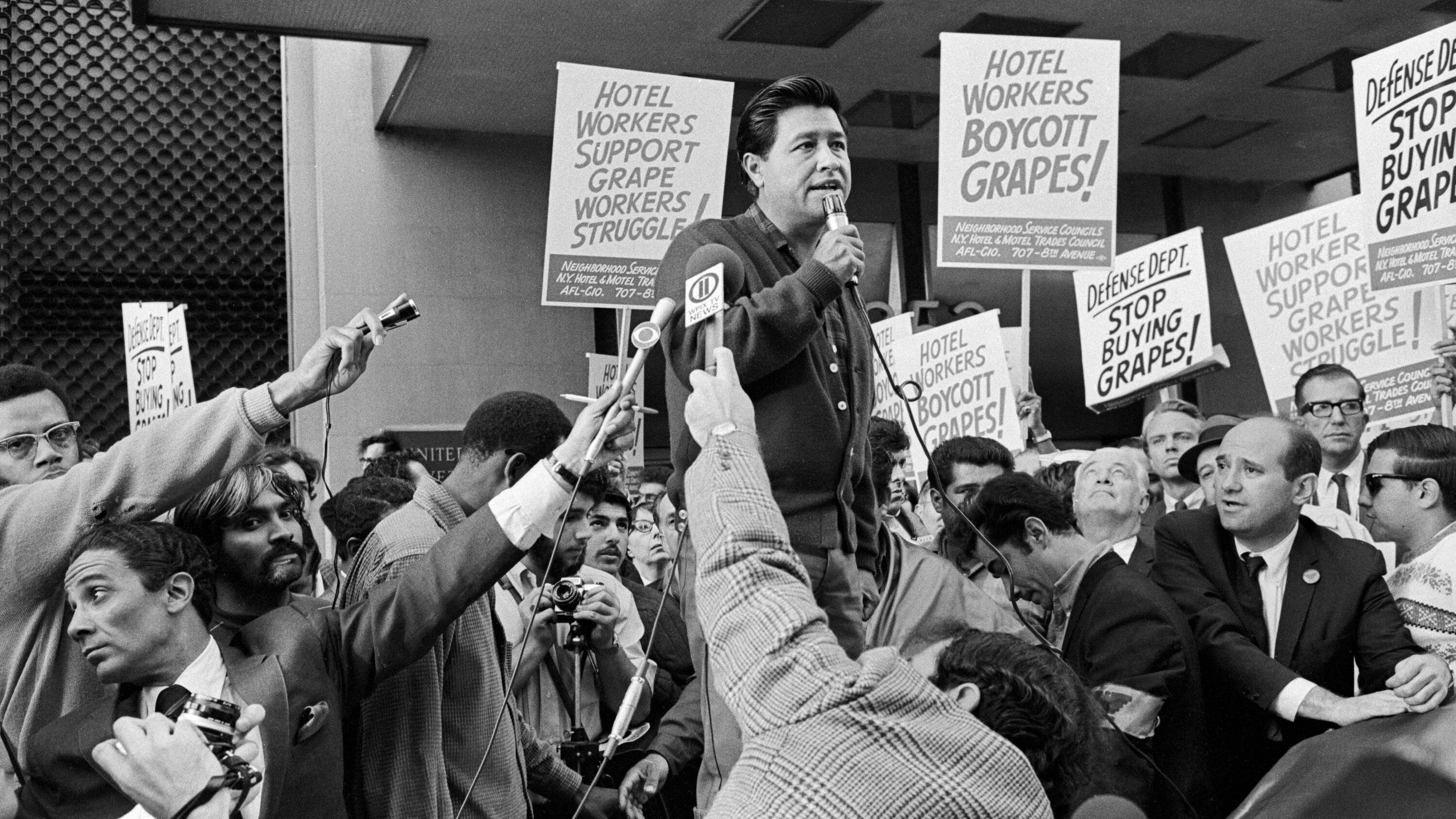
The fallout from these allegations has been significant. The United Farm Workers union, which Chavez co-founded, announced it would cancel its participation in Cesar Chavez Day celebrations, a holiday observed annually on March 31 to honor his contributions. The union stated that it had not received any direct reports or firsthand knowledge of the abuse allegations but emphasized the importance of supporting those affected.
California Governor Gavin Newsom acknowledged the gravity of the accusations while emphasizing that the farmworkers’ movement transcends any one individual. He expressed solidarity with the women who spoke out and indicated openness to renaming Cesar Chavez Day to better reflect the values of the movement.
Similarly, California Republican Assemblywoman Alexandra Macedo proposed legislation to rename the holiday “Farmworker Day,” reflecting a shift toward honoring the broader labor movement rather than a single figure.
Los Angeles Mayor Karen Bass condemned the abuse allegations and called for sustained efforts to dismantle systemic structures that have historically harmed women, highlighting that such abuses are not isolated incidents but part of a larger societal problem.
Civil rights organizations, including the League of United Latin American Citizens (LULAC), have also weighed in, stressing that no individual, regardless of their legacy, is above accountability when it comes to protecting human dignity.
The Cesar Chavez Foundation released a statement expressing shock and sadness over the disturbing allegations and committed to working with farmworker leaders to respond appropriately and support those potentially harmed.
The Impact on Cesar Chavez’s Legacy and Commemorations
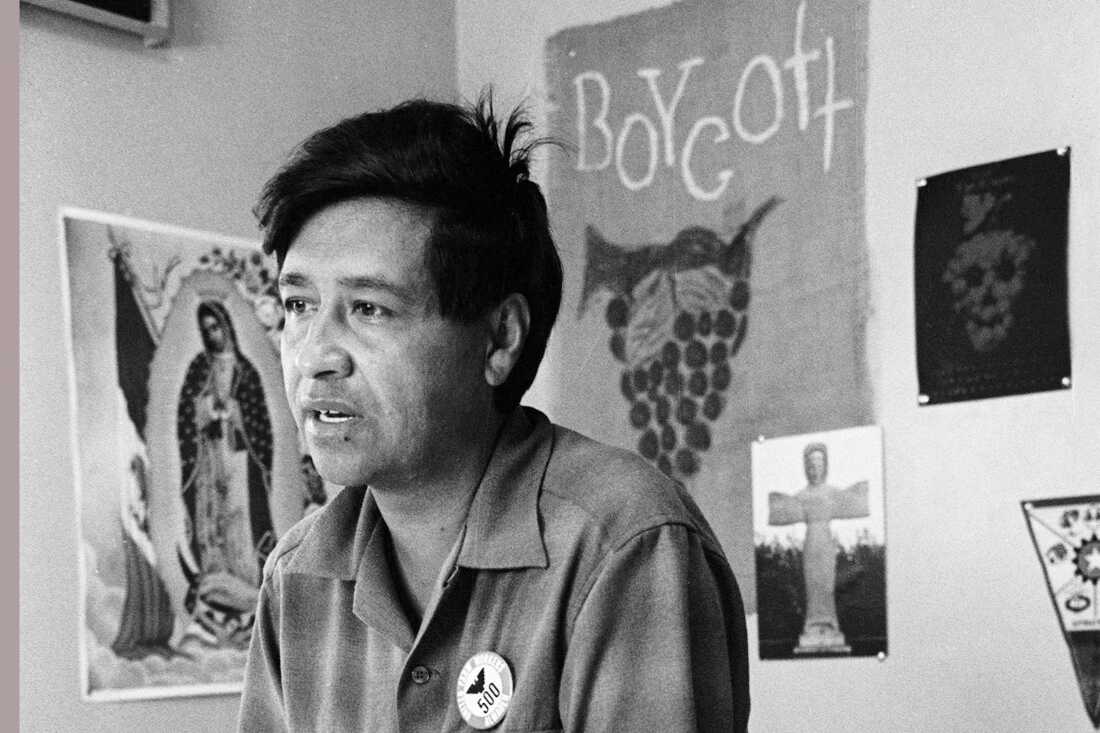
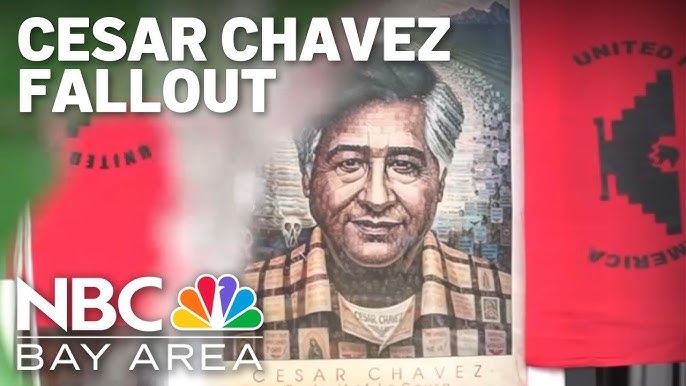
Cesar Chavez’s legacy as a champion for farmworkers’ rights has been a source of inspiration for many. However, these sexual abuse allegations have cast a shadow over his contributions and prompted a reevaluation of how he is remembered. Several events planned to celebrate Cesar Chavez Day have been canceled or renamed in light of the controversy.
The debate surrounding Chavez’s legacy reflects a broader societal reckoning with historical figures whose achievements are complicated by personal misconduct. This situation underscores the importance of accountability and the need to honor victims while preserving the positive aspects of social movements.
The calls to rename Cesar Chavez Day to Farmworker Day or a similar title aim to shift focus from an individual to the collective struggle of farmworkers, ensuring that the movement’s values remain central.
Conclusion
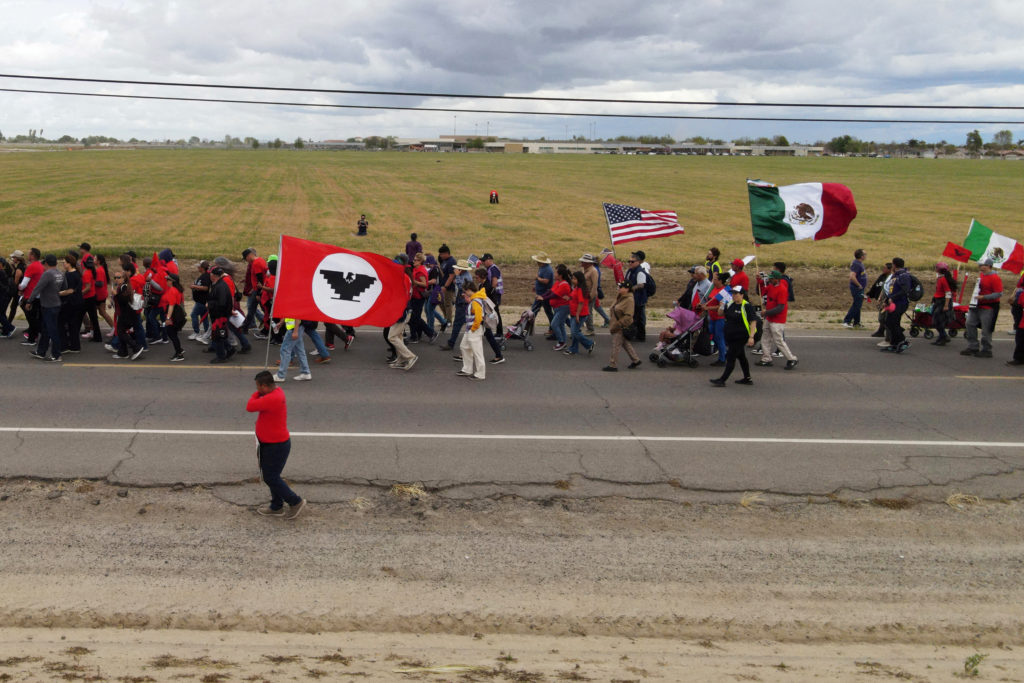
The sexual abuse allegations against US civil rights leader Cesar Chavez have ignited a critical conversation about accountability, legacy, and justice within the labor movement and beyond. While Chavez’s contributions to farmworkers’ rights are undeniable, these revelations remind us that no individual is beyond scrutiny. As communities and organizations navigate this complex legacy, it is essential to support survivors and continue advocating for the dignity and rights of all workers.
If you want to stay informed about ongoing developments related to civil rights and labor movements, subscribe to our newsletter and join the conversation on social justice and accountability today.