I Just Wanted To Be Treated Fairly’: Why Cindy Williams Made An Abrupt Exit From Laverne & Shirley
The Unexpected Departure of Cindy Williams from Laverne & Shirley
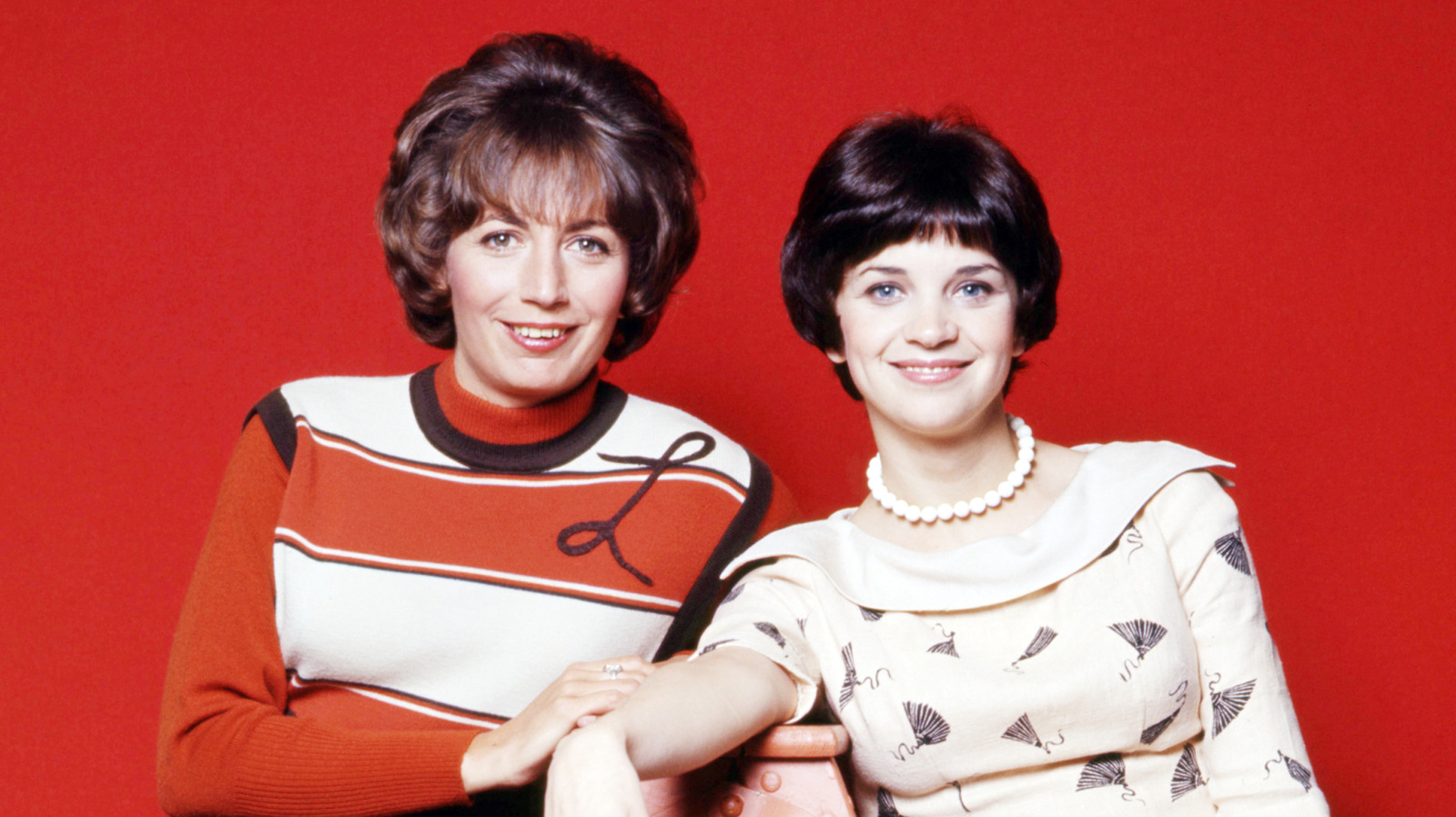
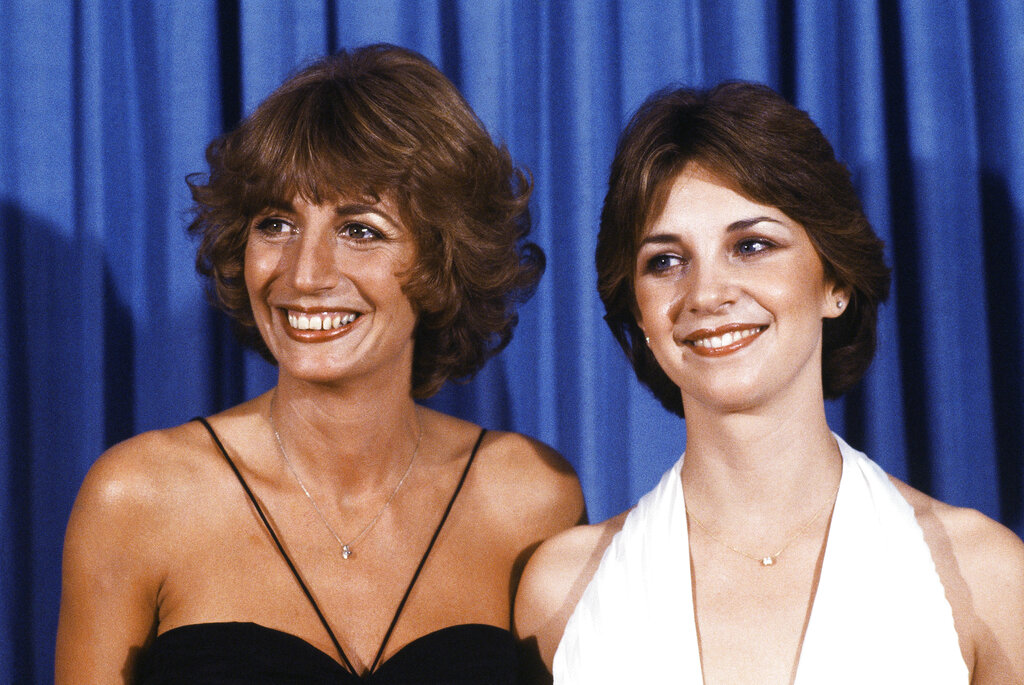
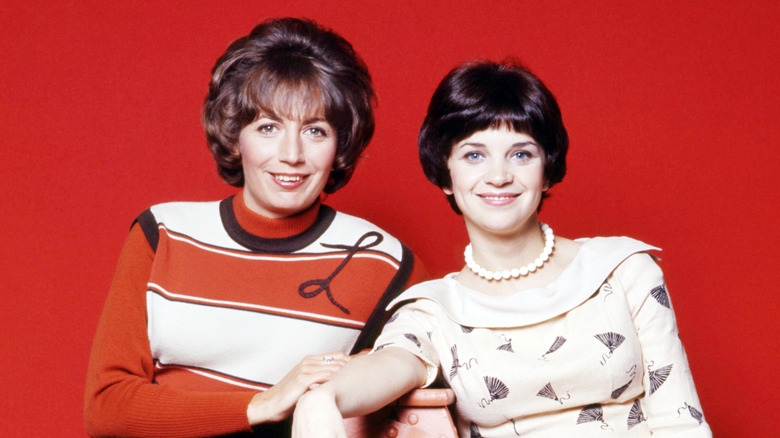
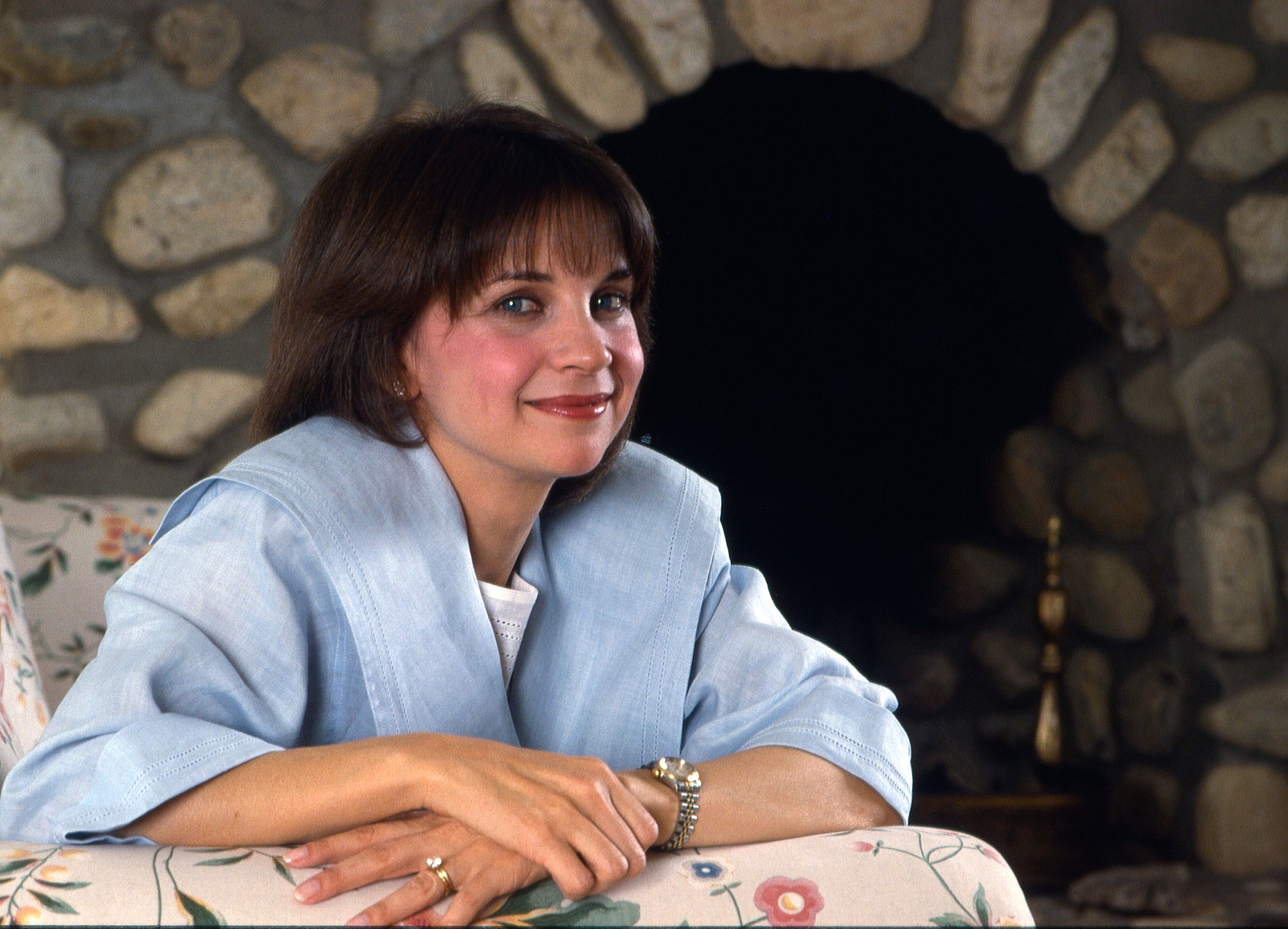
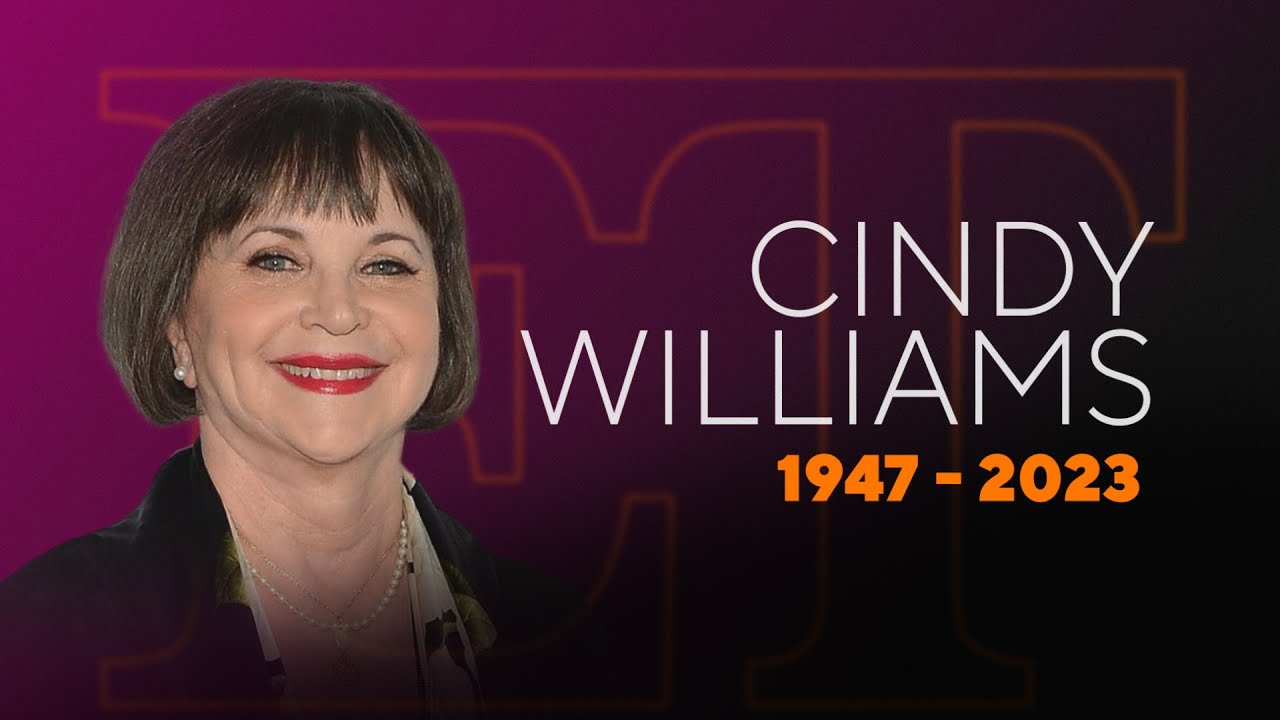
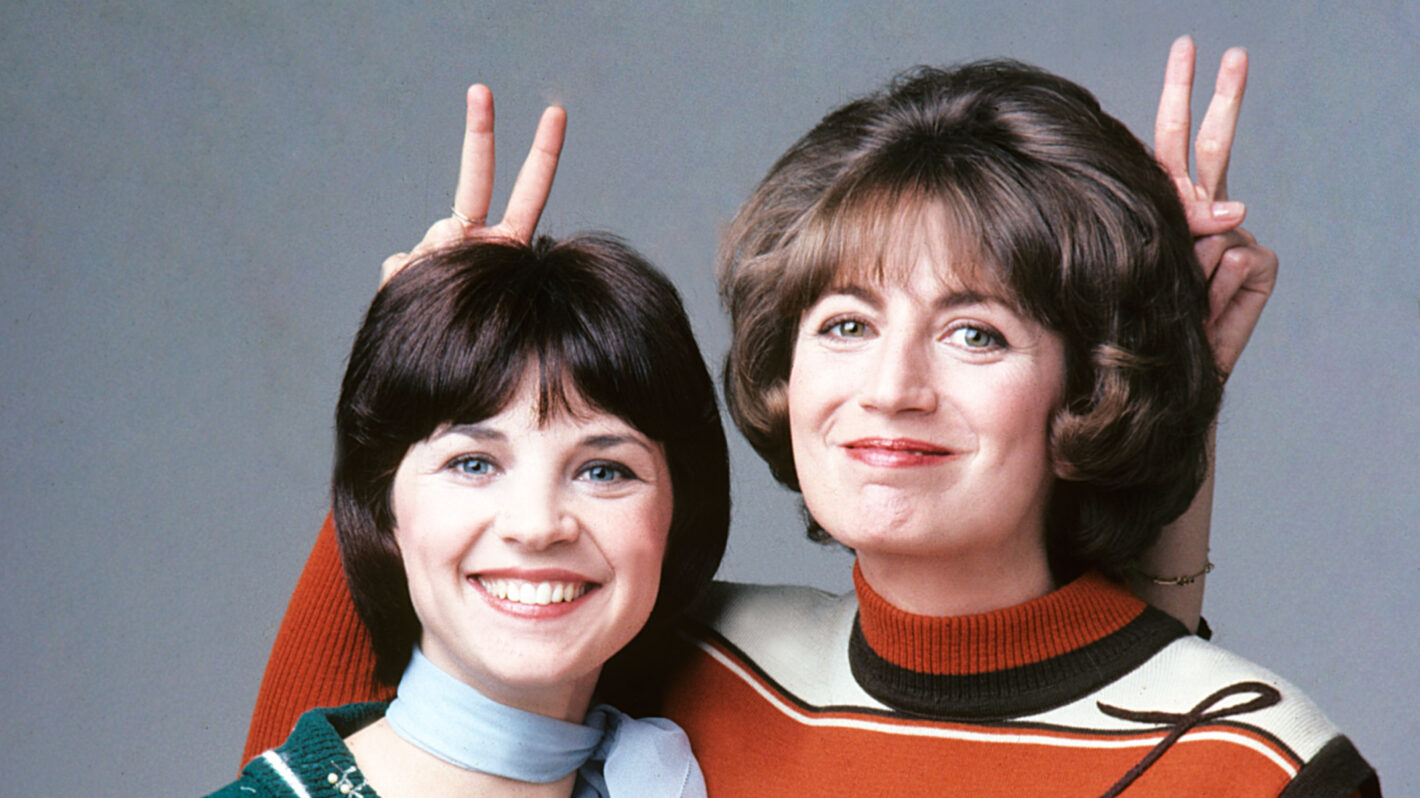
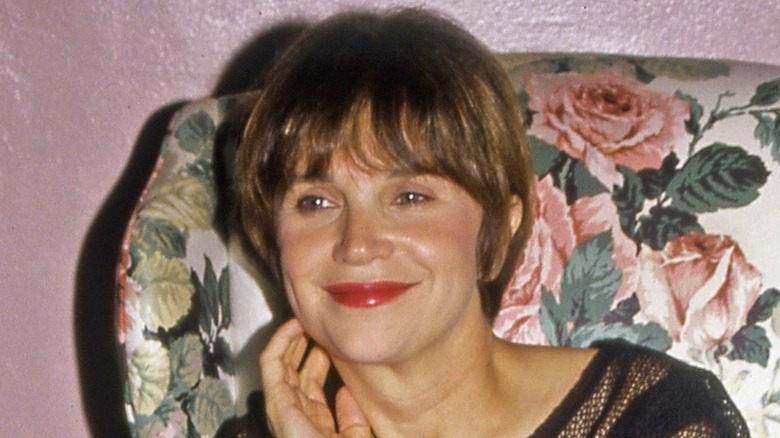
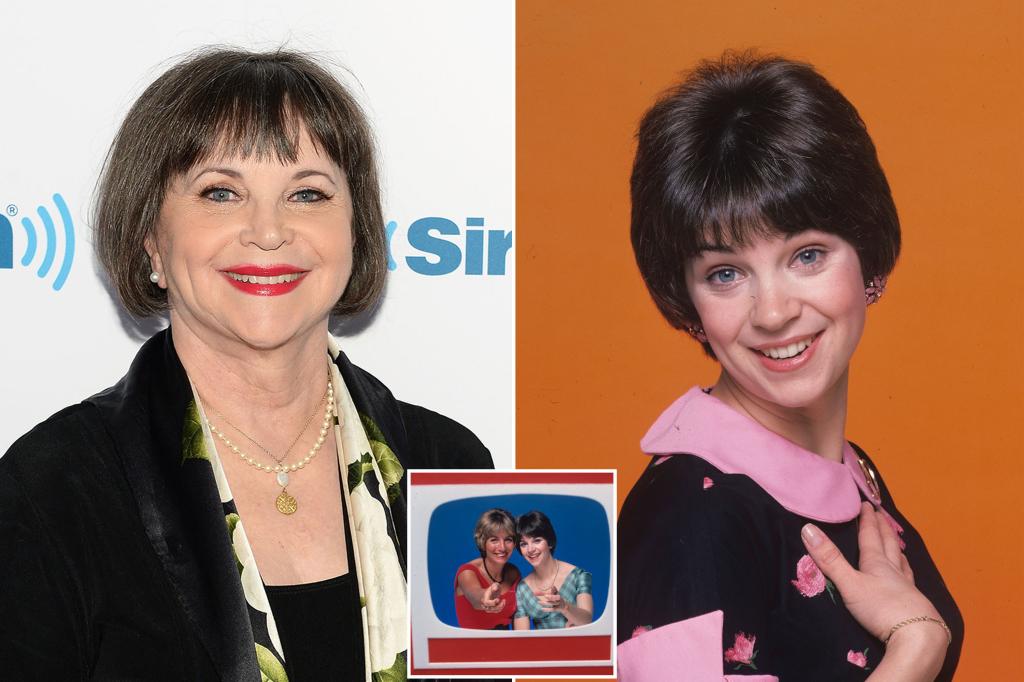
Cindy Williams, beloved for her role as Shirley Feeney on the iconic television show Laverne & Shirley, shocked fans when she abruptly left the series during its eighth season. The show, a spin-off from Happy Days, had been a staple of 1970s and early 1980s television, running successfully for eight seasons. Williams’ sudden exit left viewers puzzled and raised questions about what really happened behind the scenes. While the character Shirley was written out without much explanation on-screen, the truth involved a complex mix of personal and professional challenges that Williams faced at the time.
From Happy Days to Laverne & Shirley: A Star is Born
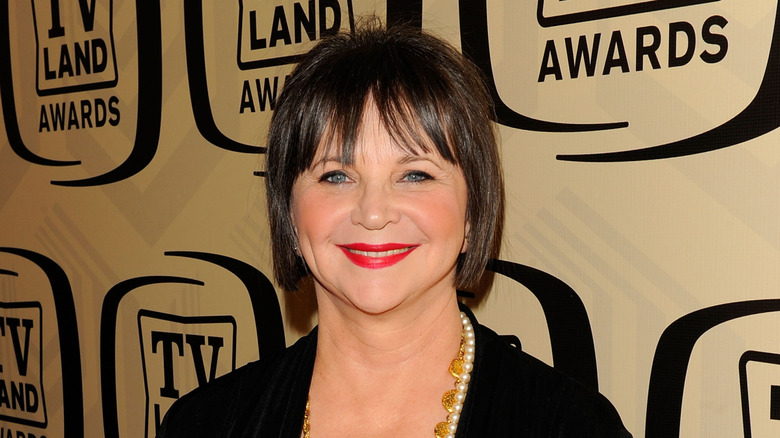
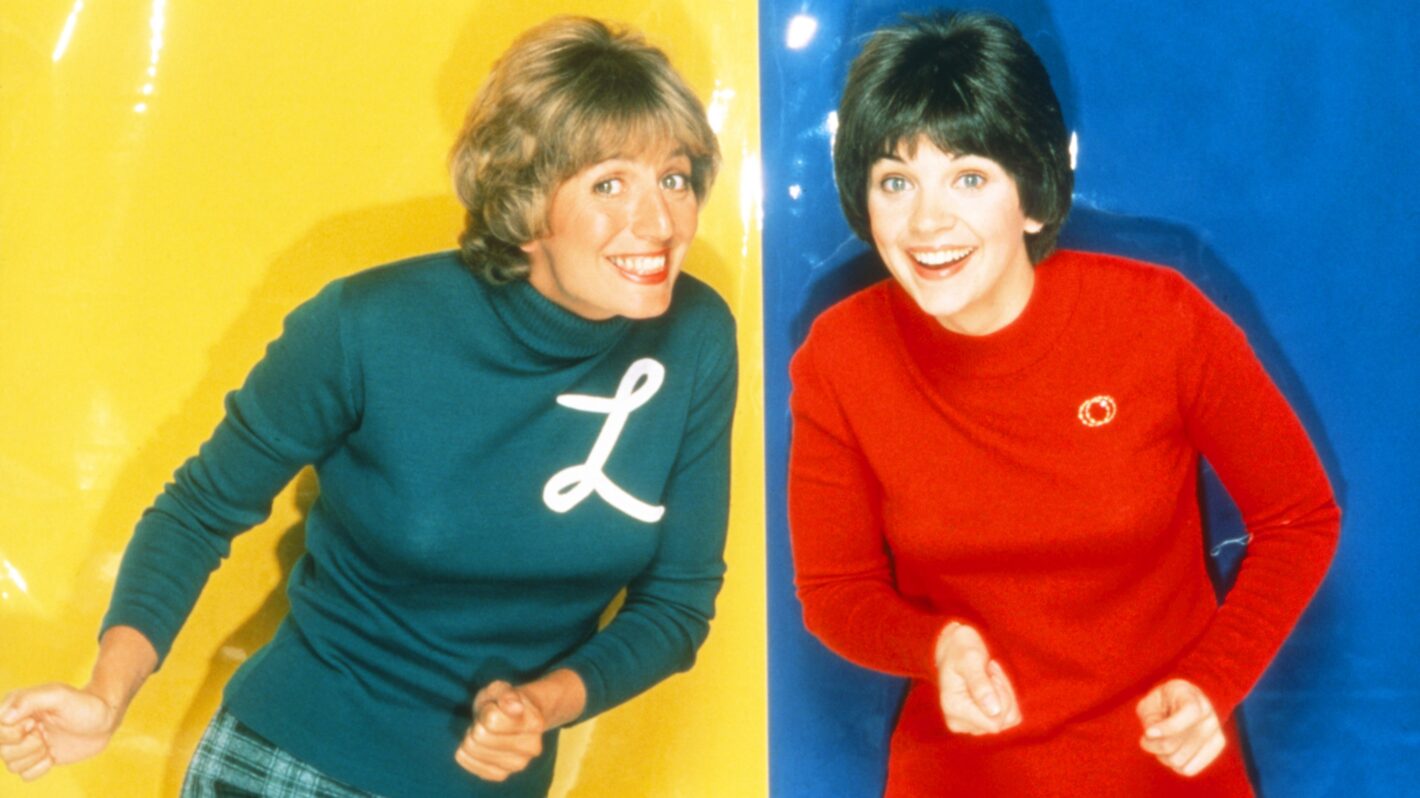
Cindy Williams first appeared as Shirley Feeney in an episode of Happy Days, playing a date for Richie Cunningham, portrayed by Ron Howard. The chemistry between Shirley and her best friend Laverne DeFazio, played by Penny Marshall, was so compelling that it led to the creation of the spin-off Laverne & Shirley. The show quickly became a fan favorite, celebrated for its humor, relatable characters, and the dynamic friendship between the two leads. Williams’ portrayal of Shirley was central to the show’s success, making her departure all the more surprising.
Why Did Cindy Williams Leave? The Pregnancy and Contract Dispute
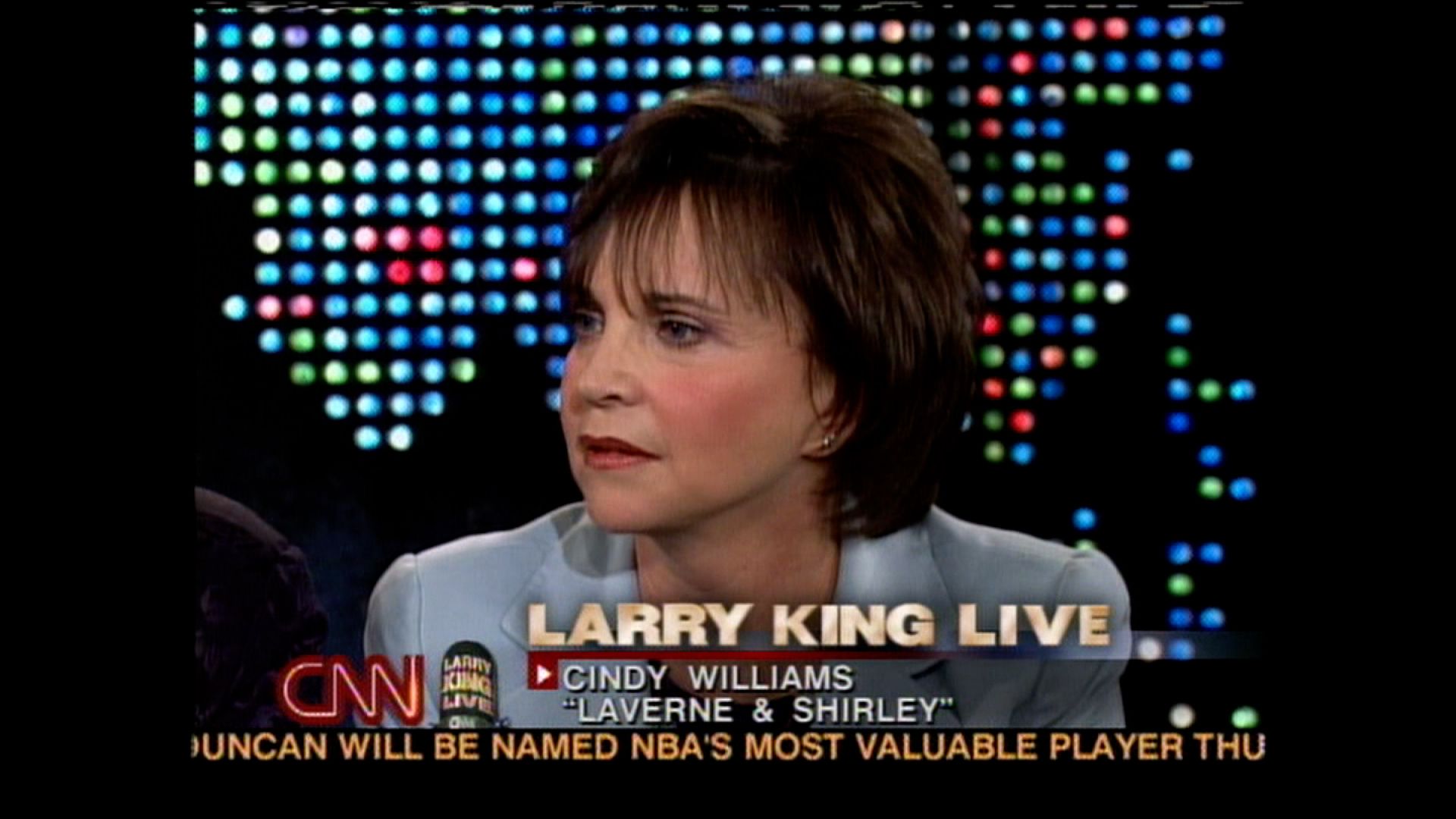
The primary reason behind Cindy Williams’ departure was her pregnancy during the show’s eighth season. Williams wanted to continue working while pregnant but requested accommodations to her filming schedule to align with her due date. According to Williams, she was not seeking special treatment but simply wanted to be treated fairly. Unfortunately, negotiations with the show’s producers stalled because they insisted she work through her due date without any schedule adjustments.
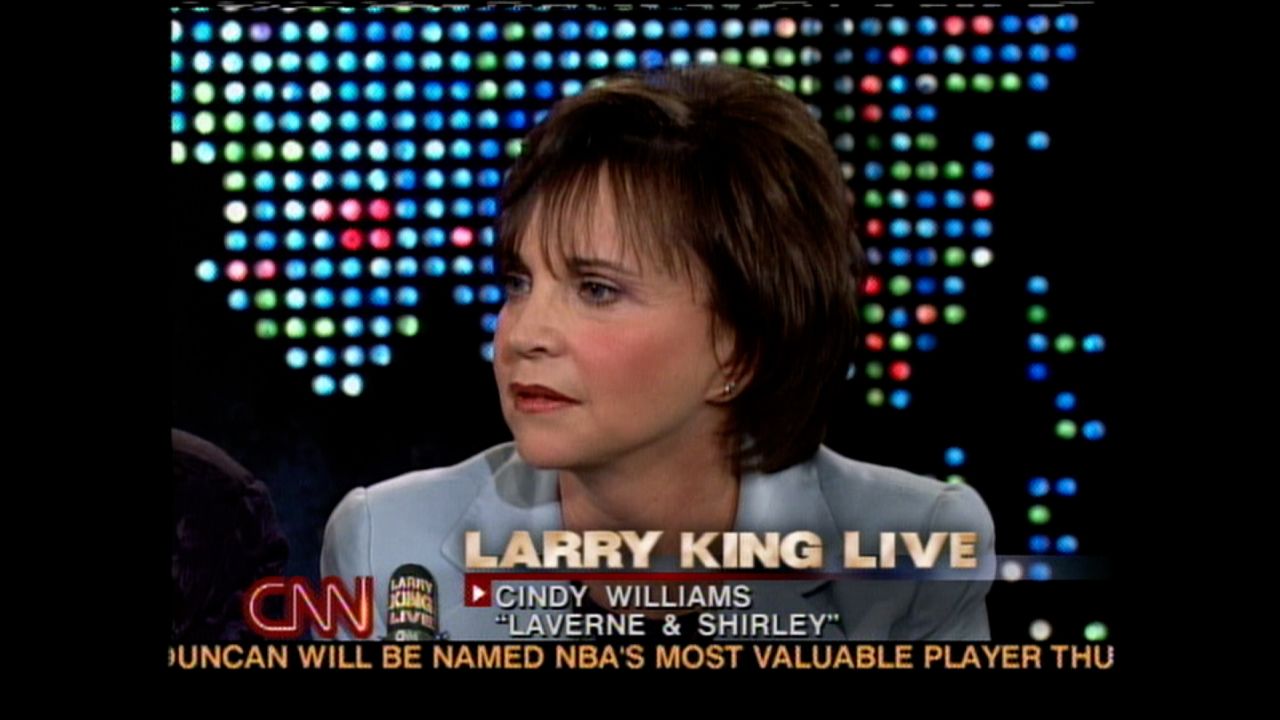
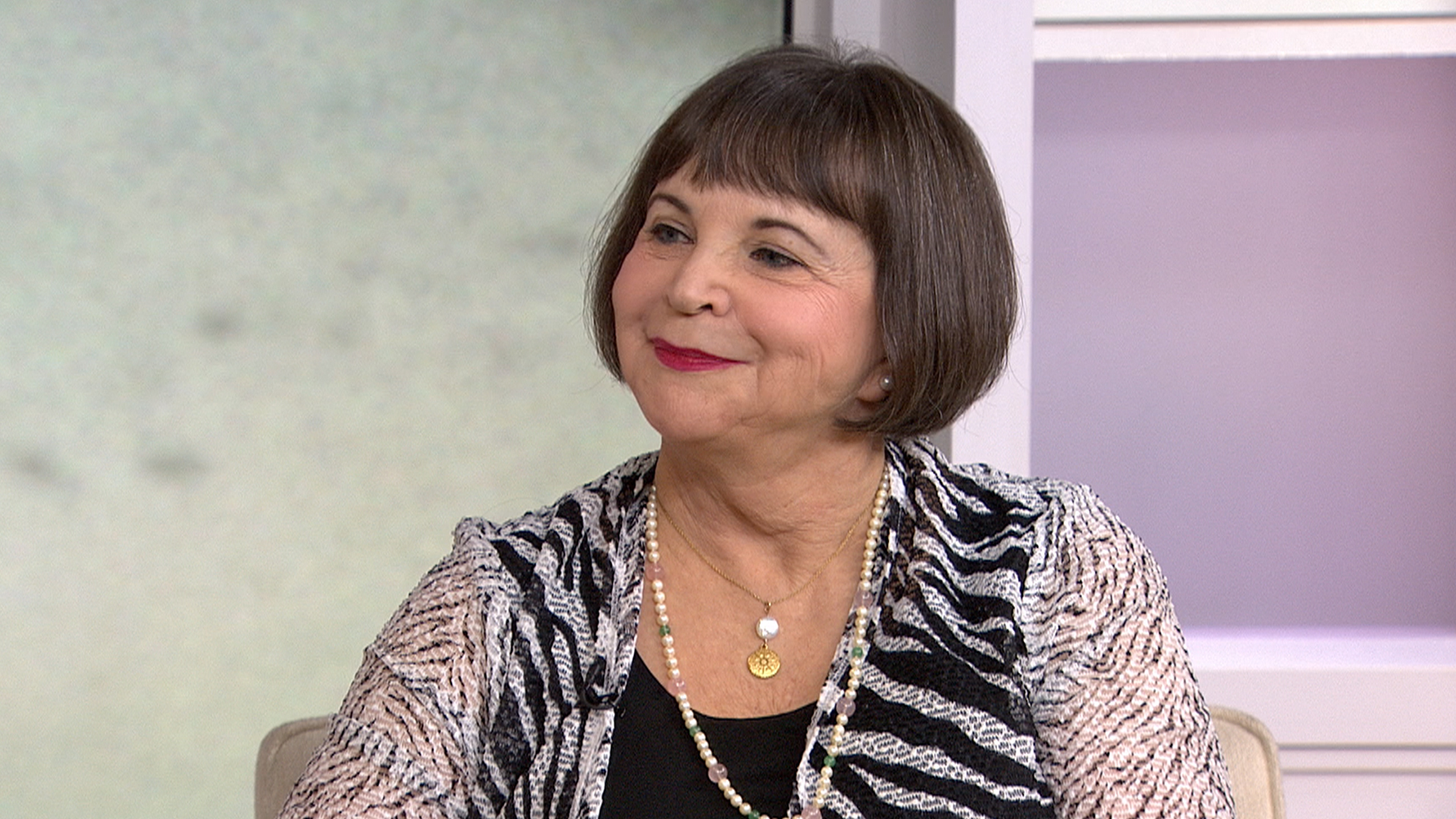
Williams explained in a 2015 interview on the Today show that the contract she was asked to sign required her to work on the exact day she was due to give birth. This demand was unacceptable to her, and despite back-and-forth discussions, the parties could not reach an agreement. The producers ultimately decided to write Shirley out of the show rather than accommodate Williams’ needs.
The Fallout: Lawsuit and Industry Impact
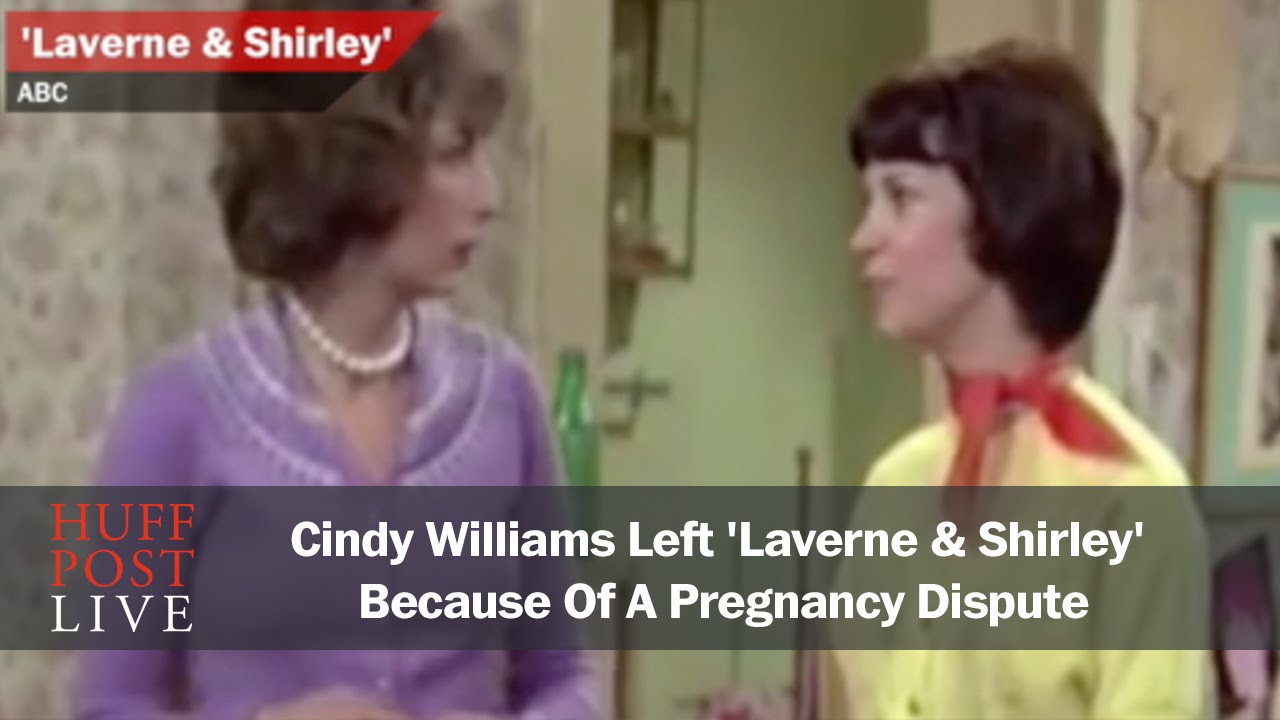
Following her exit, Cindy Williams filed a multi-million dollar lawsuit against the studio and the show’s executive producer, Garry Marshall. Williams claimed that there had been a verbal agreement to incorporate her pregnancy into the show, which the producers failed to honor. At the time, Williams was earning $75,000 per episode plus an additional $37,500 for reruns, reflecting her significant value to the series.
The lawsuit highlighted the challenges actresses faced when balancing pregnancy and career demands in Hollywood. Williams’ case underscored the lack of support for pregnant performers and sparked conversations about fair treatment and workplace accommodations in the entertainment industry.
Behind the Scenes: Different Perspectives on the Departure
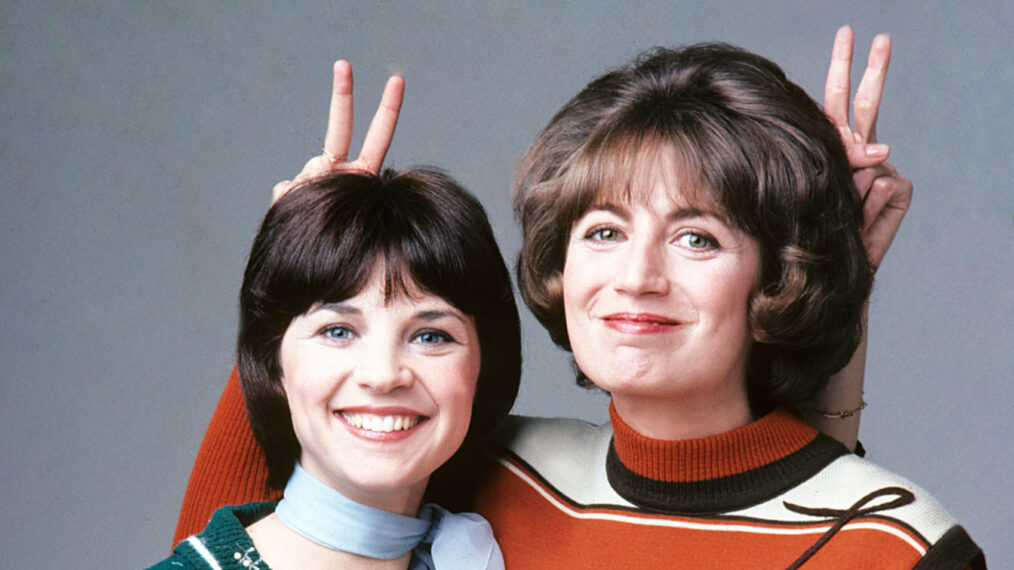
Garry Marshall, the creator and executive producer of Laverne & Shirley, offered a different perspective on the situation in a 2016 interview. He suggested that much of the difficulty stemmed from Williams’ husband, Bill Hudson, who was heavily involved in the contract negotiations. Marshall described Hudson as a “pest” during the discussions, implying that his involvement complicated the process.
Bill Hudson, known for his previous marriage to Goldie Hawn and as the father of Kate Hudson, reportedly took control of the negotiations in a way that strained relations with the producers. Despite this, Marshall expressed that he missed Williams’ presence on the show and acknowledged the awkwardness of the situation.
The Legacy of Cindy Williams and Laverne & Shirley
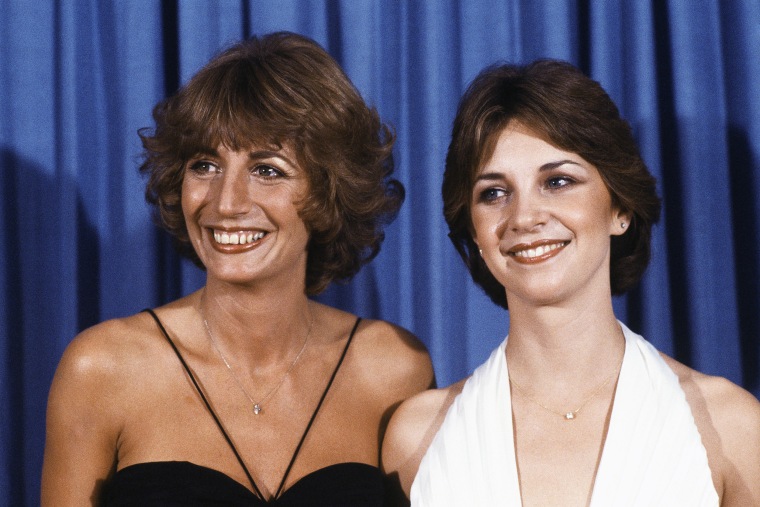
Though Cindy Williams left Laverne & Shirley before the series finale, her impact on the show and its fans remains undeniable. Her portrayal of Shirley Feeney helped define a generation of television comedy and showcased the importance of strong female friendships on screen. The abrupt nature of her departure serves as a reminder of the challenges actors can face behind the scenes, especially when personal life events intersect with demanding careers.
Williams’ story also opened the door for greater awareness about the need for fair treatment of pregnant actresses, influencing industry practices over time. Her courage to stand up for herself, even at the cost of leaving a successful show, resonates with many who seek fairness and respect in their workplaces.
Conclusion
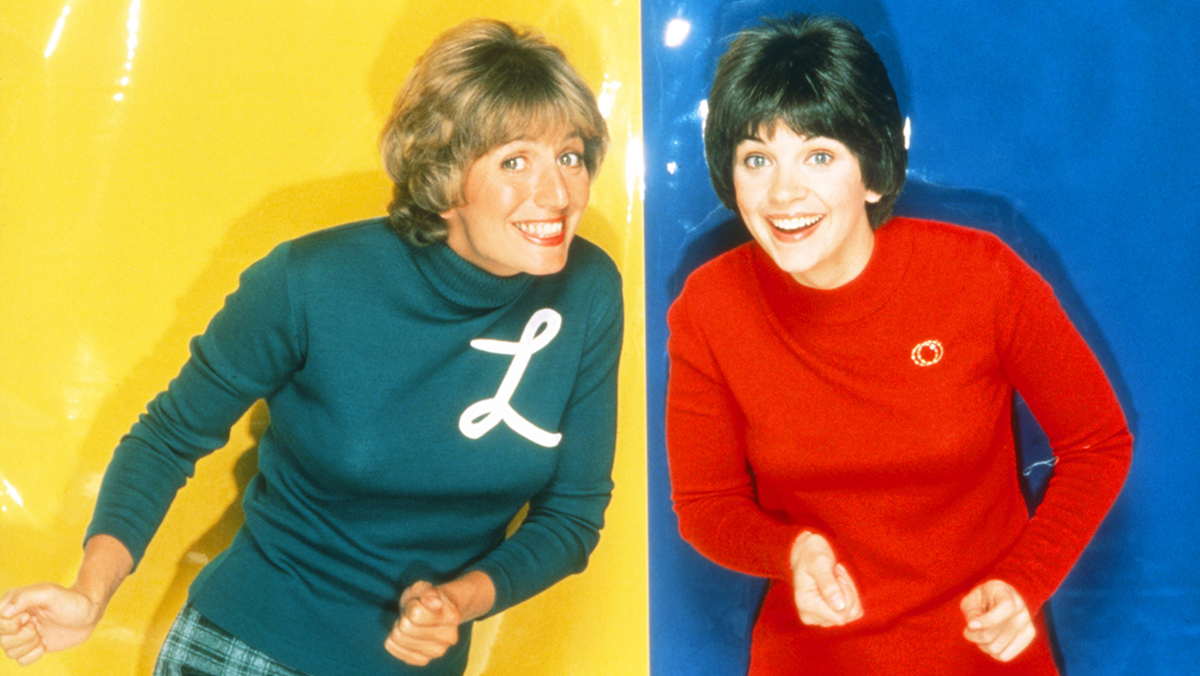
Cindy Williams’ sudden exit from Laverne & Shirley was more than just a plot twist—it was a reflection of real-life struggles involving pregnancy, contract disputes, and the fight for fair treatment in Hollywood. Her experience highlights the importance of accommodating working mothers and respecting their needs in the entertainment industry. Fans of the show continue to remember Williams not only for her talent but also for her integrity and resilience. If you want to learn more about the untold stories behind your favorite TV shows, stay tuned for more in-depth articles and insights. Don’t forget to share this story and join the conversation about fairness and respect in the workplace!