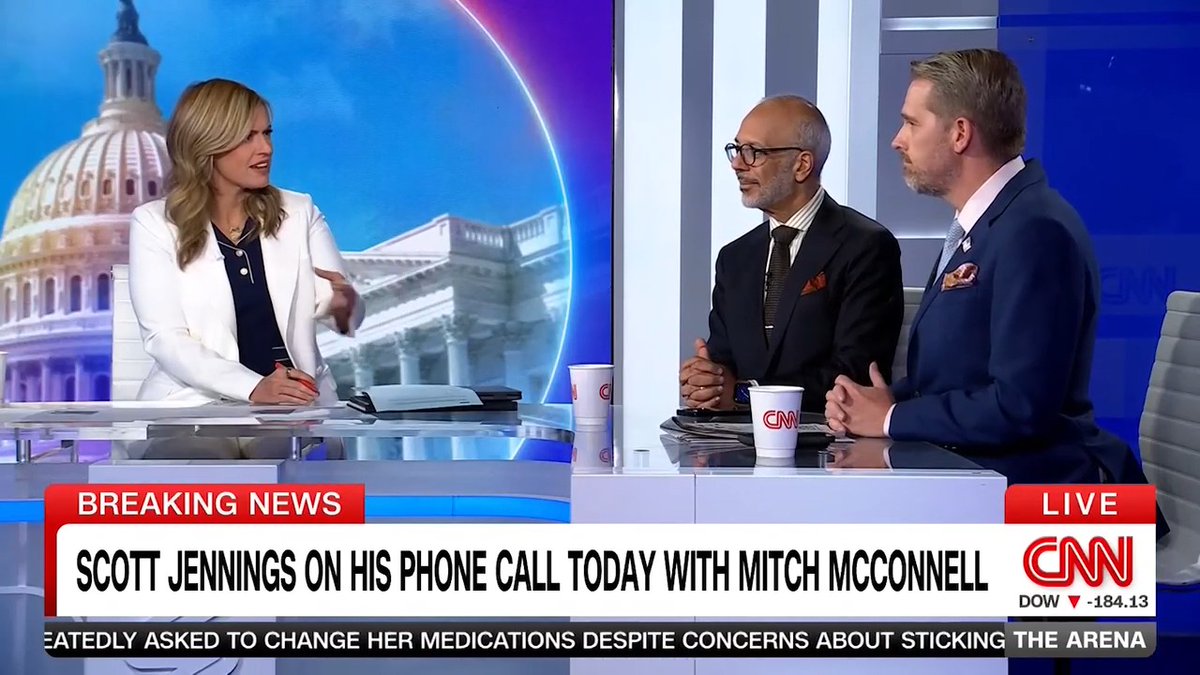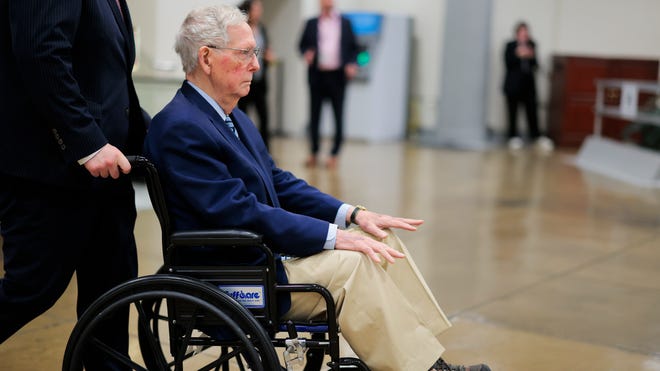
Mitch McConnell Calls You, But Not the Media?!?
In today’s political landscape, communication strategies play a crucial role in shaping public perception and media narratives. One particularly interesting case is Senate Minority Leader Mitch McConnell’s choice to engage directly with certain individuals, such as political strategist Scott Jennings, while seemingly avoiding direct communication with the broader media. This selective approach raises questions about transparency, media relations, and the implications for public discourse.
The Significance of Mitch McConnell’s Communication Choices
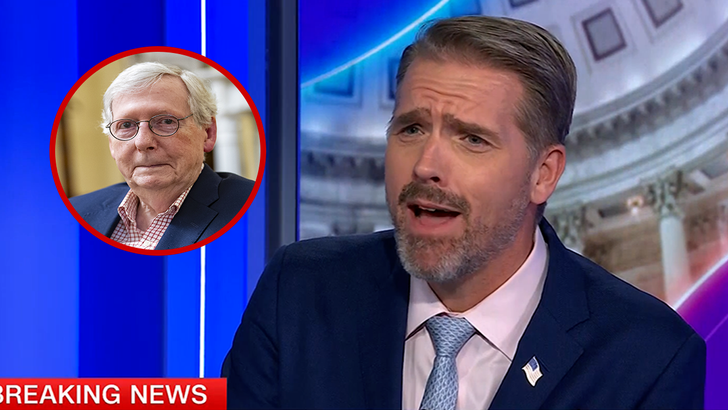
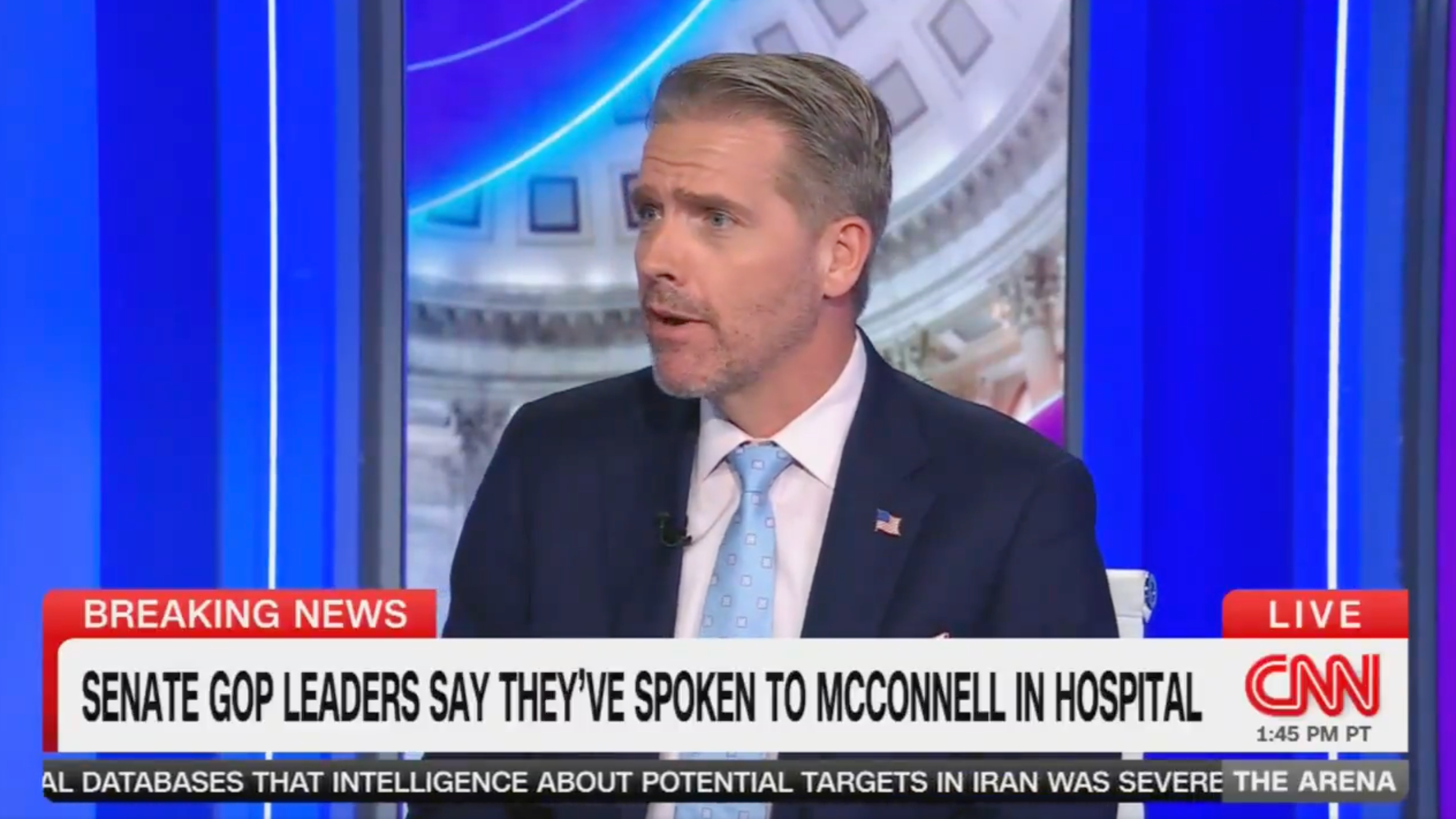
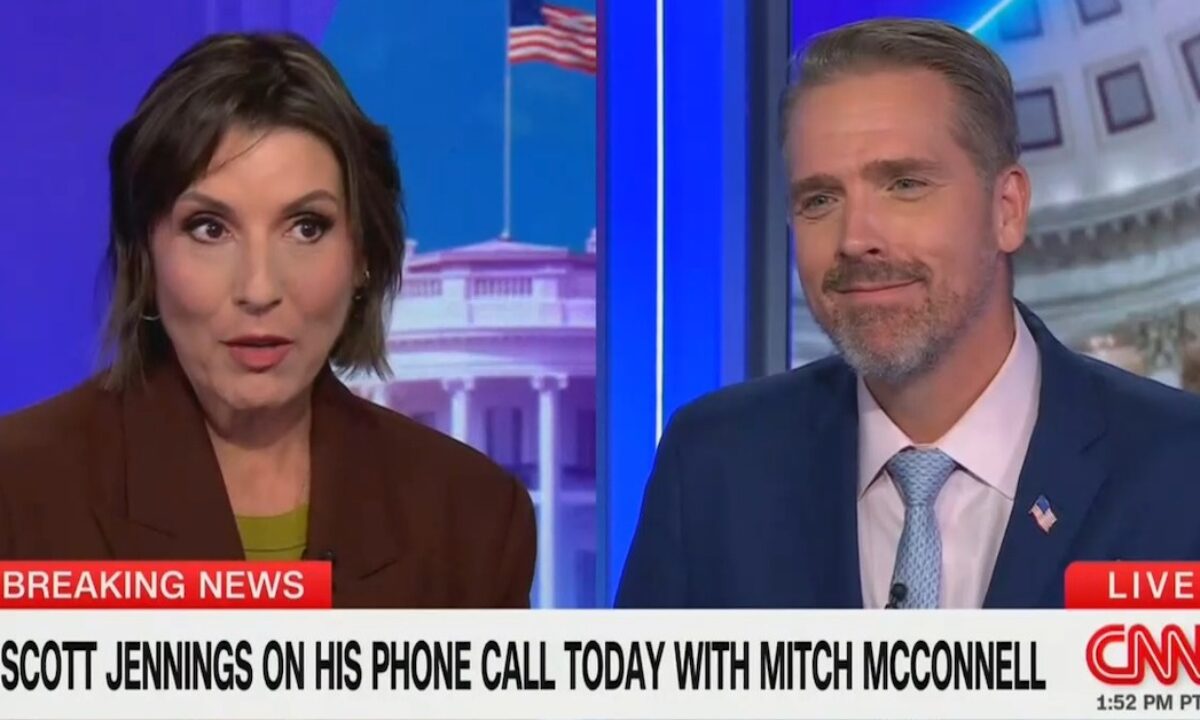
Mitch McConnell, a seasoned political figure, is known for his strategic acumen and careful management of information flow. His decision to call Scott Jennings, a well-known political commentator and strategist, but not engage with mainstream media outlets, is a calculated move that reflects broader trends in political communication. This tactic allows McConnell to control the narrative more tightly, ensuring that his messages are conveyed through trusted intermediaries rather than through potentially adversarial media channels.
By choosing to communicate with Jennings, McConnell can bypass the traditional media filter, reducing the risk of misinterpretation or negative spin. This approach also enables him to maintain a degree of privacy and discretion, sharing insights and strategic viewpoints with a select audience. However, this raises concerns about the transparency of political communication and the public’s right to access information directly from elected officials.
Implications for Media and Public Transparency
:max_bytes(150000):strip_icc():focal(749x0:751x2)/mitch-mcconnell-scott-jennings-070826-c4714f00aac94a748bc6d52cee1555e4.jpg)
The media serves as a critical watchdog in democratic societies, holding public officials accountable and providing citizens with accurate information. When influential politicians like Mitch McConnell limit their direct interactions with the media, it can hinder the media’s ability to perform this essential function effectively. This selective communication strategy may contribute to a growing distrust between politicians and journalists, potentially leading to a less informed public.
Moreover, by engaging only with select individuals, McConnell risks creating an echo chamber where information is filtered and tailored to specific audiences. This can distort public understanding of political developments and reduce the diversity of perspectives available to citizens. It also raises ethical questions about equal access to information and the role of the media in ensuring a transparent political process.
Despite these concerns, it is important to recognize that politicians often face challenging decisions about how to communicate in a highly polarized and fast-paced media environment. Balancing openness with strategic discretion is a delicate task, and McConnell’s approach reflects this complexity.
Why Scott Jennings? Understanding the Choice
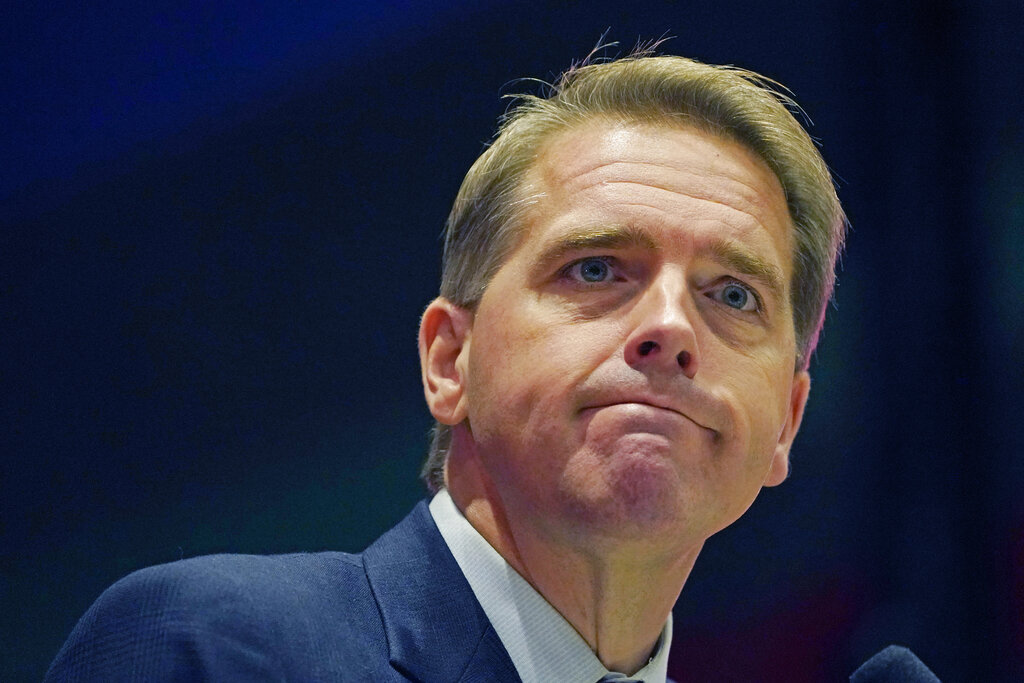
Scott Jennings is a prominent figure in political commentary, known for his insider knowledge and nuanced analysis. His relationship with Mitch McConnell likely stems from mutual respect and a shared understanding of political strategy. By choosing Jennings as a communication conduit, McConnell ensures that his messages are interpreted and disseminated by someone who comprehends the intricacies of Senate politics and the broader political landscape.
Jennings’ role as a trusted intermediary allows McConnell to shape the narrative more effectively, reaching audiences that value Jennings’ insights and credibility. This method also helps McConnell avoid the pitfalls of direct media interviews, where soundbites can be taken out of context or where hostile questioning might derail the intended message.
The Broader Trend of Selective Political Communication
McConnell’s strategy is not unique; many politicians increasingly rely on selective communication channels, including trusted commentators, social media influencers, and controlled press releases. This trend reflects a shift away from traditional media dominance toward more curated and targeted messaging.
While this approach offers advantages in message control and audience targeting, it also poses challenges for democratic transparency and media freedom. It underscores the need for media organizations to adapt and find new ways to engage with political figures and provide comprehensive coverage despite these barriers.
Conclusion
Mitch McConnell’s decision to call Scott Jennings but not the media highlights a significant shift in political communication strategies. While this approach allows for greater message control and strategic discretion, it also raises important questions about transparency, media access, and public accountability. As political communication continues to evolve, it is essential for both politicians and the media to find a balance that respects strategic needs while upholding democratic principles.
If you want to stay informed about the latest political communication trends and their impact on media and public discourse, subscribe to our newsletter and join the conversation today!
:max_bytes(150000):strip_icc():focal(749x0:751x2)/mitch-mcconnell-scott-jennings-070726-9d49be18ba6349b5a88f9ca066d833a5.jpg)