
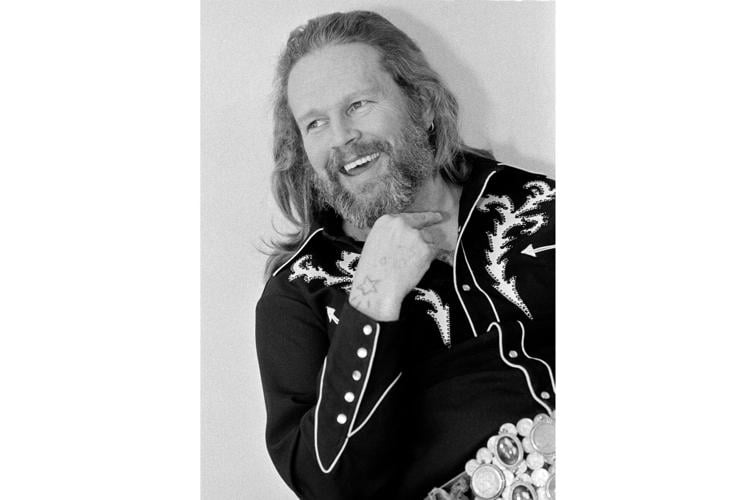
Outlaw Country Legend David Allan Coe Has Died
The Life and Legacy of David Allan Coe
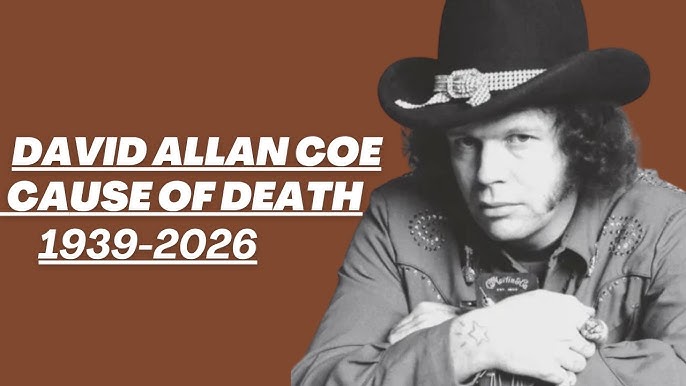
David Allan Coe, a towering figure in the outlaw country music scene, passed away on April 29, 2026, at the age of 86. Known for his wild lifestyle, controversial lyrics, and undeniable talent, Coe’s death marks the end of an era for country music. His journey from a troubled youth to a revered artist is a story of resilience, rebellion, and raw authenticity.
Born on September 6, 1939, in Akron, Ohio, Coe’s early life was marked by hardship. He spent much of his youth in correctional facilities and prison, experiences that deeply influenced his music and persona. After his release in 1967, Coe moved to Nashville, determined to make a name for himself in country music. His unique blend of outlaw country, infused with personal stories and unapologetic honesty, quickly set him apart from his contemporaries.
Though Coe never dominated the mainstream charts, his influence on country music is undeniable. His breakthrough came with the 1975 hit “You Never Even Called Me By My Name,” penned by Steve Goodman and John Prine. This song, cheeky and self-aware, became a staple in country music and showcased Coe’s ability to blend humor with heartfelt storytelling.
Musical Milestones and Controversies
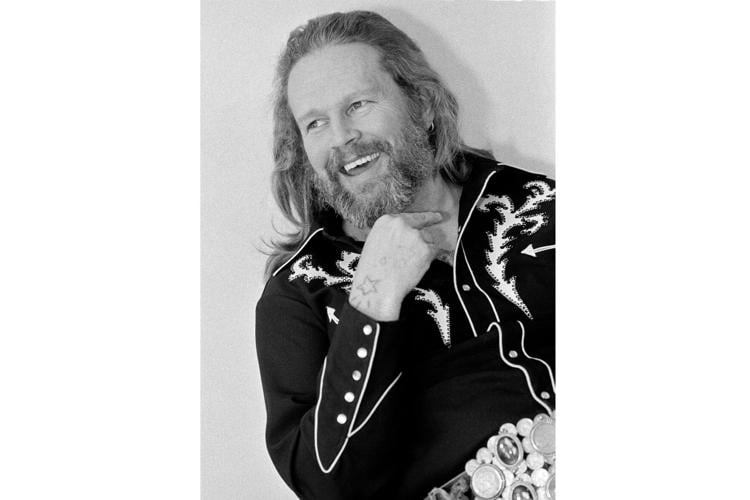
David Allan Coe’s career was a rollercoaster of highs and lows, marked by both critical acclaim and controversy. His 1983 hit “The Ride,” which tells a ghostly tale involving Hank Williams, sent chills through listeners and remains one of his most memorable songs. Meanwhile, “Mona Lisa Lost Her Smile” reached number two on the charts in 1984, highlighting Coe’s versatility as a songwriter capable of crafting tender ballads.
Beyond his own recordings, Coe’s songwriting prowess helped shape the careers of other country stars. He wrote “Take This Job and Shove It,” which became Johnny Paycheck’s signature anthem in 1977. Additionally, Coe penned “Would You Lay With Me (In a Field of Stone),” a number one hit for Tanya Tucker in 1974. His early recognition of “Tennessee Whiskey” also paved the way for future hits by George Jones and Chris Stapleton.
However, Coe’s legacy is also shadowed by controversy. His 1977 song “If That Ain’t Country” included racially charged language that sparked outrage. More infamously, his “Underground Album,” never officially sold in stores and distributed through biker magazines, contained explicit and offensive content that led to accusations of racism and bigotry. Coe consistently denied these claims, pointing to his diverse band members and outspoken opposition to racism in other contexts.
Despite these controversies, Coe was a complex figure who often challenged societal norms. He was the first country artist to perform with an all-female band and frequently supported marginalized communities, including Native Americans and incarcerated individuals. His prison concerts and outspoken nature made him a unique voice in country music, one that defied easy categorization.
A Life of Resilience and Influence
David Allan Coe’s life story reads like a country song itself—filled with hardship, redemption, and relentless pursuit of artistic expression. After spending nearly two decades in correctional institutions, Coe emerged as a fearless artist who refused to conform. His nickname, “The Mysterious Rhinestone Cowboy,” symbolized his blend of outlaw grit and flamboyant style, a persona that captivated fans.
In addition to his solo work, Coe experimented with different genres, collaborating with the heavy metal band Pantera in 2006 on the album “Rebel Meets Rebel.” This crossover showcased his willingness to push boundaries and connect with new audiences.
Coe’s death has sparked reflection on his complicated legacy. While some criticize his past behavior and lyrics, many acknowledge his profound impact on country music and his role in shaping the outlaw country movement. His songs continue to inspire artists and fans, cementing his place in music history.
Conclusion
David Allan Coe’s passing marks the loss of one of country music’s most enigmatic and influential figures. His legacy is a tapestry of groundbreaking music, controversy, and a life lived on his own terms. Whether celebrated for his songwriting or scrutinized for his provocative actions, Coe’s impact on the genre is undeniable. As fans and fellow musicians remember his contributions, his music will continue to resonate for generations to come.
If you appreciate the rich history of country music and want to honor the legends who shaped it, explore David Allan Coe’s extensive catalog and share his story with others. His life reminds us that true artistry often comes with complexity and courage.