
EXCLUSIVE: How Christopher Nolan’s ‘The Odyssey’ Pushed Cast to the Limit
The Grueling Challenges Behind Christopher Nolan’s ‘The Odyssey’

Christopher Nolan’s latest cinematic masterpiece, The Odyssey, is not just a retelling of Homer’s legendary epic—it’s a testament to the director’s relentless pursuit of authenticity and immersive storytelling. Behind the scenes, the cast and crew endured some of the most demanding conditions ever seen on a film set, pushing their physical and mental limits to bring the ancient tale to life.
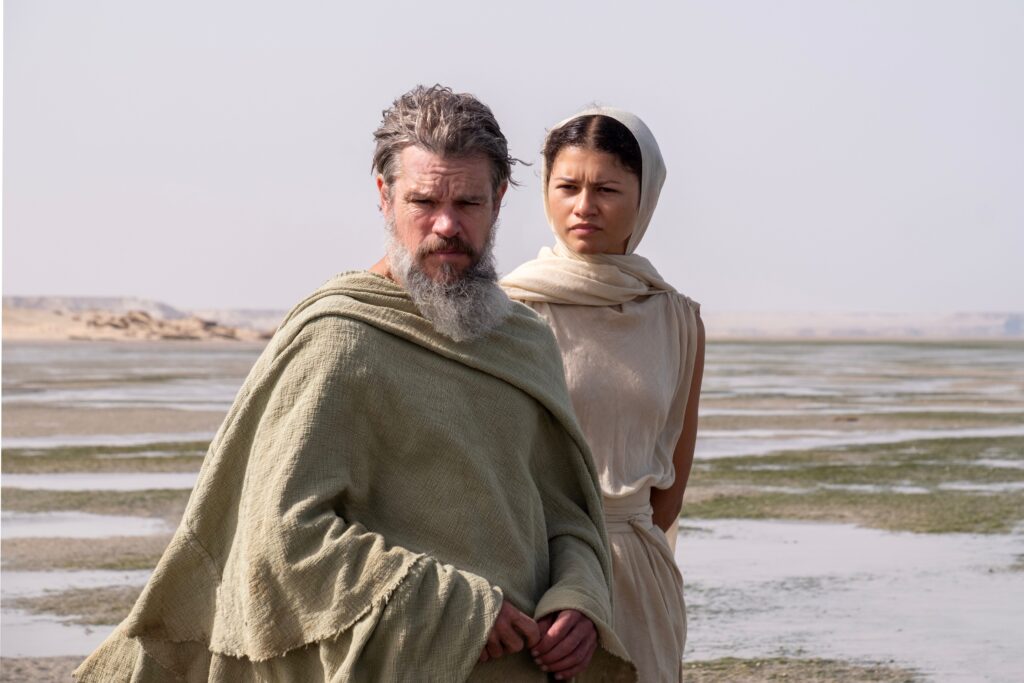
Unlike many modern blockbusters that rely heavily on CGI and digital effects, Nolan chose to embrace practical effects and real environments, immersing his actors in the harsh realities of the story’s 1200 BC setting. This commitment to realism meant that the cast experienced firsthand the grueling hardships their characters faced, making The Odyssey not only a visual spectacle but also a deeply authentic cinematic experience.
Living Like It’s 1200 BC: Nolan’s Ban on Modern Conveniences

One of the most striking aspects of Nolan’s approach was his strict ban on 21st-century comforts. On set, cell phones, water bottles, and even cozy footwear like UGG boots were prohibited. This was no mere gimmick; Nolan believed that removing these modern distractions would help the actors fully immerse themselves in their roles and the ancient world they were portraying.
Hollywood staples such as luxury dressing rooms and first-class transportation were also off-limits. Instead, the cast lived in conditions that mirrored those of the characters they played—enduring long, exhausting days with minimal comforts. This method acting approach created a palpable atmosphere of tension and endurance, which translated powerfully on screen.
Matt Damon, who portrayed Odysseus, described the experience as “the hardest movie I’ve ever done.” His role required him to endure physically taxing scenes, including one where he nearly drowned. Filming took place on a real Viking longship sailing the Mediterranean Sea, where seasickness was common and actors were often caught vomiting overboard. These authentic conditions added a raw edge to the performances that CGI could never replicate.
Practical Effects Over Digital Magic: Nolan’s Commitment to Authenticity
Christopher Nolan’s refusal to rely on digital effects extended to some of the film’s most iconic moments. For instance, the legendary Trojan Horse scene was filmed with actors submerged inside a real wooden structure stuck in icy waters, creating genuine discomfort and tension.
Perhaps the most ambitious practical effect was the creation of a towering 60-foot puppet representing the Cyclops, the monstrous one-eyed giant from Greek mythology. Instead of using CGI, Nolan’s team painstakingly built this massive puppet, which was used in a key scene shot inside a dark cave. The only light source was real firelight, casting eerie shadows and enhancing the scene’s authenticity.
This dedication to practical effects not only challenged the cast and crew but also elevated the film’s visual storytelling, providing audiences with a tangible connection to the ancient world.
Enduring the Elements: Filming in Extreme Conditions

The production schedule of The Odyssey was as relentless as the story itself. Some scenes were shot during Iceland’s “white nights,” a period of continuous daylight that posed unique challenges for the crew trying to simulate nighttime. The actors had to maintain their energy and focus despite the unnatural lighting conditions.
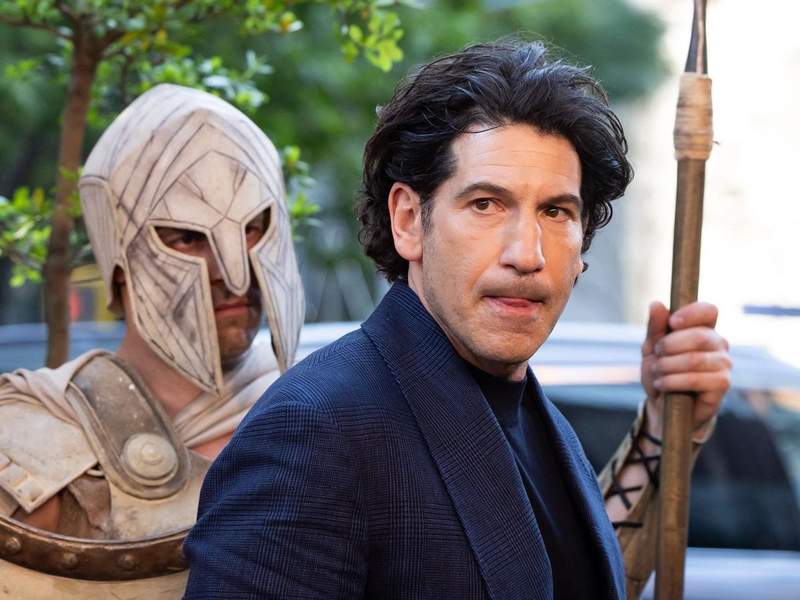
Other sequences required the cast to brave harsh weather and treacherous seas. The physical toll was immense, but it contributed to the film’s visceral realism. Jon Bernthal, who played a key role in the Trojan Horse scene, spent hours submerged in freezing water, testing his endurance and commitment to the role.
How Nolan’s Vision Transformed ‘The Odyssey’ into a Box Office Triumph
Christopher Nolan’s gamble on authenticity and physicality paid off spectacularly. The Odyssey grossed an impressive $264 million worldwide during its opening weekend, a testament to the film’s widespread appeal and critical acclaim.
Oscar-winning actress Lupita Nyong’o, who portrayed the dual roles of Helen of Troy and her twin sister Clytemnestra, credited Nolan’s no-phone policy for fostering a focused and collaborative environment on set. “Everyone is present, everyone is ready, alert and doing their bit to keep the train on the tracks,” she said, highlighting how the director’s strict rules contributed to the film’s success.
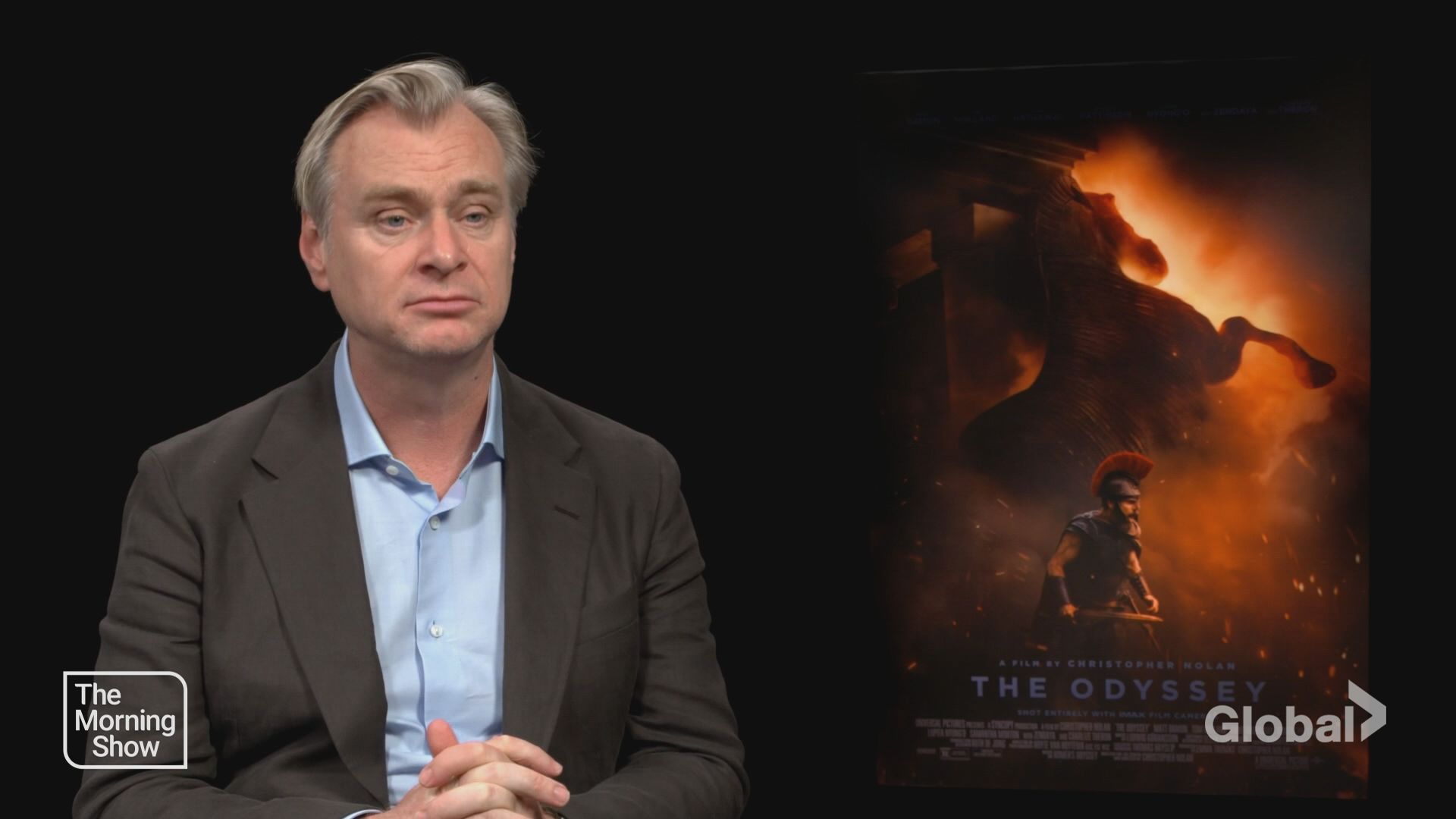
Nolan himself emphasized his creative philosophy: “I feel a real responsibility to try and get as much on screen for the audience as possible. To give the audience the fullest flavor. The fullest set. The fullest set of images and events that we can give them for a given story.” This dedication to delivering a rich, immersive experience is what sets The Odyssey apart from other adaptations of classic literature.
The Impact on Cast and Crew
The intense filming conditions forged a strong bond among the cast and crew, who shared the unique experience of living and working under such demanding circumstances. Many actors reported that the challenges they faced deepened their connection to their characters and the story.
The physical and emotional trials of the production also resulted in performances that felt raw and genuine, resonating deeply with audiences worldwide. This authenticity is a hallmark of Nolan’s work and a key reason why The Odyssey stands out in the crowded field of epic adaptations.
Conclusion
Christopher Nolan’s The Odyssey is more than just a film—it’s an extraordinary journey that pushed its cast and crew to their limits in pursuit of cinematic authenticity. By banning modern conveniences, embracing practical effects, and filming in extreme conditions, Nolan created a powerful and immersive adaptation of Homer’s timeless epic. The film’s success at the box office and critical acclaim prove that this bold approach resonated with audiences everywhere.
If you’re a fan of epic storytelling and behind-the-scenes filmmaking secrets, don’t miss the chance to experience The Odyssey—a film where dedication and passion meet to create movie magic. Stay tuned for more exclusive insights into your favorite films and directors!