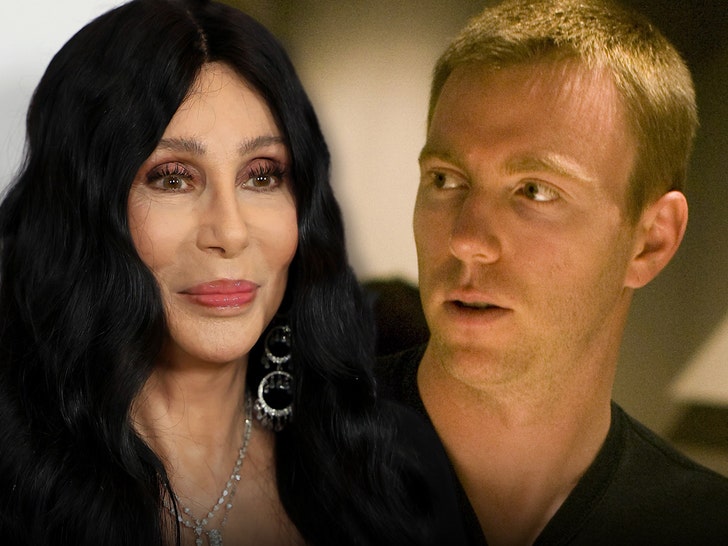
Cher’s Son Elijah Blue Allman Calls into Court Hearing from Mental Health Ward as Judge Denies Conservatorship Request
In a recent and highly publicized court hearing, Elijah Blue Allman, the son of legendary singer Cher, made a remote appearance from a mental health ward. The hearing revolved around a contentious request to establish a conservatorship over Elijah, which the judge ultimately denied. This decision marks a significant moment in the ongoing conversation about personal autonomy, mental health, and legal guardianship for adults facing health challenges.
Judge Denies Conservatorship Request for Elijah Blue Allman

The court hearing took place amid concerns about Elijah Blue Allman’s well-being and ability to manage his personal and financial affairs. Conservatorships are legal arrangements where a court appoints an individual or organization to manage the affairs of someone deemed incapable of doing so themselves. In this case, the request was made to ensure Elijah’s safety and proper care due to his mental health status.
However, after reviewing evidence and hearing testimonies, the judge ruled against establishing a conservatorship. The decision was influenced by several factors, including Elijah’s current treatment plan, his ability to communicate during the hearing, and expert opinions suggesting that conservatorship was not the most appropriate or necessary intervention at this time.
Elijah’s remote participation from the mental health ward was a poignant reminder of the delicate balance courts must maintain between protecting individuals and respecting their independence. The judge emphasized that denying the conservatorship does not mean Elijah will be left without support; rather, alternative measures and ongoing care will be prioritized.
Understanding Conservatorship and Its Impact on Mental Health Cases
Conservatorships have been a subject of intense scrutiny, especially following high-profile cases involving celebrities. They are designed to protect individuals who cannot make decisions for themselves due to mental or physical incapacities. However, conservatorships can also limit personal freedoms, making the decision to impose one a serious and complex matter.
In mental health cases like Elijah Blue Allman’s, courts must carefully evaluate whether a conservatorship is necessary or if less restrictive options exist. Mental health wards and treatment programs often provide structured environments that support recovery without stripping away autonomy. The judge’s decision reflects a growing awareness of the importance of empowering patients while ensuring their safety.
Elijah’s case highlights the challenges families and legal systems face when addressing mental health issues. It also underscores the need for comprehensive support systems that respect individual rights and promote healing.
Elijah Blue Allman’s Journey and Family Support

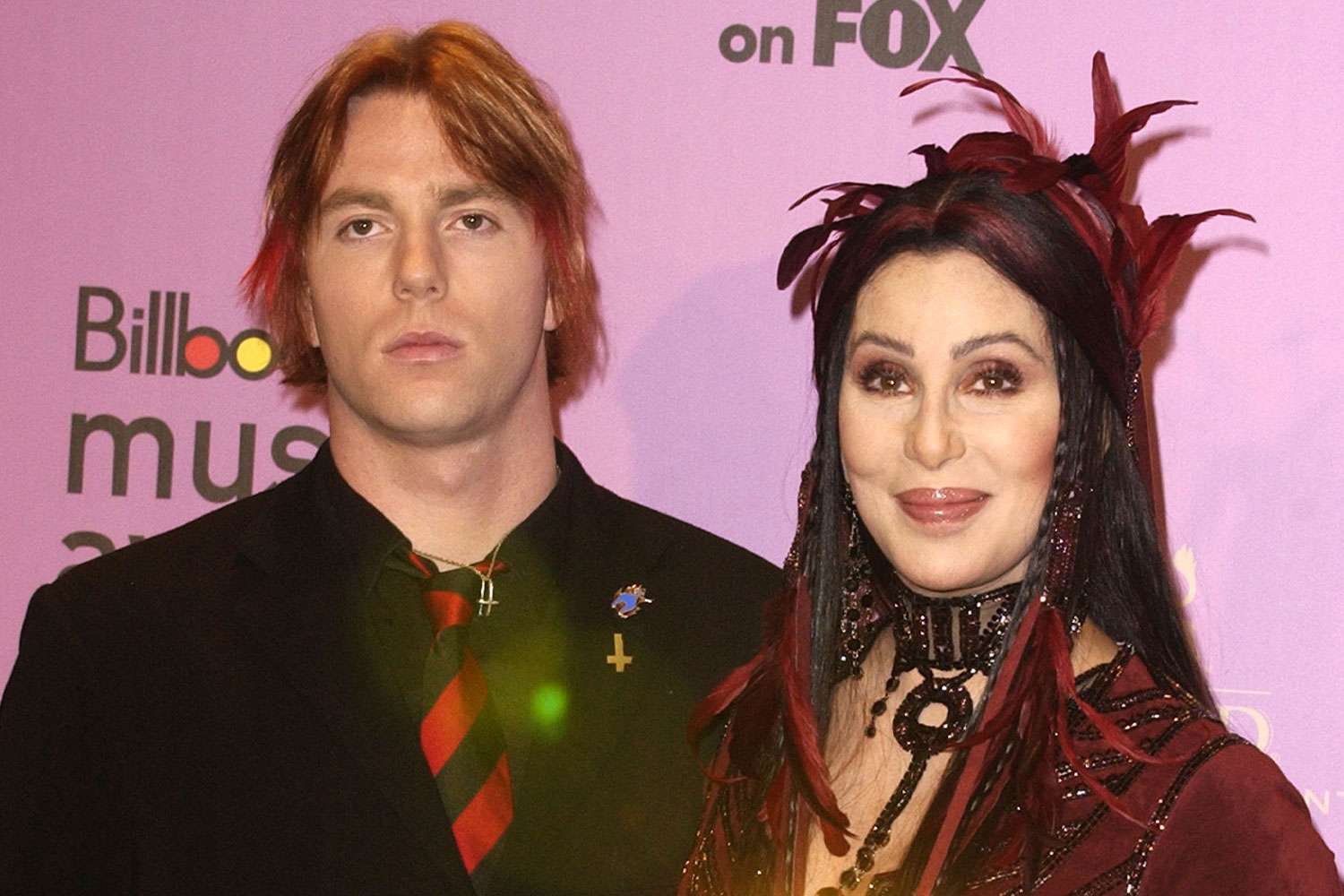
Elijah Blue Allman, known for his musical talent and as the son of Cher and Gregg Allman, has publicly shared his struggles with mental health over the years. His family has been involved in his care, advocating for his well-being while respecting his privacy.
The recent hearing brought attention to the ongoing efforts to balance Elijah’s health needs with his desire for independence. Cher and other family members have expressed hope that he receives the best possible care without unnecessary legal restrictions.
This case serves as a reminder of the complexities surrounding mental health care, legal guardianship, and family dynamics. It also encourages a broader conversation about how society supports individuals facing similar challenges.
Conclusion

The denial of the conservatorship request for Elijah Blue Allman marks an important step in respecting his autonomy while ensuring he receives appropriate care. As mental health awareness continues to grow, cases like Elijah’s highlight the need for compassionate, individualized approaches to treatment and legal decisions. For those interested in learning more about conservatorships and mental health rights, staying informed and advocating for balanced solutions is crucial. If you or a loved one are navigating similar challenges, consider reaching out to mental health professionals or legal experts to explore the best options available.