
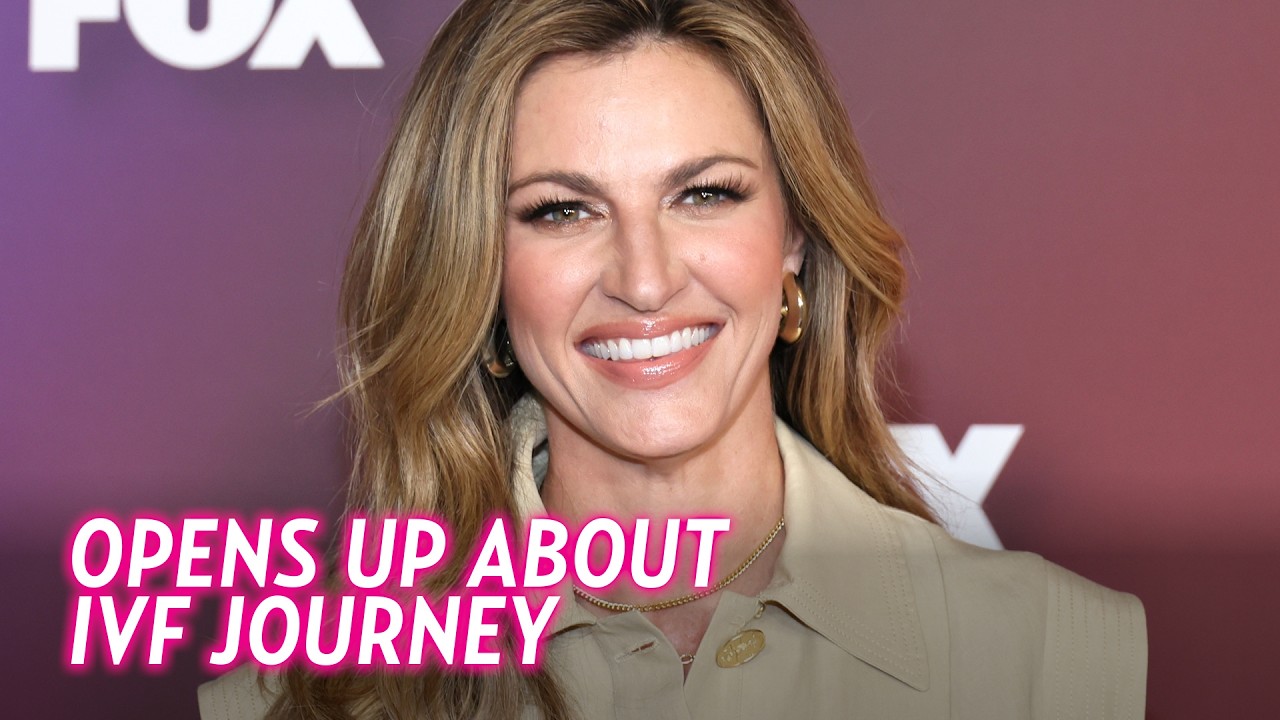
Erin Andrews is Doing IVF at 47 — The Truth About Fertility Before Menopause
Understanding Fertility and IVF at 47: Erin Andrews’ Journey
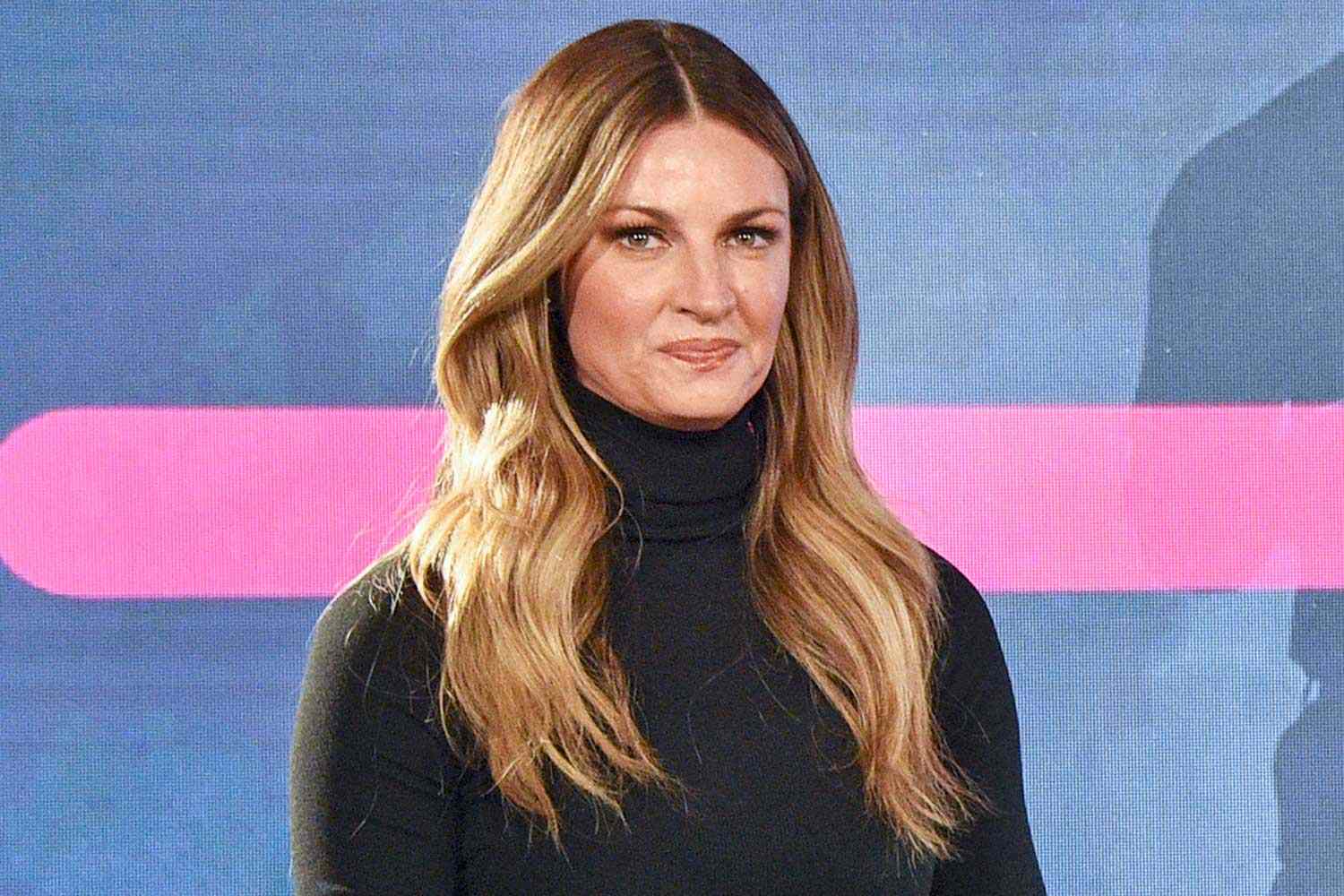
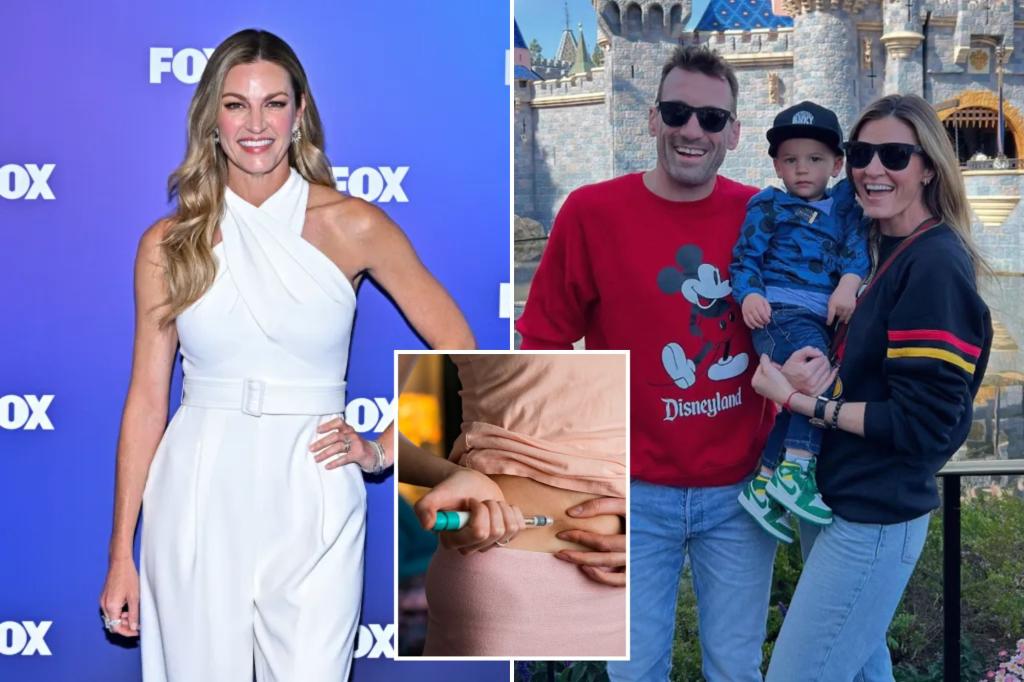
Erin Andrews, the well-known sportscaster and Fox Sports NFL sideline reporter, has recently opened up about her ongoing journey with in vitro fertilization (IVF) at the age of 47. Despite the challenges that come with age-related fertility decline, Andrews is determined to expand her family, showcasing the resilience and hope many women share when facing fertility issues later in life.
At 47, Erin Andrews is defying common perceptions about fertility and age. She has candidly shared her experiences with IVF, including previous unsuccessful attempts and her unwavering commitment to trying again. This journey is not only personal but also sheds light on the broader topic of fertility before menopause, a subject that often carries misconceptions and emotional weight for many women.
The Science of Fertility Decline Before Menopause
Menopause marks the end of a woman’s natural reproductive years, typically occurring around age 52 in the United States. However, the decline in fertility begins years earlier during a phase called perimenopause, which can start in a woman’s 40s. During perimenopause, the ovaries gradually produce fewer eggs, and the quality of those eggs diminishes, making natural conception increasingly difficult.
It’s important to understand that having regular menstrual cycles does not guarantee fertility. Women can continue to menstruate even when their fertility has significantly declined. This means that while periods may still occur, the chances of conceiving naturally drop sharply as women approach their late 40s.
IVF can offer hope for women like Erin Andrews who want to conceive later in life. However, success rates for IVF decrease with age, primarily because of the reduced quantity and quality of eggs. For women over 40, the likelihood of a successful pregnancy through IVF is lower compared to younger women, but it is not impossible.
Erin Andrews’ IVF Experience and Fertility Preservation
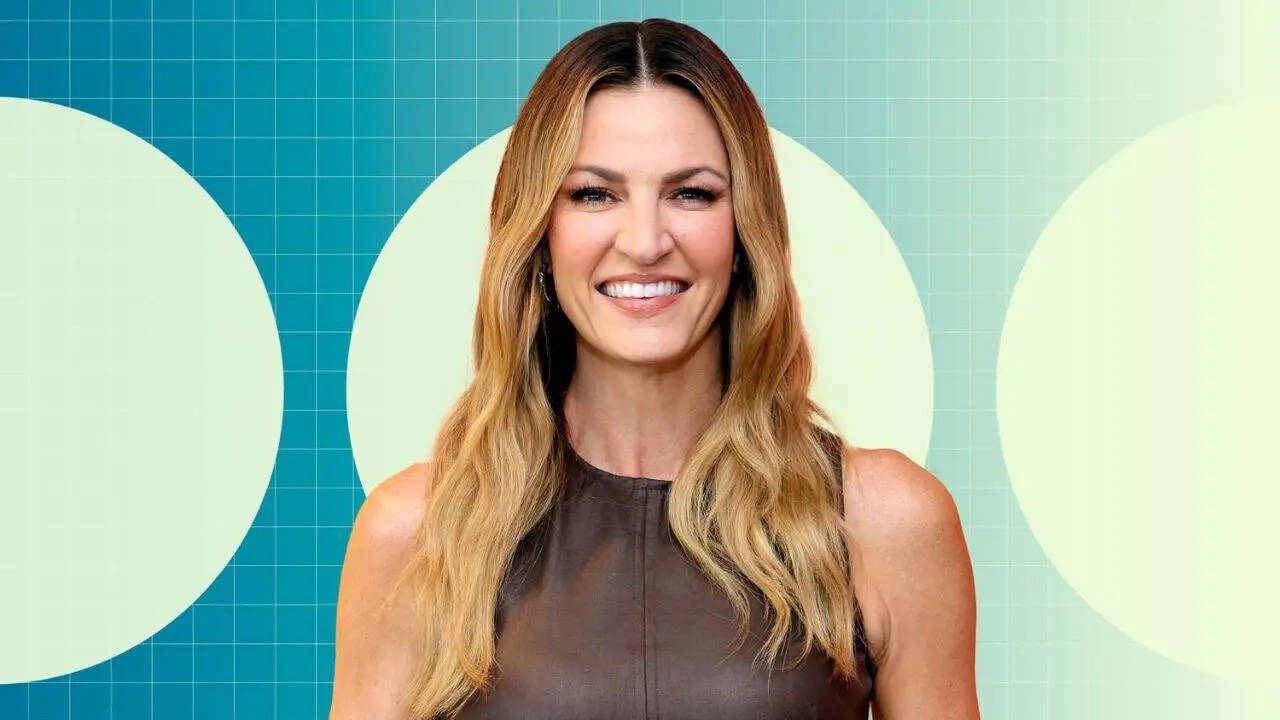
Erin Andrews’ story is particularly inspiring because she took proactive steps to preserve her fertility earlier in life. She and her husband, retired hockey player Jarret Stoll, froze embryos before she faced health challenges, including a cervical cancer diagnosis in 2016. This foresight has been crucial in her IVF journey, as using frozen embryos created when she was younger increases the chances of a successful pregnancy.
Despite several rounds of IVF that did not result in pregnancy, Andrews remains optimistic. In 2023, she and Stoll welcomed their son via surrogate, and now she is determined to try again for a second child. Her persistence highlights the emotional and physical challenges many women face when pursuing pregnancy later in life, as well as the advances in reproductive technology that make such journeys possible.
Fertility Before Menopause: What Women Need to Know
Understanding fertility before menopause is essential for women considering pregnancy later in life. Here are key facts to keep in mind:
- Fertility Declines Gradually: Fertility starts to decline in the early 30s and accelerates after 35. By the time a woman reaches her mid to late 40s, natural conception becomes rare.
-
Menstruation Does Not Equal Fertility: Women may continue to have periods for years after their fertility has significantly decreased.
-
IVF Success Rates Drop with Age: The chances of IVF success for women over 40 are generally low, often below 5%, but vary depending on individual health and fertility preservation efforts.
-
Health Risks Increase: Pregnancies after 40 carry higher risks for both mother and baby, including gestational diabetes, high blood pressure, premature birth, and low birth weight. Close medical supervision is crucial.
-
Fertility Preservation Helps: Freezing eggs or embryos at a younger age can improve the chances of pregnancy later in life.
Medical Advice and Support for Women Over 40
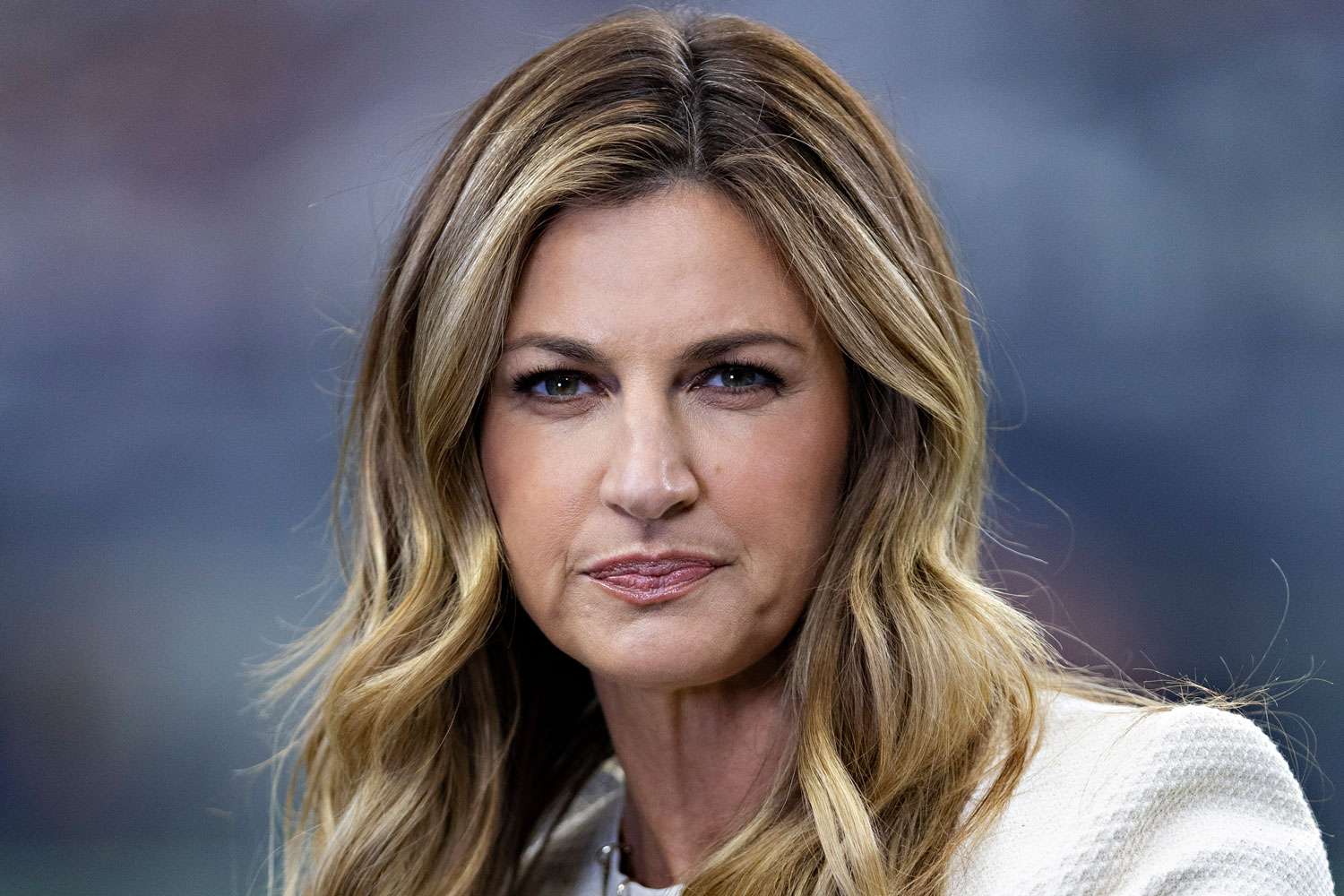
Women over 40 who are considering pregnancy or undergoing fertility treatments like IVF should seek specialized medical advice. Reproductive endocrinologists can provide personalized assessments and treatment plans. Additionally, consulting with a high-risk obstetrician before conception can help manage potential pregnancy complications.
Erin Andrews’ journey underscores the importance of support, both medical and emotional, during this challenging time. Her openness encourages other women to explore their options and make informed decisions about their reproductive health.
Conclusion
Erin Andrews’ decision to pursue IVF at 47 shines a spotlight on the realities of fertility before menopause. While natural conception becomes increasingly difficult with age, advances in reproductive technology and fertility preservation offer hope to many women. Understanding the biological changes, risks, and options available is crucial for anyone navigating fertility later in life.
If you or someone you know is considering IVF or fertility preservation, consult with a fertility specialist to explore the best options tailored to your unique situation. Don’t let age define your family-building journey—take the first step today and empower yourself with knowledge and support.