Bella Thorne Says Hollywood Treated Her Like a Kid on Screen and an Adult Off Camera
The Complex Reality of Growing Up in Hollywood: Bella Thorne’s Story

Bella Thorne’s journey in Hollywood is a compelling example of the often harsh realities faced by child actors. From an early age, she was thrust into the spotlight, expected to portray innocence and youth on screen while simultaneously managing adult responsibilities off camera. This dual expectation created a challenging environment that shaped her personal and professional life in profound ways.
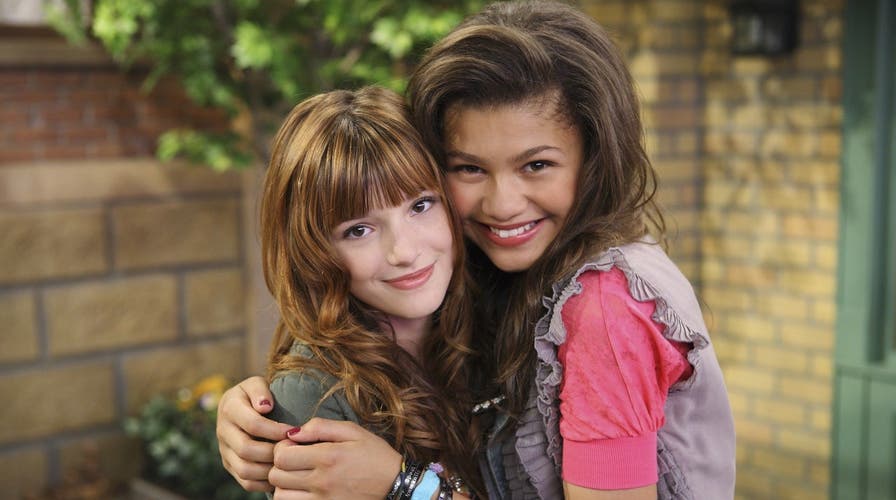
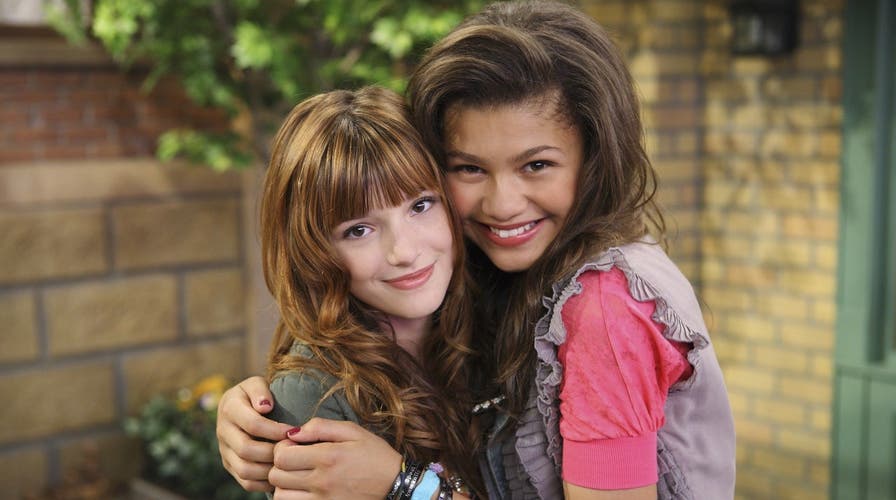
Starting her career as a child model, Bella quickly transitioned to television, landing roles in series like HBO’s “Big Love.” However, her true breakthrough came in 2010 when she was cast as CeCe Jones on Disney Channel’s hit show “Shake It Up,” starring alongside Zendaya. While the show portrayed her as a lively teenager, behind the scenes, Bella was navigating adult conversations and long working hours that far exceeded typical childhood experiences.
During an interview on the podcast “Call Her Daddy,” Bella opened up about this difficult balancing act. She explained, “You’re spending all of your hours a day on set with adults… it’s like such a different, the brain’s like how do I–” She described the pressure of being expected to behave like a child on camera but to take full responsibility for mistakes as if she were an adult. “When I f–k up, it’s my bad, not like a child – it’s my bad. Like you’re an adult, it’s your bad,” she said candidly.
Struggling to Find Balance and Mental Clarity
The conflicting demands of childhood stardom took a toll on Bella Thorne’s mental health and personal development. She admitted that she never really found the right balance or mental clarity during her early years in the industry. “I don’t think that I ever handled it or balanced it out correctly,” she shared. The constant pressure to perform and behave maturely while still being a child was overwhelming.
Over time, Bella recognized the need to make significant changes in her life. After years of intense work schedules and emotional strain, she began prioritizing her mental well-being. The release of her directorial debut, “Color Your Hurt,” left her emotionally drained but also served as a turning point. She took a step back to give herself “some space to breathe” and practice self-compassion—something she admitted she never did as a younger star.
At 28, Bella reflected on the freedom she felt upon turning 18. “I was like, ‘I’m free,’” she recalled. “Like I’m literally free. Like I’m walking into this house and no one’s asking me when I’m gonna be there, when this time or when I’m gonna leave.” This newfound independence was a stark contrast to the rigid schedules and expectations she faced as a child actor.
Facing Comparisons and Stereotypes in Hollywood

Bella Thorne’s experience also highlights the intense scrutiny child stars face, especially when compared to their peers. She was often measured against other Disney Channel alumni like Selena Gomez, Miley Cyrus, and Demi Lovato. However, Bella pointed out that her era was different from theirs, and she didn’t socialize much with those stars outside of work.
The media frequently speculated whether Bella would follow the path of the so-called “bad girl” archetype popularized by some former Disney stars. At just 12 years old, she was already being asked if she would become the next Lindsay Lohan or a rebellious figure. “Your brain is like trying so hard,” she said, describing the confusion and pressure of such questions at a young age.
Despite these challenges, Bella has successfully moved beyond her Disney image. She has taken on diverse roles in film and television, proving her versatility as an actress. Moreover, she has expanded her career behind the camera, signing on to write, direct, and star in projects like “Spring Breakers 2,” following her debut as a director with “Color Your Hurt.”
Conclusion: Bella Thorne’s Journey from Child Star to Empowered Adult

Bella Thorne’s story sheds light on the complex and often contradictory expectations placed on child actors in Hollywood. Treated like a kid on screen but expected to act like an adult off camera, she faced unique challenges that impacted her mental health and personal growth. Through self-reflection and prioritizing her well-being, Bella has transformed her career and life, embracing new creative opportunities and freedom.
If you found Bella Thorne’s journey inspiring, stay tuned for more stories about the realities of growing up in the entertainment industry and how stars are redefining their paths. Don’t forget to share this article and subscribe for the latest updates on your favorite celebrities!