Anna Wintour Has Rubber-Stamped Bigotry by Picking Antisemitic Galliano for Met Show
Anna Wintour’s Controversial Choice: John Galliano at the 2027 Met Gala
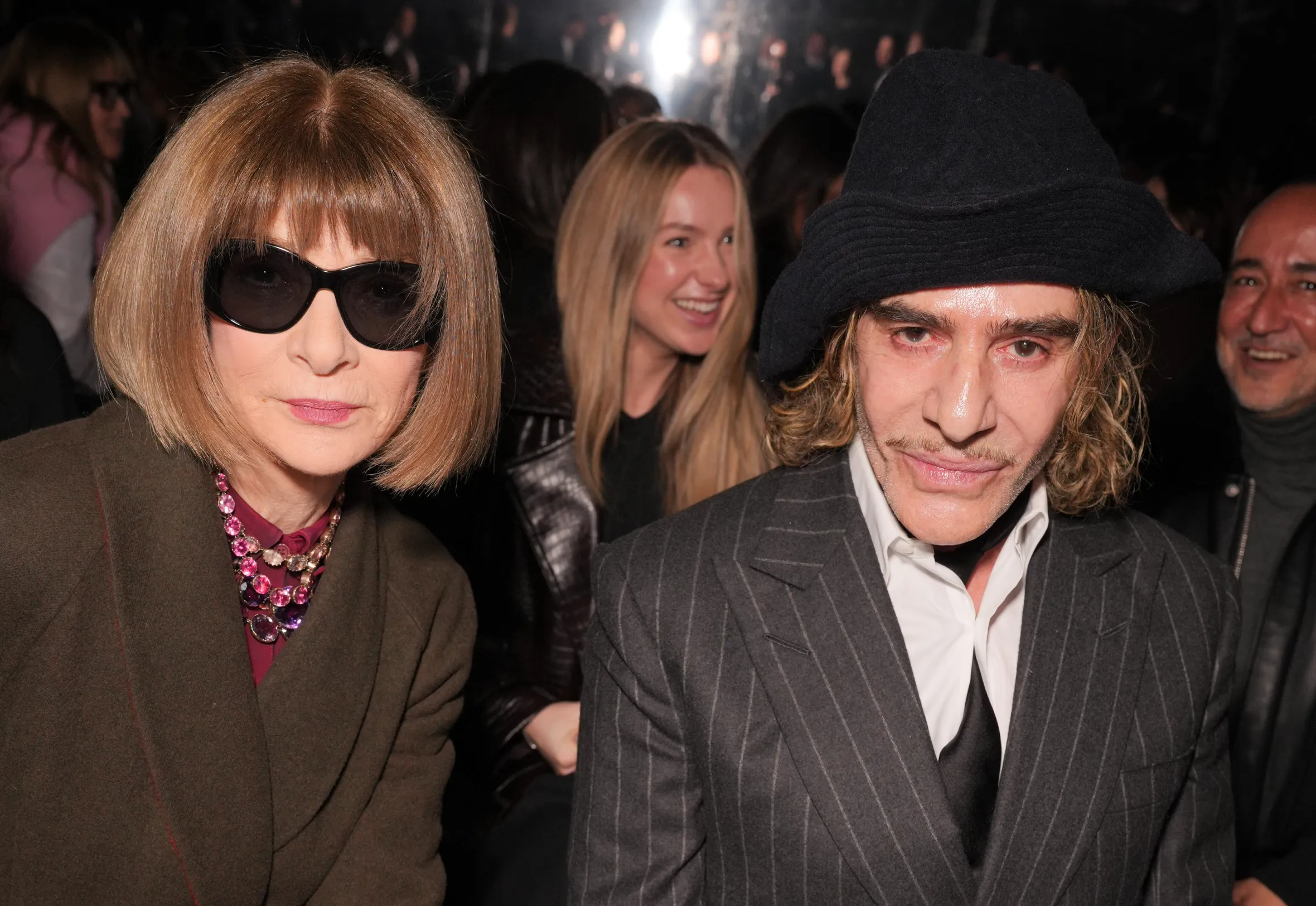
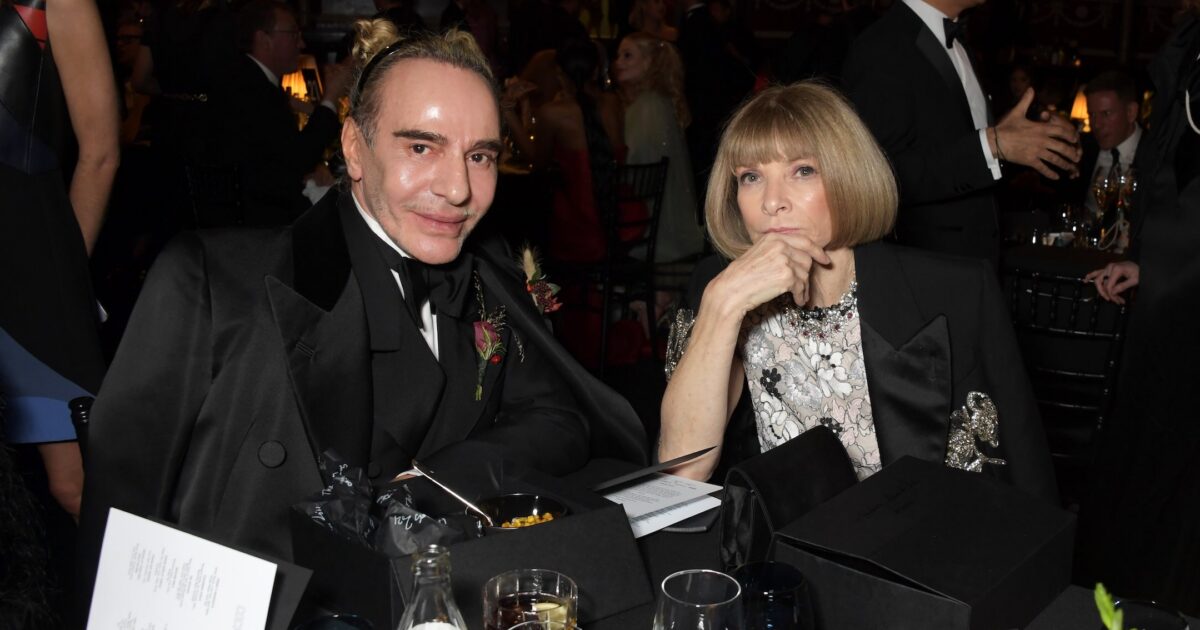
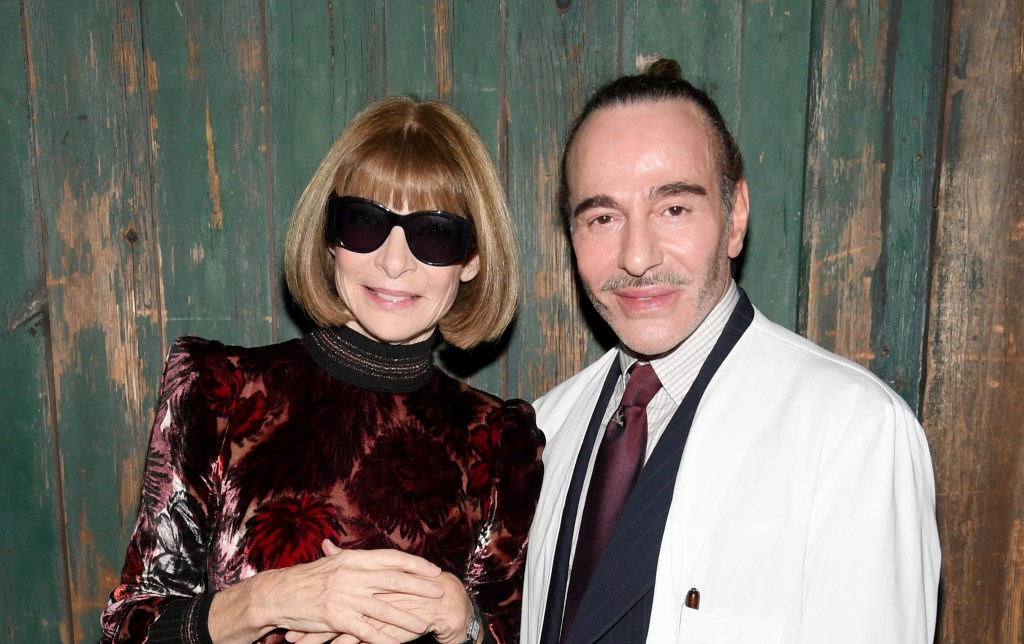
In an unexpected and highly contentious move, Anna Wintour, the influential editor-in-chief of Vogue and the driving force behind the Met Gala, has selected John Galliano as the centerpiece for the 2027 Met Costume Institute exhibition. This decision has ignited widespread debate and criticism due to Galliano’s well-documented history of antisemitic behavior. The choice raises serious questions about the fashion industry’s stance on bigotry and the limits of forgiveness and rehabilitation for public figures who have committed hateful acts.
John Galliano, once celebrated as a visionary British designer and former creative director of Christian Dior, was publicly exposed in 2011 for making vile antisemitic remarks in a Paris bar. Caught on video, Galliano uttered hateful slurs, including declarations of love for Hitler and threats against Jewish people. These statements led to his dismissal from Dior and legal consequences in France. Despite this, Galliano has since attempted to rebuild his career, including a high-profile residency with Oscar de la Renta in 2013.
Anna Wintour’s endorsement of Galliano as “the most deserving” of a Met exhibition has been met with shock and dismay by many. Critics argue that elevating Galliano to such a prestigious platform effectively condones his past bigotry and undermines efforts to combat antisemitism, especially at a time when hate crimes against Jewish communities are alarmingly high.
The Impact of Galliano’s Selection on the Fashion World and Society
The Met Gala is not just a fashion event; it is a cultural phenomenon that attracts celebrities, politicians, and influencers from around the world. By choosing Galliano, Wintour sends a powerful message about what is acceptable within this elite sphere. The decision appears to prioritize artistic legacy over moral accountability, blurring the lines between forgiveness and celebration.
Supporters of Galliano’s inclusion argue that his career should not be defined solely by his past mistakes and that the exhibition will address the full arc of his life, including his darkest moments. However, detractors contend that this rationale minimizes the severity of his antisemitic actions and disregards the pain inflicted on Jewish communities.
Moreover, Wintour and the Met Costume Institute reportedly consulted with Jewish leaders before finalizing the decision. While this might suggest an attempt at sensitivity, many feel that the choice still fails to adequately respect the gravity of Galliano’s offenses or the ongoing struggles against antisemitism.
The controversy also highlights a broader issue within the fashion industry: the tension between artistic genius and ethical responsibility. It raises the question of whether talent should excuse reprehensible behavior and how institutions can balance honoring creativity with upholding social values.
Understanding the Context: Galliano’s Past and the Road to Redemption

To fully grasp the implications of this decision, it is important to revisit the events that led to Galliano’s fall from grace. In 2011, during an intoxicated episode at a Paris bar, Galliano launched into a tirade filled with antisemitic slurs directed at a Jewish woman. The incident was captured on video and widely publicized, resulting in his immediate termination from Dior and legal action in France.
Galliano later claimed to have no memory of the incident, attributing his behavior to substance abuse involving alcohol, valium, and sleeping pills. While addiction can impair judgment, it does not excuse the hateful content of his words. Galliano sought rehabilitation and reportedly engaged with the Anti-Defamation League as part of his efforts to make amends.
Despite these steps, many remain skeptical about the sincerity of his transformation. The decision by Anna Wintour to feature him prominently at the Met Gala is seen by some as a premature celebration of a figure whose redemption story is still contested.
Conclusion: The Need for Accountability and Ethical Leadership in Fashion
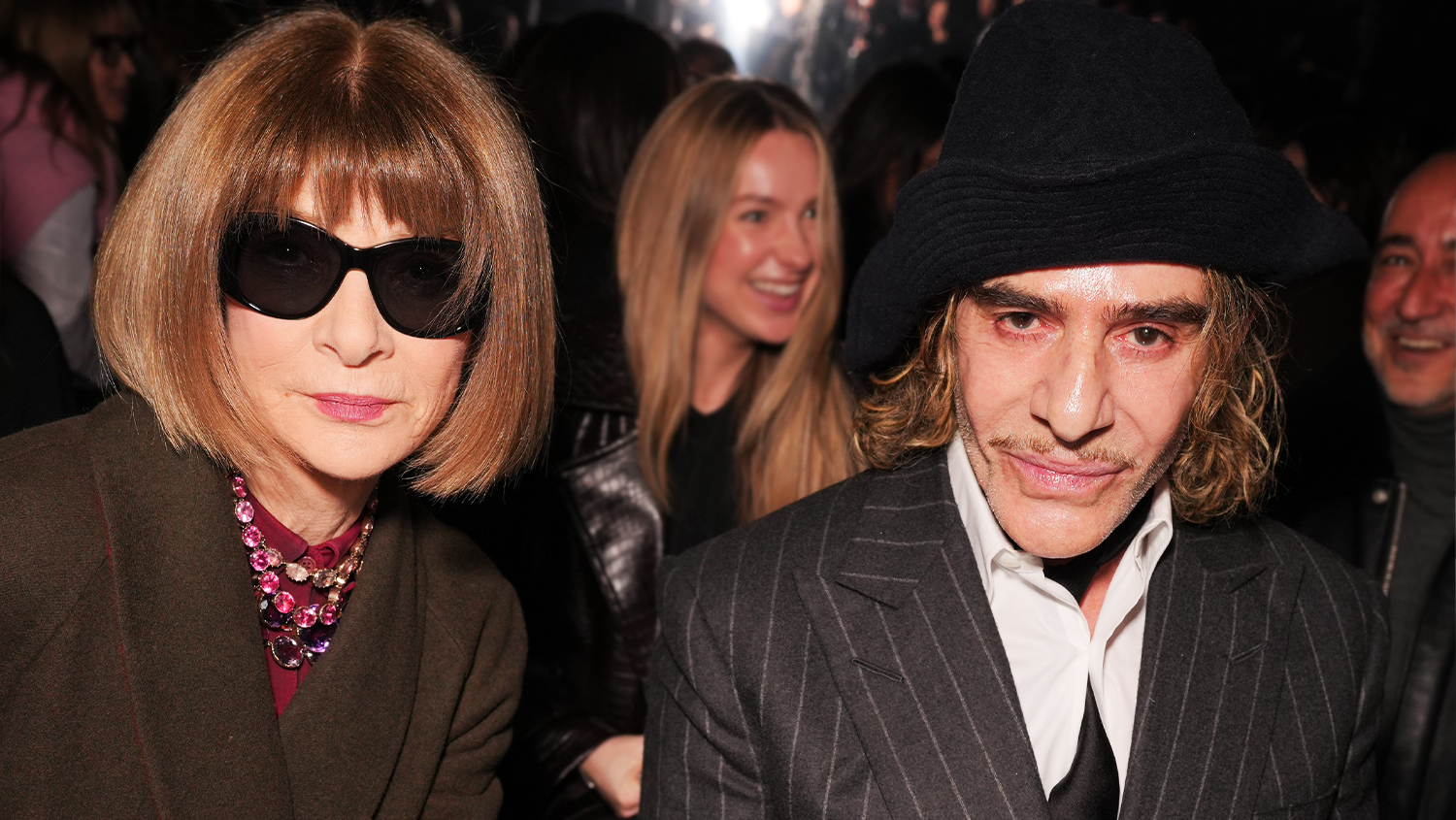
Anna Wintour’s decision to spotlight John Galliano at the 2027 Met Costume Institute show is a controversial move that has sparked important conversations about bigotry, accountability, and the role of cultural institutions in shaping societal values. While artistic talent and career achievements are significant, they should not overshadow the impact of hateful actions and the need for genuine remorse and change.
The fashion world, with its immense influence and visibility, has a responsibility to promote inclusivity and reject all forms of discrimination. Elevating a figure with a history of antisemitism sends a troubling message that undermines these principles.
As consumers and supporters of fashion and culture, we must demand ethical leadership and hold influential figures accountable for their choices. Only through transparency, dialogue, and a commitment to justice can the industry move forward in a way that respects all communities.
If you care about the future of fashion and social responsibility, stay informed and make your voice heard. Share this article, engage in conversations, and support initiatives that promote diversity and respect in the arts.