
Jill Biden Admits Understanding Hunter’s Drug Addiction Was ‘Really Hard’ as He Endured Multiple Rehab Stints
Jill Biden Opens Up About the Struggles of Understanding Addiction
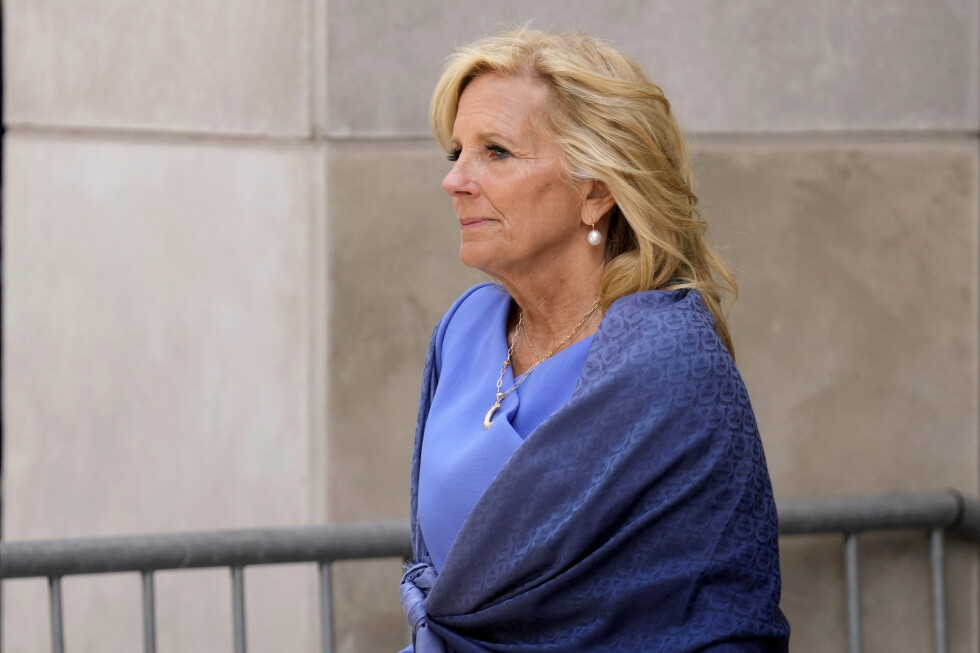
Jill Biden, the First Lady of the United States, recently shared heartfelt reflections on the difficult journey of coming to terms with her stepson Hunter Biden’s drug addiction. Speaking candidly during an interview on SiriusXM’s Let’s Talk Off Camera with Kelly Ripa, Jill described the emotional toll that Hunter’s addiction took on her personally and on the entire family.
She acknowledged that understanding addiction was “really hard,” especially given the loving and supportive environment Hunter was raised in. Jill expressed feelings of confusion and self-doubt, questioning what more could have been done to prevent her stepson’s struggles. “We gave him a good education. He couldn’t be more loved. He has a great family. We live in a great house. What more could we have given him?” she said. These words highlight the common misconception that addiction is simply a matter of willpower or upbringing, when in reality, it is a complex illness that affects many regardless of their circumstances.
Jill’s openness about her own challenges in understanding addiction sheds light on the stigma and misunderstandings that often surround this disease. She emphasized that addiction is an illness, not a moral failing, and that recognizing this is crucial for families coping with similar situations.
The Emotional Impact of Multiple Rehab Stints
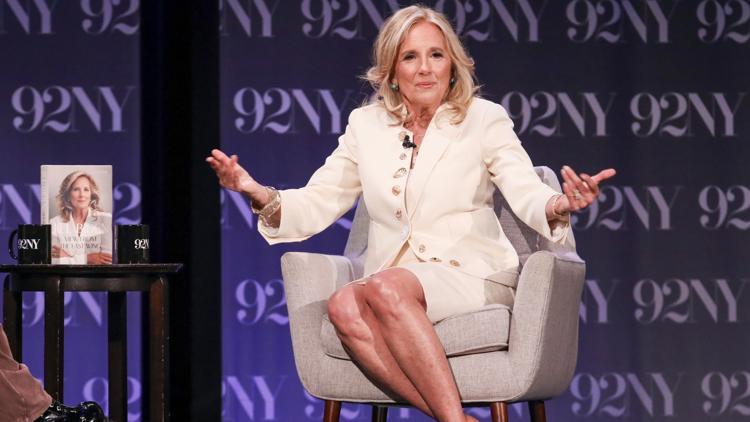
Hunter Biden’s battle with addiction involved numerous rehab stays over several years, a process that was both exhausting and painful for the family. Jill described the experience as a cycle of hope and disappointment, with each rehab stint bringing new challenges and questions. “Once you’re going through rehab after rehab and you’re not getting answers, I think it’s really hard,” she admitted.
The repeated attempts at recovery without immediate success can be disheartening, but Jill’s reflections underscore the importance of persistence and compassion. She praised Hunter’s strength and determination to keep fighting despite setbacks, highlighting that recovery is often a long and difficult road.
Hunter Biden’s Journey to Recovery and Resilience
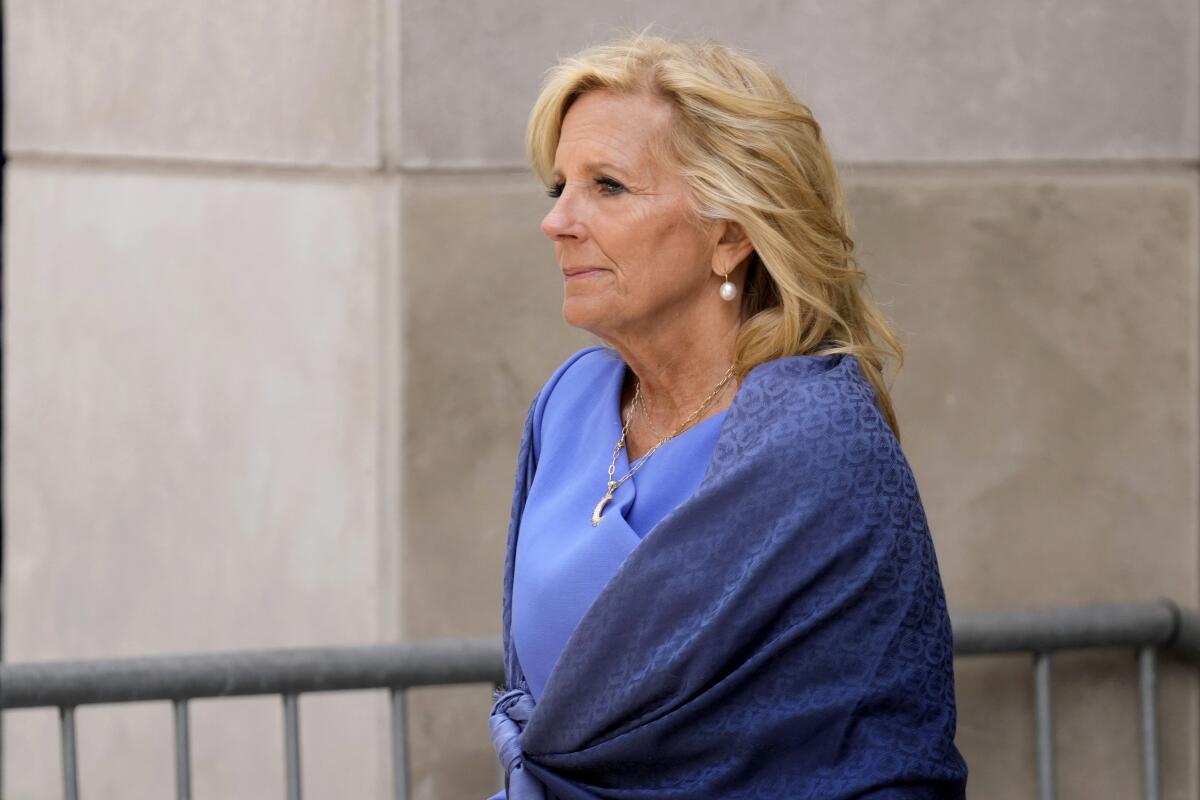
Despite the hardships, Hunter Biden has made significant strides in overcoming his addiction. Jill expressed pride in his progress, noting that he has been in recovery for nearly a decade and has transformed his life. Hunter openly discusses his struggles with addiction in public forums, including podcasts, which Jill believes helps others facing similar battles.
“He’s helping people in recovery,” Jill said. “He’s been in recovery, I think I forget; it’s eight to 10 years now. He’s remarried. He has a beautiful little boy whom he named Beau, who’s six years old now. He turned his life around, but it wasn’t easy, and it was years and years.”
Hunter’s willingness to share his story publicly is a powerful example of vulnerability and courage. By speaking openly about addiction as a disease, he helps reduce stigma and encourages others to seek help. His journey also emphasizes the critical role that family support plays in recovery.
How Addiction Affected Hunter’s Life
Hunter Biden’s addiction reached a point where it severely impacted his personal and professional life. In candid interviews and his memoir, he detailed the depths of his struggle, describing how crack cocaine became a daily dependency. At his lowest, Hunter admitted to using the drug every 15 minutes and combining it with heavy alcohol consumption.
This dark period led to the breakdown of his marriage and strained family relationships. However, it also became a turning point when his brother intervened, urging him to choose life over destruction. Hunter recalled, “My brother called me and said, ‘This has got to stop.’ And it forced me into a choice. And the choice was, do I get out of bed and live, or do I die?”
The Biden Family’s Unwavering Support Through the Hardest Times
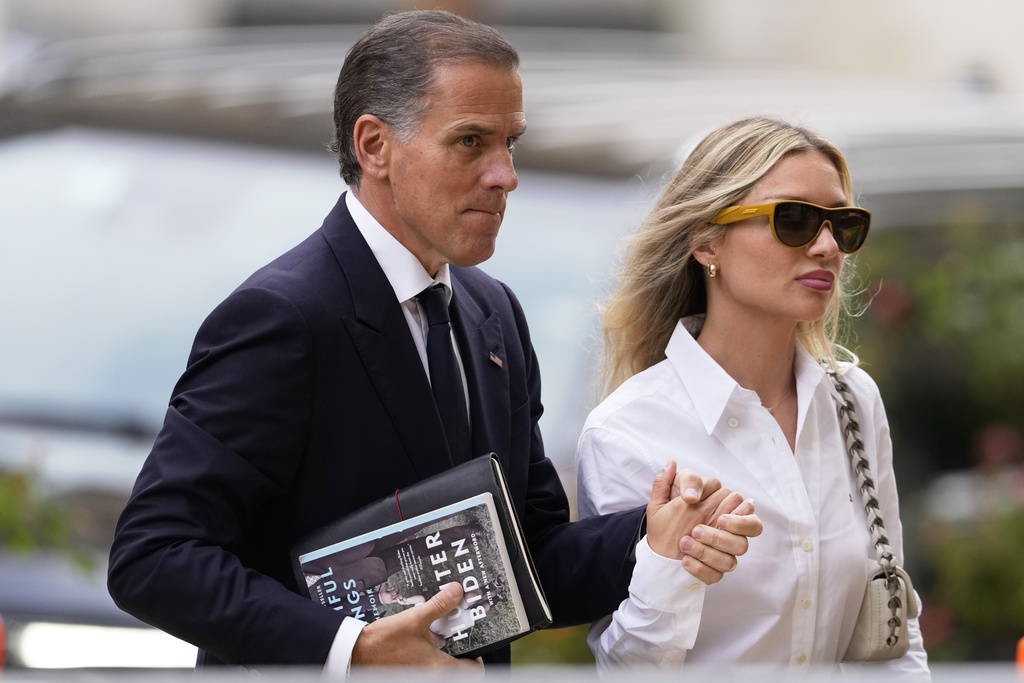
Throughout Hunter’s addiction and recovery, the Biden family remained a pillar of strength and unconditional love. Joe Biden, then Vice President, confronted his son with compassion and honesty, telling him, “I know you’re not fine, Hunter. You need help.” This moment marked a critical step in Hunter’s path toward healing.
Hunter has spoken about the steadfast support he received from his father, emphasizing that Joe never abandoned or judged him, even as things worsened. This unwavering support was instrumental in Hunter’s eventual recovery and serves as a reminder of the power of family in overcoming addiction.
Understanding Addiction as an Illness
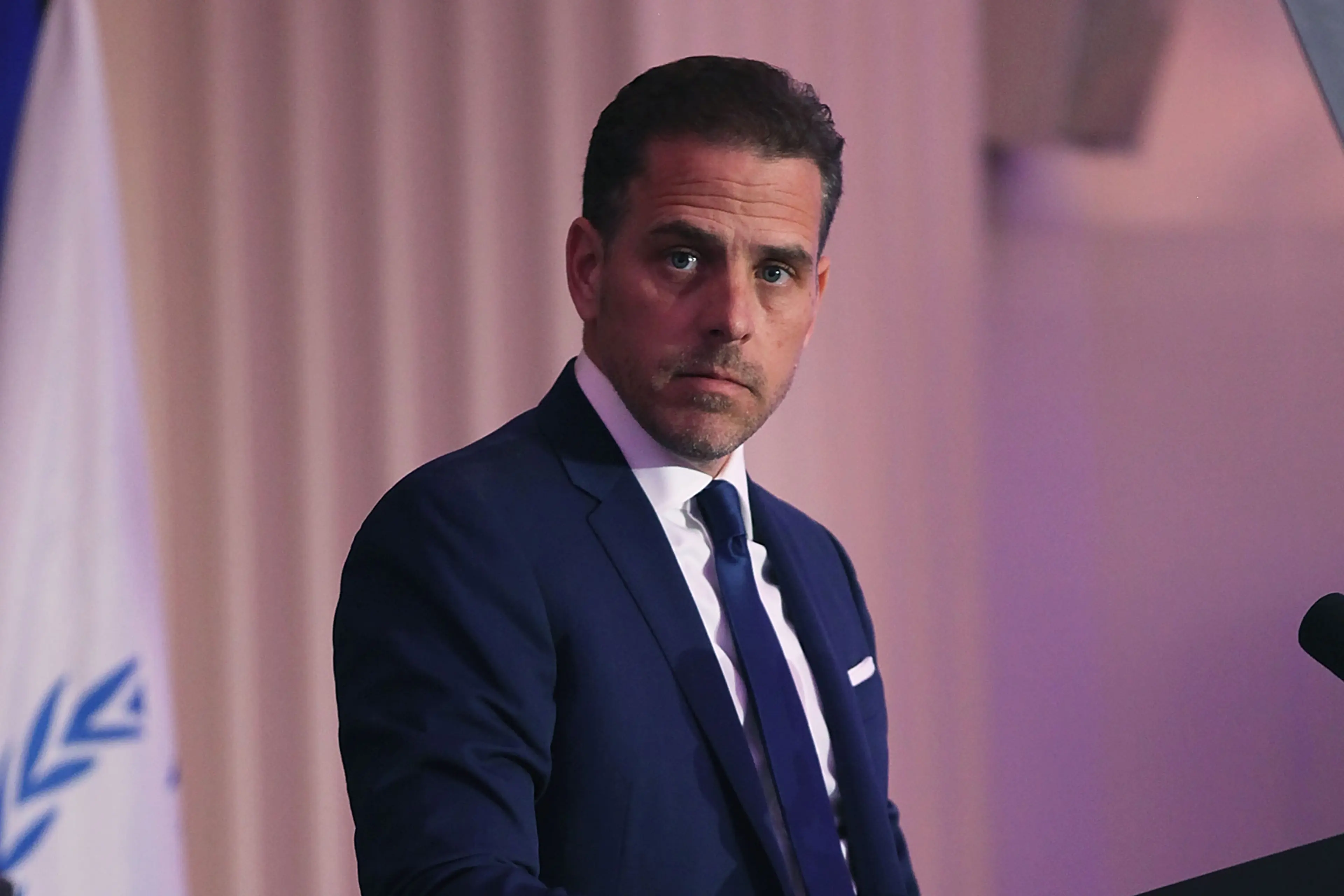
Jill Biden’s reflections and Hunter’s story highlight the importance of viewing addiction through the lens of medical science rather than moral judgment. Addiction is a chronic illness that affects brain chemistry and behavior, requiring comprehensive treatment and empathy.
By sharing their experiences, the Bidens contribute to a broader conversation about addiction, recovery, and the need for compassionate support systems. Their openness encourages others to seek help and fosters greater understanding of the challenges faced by individuals battling substance abuse.
Conclusion
Jill Biden’s honest admission about the difficulty of understanding Hunter’s drug addiction offers valuable insight into the complexities of addiction and recovery. Her story, combined with Hunter’s courageous journey, underscores the importance of recognizing addiction as an illness and the vital role of family support in healing.
If you or someone you love is struggling with addiction, remember that help is available and recovery is possible. Don’t hesitate to reach out to professional resources and support networks today. Together, we can break the stigma and support those on the path to recovery.