Ghislaine Maxwell Has Shown ‘No Remorse’ for Her and Epstein’s Victims While in Prison, Jen Shah Says (Exclusive)
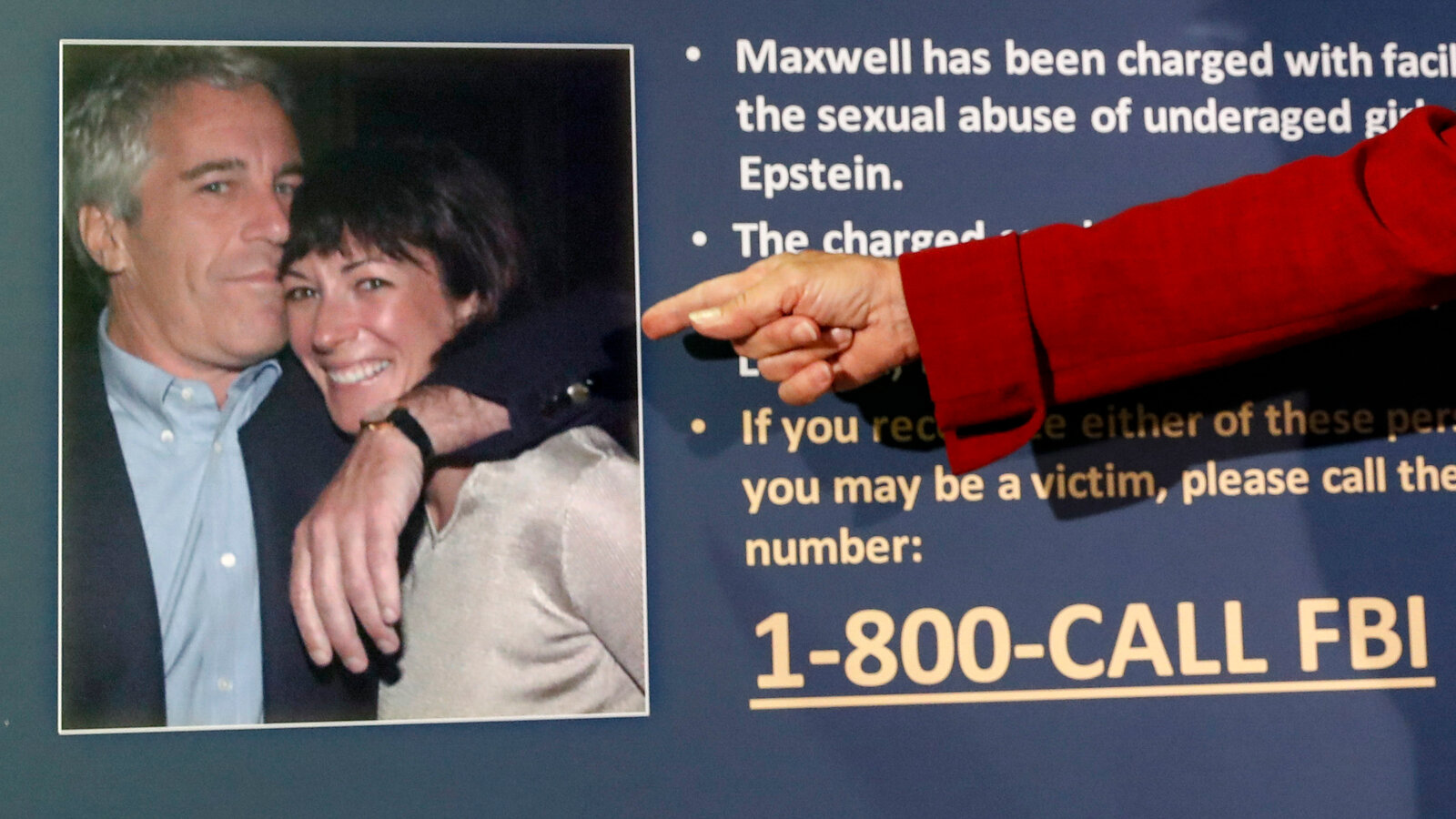
Ghislaine Maxwell, the British socialite convicted for her role in Jeffrey Epstein’s sex trafficking ring, continues to draw public attention not only for her crimes but also for her demeanor while incarcerated. According to Jen Shah, a fellow public figure who recently spoke exclusively about Maxwell’s behavior, Maxwell has exhibited no remorse for the victims who suffered under her and Epstein’s exploitation. This revelation adds a new dimension to the ongoing narrative surrounding Maxwell’s imprisonment and the broader conversation about justice for survivors of sexual abuse.
Ghislaine Maxwell’s Lack of Remorse in Prison: Insights from Jen Shah

Jen Shah, known for her candid commentary, recently shared exclusive insights into Maxwell’s conduct behind bars. Shah revealed that Maxwell has not expressed any regret or sorrow for the victims of the heinous crimes committed by her and Epstein. This lack of remorse is particularly striking given the gravity of the offenses and the widespread public condemnation Maxwell has faced.
Maxwell’s conviction stemmed from her active participation in recruiting and grooming underage girls for Epstein’s trafficking network. Despite overwhelming evidence and testimonies from survivors, Maxwell’s attitude in prison reportedly remains defiant. Shah’s comments suggest that Maxwell’s mindset has not shifted, which may have implications for how she is perceived by the public and the justice system.
The Impact of Maxwell’s Behavior on Epstein’s Victims and Public Perception

The revelation that Ghislaine Maxwell shows no remorse is deeply troubling for the victims of Epstein’s trafficking ring. For many survivors, acknowledgment of wrongdoing and genuine remorse from perpetrators can be an important step toward healing. Maxwell’s apparent indifference may exacerbate the trauma experienced by those affected.
Moreover, Maxwell’s behavior influences public perception of accountability in high-profile criminal cases. When convicted individuals fail to demonstrate remorse, it can fuel skepticism about the effectiveness of the justice system and the sincerity of rehabilitation efforts. This situation underscores the ongoing challenges in addressing crimes of sexual exploitation and supporting survivors.
What This Means for the Future of Justice and Survivor Advocacy

Maxwell’s lack of remorse highlights the need for continued advocacy and support for survivors of sexual abuse and trafficking. It serves as a reminder that justice extends beyond convictions to include recognition, healing, and prevention. Advocates emphasize the importance of creating environments where victims feel heard and perpetrators are held fully accountable.
Additionally, Maxwell’s case has sparked discussions about the treatment of high-profile offenders in prison and the psychological factors influencing their behavior. Understanding these dynamics is crucial for developing effective rehabilitation programs and ensuring that justice serves both punishment and prevention.
Conclusion

Ghislaine Maxwell’s refusal to show remorse for her and Jeffrey Epstein’s victims while in prison, as revealed by Jen Shah, adds a complex layer to an already tragic story. This attitude not only affects the survivors but also shapes public discourse on justice and accountability. As this case continues to unfold, it remains essential to prioritize the voices of victims and strengthen efforts to combat sexual exploitation. If you or someone you know has been affected by sexual abuse, seek support from trusted organizations and professionals today. Together, we can work toward a safer and more just society.