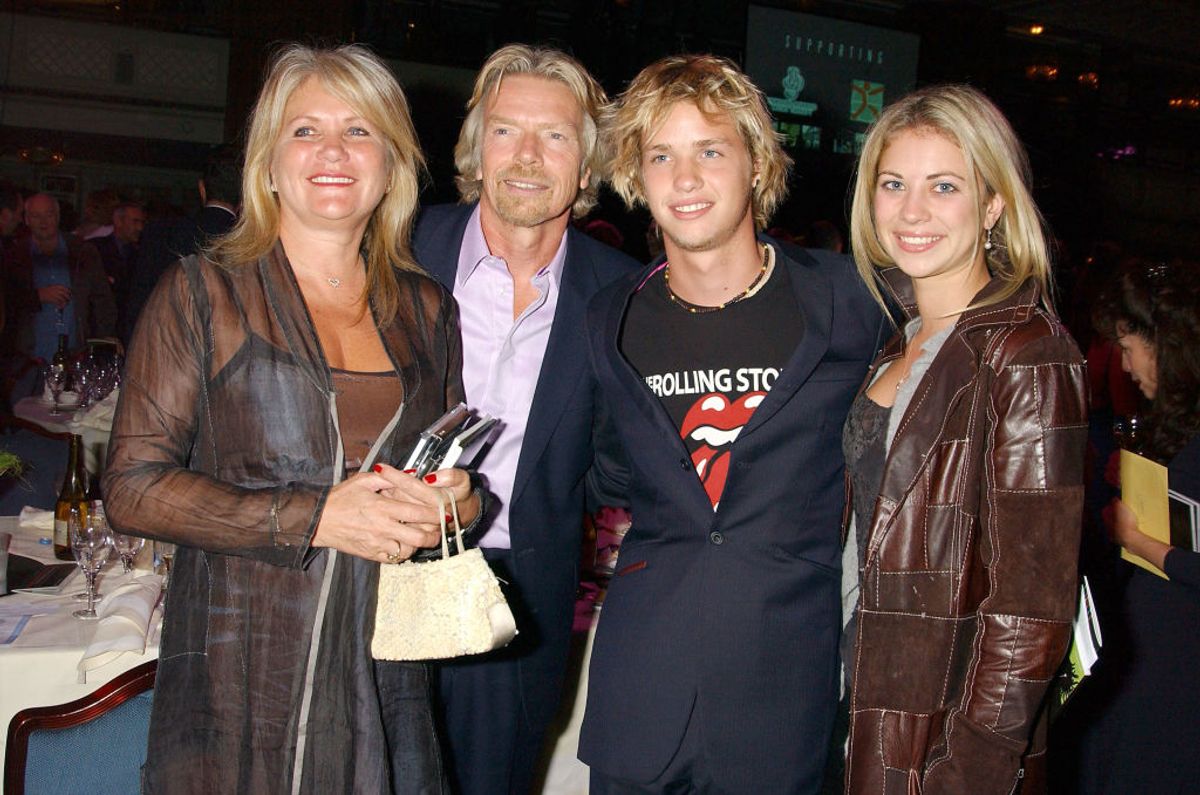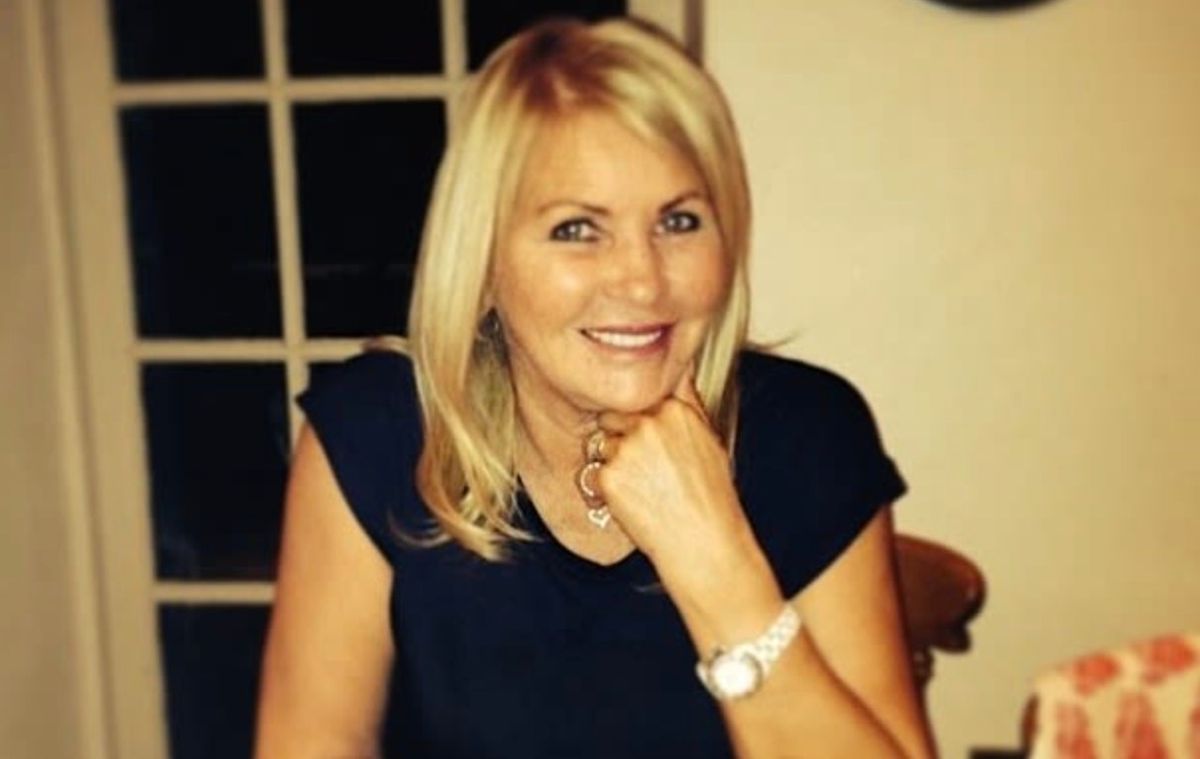
Richard Branson’s Wife Joan, 80, Died of Blood Clot Two Weeks After Fall, Coroner Hears
Joan Branson’s Tragic Passing: Blood Clot After Fall
Joan Branson, the beloved wife of billionaire entrepreneur Sir Richard Branson, died at the age of 80 from a blood clot that developed two weeks after she suffered a fall. The news was revealed during a coroner’s hearing, which shed light on the circumstances surrounding her untimely death. Lady Joan Sarah Drummond Branson passed away on November 24, 2025, at The Lister Bridge Hospital, where she was being treated for complications related to a back injury sustained during the fall.
The coroner’s hearing, held at the Inner West London Coroners’ Court, provided insight into the medical care Joan received and the family’s response to the tragedy. Sir Richard Branson, aged 75, along with their children Holly, 44, and Sam, 41, were present and expressed their desire not to assign blame but to understand the factors that contributed to Joan’s death. The family hopes that the forthcoming full inquest will help uncover lessons that could benefit other families facing similar situations.
Details from the Coroner’s Hearing and Family Statements
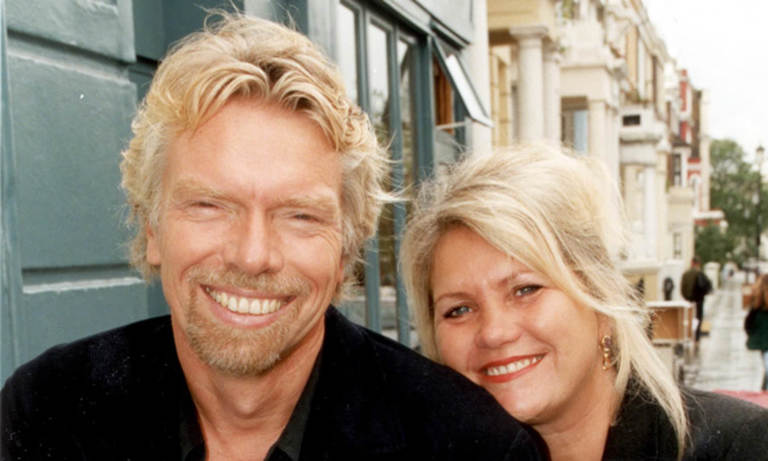
During the pre-inquest hearing, Holly Branson spoke on behalf of the family, emphasizing the quality of care her mother received. She said, “I believe mum had great care. The doctors saved her life three years ago, giving us all three more years together.” Holly’s statement highlighted the family’s gratitude towards the medical professionals while also underscoring their wish to learn from the experience to help others.
Senior Coroner Professor Fiona Wilcox announced that expert witnesses would be called to provide testimony regarding the medical treatment Joan received, particularly focusing on whether the administration of blood thinners could have prevented the fatal blood clot. The medication in question is Heparin, an anti-coagulant often prescribed to reduce the risk of clot formation after injuries or surgeries.
One key point under review is whether Lady Branson should have been prescribed Heparin despite already wearing anti-clot stockings, which are commonly used to improve blood circulation and reduce clot risk. The inquest aims to determine if additional preventative measures could have altered the outcome.
The Importance of Blood Clot Prevention After Falls in the Elderly
Falls are a common and serious health risk for older adults, often leading to injuries that can have life-threatening complications. Blood clots, or deep vein thrombosis (DVT), are a significant concern following falls, especially when mobility is reduced. These clots can travel to the lungs, causing pulmonary embolism, which can be fatal if not promptly treated.
Medical professionals typically use a combination of physical aids like anti-clot stockings and medications such as blood thinners to mitigate this risk. However, the decision to prescribe anticoagulants must balance the benefits against potential side effects, including bleeding risks.
Joan Branson’s case highlights the delicate nature of managing post-fall care in elderly patients. It underscores the need for thorough assessment and personalized treatment plans to prevent complications like blood clots. The upcoming inquest will likely provide valuable insights into best practices for managing similar cases in the future.
What to Expect from the Full Inquest

The full inquest into Joan Branson’s death is scheduled for September 2026. It will involve detailed examination of medical records, expert testimonies, and family accounts to establish a clear timeline and understanding of the events leading to her death.
Key questions the inquest aims to address include:
– Was the medical care provided to Lady Branson appropriate and timely?
– Could the prescription of Heparin or other blood thinners have prevented the fatal blood clot?
– Were there any lapses in monitoring or treatment after her fall?
– What lessons can be learned to improve care for elderly patients with similar injuries?
The findings of the inquest could influence future medical protocols and raise awareness about the risks of blood clots following falls, potentially saving lives.
Conclusion

The heartbreaking loss of Joan Branson due to a blood clot after a fall serves as a poignant reminder of the dangers elderly individuals face following injuries. As the Branson family awaits the full inquest, their hope is that sharing Joan’s story will help improve medical care and prevent similar tragedies. If you or a loved one are caring for an elderly family member, it is crucial to be vigilant about fall prevention and to seek immediate medical advice if injuries occur. Stay informed about the risks of blood clots and discuss preventative options with healthcare providers to ensure the best possible outcomes.