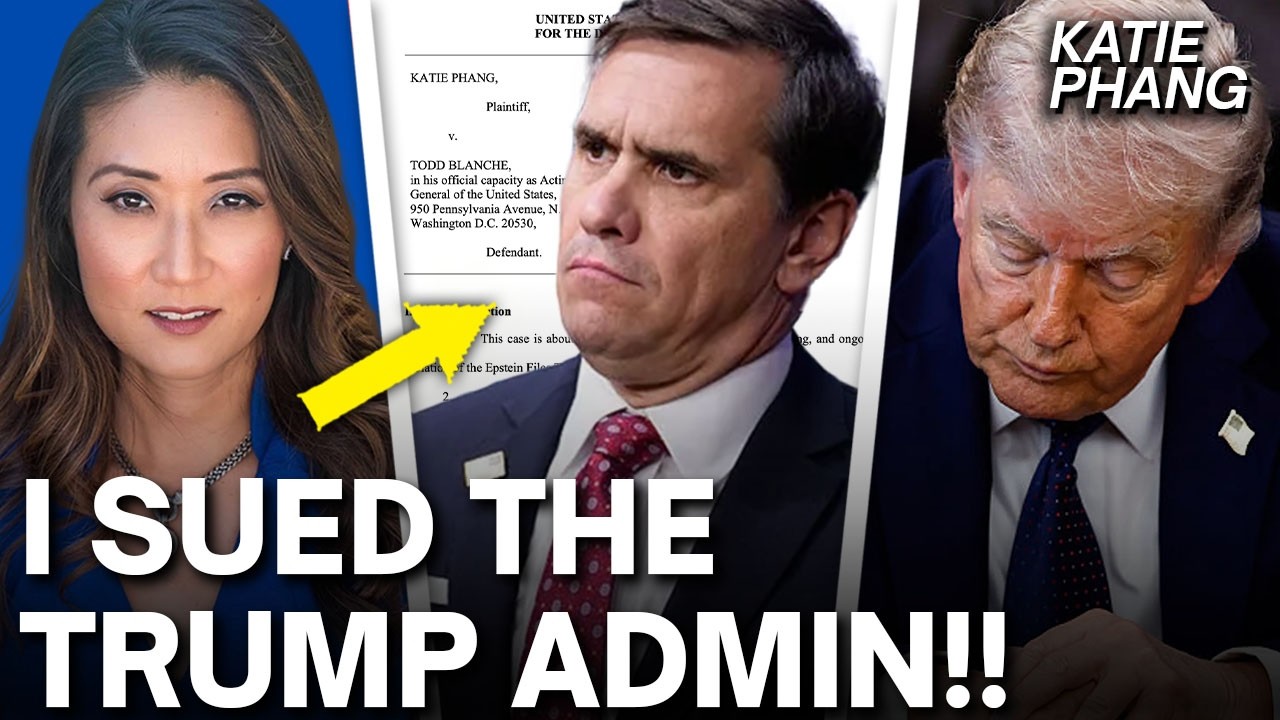

Canceled MSNBC Host Makes Bold Move Against New AG Todd Blanche in Attempt to Unearth Epstein Files
In a dramatic turn of events, former MSNBC host Katie Phang has launched a lawsuit against Acting Attorney General Todd Blanche, challenging the Justice Department’s handling of the Jeffrey Epstein files. After being canceled by MSNBC last year, Phang has gone independent and is now spearheading a legal battle to compel the release of critical documents related to Epstein’s case. This article explores the details of Phang’s lawsuit, the implications for transparency in the Epstein investigation, and what this means for the Justice Department under Blanche’s leadership.
Katie Phang’s Lawsuit Targets Todd Blanche Over Epstein Files Transparency

Katie Phang’s legal action centers on the Justice Department’s alleged failure to comply with the Epstein Files Transparency Act, a law passed by Congress that mandates the release of Epstein-related documents by December 19, 2025. According to the lawsuit filed on Monday, Phang accuses Todd Blanche of a “brazen, shocking, and ongoing violation” of this law by stalling the release of the files.
Phang’s suit claims that the Justice Department, under Blanche’s direction, has not only delayed the release but has also redacted key information without lawful justification. This includes the removal of references to high-profile individuals such as former President Donald Trump, raising concerns about potential political interference.
The Epstein Files Transparency Act was enacted to ensure public access to documents related to Jeffrey Epstein, the late billionaire convicted of sex trafficking and abuse. Despite the law’s clear deadline, millions of files remain unreleased, fueling suspicions about the DOJ’s commitment to transparency.
The Background: Epstein Files and DOJ’s Controversial Handling

The Epstein files contain sensitive information about Epstein’s criminal activities, his associates, and potential cover-ups. When Pam Bondi, the former Attorney General of Florida, began releasing these files, it marked a significant step toward accountability. However, the process has been fraught with delays and redactions.
Todd Blanche, who served as Deputy Attorney General during Bondi’s tenure, is now accused of reversing progress by withholding documents and censoring critical details. The Justice Department’s Office of the Inspector General recently announced an audit to determine whether the agency has complied with the Epstein Files Transparency Act, highlighting the growing scrutiny of the DOJ’s actions.
Democrats and transparency advocates have criticized the DOJ for its slow pace and lack of openness, arguing that millions of documents remain hidden from the public eye. The lawsuit filed by Phang adds legal pressure on the department to fulfill its obligations and provide full disclosure.
Implications of the Lawsuit for Justice Department and Public Trust

Katie Phang’s lawsuit against Todd Blanche is more than just a legal dispute; it represents a broader fight for transparency and accountability within the U.S. justice system. If successful, the case could force the DOJ to release the Epstein files in their entirety, shedding light on previously concealed information.
The case also raises questions about potential political influence in the handling of sensitive documents. Allegations that references to Donald Trump were redacted without lawful cause suggest that the DOJ may be protecting powerful figures, undermining public trust.
Furthermore, the lawsuit underscores the challenges faced by whistleblowers and independent journalists in exposing government misconduct. Phang’s transition from a mainstream media host to an independent advocate highlights the risks involved in confronting entrenched institutional interests.
What’s Next? The Road Ahead for Epstein Files Transparency

As the lawsuit progresses, the Justice Department faces mounting pressure to comply with the Epstein Files Transparency Act. The ongoing audit by the DOJ’s Office of the Inspector General will likely influence the outcome, potentially uncovering further violations or justifications for the delays.
Public interest in the Epstein case remains high, and the demand for full disclosure is unlikely to wane. Legal experts suggest that the case could set a precedent for how sensitive government documents are handled in the future, emphasizing the importance of transparency in cases involving public figures and criminal activity.
For Todd Blanche and the DOJ, the lawsuit presents a critical test of their commitment to the rule of law and openness. The outcome could either restore confidence in the department or deepen skepticism about its impartiality.
Conclusion: The Fight for Epstein Files Transparency Continues
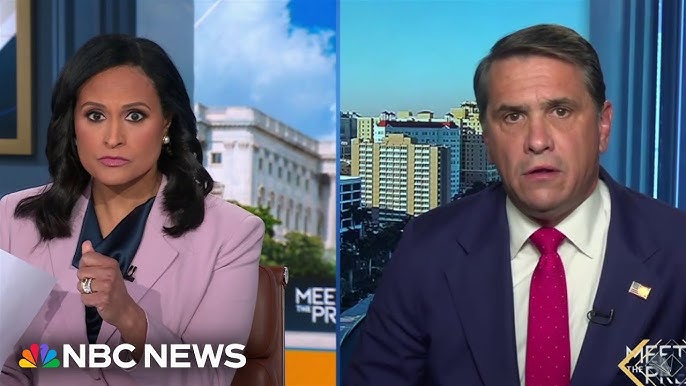
Katie Phang’s bold move against Acting Attorney General Todd Blanche marks a pivotal moment in the ongoing struggle to unearth the full truth behind the Jeffrey Epstein files. Her lawsuit challenges the Justice Department’s delays and redactions, demanding accountability and transparency from one of the nation’s most powerful institutions.
As this legal battle unfolds, it is crucial for the public to stay informed and engaged. Transparency in the Epstein case not only serves justice for the victims but also reinforces the integrity of the legal system.
If you want to stay updated on this developing story and support efforts for government transparency, subscribe to our newsletter and join the conversation today.