
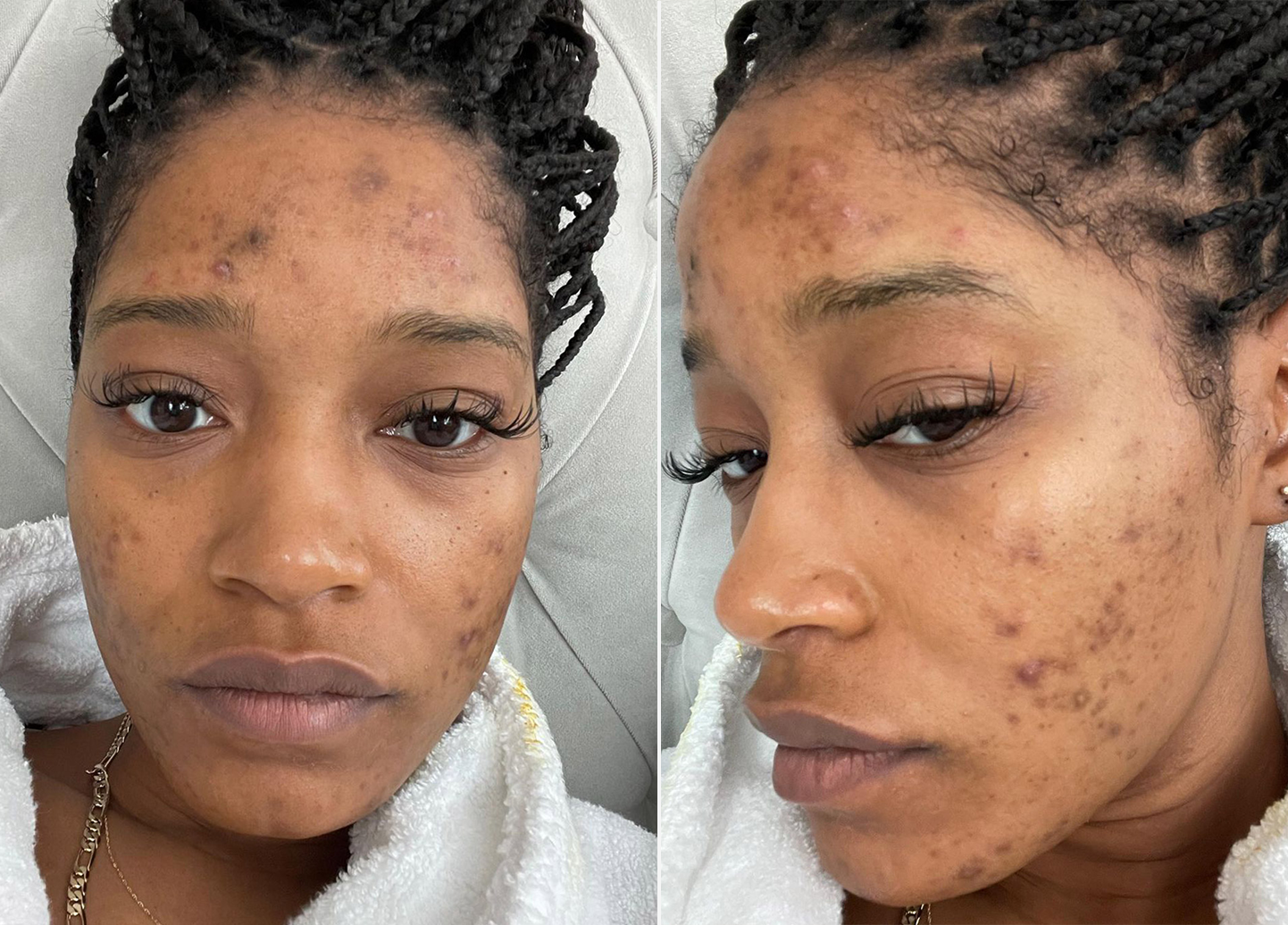
Keke Palmer Details Condition That Left Her with ‘Cracked Glass’ Skin — and the ‘TMI’ Way She’s Treating It
Keke Palmer’s Battle with ‘Cracked Glass’ Skin: Understanding the Condition

Keke Palmer, the Emmy award-winning actress and television host, recently revealed the emotional and physical toll of a skin condition she vividly describes as “cracked glass” skin. Unlike the popular trend of “glass skin,” which refers to smooth, radiant, and flawless skin, Palmer’s experience was the opposite — her skin was marked by persistent, painful adult acne that felt unbearable and emotionally crippling.
For years, Palmer struggled with this severe acne, which resisted typical treatments and left her feeling frustrated and isolated. Despite following conventional advice such as maintaining a healthy diet, staying hydrated, and exercising regularly, her skin showed no signs of improvement. The condition even caused unexpected symptoms like excessive facial hair growth, which added to her distress.
The Long Road to Diagnosis: From Misdiagnosis to PMOS
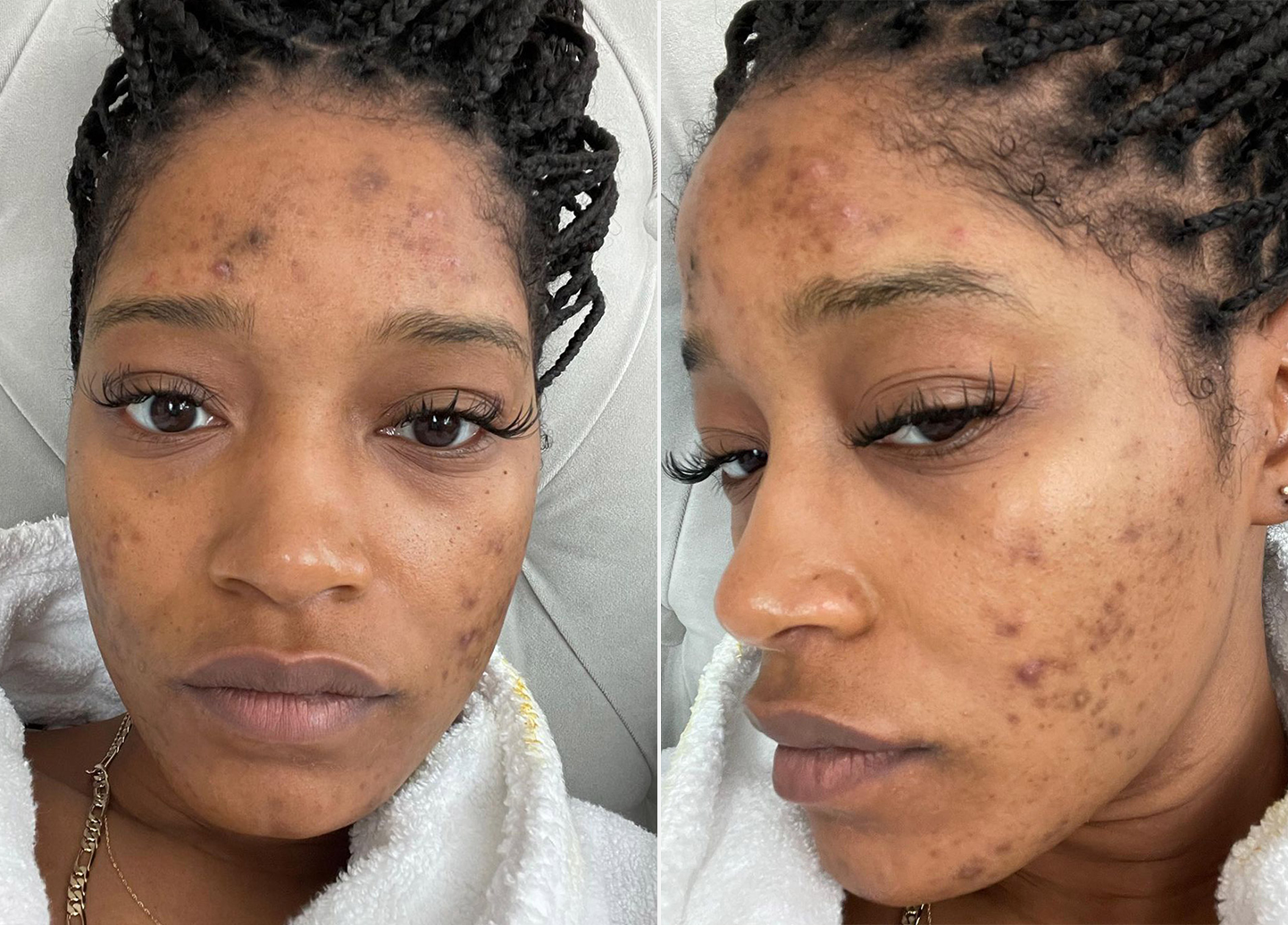
Palmer’s journey to finding the root cause of her skin issues was far from straightforward. Initially, she underwent multiple rounds of Accutane, a powerful medication often reserved for severe acne cases, but it failed to clear her skin. She also cycled through various doctors, none of whom could provide a definitive diagnosis.
Determined to find answers, Palmer began researching her symptoms independently. She suspected a hormonal imbalance might be at play, particularly polycystic ovary syndrome (PCOS), a condition known to cause acne, irregular periods, and excessive hair growth. However, her doctors initially dismissed this possibility because she did not have cysts on her ovaries, a hallmark of PCOS.
Refusing to accept this, Palmer sought the expertise of an endocrinologist, a specialist in hormone-related disorders. After thorough testing, it was confirmed that she had a complex hormonal and metabolic condition now known as polyendocrine metabolic ovarian syndrome (PMOS). This updated term reflects the disorder’s broader impact beyond just ovarian cysts, encompassing a range of metabolic and endocrine dysfunctions.
How Keke Palmer Is Managing Her ‘Cracked Glass’ Skin

Since receiving her diagnosis, Keke Palmer has adopted a multifaceted approach to managing her skin condition and overall health. She emphasizes that PMOS is a lifelong condition that requires ongoing care and attention.
One of the key elements of her treatment plan includes medication prescribed by her healthcare providers to regulate hormone levels and reduce acne flare-ups. Alongside medical intervention, Palmer has made significant lifestyle adjustments, focusing on diet and self-awareness.
She shares that tracking her menstrual cycle closely and tuning into her body’s rhythms have been crucial steps in understanding and managing her symptoms. This “TMI” approach, as she calls it, involves being deeply in tune with her hormonal changes and adjusting her care accordingly.
Palmer also highlights the importance of mental health support throughout her journey. The emotional burden of dealing with persistent skin issues and hormonal imbalances can be heavy, but having a diagnosis and a treatment plan has brought her relief and empowerment.
The Broader Impact: Raising Awareness About PMOS
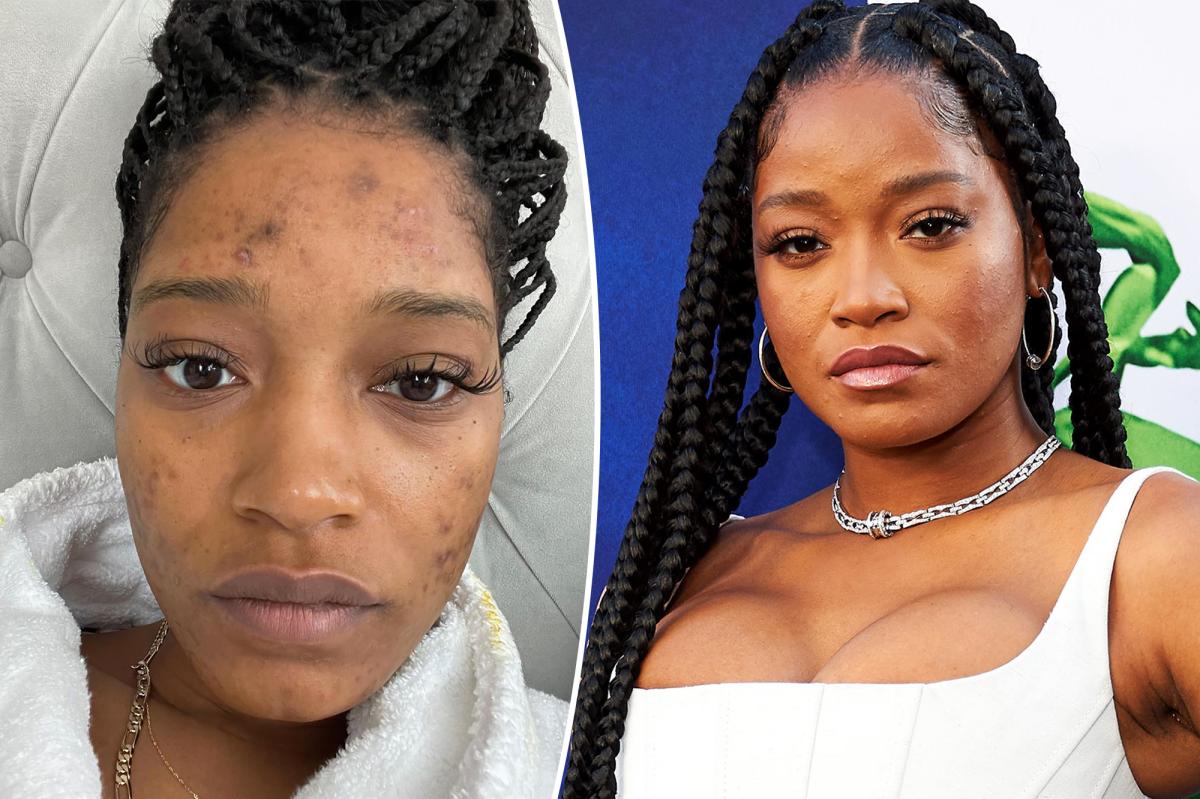
Keke Palmer’s openness about her condition sheds light on a disorder that affects millions of women worldwide but is often misunderstood or misdiagnosed. PMOS, previously known as PCOS, is a complex syndrome involving hormonal and metabolic imbalances that can manifest in various symptoms, including severe acne, weight fluctuations, infertility, and irregular menstruation.
Experts agree that the renaming and reclassification of the syndrome to polyendocrine metabolic ovarian syndrome better captures its complexity and may improve diagnosis and treatment outcomes. Palmer’s story underscores the need for greater awareness and education among both patients and healthcare providers.
By sharing her experience, Palmer encourages others facing similar struggles to advocate for themselves, seek specialized care, and recognize that persistent symptoms often signal deeper health issues.
Conclusion
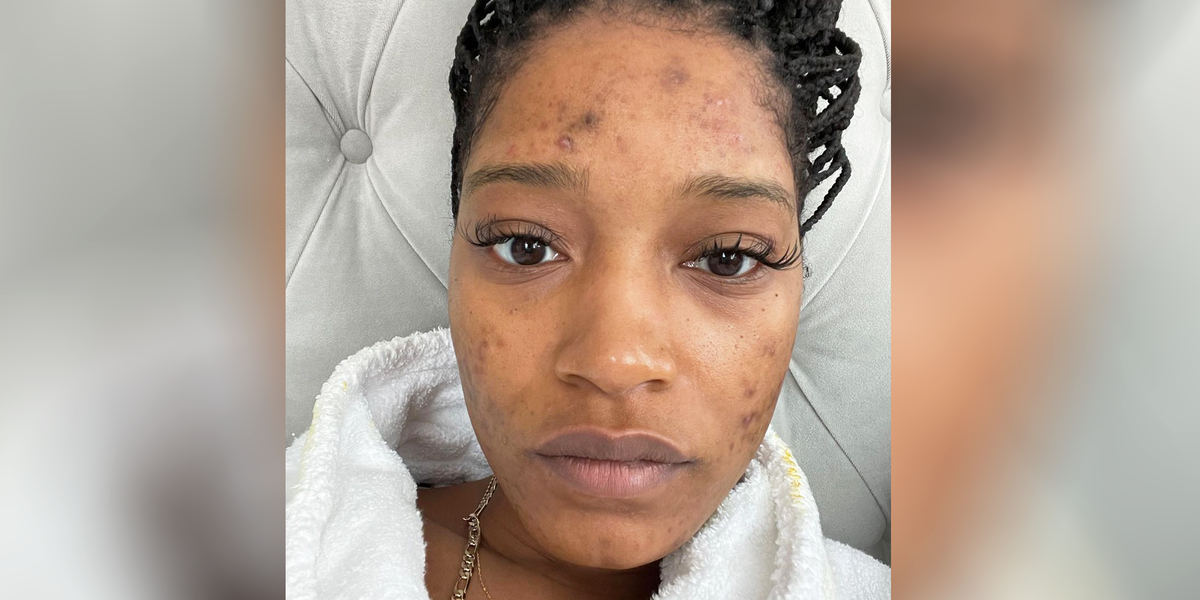
Keke Palmer’s candid discussion about her “cracked glass” skin and the hormonal disorder PMOS offers valuable insights into a condition that many women silently endure. Her journey from misdiagnosis to effective management highlights the importance of persistence, self-advocacy, and comprehensive care in tackling complex health challenges.
If you or someone you know is struggling with unexplained skin issues or hormonal symptoms, don’t hesitate to consult a healthcare professional and explore all possible diagnoses. Understanding your body is the first step toward healing.
For more inspiring stories and expert health advice, stay connected and take charge of your well-being today!
:max_bytes(150000):strip_icc():focal(777x285:779x287)/Keke-Palmer-Womens-Health-Lab-052026-tout-bd5e2f0bf8d643f3a23ed1b33626a80c.jpg)