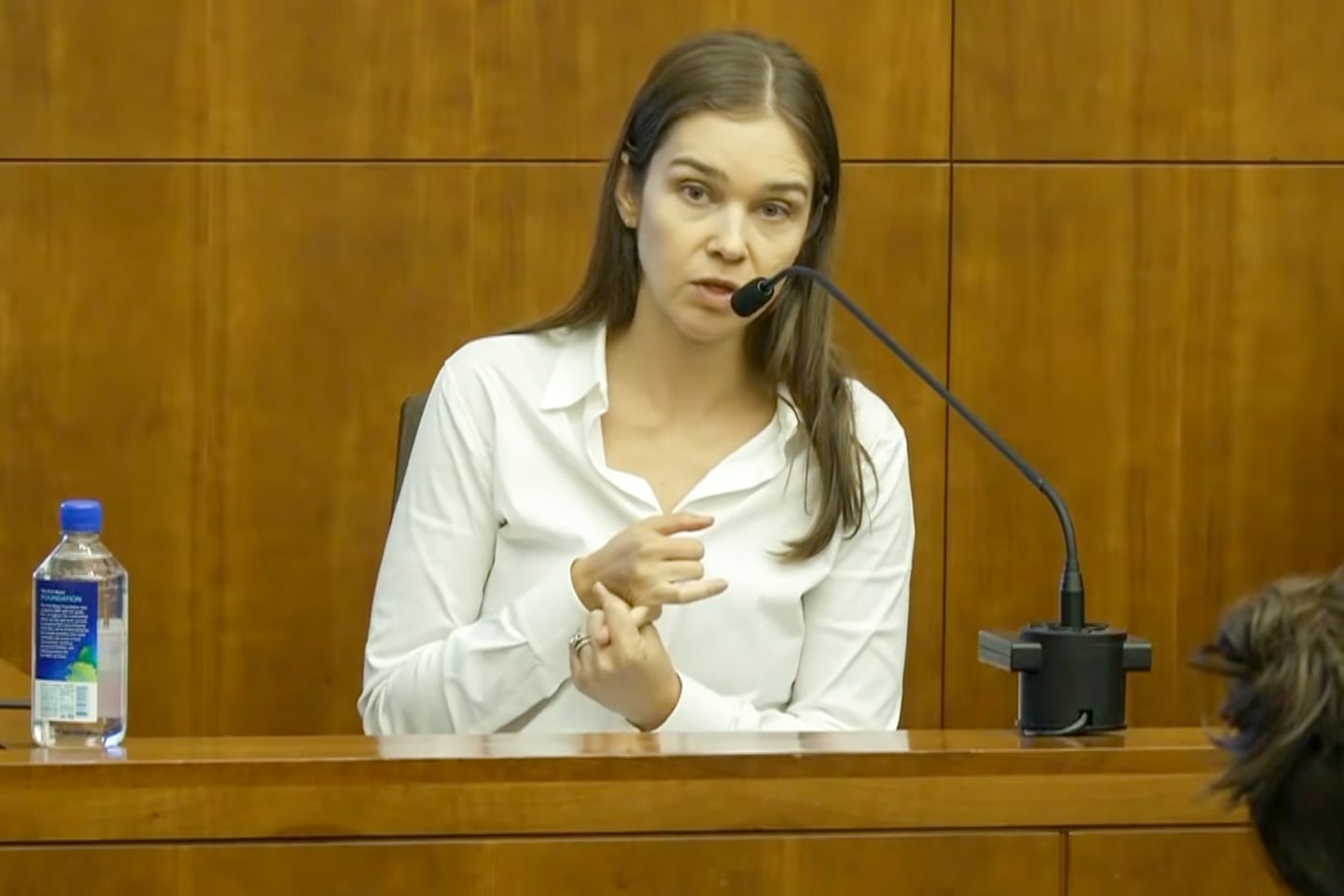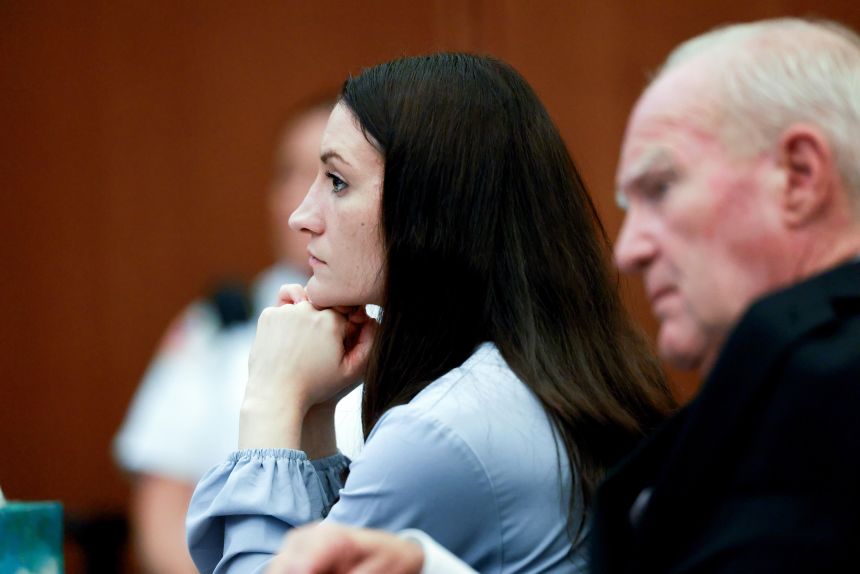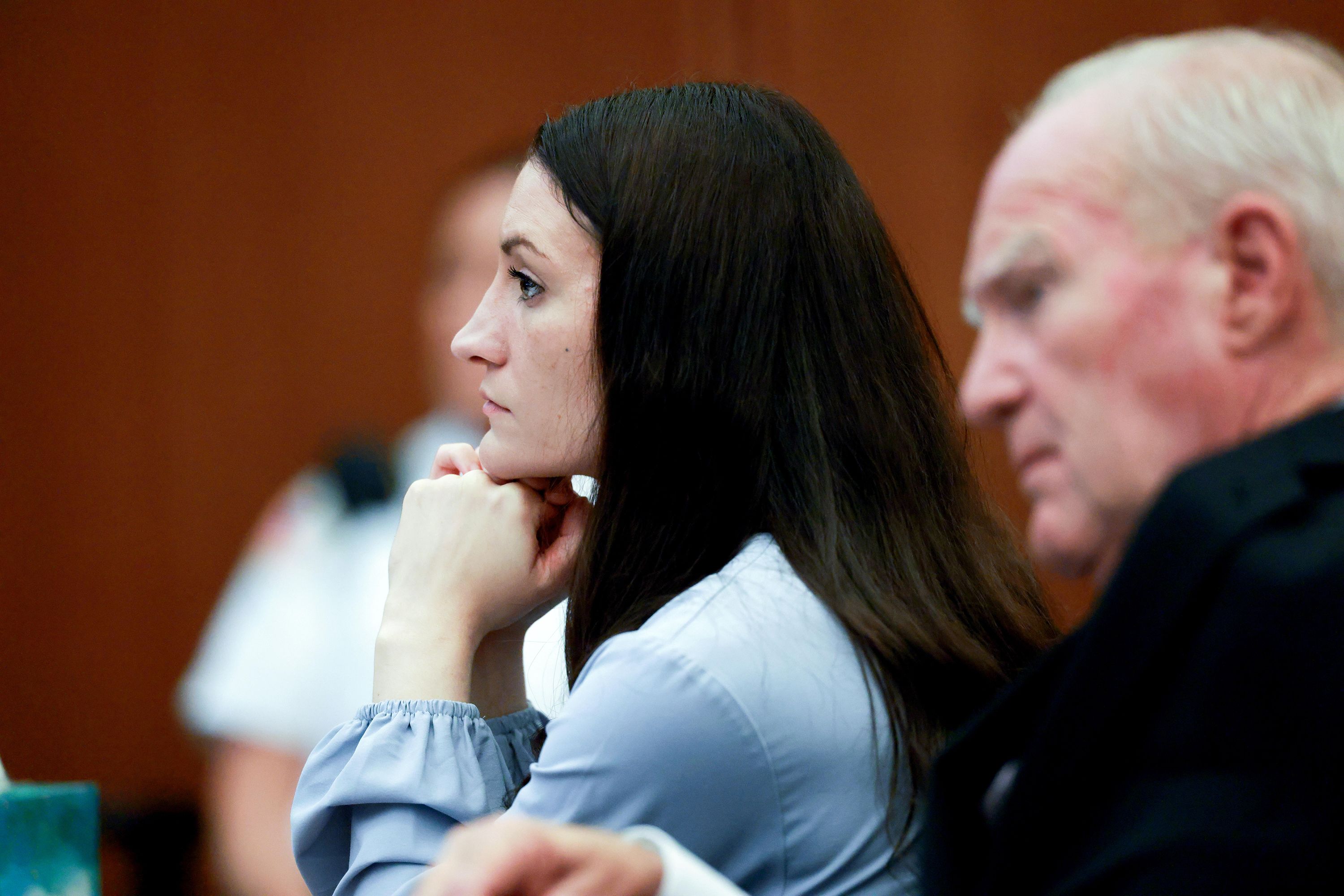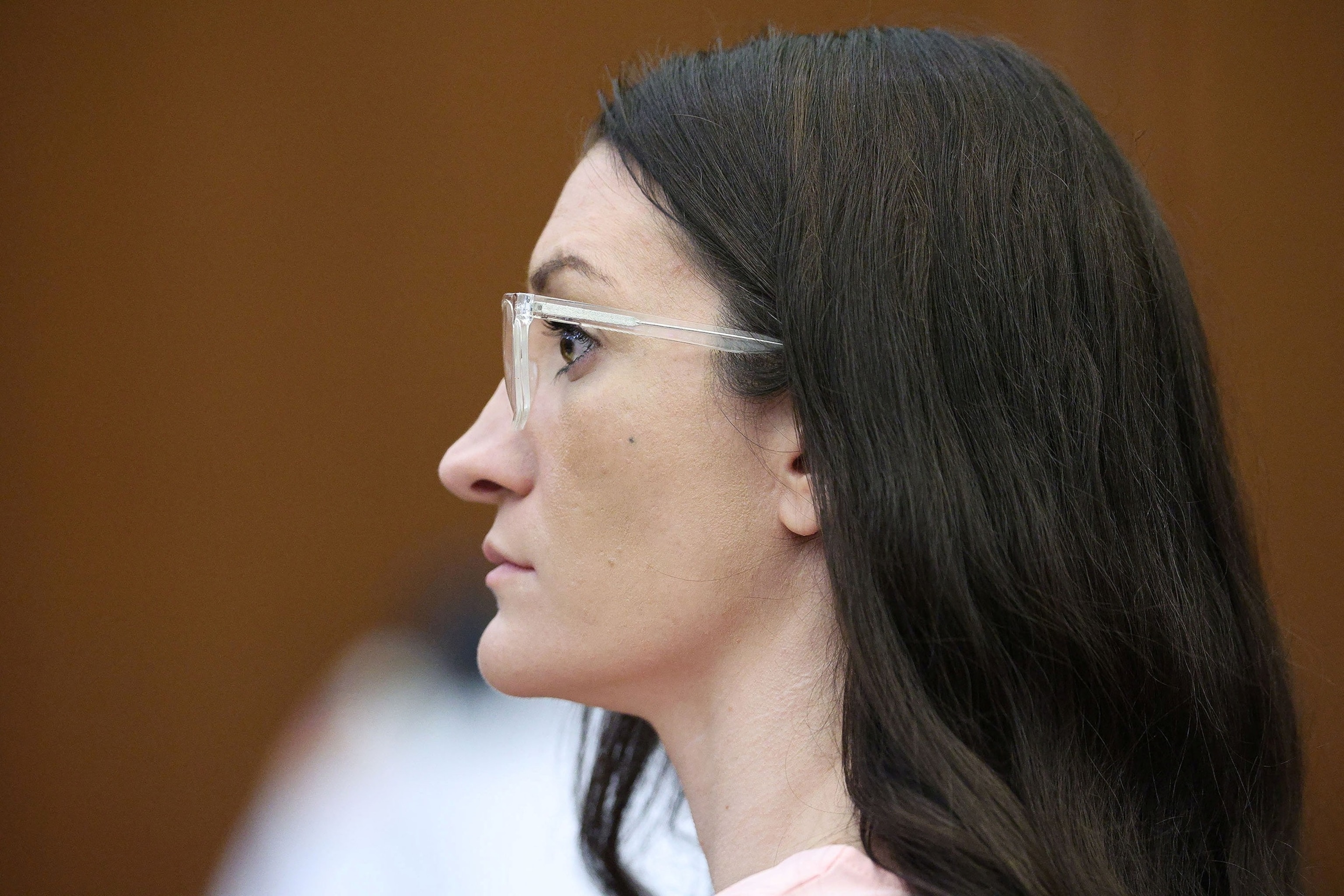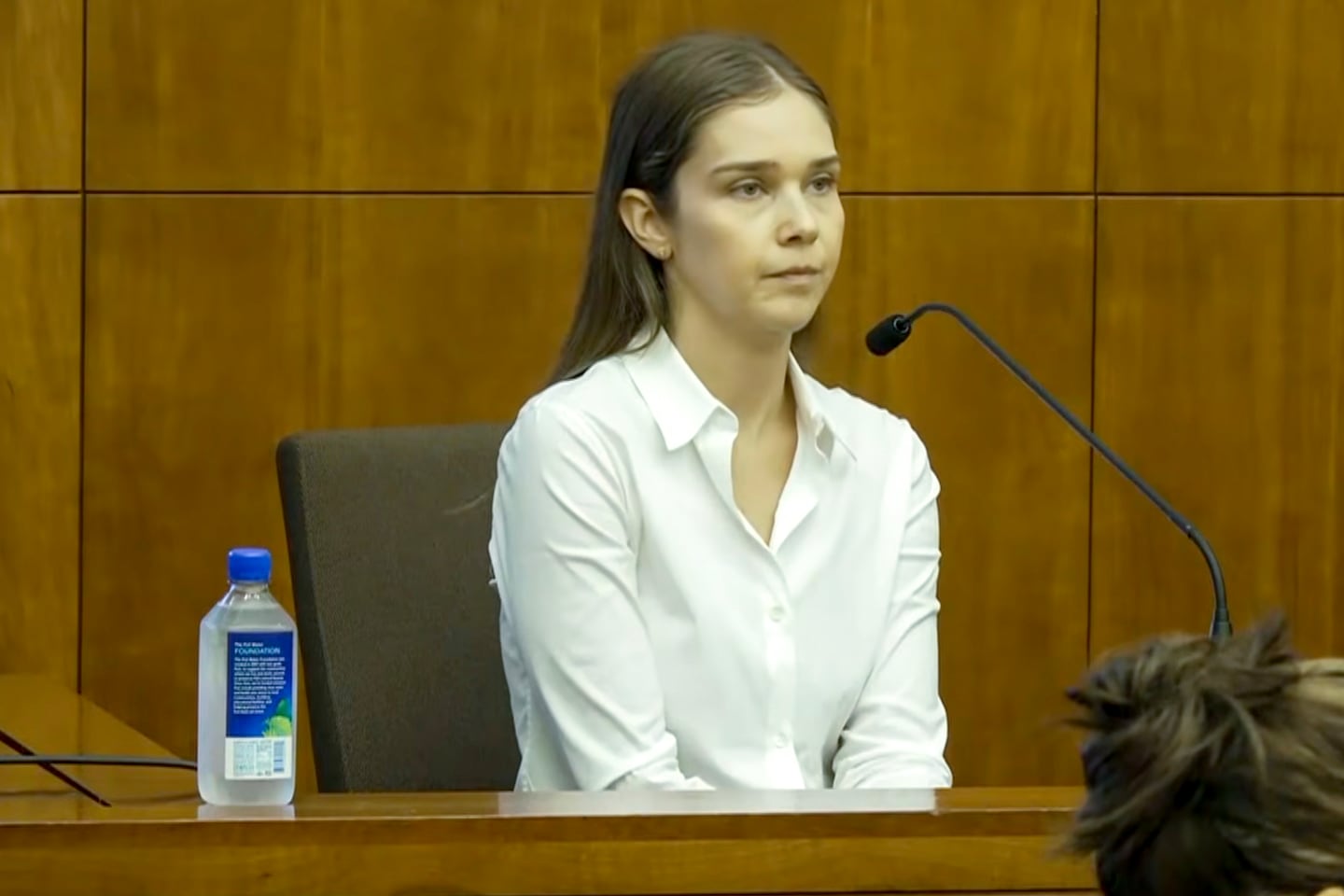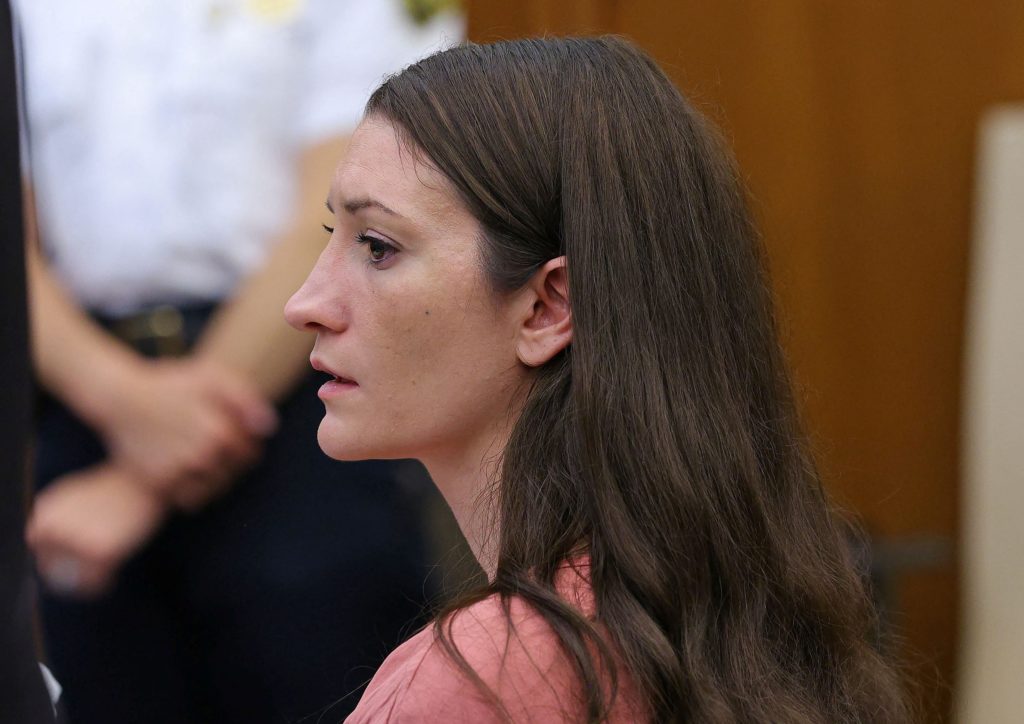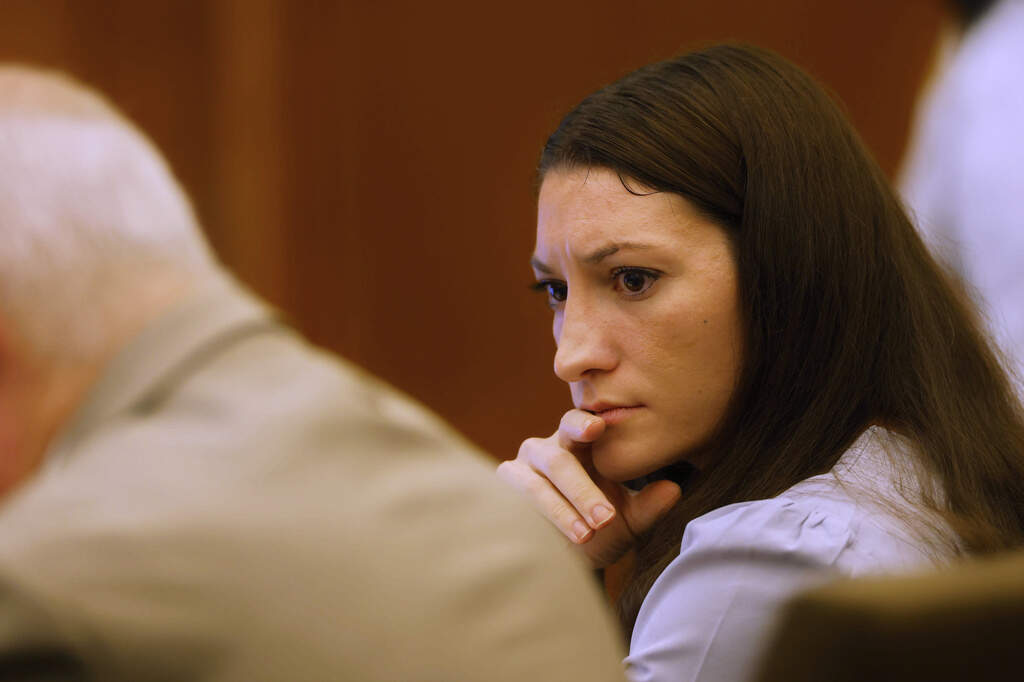
Lindsay Clancy: Former Shrink Denies Any Medical Wrongdoing
Lindsay Clancy, once a respected figure in the mental health community, has recently come under intense scrutiny following allegations of medical malpractice. As the case unfolds, Clancy firmly denies any wrongdoing, asserting that her actions were consistent with professional standards. This article examines the background of the case, the nature of the accusations, and Clancy’s defense, while also exploring the wider impact on the medical and psychological fields.
Understanding the Allegations Against Lindsay Clancy
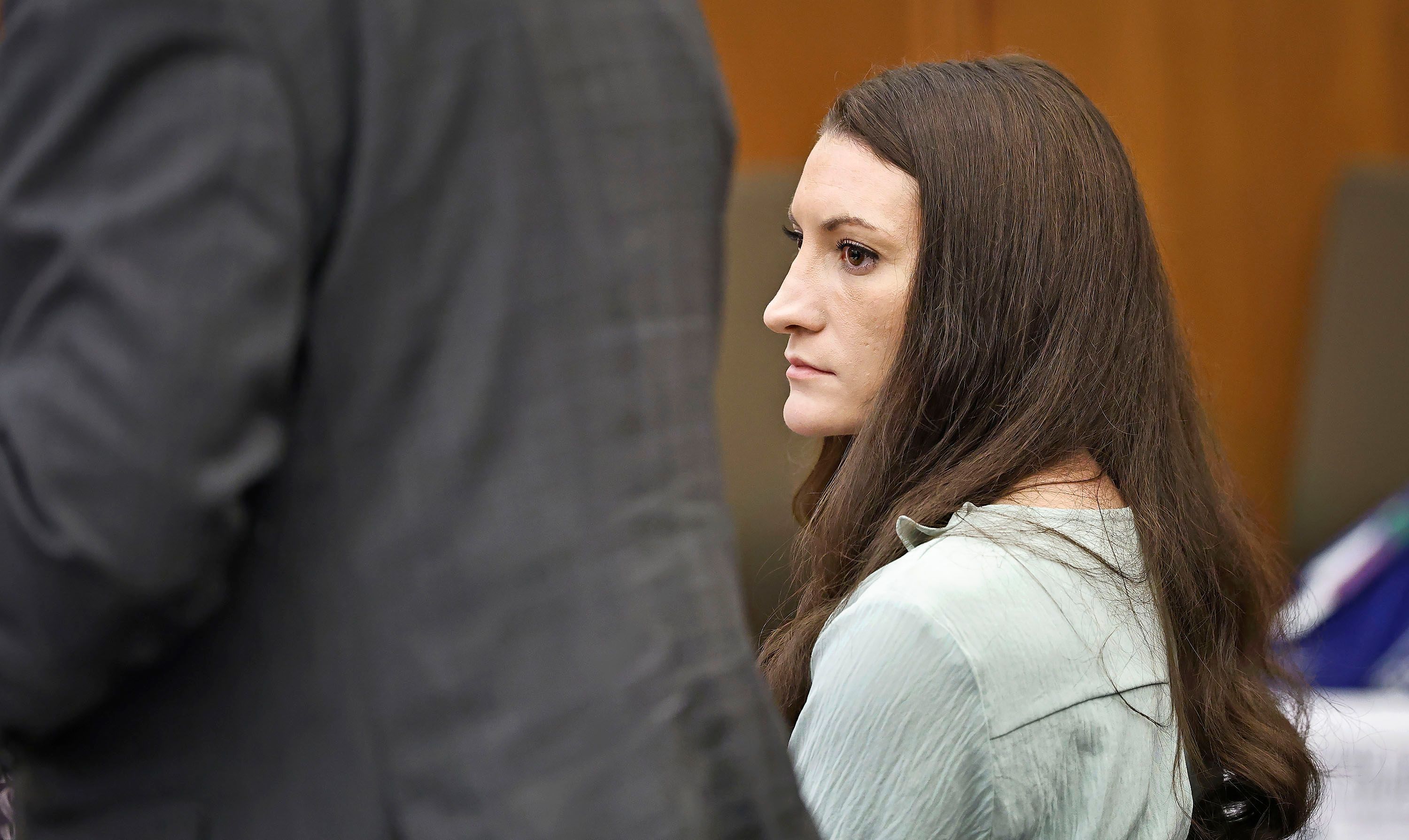
The controversy surrounding Lindsay Clancy began when concerns were raised about her treatment methods and patient outcomes. Allegations suggest that Clancy may have deviated from accepted medical protocols, leading to adverse effects on her patients. Critics argue that such deviations could constitute medical malpractice, potentially endangering patient safety and violating ethical guidelines.
However, it is essential to consider the complexity of mental health treatment, where outcomes can be influenced by numerous factors beyond a practitioner’s control. The accusations against Clancy have sparked debate within the medical community about the boundaries of professional responsibility and the challenges of diagnosing and treating mental health conditions.
The Defense: Lindsay Clancy’s Response to the Claims
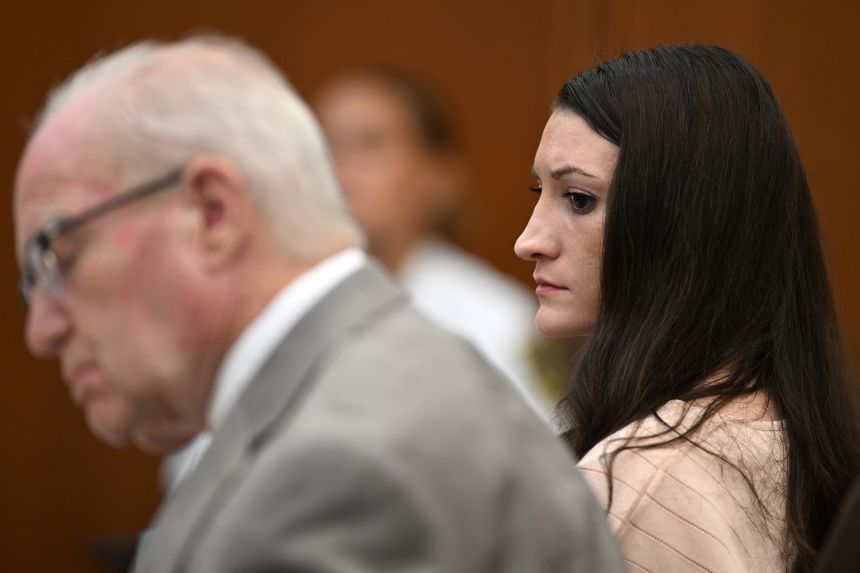
In response to the allegations, Lindsay Clancy has categorically denied any form of medical wrongdoing. She maintains that her clinical decisions were made with the best interests of her patients in mind, based on thorough assessments and adherence to established treatment protocols. Clancy emphasizes that mental health care often involves navigating uncertain and evolving situations, which can sometimes lead to outcomes that are not ideal but are not indicative of malpractice.
Clancy’s legal team has highlighted her professional track record, including positive patient testimonials and compliance with regulatory standards. They argue that the accusations are unfounded and may stem from misunderstandings or misinterpretations of her clinical approach.
The Broader Implications for Medical Ethics and Accountability
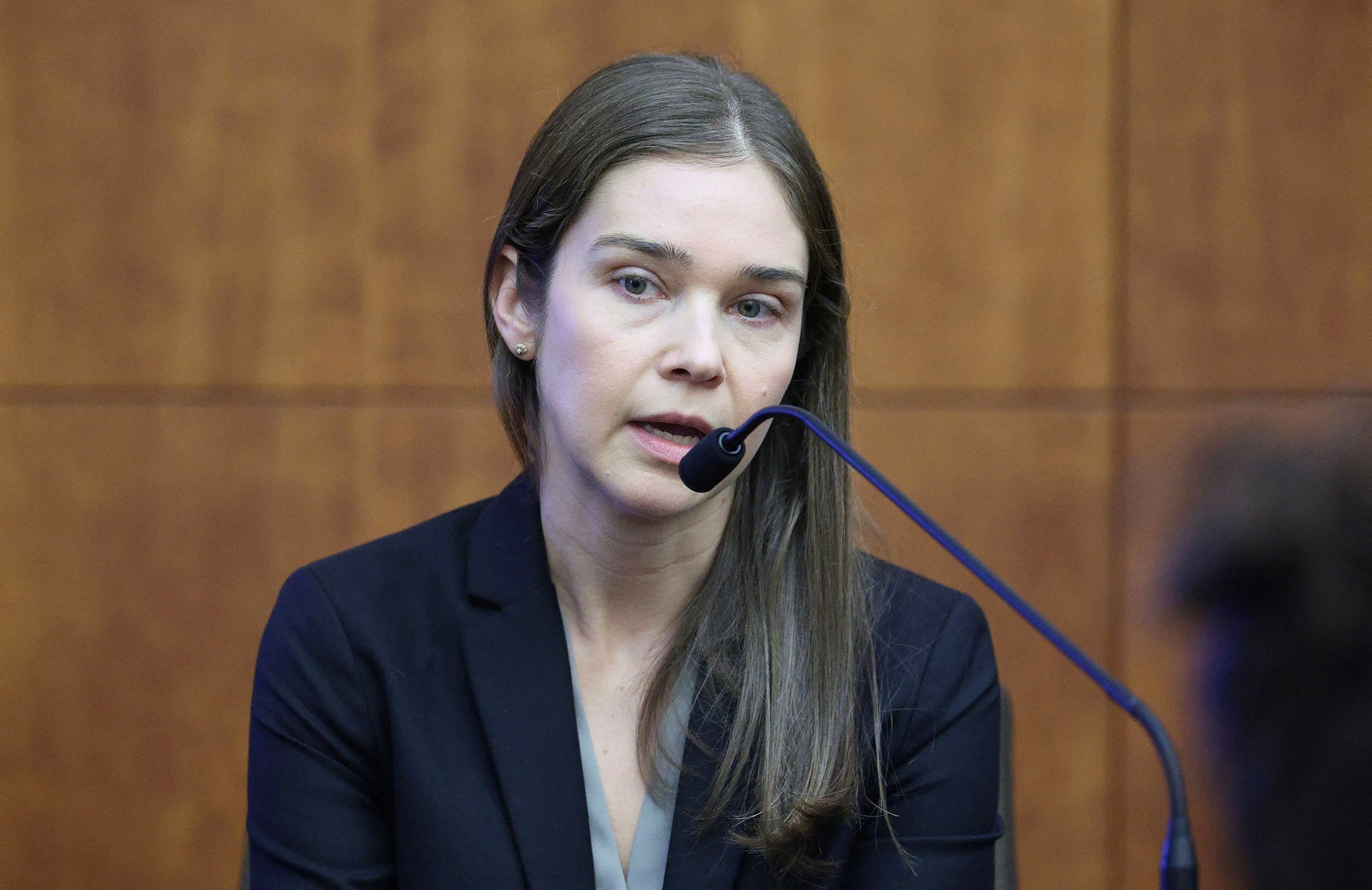
The Lindsay Clancy case raises important questions about medical ethics and accountability in mental health care. It underscores the need for clear guidelines and robust oversight to ensure patient safety while allowing practitioners the flexibility to tailor treatments to individual needs.
Moreover, this case highlights the challenges faced by mental health professionals in balancing risk and benefit, especially when dealing with complex psychological conditions. It also brings attention to the importance of transparent communication between practitioners, patients, and regulatory bodies to foster trust and understanding.
Lessons Learned and Moving Forward
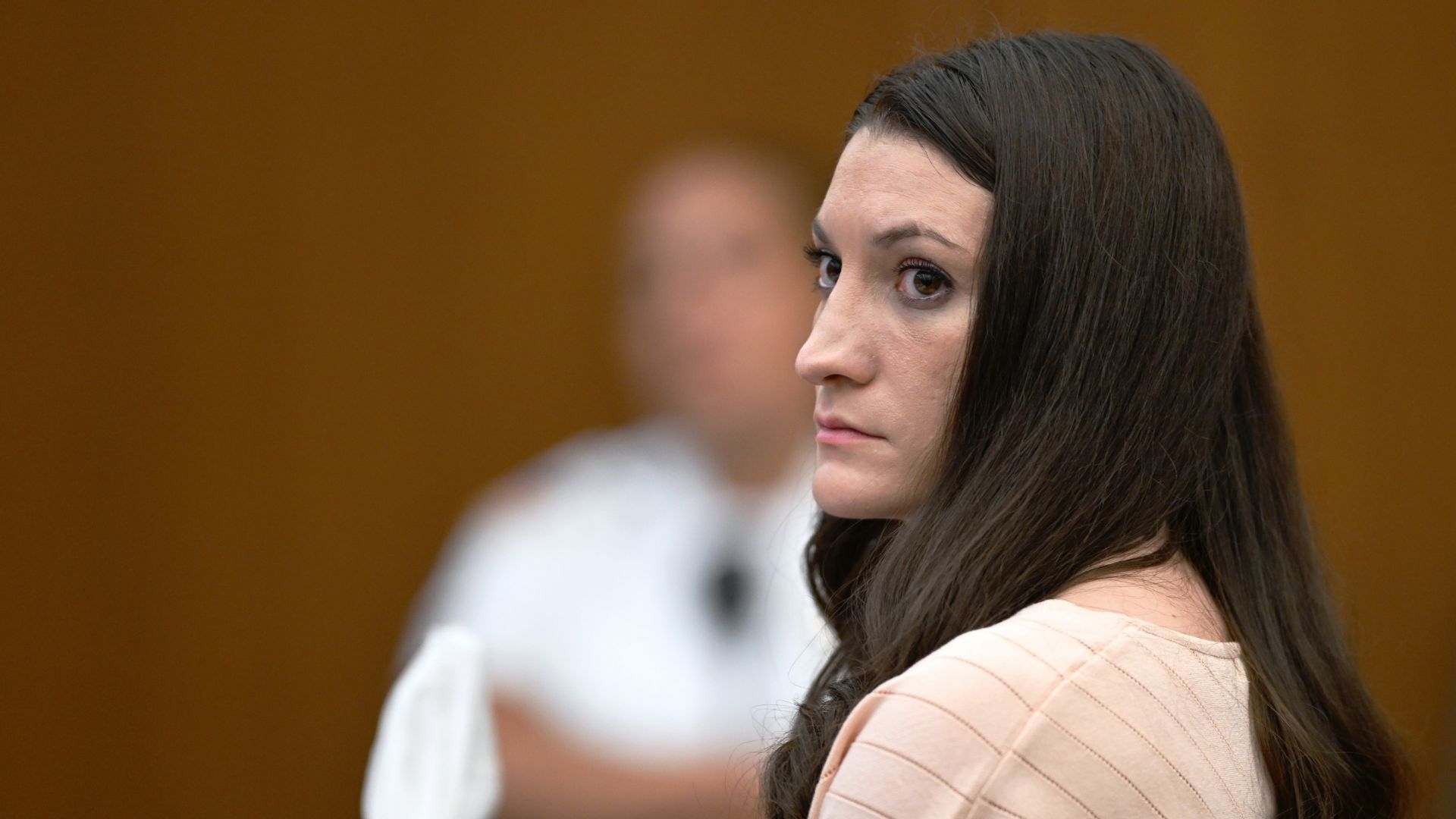
Regardless of the outcome, the situation involving Lindsay Clancy serves as a reminder of the critical role that ethical practice plays in healthcare. It encourages ongoing dialogue about how to support mental health professionals in delivering effective care without compromising patient safety.
Institutions and regulatory agencies may consider reviewing current policies to better address the nuances of mental health treatment and to provide clearer frameworks for evaluating practitioner conduct. Additionally, increased education and training on ethical decision-making could benefit clinicians navigating complex cases.
Conclusion
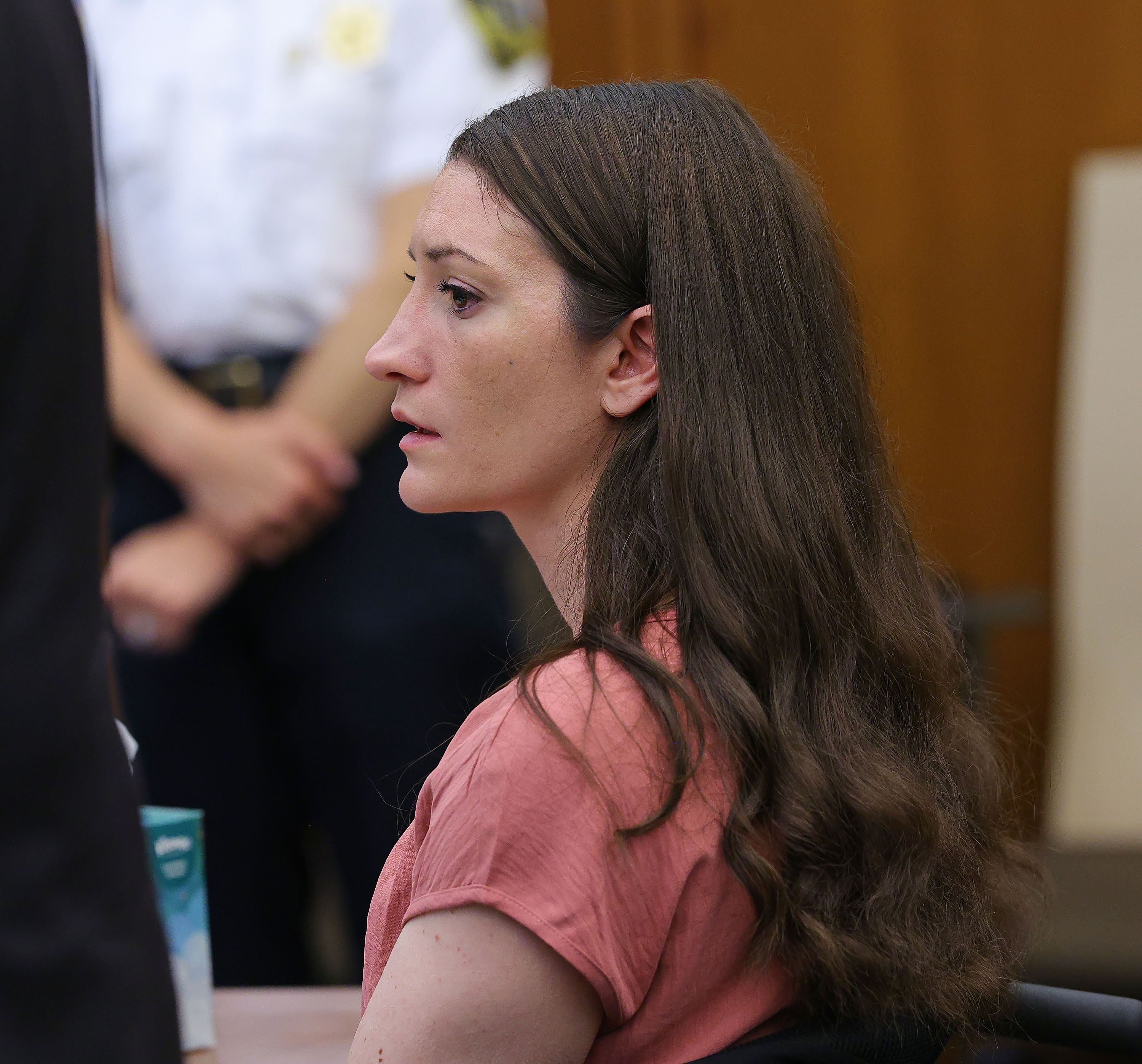
The case of Lindsay Clancy, a former shrink who denies any medical wrongdoing, continues to unfold with significant implications for the mental health field. While the allegations raise serious concerns, Clancy’s defense highlights the complexities inherent in psychiatric care. This situation prompts a broader conversation about medical ethics, accountability, and the support needed for healthcare professionals.
If you want to stay informed about developments in medical ethics and mental health care, subscribe to our newsletter for the latest updates and expert insights.