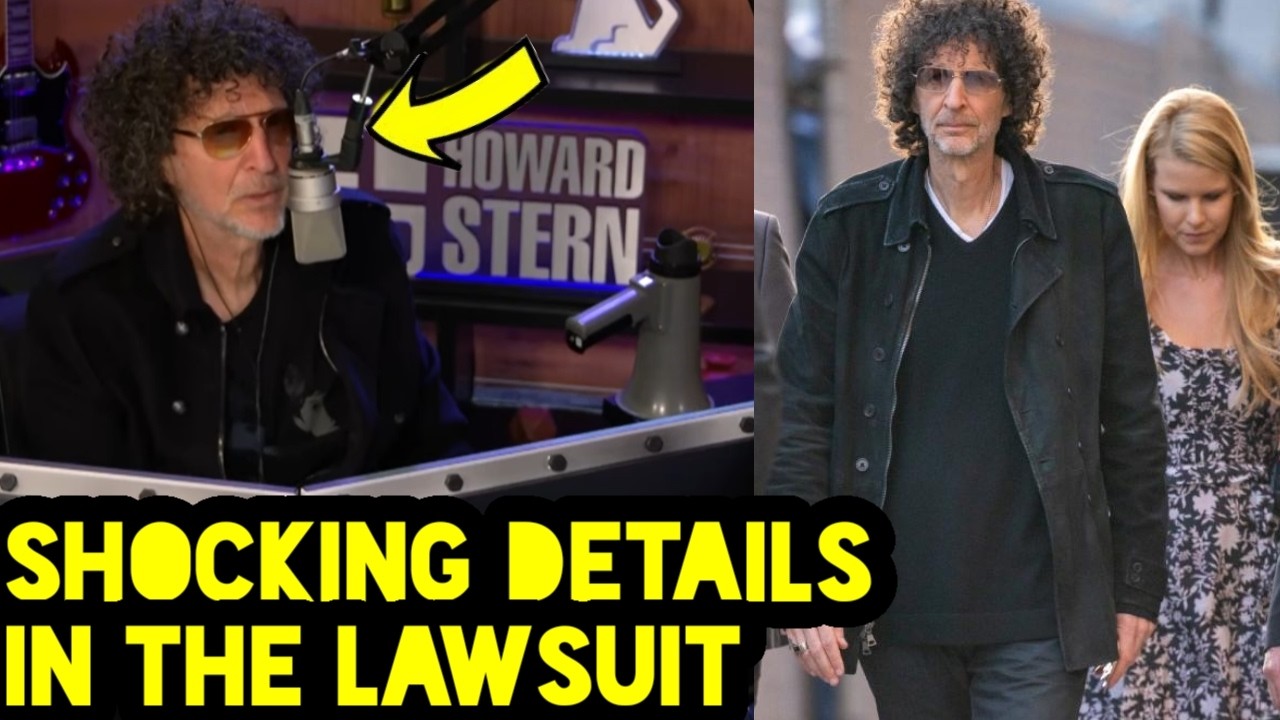
Howard Stern’s ‘Bizarre Rules for Staff’ Revealed in Wrongful Termination Lawsuit
Uncovering Howard Stern’s Bizarre Rules for Staff

Howard Stern, the renowned radio personality and SiriusXM star, has recently found himself at the center of a wrongful termination lawsuit that exposes the peculiar and stringent rules he and his wife, Beth Stern, allegedly imposed on their household staff. The lawsuit was filed by Leslie Kuhn, a former executive assistant responsible for managing the Sterns’ Hamptons residence and overseeing their household operations, including Beth Stern’s extensive feline rescue efforts.
According to court documents, Kuhn claims she was subjected to a hostile work environment created by the Sterns’ “bizarre rules for staff,” which included signing a comprehensive non-disclosure agreement (NDA). This NDA reportedly forbade her from discussing a wide range of personal and business-related topics, from the couple’s daily habits and preferences to their travel arrangements and political affiliations.
Details of the Non-Disclosure Agreement and Its Impact

The NDA presented to Kuhn was unusually restrictive. It barred her from sharing any information about the Stern family’s “daily activities and personal habits,” such as their food preferences, sleeping routines, and hobbies. Moreover, the agreement extended to prohibiting discussions about the Sterns’ use of consumer products, choice of restaurants and hotels, entertainment preferences, and even the locations or contents of their residences.
Kuhn alleges that despite these severe restrictions, the NDA did not equally protect her from public commentary by Howard and Beth Stern. This asymmetry, she argues, placed her at a significant disadvantage both professionally and personally. The lawsuit seeks to have the NDA declared unenforceable, as it effectively silenced her from speaking about her employment and the circumstances surrounding her termination.
The Hostile Work Environment and Termination Claims

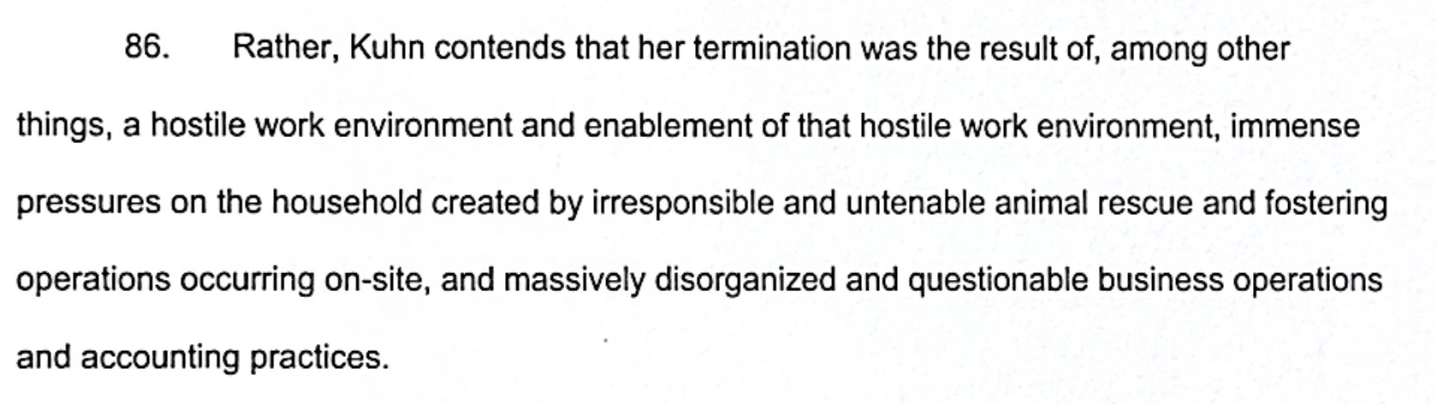
Leslie Kuhn’s lawsuit further claims that her termination in February 2026 was a direct result of the hostile work environment fostered by the Sterns. She describes immense pressures stemming from disorganized and questionable business operations, particularly related to the household’s animal rescue and fostering activities. Despite receiving a letter in December 2025 from Howard Stern’s production company promising a salary raise to $265,000 and an $80,000 bonus for 2026, Kuhn was abruptly fired just two months later.
The lawsuit paints a picture of a chaotic workplace where the demands and expectations placed on staff were unreasonable and deeply personal. Kuhn’s role extended beyond typical executive assistant duties, encompassing management of the Sterns’ Southampton mansion staff and overseeing Beth Stern’s at-home feline rescue operations, which she claims added to the untenable pressures.
Legal and Public Reactions to the Lawsuit

This lawsuit has drawn significant media attention, highlighting the challenges faced by employees working for high-profile celebrities like Howard Stern. The allegations of bizarre rules and a hostile work environment raise questions about workplace fairness and the boundaries of personal privacy in celebrity households.
Howard and Beth Stern have not publicly responded to the lawsuit as of now. However, the case underscores the importance of clear and fair employment practices, especially when NDAs and personal privacy intersect with workplace rights. The legal battle also brings to light the potential risks employees face when working under stringent confidentiality agreements that may limit their ability to speak out about workplace issues.
What This Means for Household Staff and Employers
The Stern lawsuit serves as a cautionary tale for both household staff and employers. For employees, it highlights the need to understand the implications of NDAs and to seek legal advice before signing agreements that could restrict their rights. For employers, especially those in the public eye, it emphasizes the importance of maintaining a respectful and transparent work environment that balances privacy concerns with fair treatment.
This case also sparks a broader conversation about the power dynamics in celebrity households and the protections needed for domestic workers who often operate behind the scenes without the safeguards present in traditional workplaces.
Conclusion
The wrongful termination lawsuit against Howard Stern reveals a complex and troubling picture of the “bizarre rules for staff” imposed within his household. From restrictive non-disclosure agreements to allegations of a hostile work environment, this case sheds light on the challenges faced by employees working for high-profile figures. As the legal proceedings unfold, it serves as a reminder of the importance of fair workplace practices and the need for employees to be aware of their rights.
If you or someone you know is dealing with a difficult work environment or questionable employment practices, don’t hesitate to seek professional legal advice to protect your rights and well-being. Stay informed and empowered to ensure a fair and respectful workplace for all.