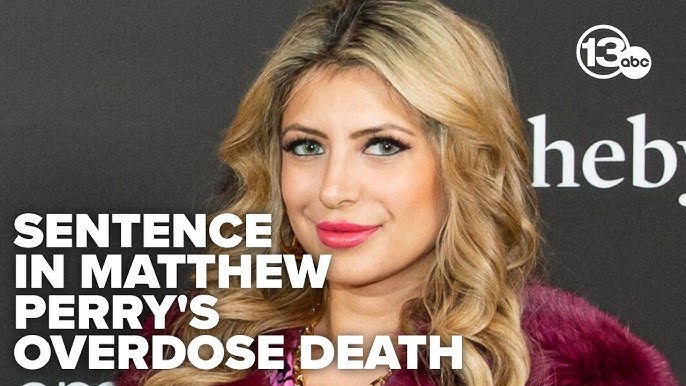

‘Ketamine Queen’ Learns Fate for Providing Drugs that Killed Matthew Perry
The recent court ruling involving the notorious ‘Ketamine Queen’ has captured widespread attention. She was found guilty of supplying ketamine and other illicit substances that tragically contributed to the death of beloved actor Matthew Perry. This case highlights the devastating effects of drug trafficking and abuse, as well as the legal repercussions for those involved in distributing dangerous narcotics.
The ‘Ketamine Queen’ and Her Role in Matthew Perry’s Death

The woman dubbed the ‘Ketamine Queen’ earned this grim nickname due to her extensive involvement in trafficking ketamine, a powerful anesthetic often misused recreationally. Authorities linked her directly to the supply of drugs that led to Matthew Perry’s fatal overdose. Perry, known for his iconic role in the television series “Friends,” struggled with substance abuse for years. His untimely death brought renewed focus on the dangers of illicit drug use and the responsibility of suppliers.
During the trial, prosecutors presented compelling evidence showing how the defendant knowingly distributed ketamine and other substances to Perry. The court heard testimonies from medical experts, law enforcement officials, and witnesses who detailed the chain of events leading to the actor’s overdose. The ‘Ketamine Queen’ was charged with multiple counts, including drug distribution resulting in death, which carries severe penalties under the law.
Legal Consequences and Sentencing
After a thorough review of the case, the judge handed down a sentence that reflects the gravity of the offense. The ‘Ketamine Queen’ received a lengthy prison term, alongside fines and mandatory rehabilitation programs. This verdict sends a strong message to drug dealers and traffickers about the serious consequences of their actions, especially when they result in loss of life.
The sentencing also underscores the judiciary’s commitment to combating the opioid and ketamine epidemic that has plagued many communities. By holding suppliers accountable, the legal system aims to deter future drug distribution and reduce the number of overdose-related deaths.
Impact on the Community and Ongoing Drug Awareness Efforts

The death of Matthew Perry and the subsequent conviction of the ‘Ketamine Queen’ have sparked a wave of awareness about the dangers of ketamine abuse. Community organizations and health professionals are intensifying their efforts to educate the public on the risks associated with recreational drug use.
Programs focusing on prevention, early intervention, and support for those struggling with addiction are gaining momentum. The case serves as a stark reminder of the importance of addressing substance abuse as a public health crisis, not just a criminal issue.
The Fight Against Illicit Drug Distribution

Law enforcement agencies continue to prioritize dismantling drug trafficking networks that supply harmful substances like ketamine. Collaborative efforts between federal, state, and local authorities have led to increased arrests and seizures, disrupting the flow of illegal drugs.
Moreover, policymakers are advocating for stronger regulations and enhanced resources for addiction treatment. The goal is to create a comprehensive approach that combines enforcement with rehabilitation and community support.
Conclusion

The sentencing of the ‘Ketamine Queen’ marks a significant milestone in the battle against drug-related tragedies. Her conviction for providing drugs that killed Matthew Perry serves as a powerful warning to others involved in the illicit drug trade. It also reinforces the urgent need for continued education, prevention, and treatment initiatives to combat substance abuse.
If you or someone you know is struggling with addiction, don’t wait to seek help. Reach out to local support groups or professional treatment centers today to take the first step toward recovery. Together, we can work to prevent future losses and build healthier communities.