‘Why Are You So Rude?’: Pete Hegseth Snaps at ‘Nasty’ NBC Reporter for Interrupting Him During Live Press Briefing
Pete Hegseth’s Heated Exchange with NBC Reporter: Why Are You So Rude?

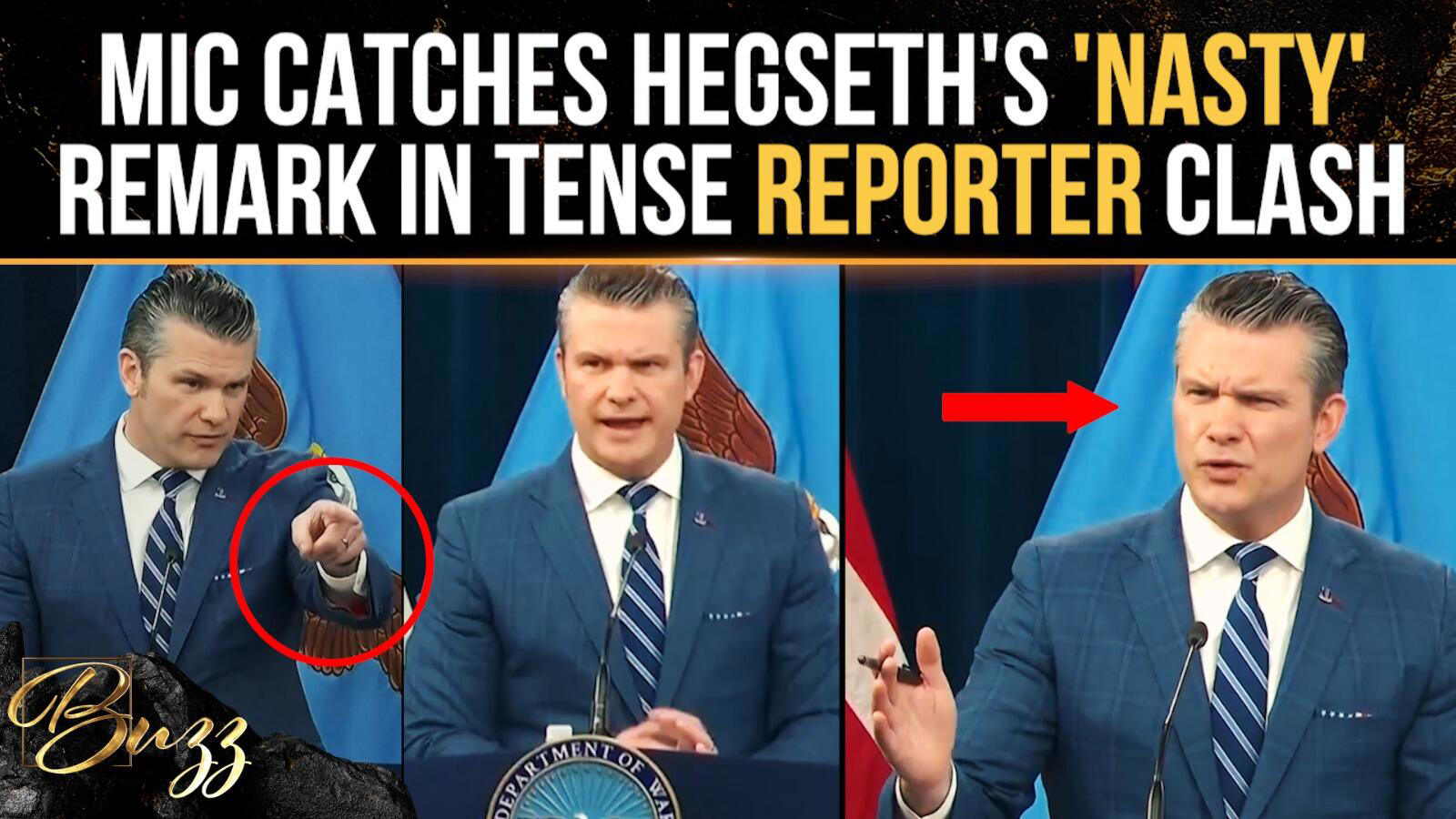
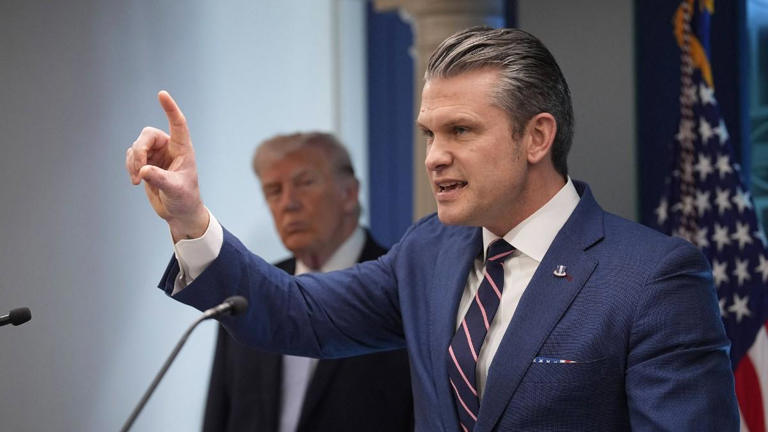
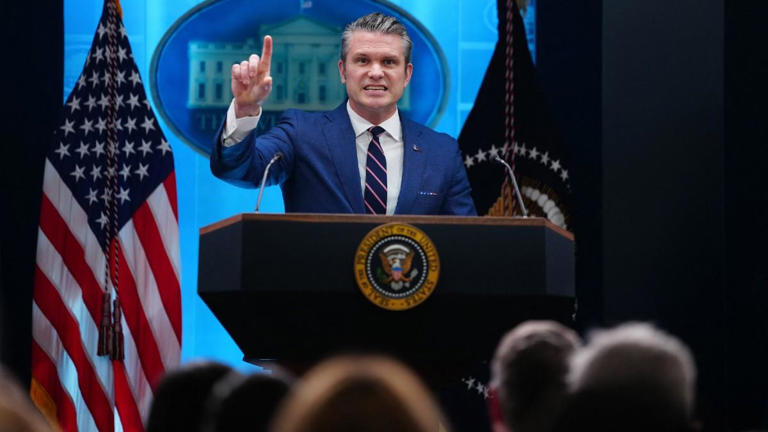
In a recent live press briefing, Pete Hegseth, Secretary of Defense and former Fox News anchor, made headlines after snapping at an NBC News correspondent who interrupted him during a critical update on the Iran ceasefire situation. The incident unfolded when Hegseth, known for his fiery temperament and blunt communication style, was taking questions from the press. After calling on Reagan Reese, a White House correspondent for the Daily Caller, Courtney Kube of NBC News attempted to cut in with her own question about Iran’s missile launches.
Hegseth’s reaction was swift and unmistakable. He scowled at Kube and sharply asked, “Excuse me, why are you so rude? Just wait. I’m calling on people.” Under his breath, he muttered, “So nasty.” This public rebuke quickly went viral, sparking discussions about media decorum, the pressures of live briefings, and Hegseth’s increasingly confrontational approach to press interactions.
The Context Behind Hegseth’s Outburst
Pete Hegseth’s outburst did not come out of nowhere. Over the past few weeks, he has exhibited a pattern of frustration and anger during press briefings related to the ongoing conflict in the Middle East, particularly concerning Iran. Hegseth has openly criticized what he perceives as biased or sensationalized media coverage, accusing outlets like CNN of pushing misleading narratives about the war.
In one notable instance, Hegseth ranted about how news headlines often paint Iran as a dominant aggressor, suggesting instead that the country is “increasingly desperate.” He expressed disdain for the way civilian and energy targets are portrayed in the media, implying that such coverage lacks context and inflames public perception unnecessarily.
His frustration extends beyond the press to the corporate media landscape. Hegseth has voiced support for the recent merger between Paramount and Warner Bros. Discovery, hoping that new leadership under David Ellison will bring a more favorable editorial stance toward conservative viewpoints and President Trump. However, Ellison has publicly stated that CNN and other networks will maintain editorial independence, a stance that seems to fuel Hegseth’s ire.
Media Reactions and Public Opinion
The exchange between Hegseth and the NBC reporter has drawn mixed reactions. Supporters of Hegseth praise his demand for order and respect during official briefings, arguing that interruptions undermine the flow of information and disrespect both the speaker and the audience. They see his bluntness as a necessary pushback against what they view as aggressive or unfair questioning tactics by some journalists.
Conversely, critics argue that Hegseth’s behavior reflects poorly on his professionalism and ability to handle pressure. Some observers, including political figures like James Walkinshaw, have questioned Hegseth’s qualifications and temperament for his role as Secretary of Defense. Walkinshaw described Hegseth as someone who struggles with complex questions and relies heavily on scripted responses, calling his conduct “embarrassing.”
This polarization underscores the broader tensions between government officials and the media, especially in the context of high-stakes international conflicts. The incident also raises questions about the appropriate boundaries of press freedom and the responsibilities of public officials to maintain composure during scrutiny.
Conclusion: Navigating Media Relations in High-Pressure Situations
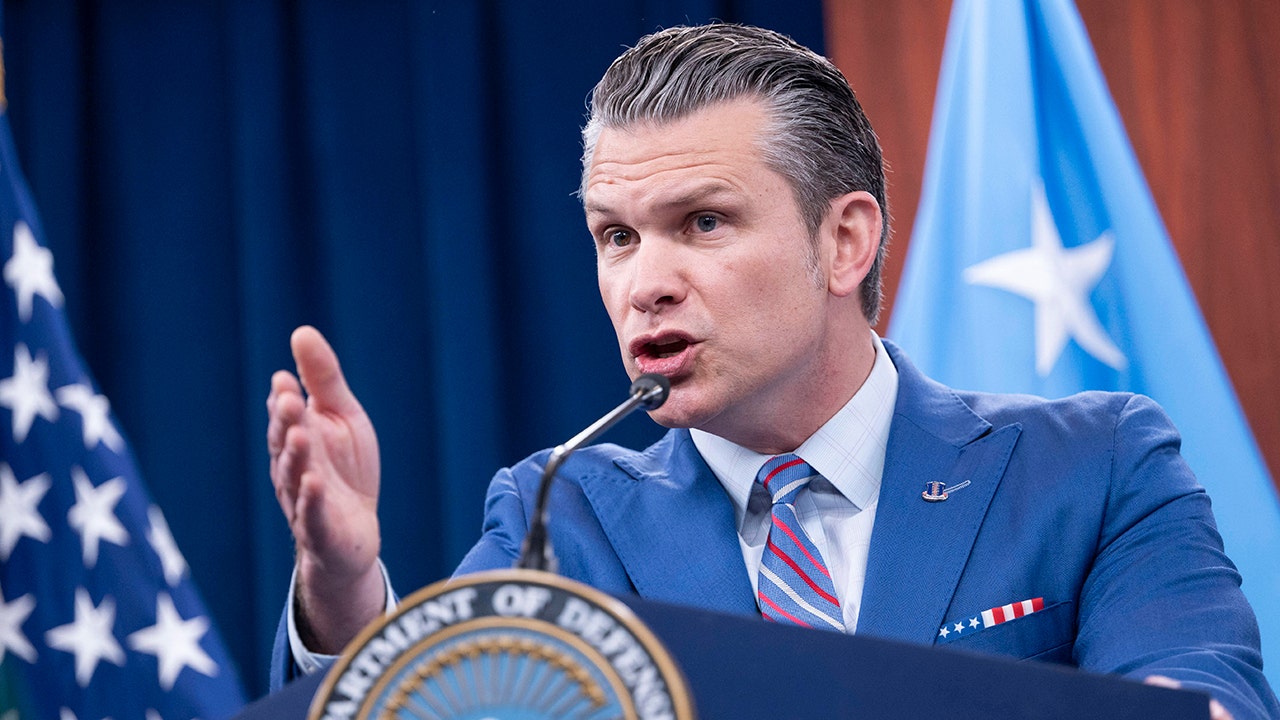
Pete Hegseth’s sharp rebuke of an NBC reporter during a live press briefing serves as a vivid example of the challenges faced by public officials when dealing with the media under intense scrutiny. While his demand for respect and order is understandable, the incident also highlights the importance of maintaining professionalism and patience, especially in live, high-pressure environments.
For journalists and officials alike, fostering mutual respect and clear communication is essential to ensure that critical information reaches the public accurately and without unnecessary conflict. As media dynamics continue to evolve, both sides must adapt to maintain a constructive dialogue.
If you want to stay updated on the latest developments in media interactions and political briefings, be sure to subscribe to our newsletter and follow our coverage for in-depth analysis and breaking news.