‘Roseanne’ Star Tearfully Defends Sitcom’s ‘Rightful’ Axing Over Comedian’s Racist Tweets
Michael Fishman Speaks Out on the ‘Roseanne’ Reboot Cancellation
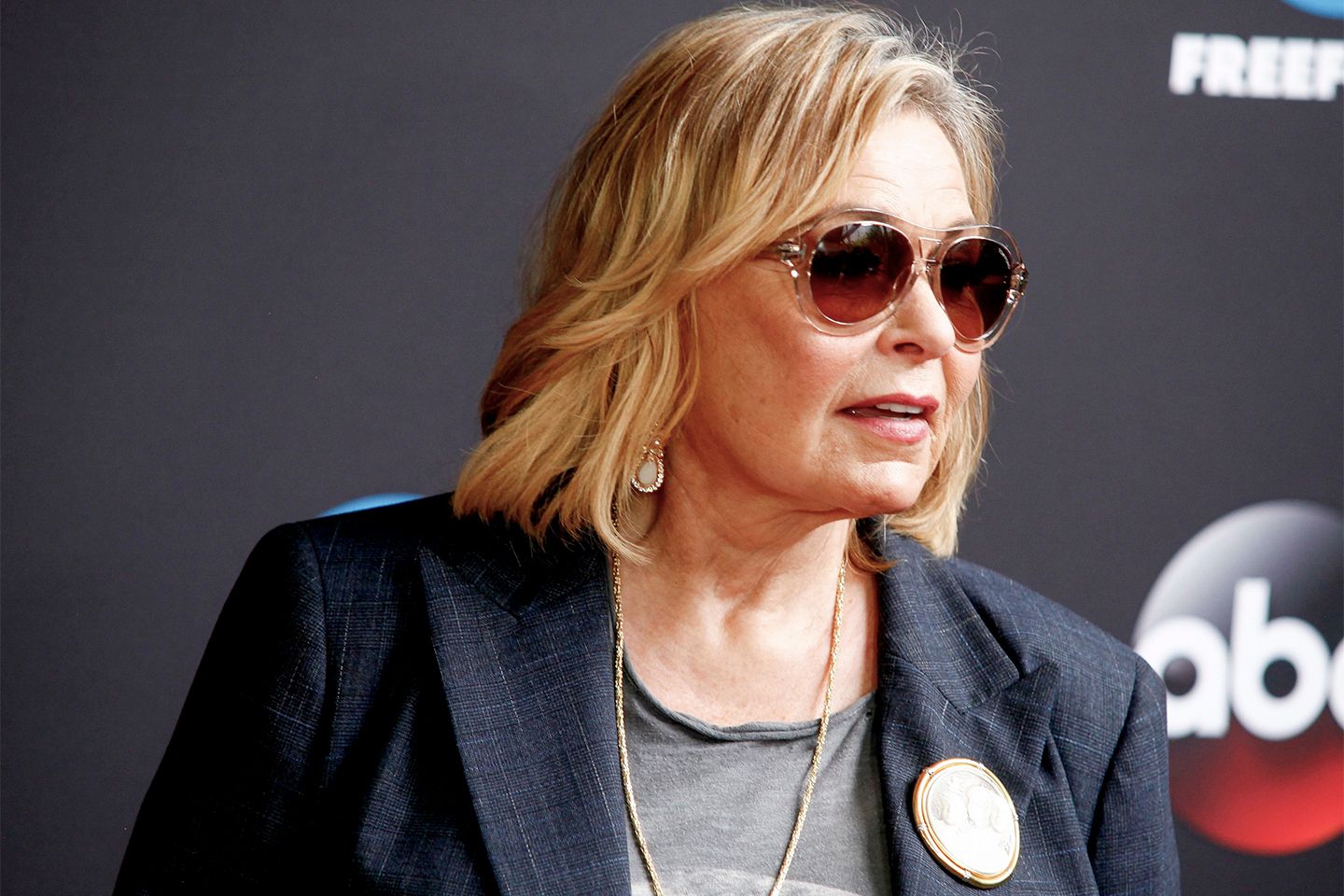
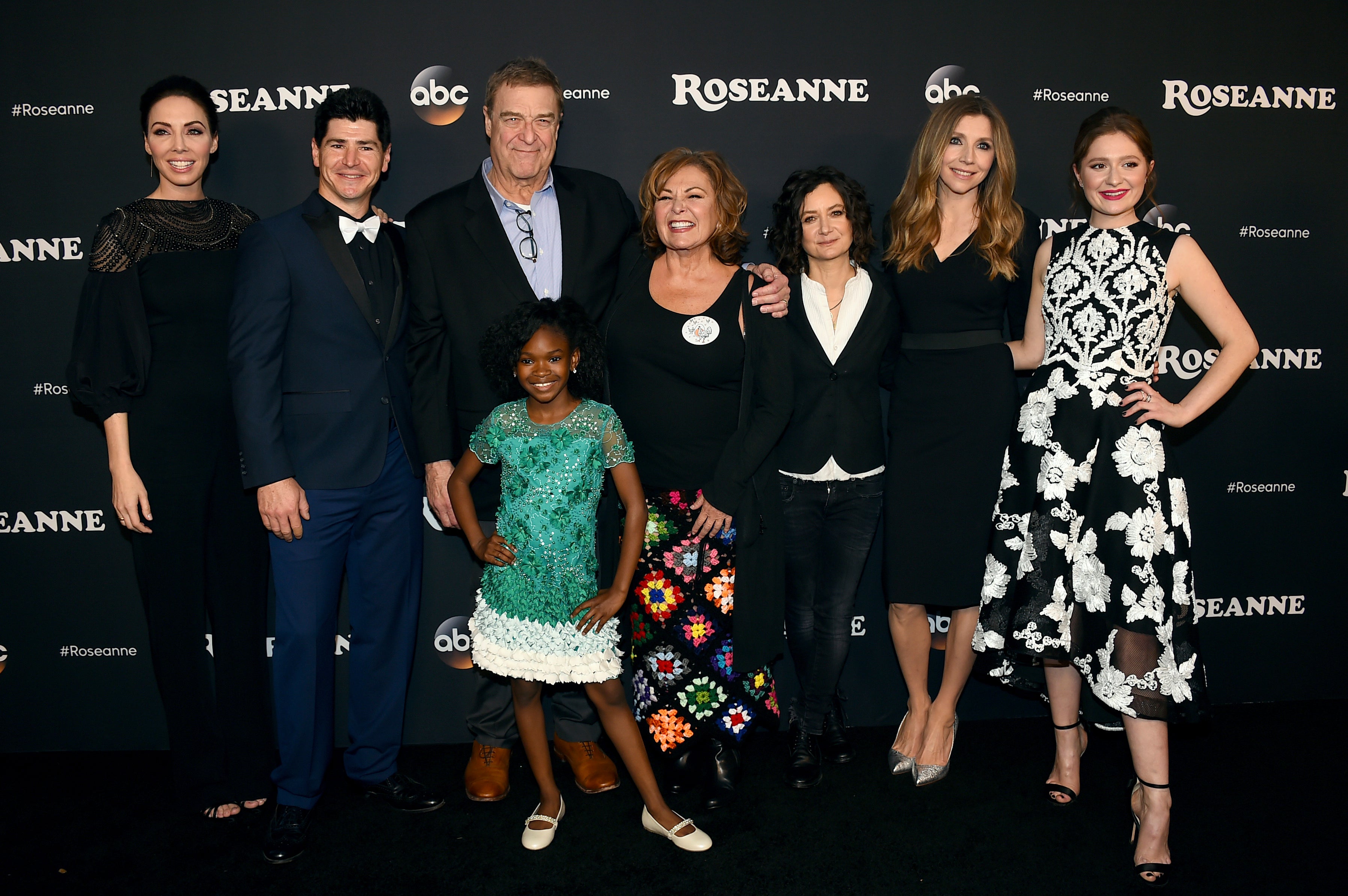
In 2018, the revival of the iconic sitcom Roseanne was abruptly canceled after its star, Roseanne Barr, posted a series of racist tweets that ignited widespread outrage. Michael Fishman, who played DJ Conner, Roseanne’s son on the show, recently broke his silence on the matter in a heartfelt social media post. Tearfully defending the decision to end the reboot, Fishman explained why he believes the cancellation was not only necessary but “rightful.”
Fishman’s emotional response comes after years of receiving criticism and misinformation about the show’s demise. He shared that the backlash against Barr’s tweets was not merely a political or cultural overreaction, but a justified consequence of harmful and dehumanizing rhetoric. His candid remarks shed light on the complexities of freedom of speech, responsibility in comedy, and the real-world effects of racist language.
The Controversy That Ended the ‘Roseanne’ Reboot
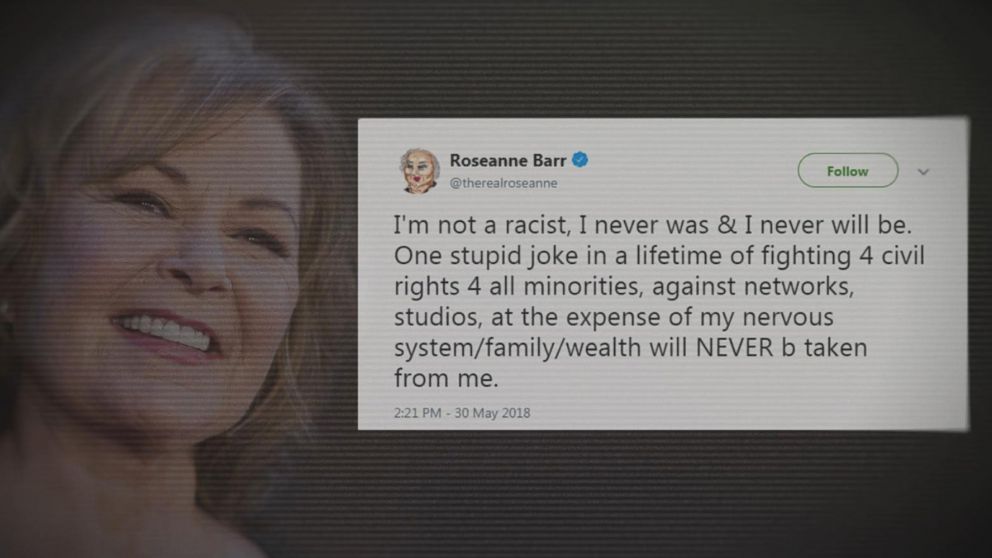
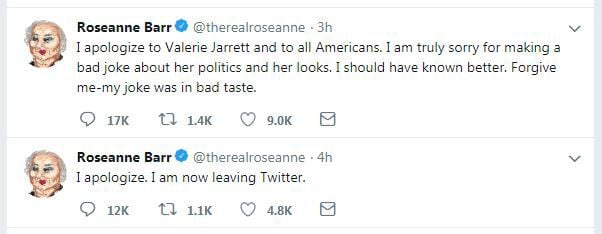
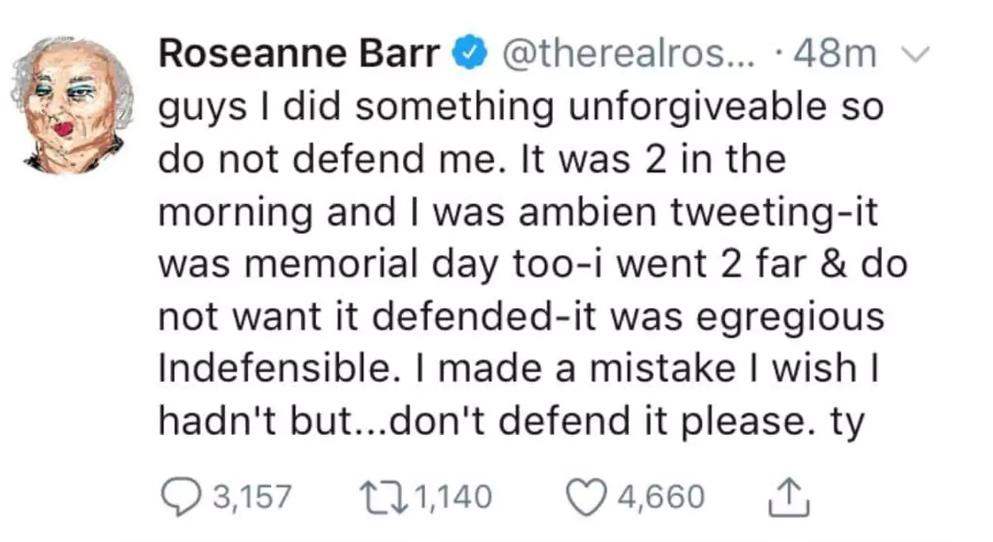
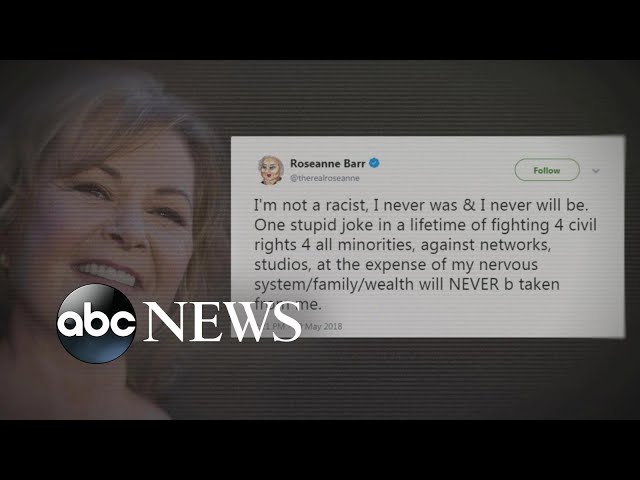
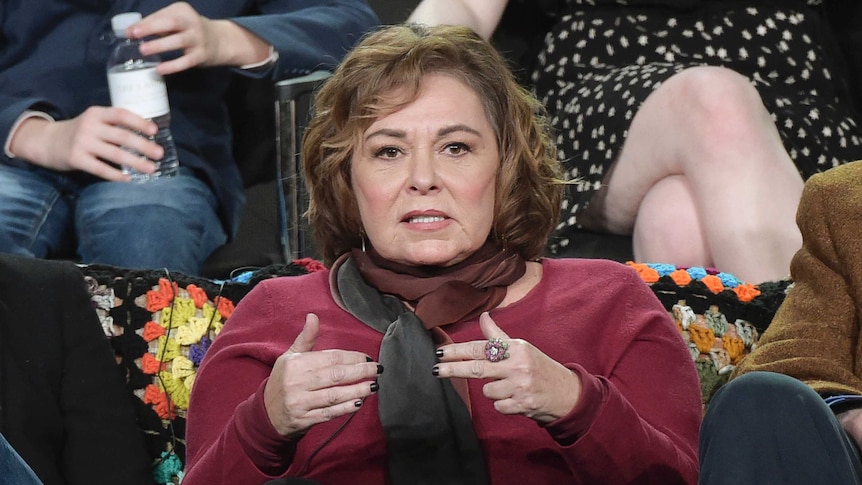
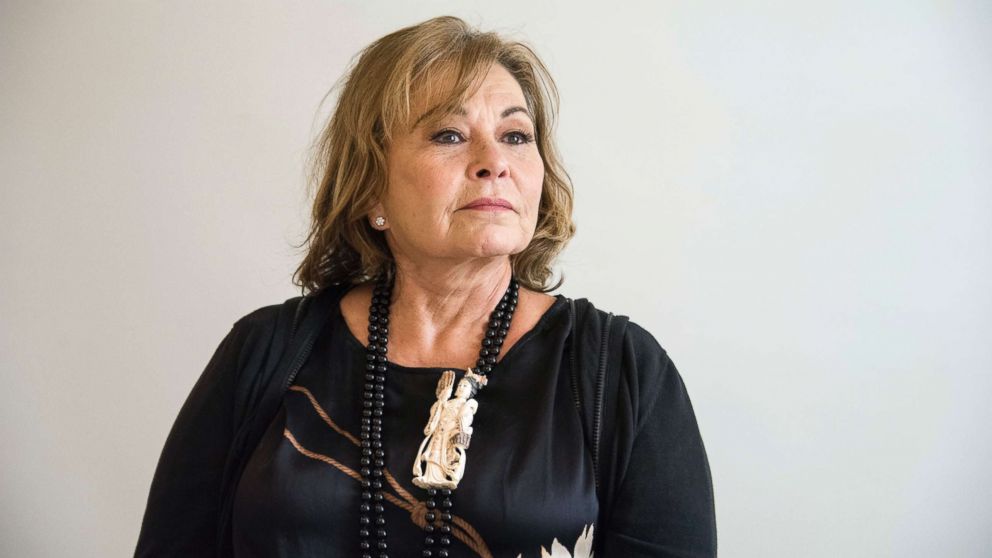
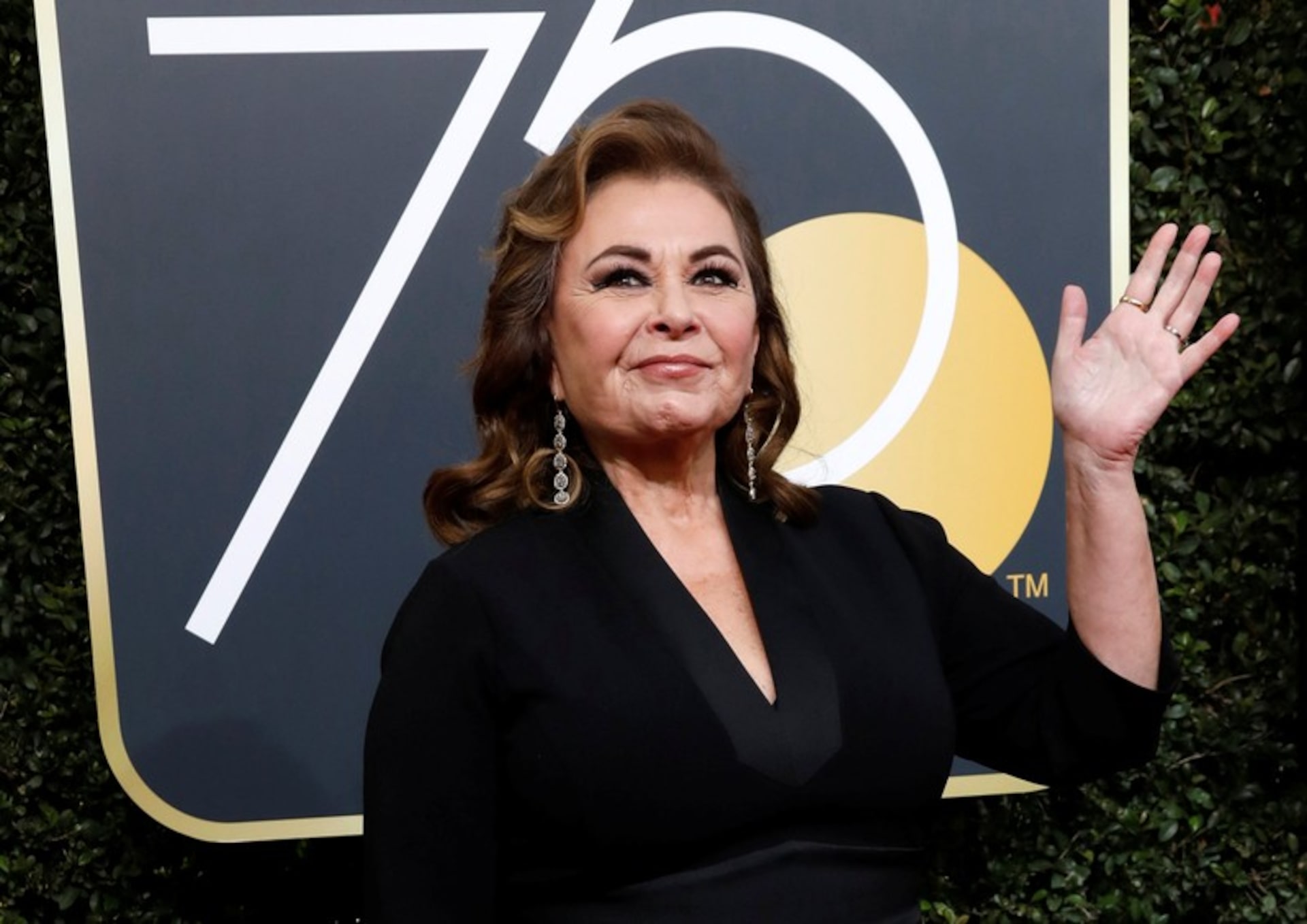
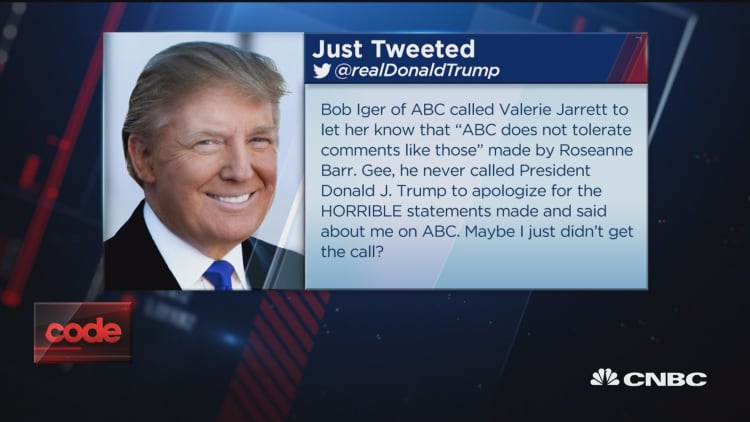
The controversy began when Roseanne Barr tweeted a comparison of Valerie Jarrett, a former advisor to President Barack Obama, to an “ape.” The tweet was widely condemned as racist and offensive. Barr later apologized, attributing her actions to the influence of a sleep aid and claiming ignorance, but the damage was done. ABC swiftly canceled the reboot, which had been enjoying strong ratings, and retooled the series as The Conners without Barr’s involvement.
Fishman acknowledged the gravity of Barr’s actions, noting that even she described her tweets as “indefensible.” He emphasized that the cancellation was a necessary step to hold individuals accountable for their words, especially when those words perpetuate racial stereotypes and contribute to societal harm.
Freedom of Speech vs. Responsibility in Comedy
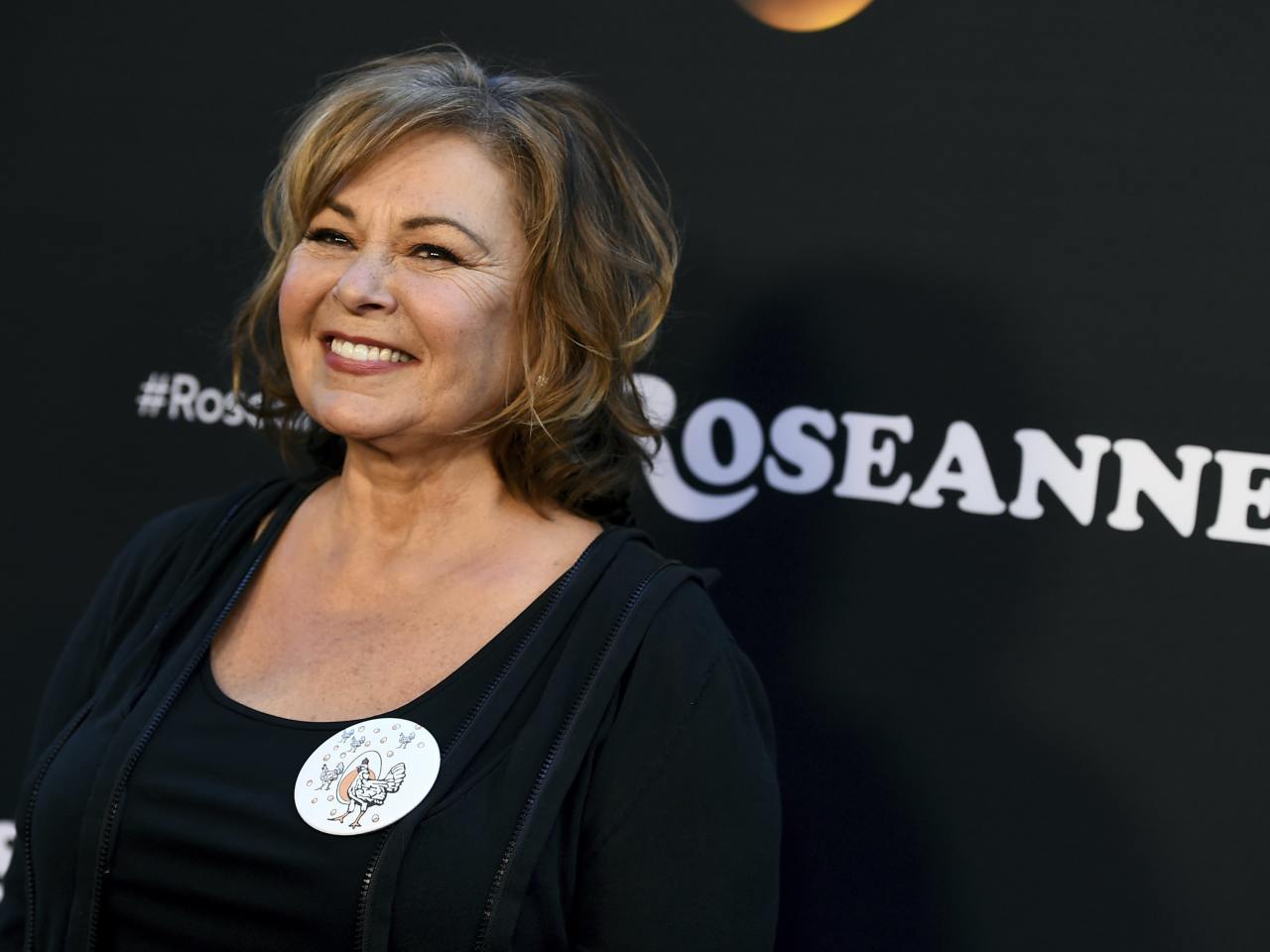
As a comedian and actor, Fishman understands the delicate balance between creative freedom and social responsibility. He stated, “When we’re onstage as comedians or on camera, we have the freedom to say whatever we want. But that doesn’t mean there’s no responsibility and no consequences.” He praised comedians who skillfully navigate difficult topics with humor that enlightens rather than dehumanizes.
Fishman made it clear that Barr’s tweets crossed a line. “Sadly, in this case, there was no joke. There was only damage and dehumanizing — and perpetuating racial tropes leads to real-world consequences,” he said. He referenced recent tragedies involving the deaths of Black Americans as examples of how harmful rhetoric can fuel violence and discrimination.
Despite his strong stance, Fishman expressed compassion for Barr, saying, “Good people make mistakes. I love the one who made this mistake and always will.” He urged fans and critics alike to recognize the difference between accountability and personal attacks, encouraging thoughtful dialogue rather than blind defense or condemnation.
Why the ‘Roseanne’ Reboot’s Cancellation Was the Right Decision
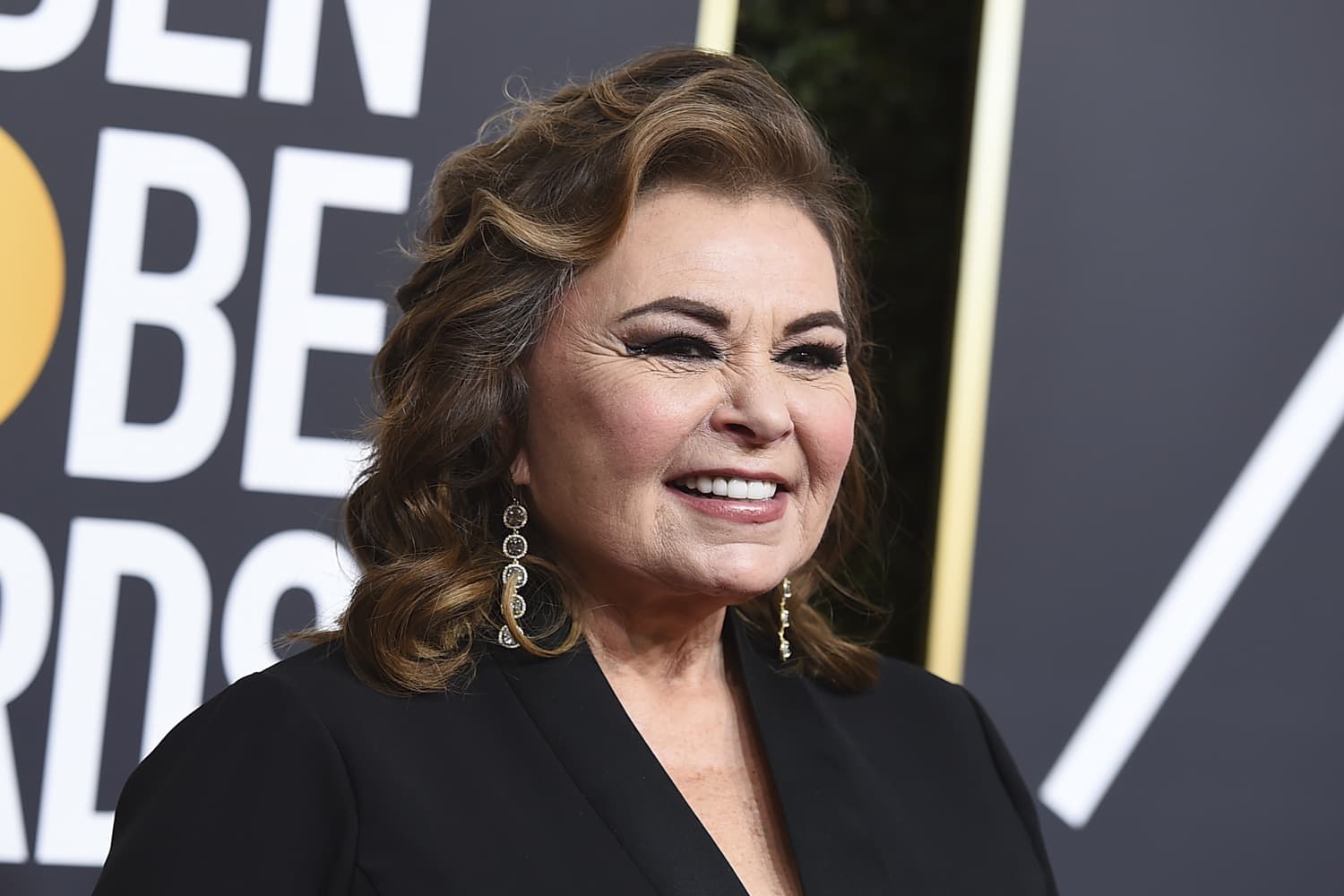
The keyword “Roseanne reboot cancellation” is central to understanding the broader implications of this controversy. Fishman’s defense of the show’s axing highlights the importance of consequences in the entertainment industry and society at large.
The reboot’s cancellation sent a clear message that racist behavior, even from beloved public figures, is unacceptable. It also underscored the power of social media to hold celebrities accountable for their actions. Fishman’s perspective reminds us that while comedy can push boundaries, it must not do so at the expense of human dignity.
Moreover, the transition to The Conners without Barr allowed the show to continue addressing relevant social issues while distancing itself from the controversy. The spin-off lasted seven seasons, demonstrating that the legacy of Roseanne could endure without condoning harmful behavior.
Lessons Learned and Moving Forward
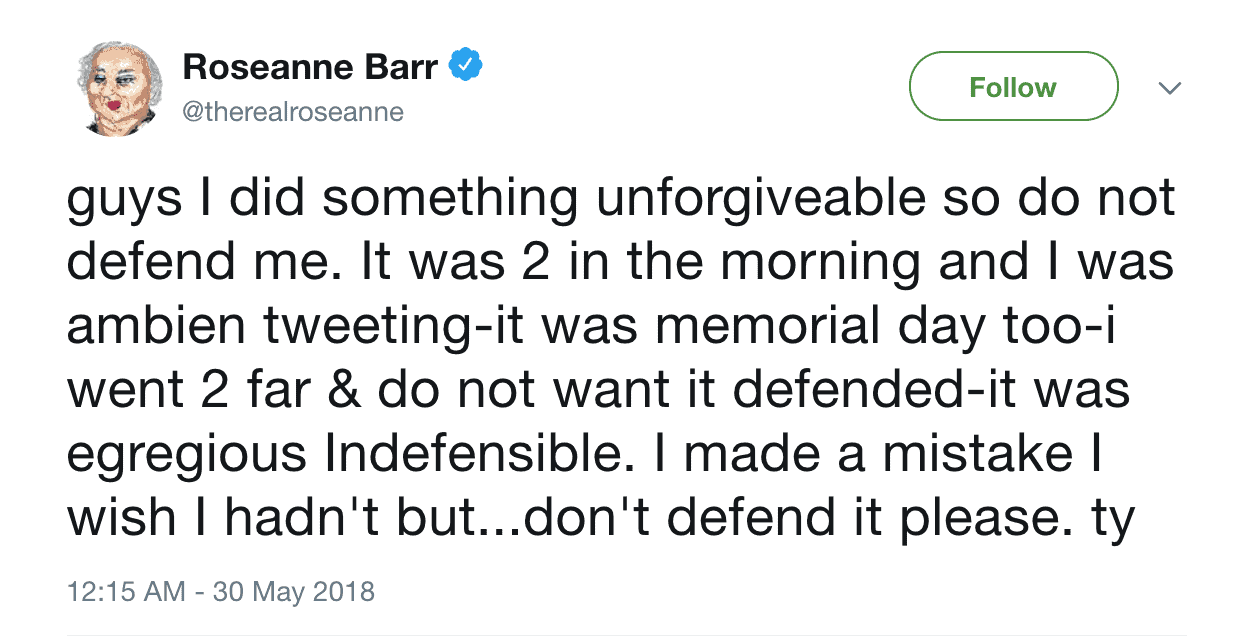
Fishman’s reflections on the Roseanne reboot cancellation offer valuable lessons about accountability, empathy, and the evolving standards of public discourse. He urged people to “be smart enough to just shut the hell up” when tempted to defend or repeat racist statements, emphasizing that words have consequences beyond the stage or screen.
His message also calls for greater awareness of how humor intersects with social justice. The entertainment industry, audiences, and comedians alike must navigate this terrain carefully to foster inclusivity and respect.
Conclusion
Michael Fishman’s tearful defense of the Roseanne reboot cancellation provides a powerful reminder that accountability matters, especially when it comes to racist rhetoric. The “Roseanne reboot cancellation” was a rightful response to harmful behavior that had real-world consequences. While Fishman continues to hold compassion for Roseanne Barr as a person, he stresses the importance of responsibility in comedy and the impact of words on society.
If you want to stay informed about celebrity news and cultural conversations like this, be sure to follow trusted entertainment sources and engage thoughtfully in discussions about accountability and social change. Your voice matters—use it wisely.