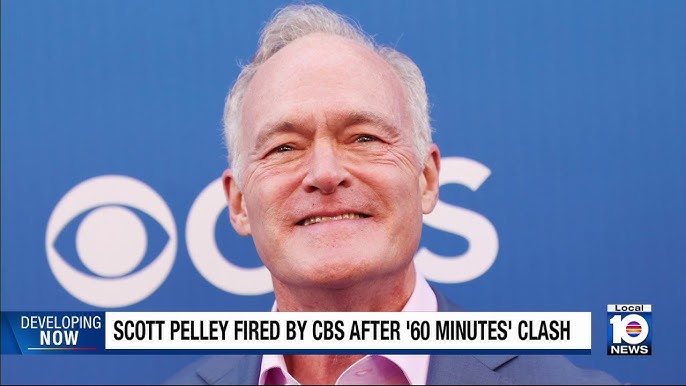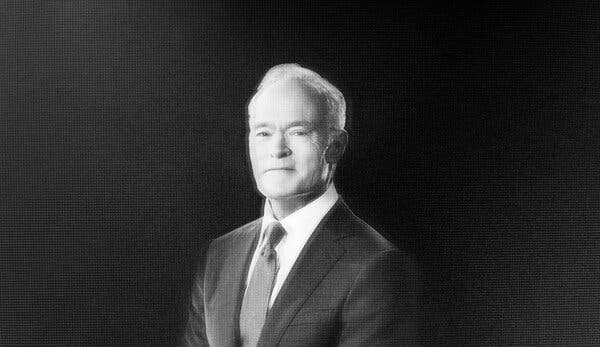
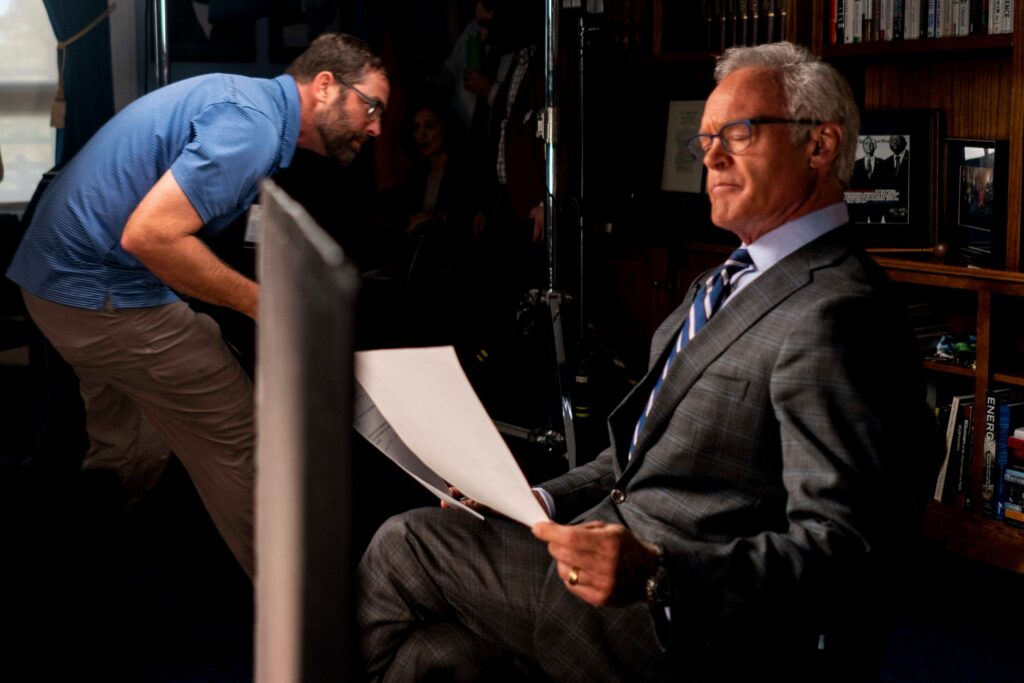
Scott Pelley Breaks Down, Compares ‘60 Minutes’ Firings to ‘Family’ Being Murdered in Ludicrous New Interview
Scott Pelley’s Emotional Breakdown Over ‘60 Minutes’ Firings
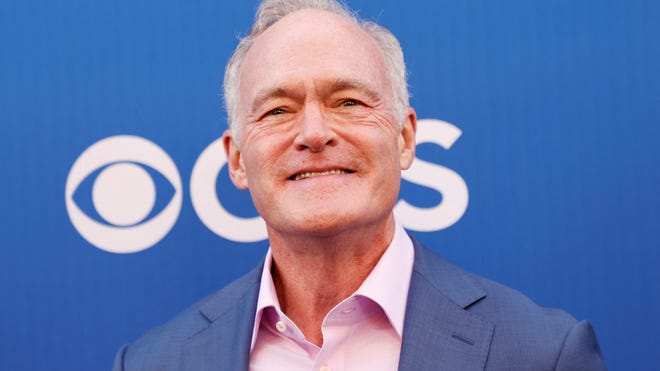
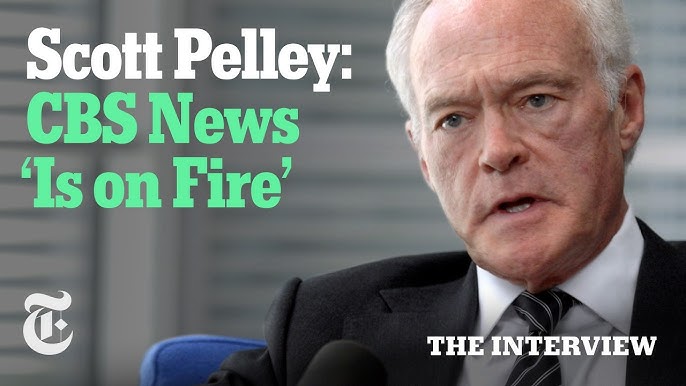
Veteran journalist Scott Pelley recently opened up in a revealing interview about the shocking firings at CBS’s flagship news program, “60 Minutes.” After nearly 40 years with CBS News, Pelley was abruptly dismissed following a heated confrontation with new network leadership. In the interview, he compared the layoffs to a “Black Thursday massacre,” describing the event as akin to having a “family” murdered. This striking metaphor underscores the deep personal and professional connections among the “60 Minutes” team and the devastating impact of the sudden staff overhaul.
Pelley, 68, expressed his grief and disbelief as he recounted the moment when many of his longtime colleagues were let go. He described the night before the layoffs, when he and executive producer Tanya Simon attended the Emmy Awards and won two prestigious awards, only to return to a newsroom that was about to be decimated. The contrast between celebration and loss was stark, and Pelley’s emotional response highlights the human side of newsroom dynamics often overlooked by the public.
The ‘Black Thursday Massacre’ and Its Aftermath
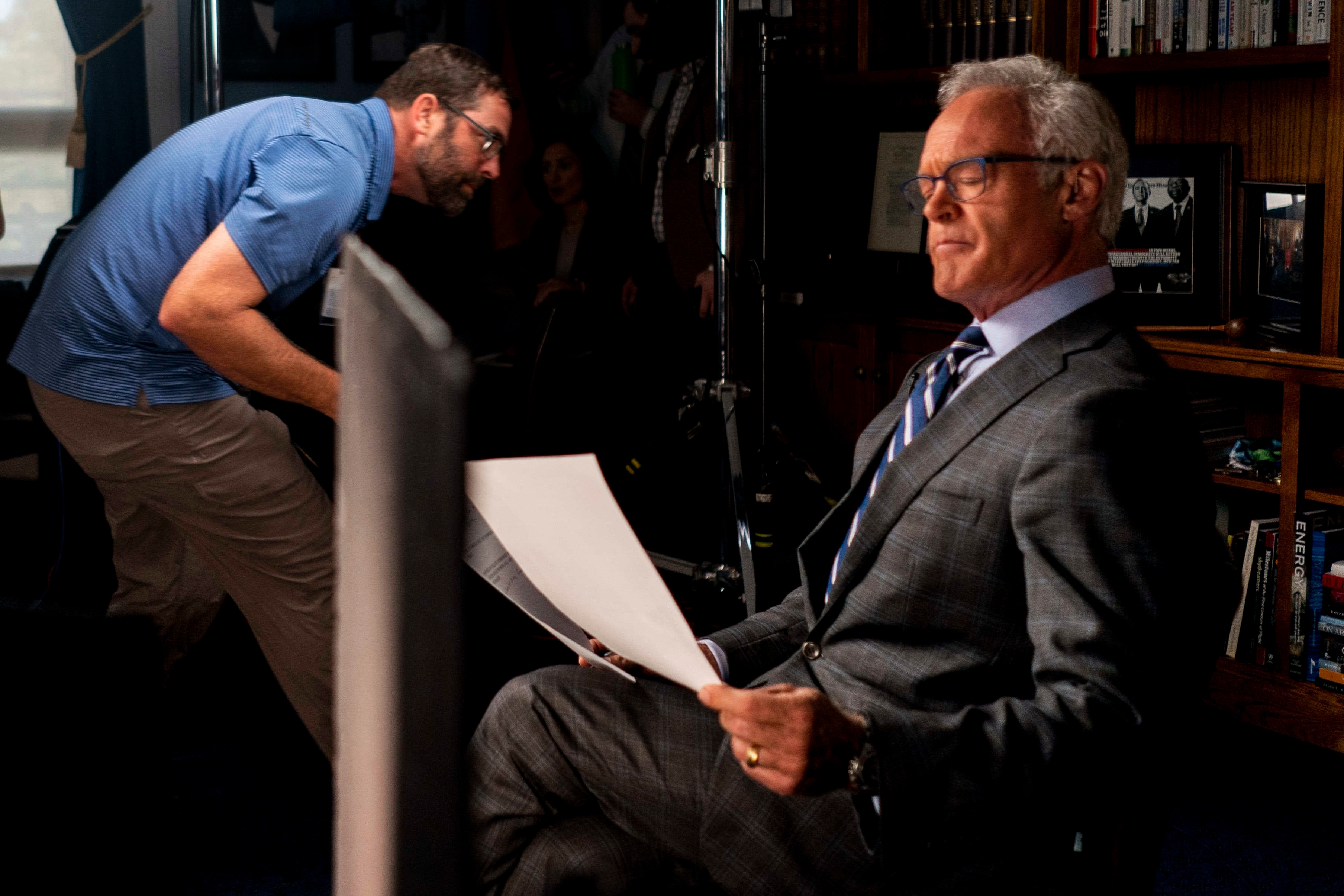
The term “Black Thursday massacre” was coined by Pelley to describe the sweeping firings that affected senior correspondents and producers alike. Among those dismissed were notable journalists such as Sharyn Alfonsi and Cecilia Vega, along with executive producer Tanya Simon and veteran producer Guy Campanile. Pelley’s description of the event as a “massacre” reflects not only the scale of the layoffs but also the sense of betrayal felt by the team.
Pelley emphasized the close-knit nature of the “60 Minutes” staff, likening their relationships to family ties forged through years of collaboration, travel, and shared experiences in dangerous environments. “We go into literal combat together,” he said, highlighting the unique pressures and risks faced by investigative journalists. The sudden removal of so many trusted colleagues was, in his words, like losing family members in a violent and inexplicable act.
The emotional toll of the firings was compounded by the manner in which staff were informed. Pelley described an email from the new executive producer, Nick Bilton, as “insulting,” further deepening the sense of disrespect and alienation. Bilton, a tech journalist with limited experience in investigative news, was seen by Pelley and others as an outsider imposed upon the team without understanding its culture or history.
Confrontation with Leadership and Pelley’s Firing
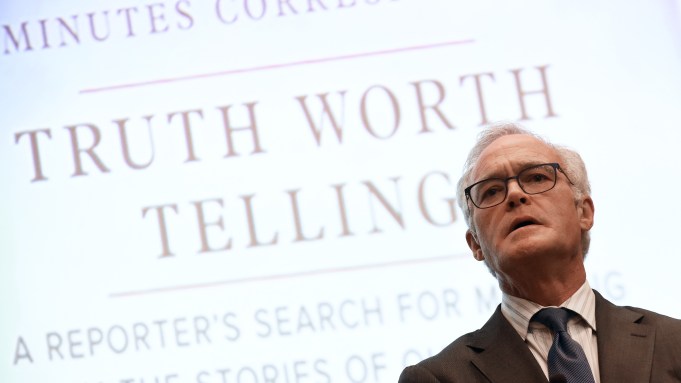
The catalyst for Pelley’s own firing was a fiery meeting on June 2, during which he openly criticized CBS News editor-in-chief Bari Weiss and the sweeping changes she was implementing. Pelley accused Weiss of being “brought in to kill” the legacy of “60 Minutes,” a statement that shocked many given his stature within the network. He also challenged Bilton’s qualifications and questioned his suitability to lead the program.
Sources revealed that the confrontation was intense, with Bilton responding firmly to Pelley’s accusations. Despite Pelley’s attempts to moderate his emotions and think carefully before speaking, the meeting ended with his termination shortly afterward. Reflecting on the experience, Pelley admitted he had underestimated the consequences of his outburst, saying, “Some reporter I turned out to be.”
In his interview, Pelley expressed a mix of sorrow and gratitude. While devastated by the loss of his colleagues and the upheaval at “60 Minutes,” he also acknowledged the privilege of his long career and the support of his fellow journalists. His parting words conveyed a deep respect for the profession and a hope that the newsroom’s spirit would endure despite the changes.
Understanding the Impact of the ‘60 Minutes’ Firings
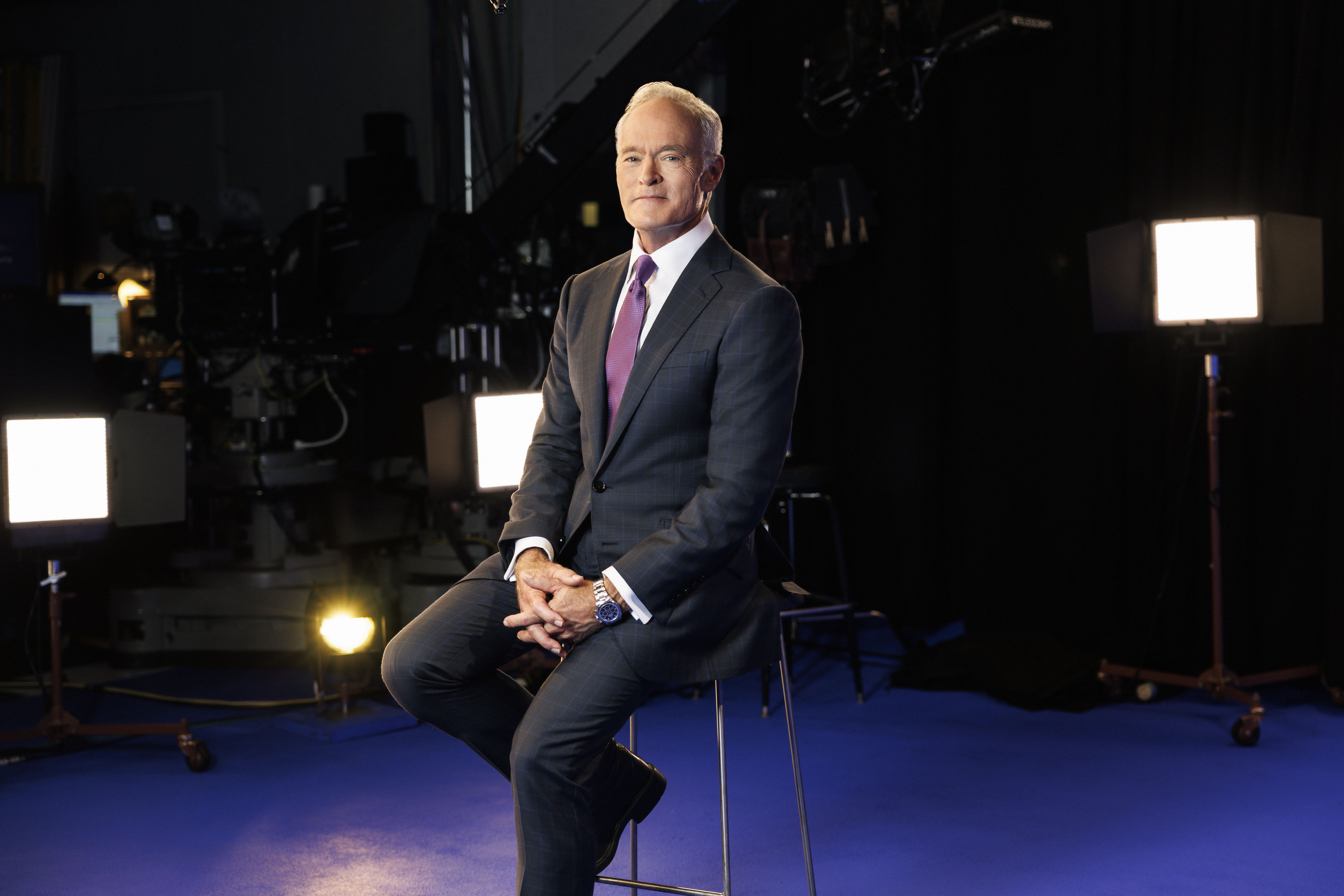
The firings at “60 Minutes” have sent shockwaves through the journalism community and raised questions about the future direction of the program. Pelley’s comparison of the layoffs to a family tragedy resonates because it captures the emotional and professional bonds that define newsroom culture. For many, “60 Minutes” is more than just a news show—it is a trusted institution built on decades of investigative reporting and storytelling.
The arrival of new leadership, including Bari Weiss and Nick Bilton, signals a shift in editorial priorities and management style. While change is often necessary in media organizations, the abrupt and sweeping nature of the firings has been criticized for its lack of transparency and sensitivity. Pelley’s interview sheds light on the human cost of these decisions and the challenges faced by veteran journalists navigating a rapidly evolving industry.
As “60 Minutes” moves forward under new leadership, the question remains whether the program can maintain its legacy of excellence while adapting to new realities. Pelley’s heartfelt reflections serve as a reminder of the importance of respecting the people behind the headlines and the value of newsroom camaraderie.
The Future of ‘60 Minutes’ and CBS News
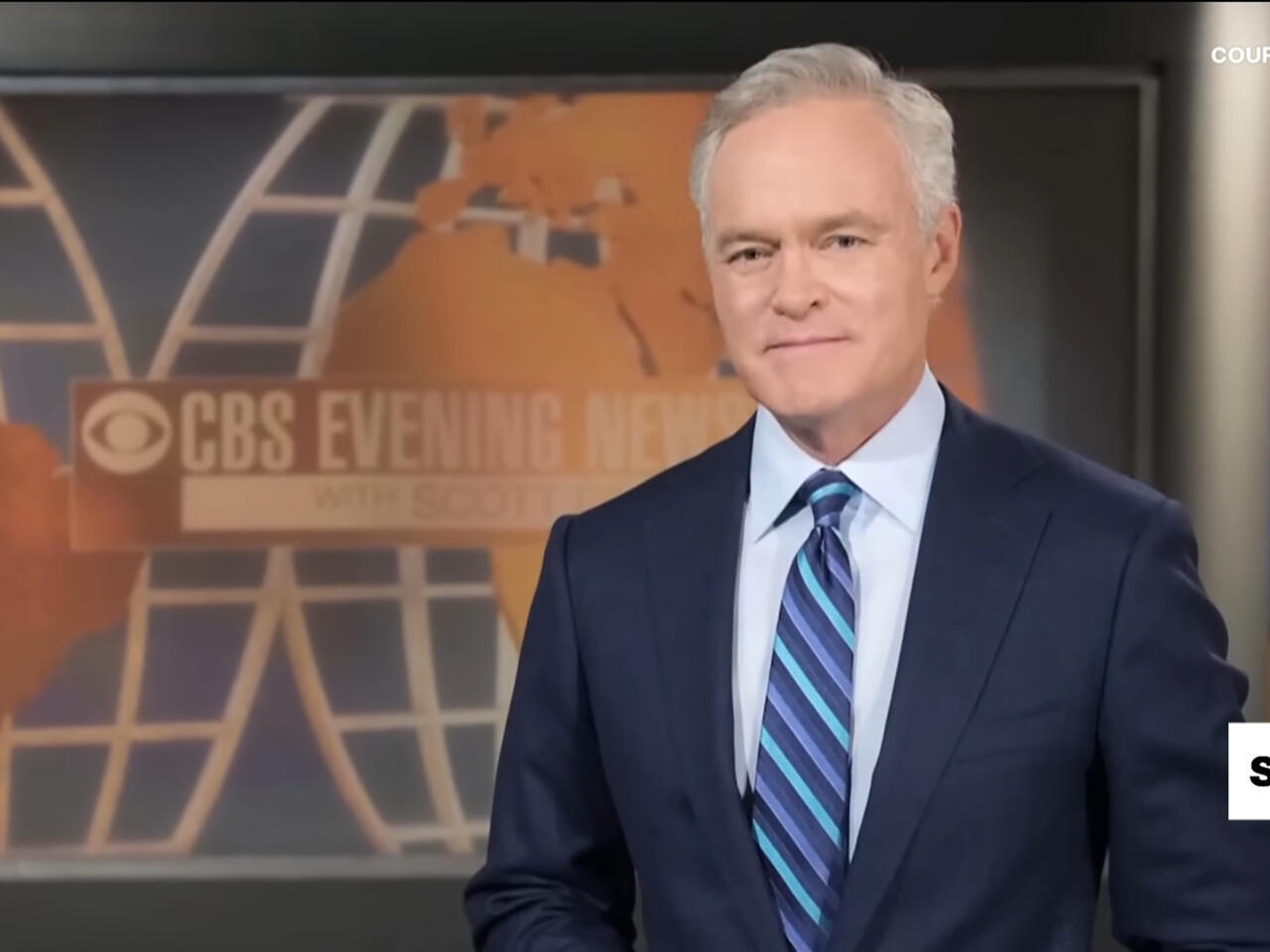
In the wake of the firings, CBS News has pledged editorial independence and reaffirmed its commitment to quality journalism. New executive producer Nick Bilton has emphasized the importance of innovation and fresh perspectives, aiming to revitalize the program for modern audiences. However, the departure of seasoned correspondents and producers leaves a gap that will be challenging to fill.
Pelley’s candid remarks highlight the tension between tradition and change within the media landscape. His experience underscores the emotional complexity of newsroom transformations and the need for leadership to balance strategic goals with empathy for staff. As viewers and industry insiders watch closely, the evolution of “60 Minutes” will be a test of resilience and adaptability.
Conclusion
Scott Pelley’s emotional breakdown and poignant comparison of the ‘60 Minutes’ firings to a family being murdered reveal the deep personal impact of newsroom upheavals. His interview offers a rare glimpse into the bonds that unite journalists and the profound sense of loss felt when those bonds are suddenly broken. As “60 Minutes” embarks on a new chapter under fresh leadership, it is crucial to remember the human stories behind the headlines and support the dedicated professionals who bring vital news to the public.
If you want to stay updated on the latest developments in media and journalism, be sure to follow our coverage and share your thoughts on this significant moment in news history.
:max_bytes(150000):strip_icc()/Scott-Pelley-60-minutes-060226-3-5384121645da432cb45ddc95f271e9c9.jpg)