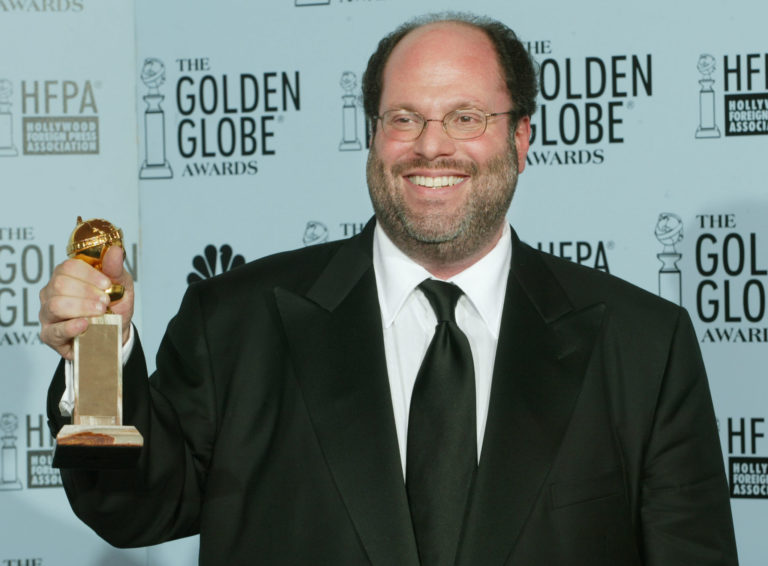
Scott Rudin Wins Tony Award After Leaving Industry Due to Bullying Claims
Scott Rudin’s Tony Award Win Amid Controversy
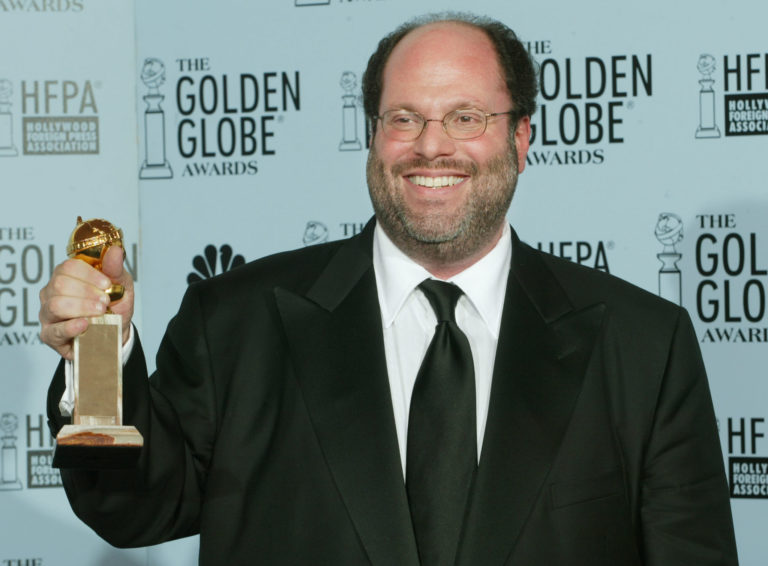
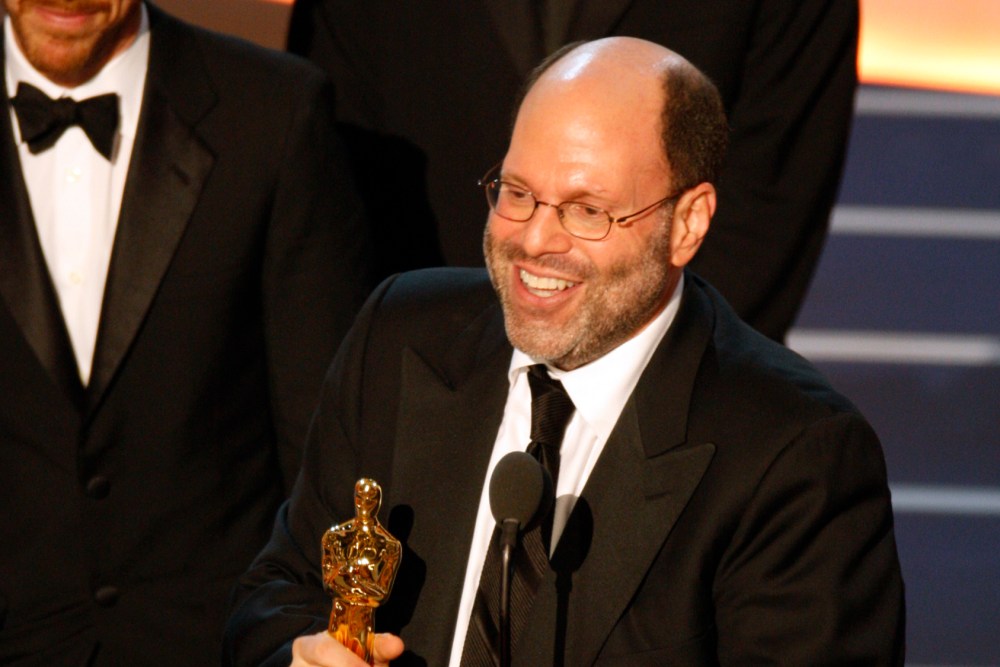
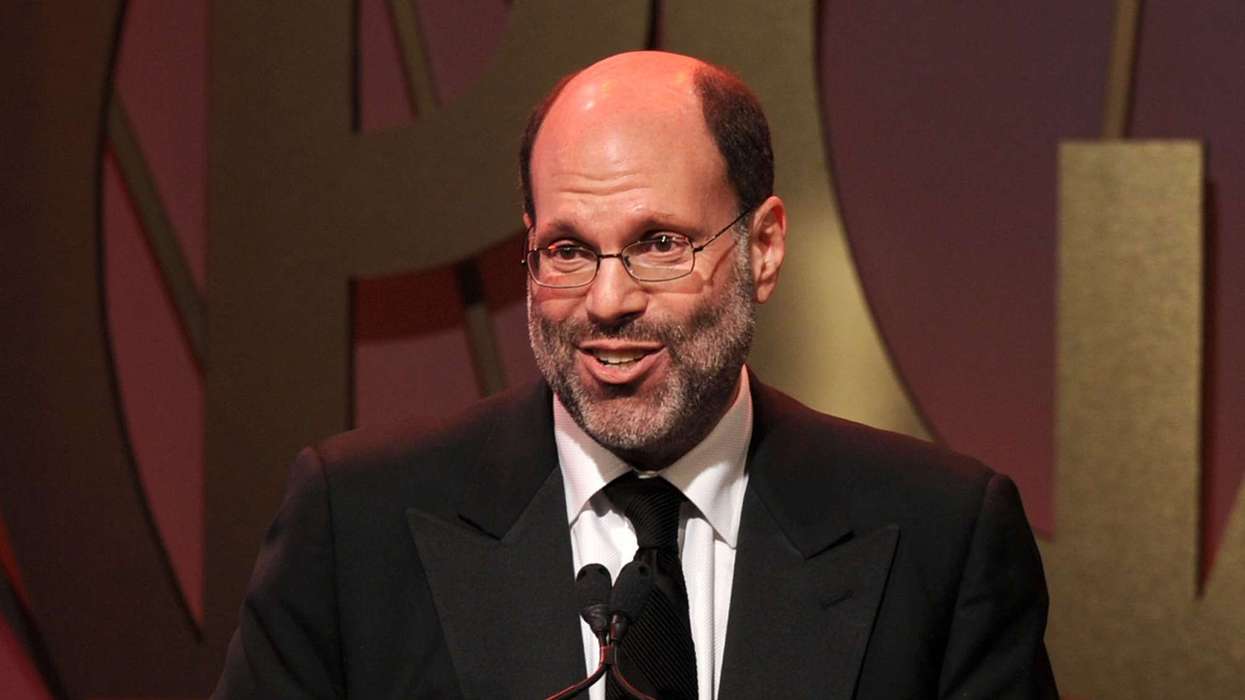
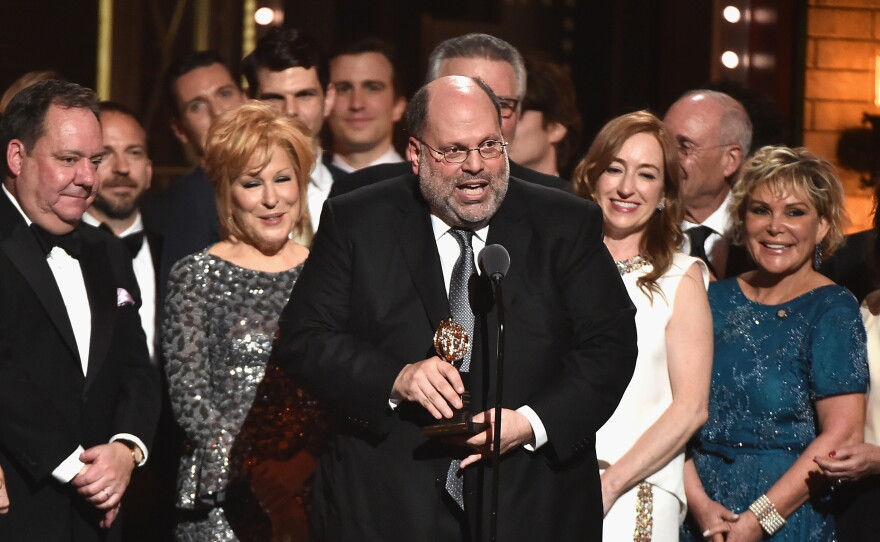
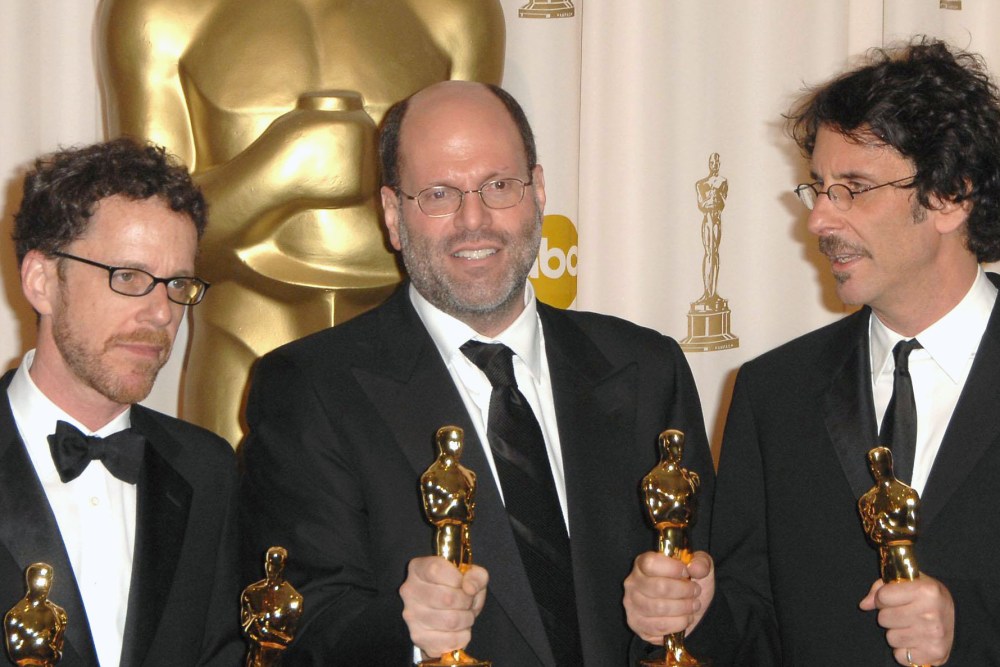
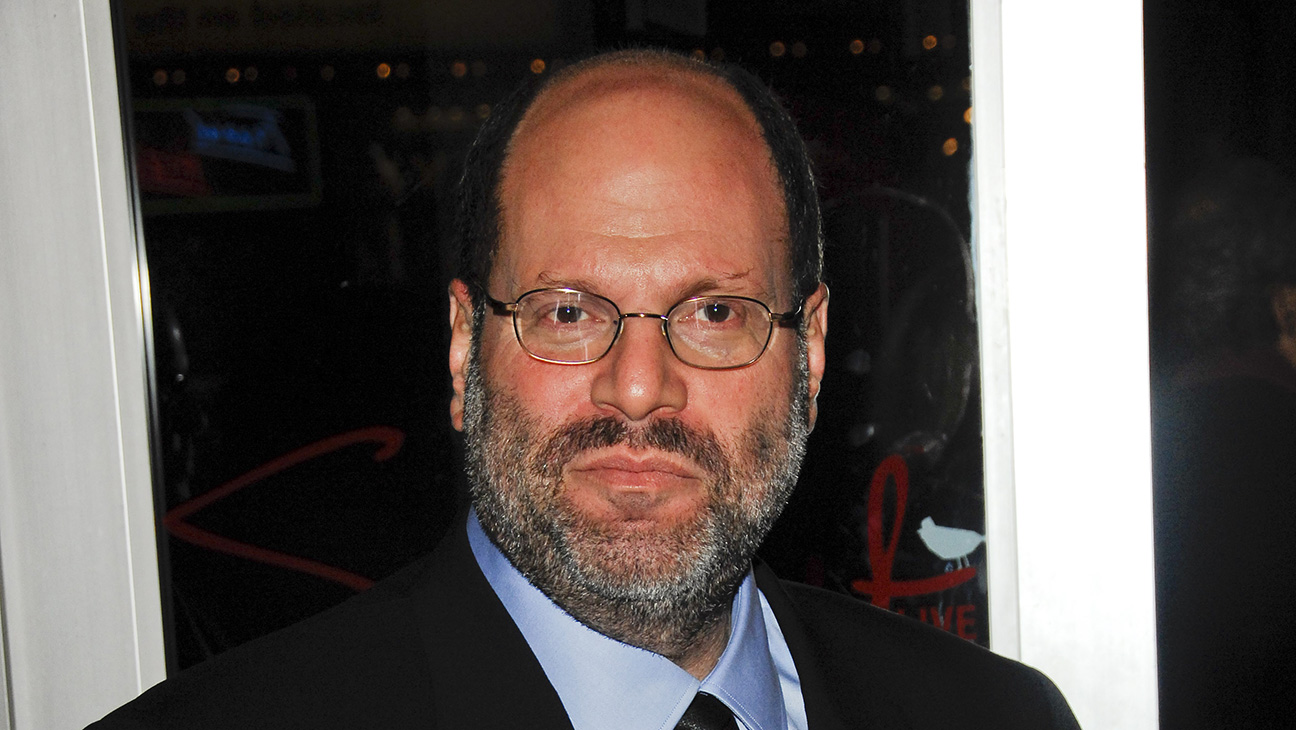
Scott Rudin, a name synonymous with Broadway’s biggest productions, recently made headlines by winning a Tony Award for the best revival of a play. This accolade came after a period of absence from the industry, following serious allegations of bullying and abusive behavior that led to his resignation from the Broadway League. Rudin’s win for the revival of Arthur Miller’s classic, Death of a Salesman, has sparked a complex conversation about redemption, accountability, and the culture within the theater community.
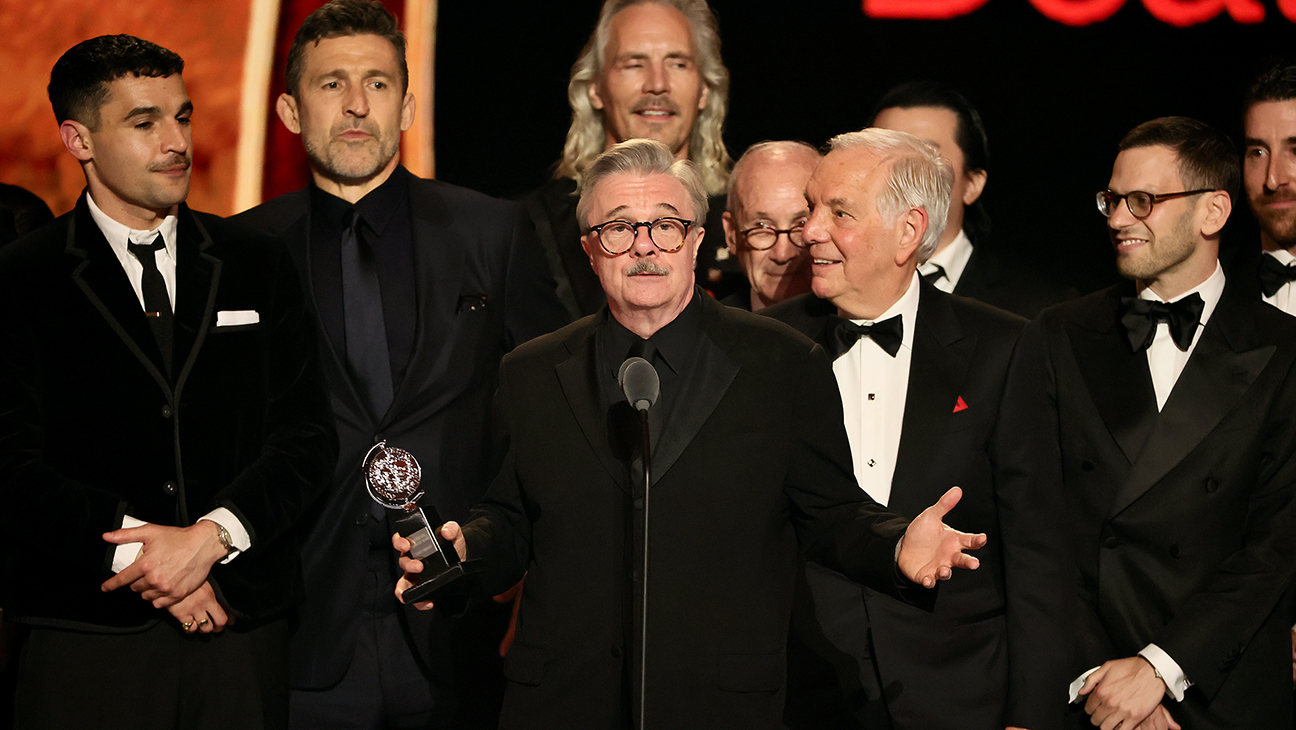
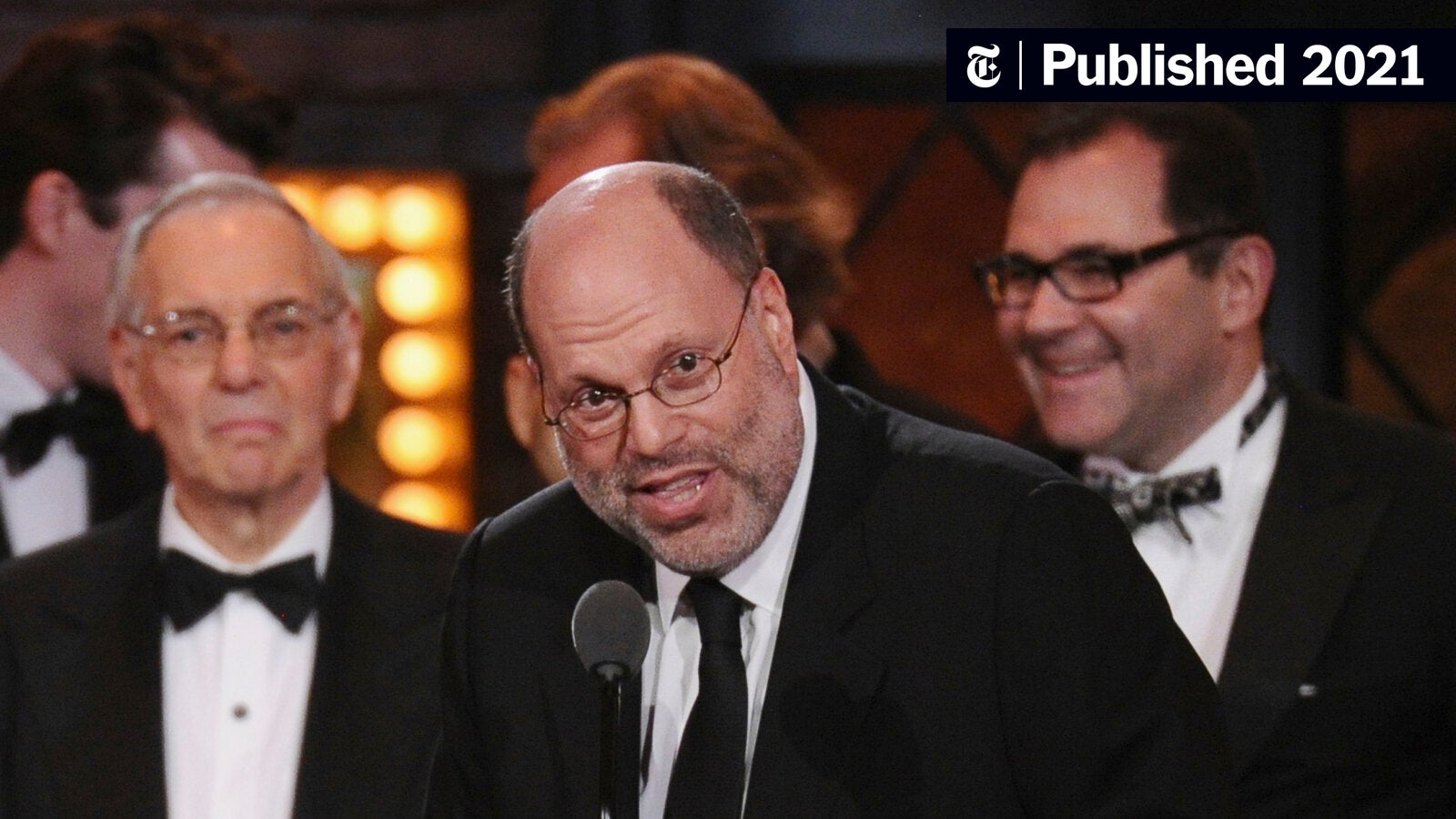
Rudin’s production of Death of a Salesman, starring Laurie Metcalf, Nathan Lane, and Christopher Abbott, was widely praised for its powerful performances and direction by Joe Mantello. Although Rudin did not attend the Tony Awards ceremony, Nathan Lane accepted the award on behalf of the production, expressing gratitude to the entire cast, crew, and creative team. Lane highlighted the timeless relevance of Miller’s masterpiece and the collective effort that brought the revival to life.
The Rise, Fall, and Return of Scott Rudin
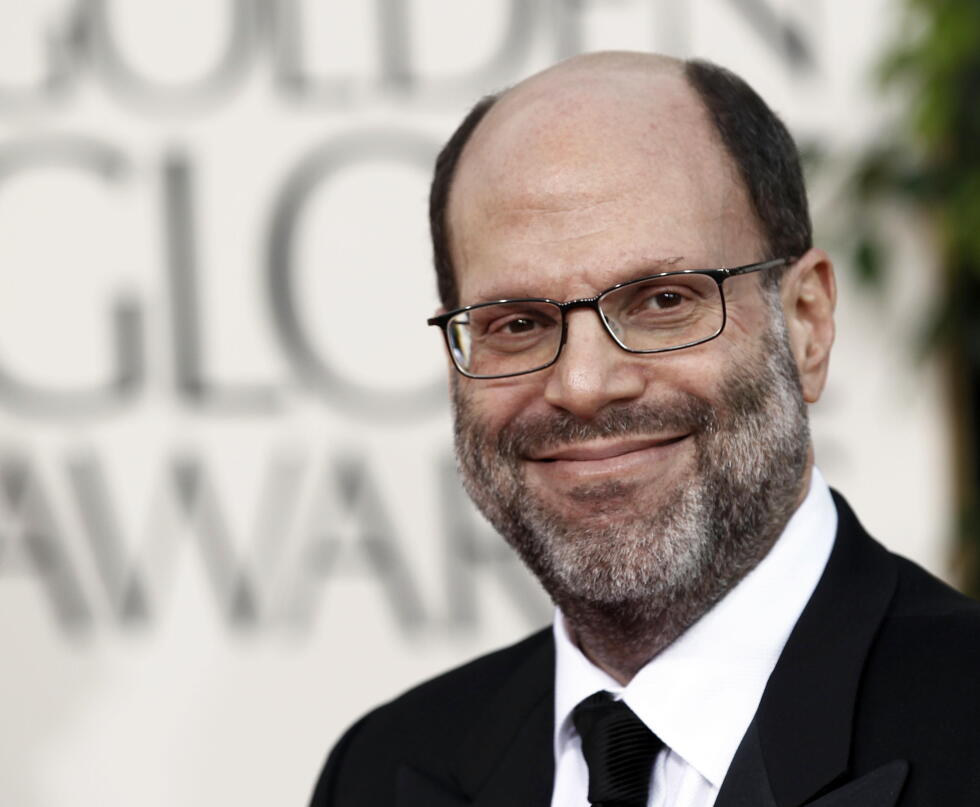
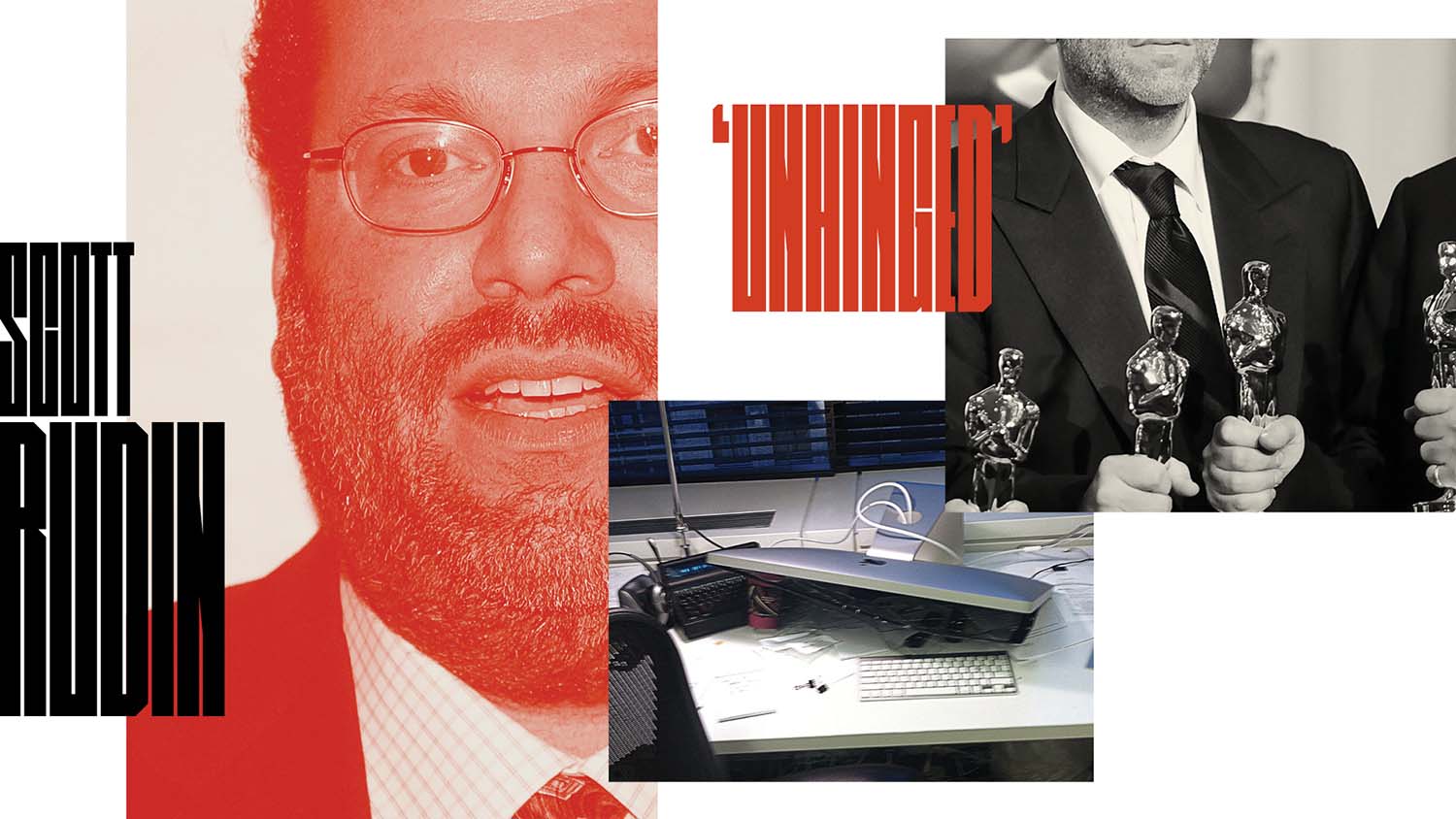
Before the controversy, Scott Rudin was a towering figure in Broadway production, known for backing both lavish musical revivals and smaller, innovative plays. His impressive portfolio included hits like The Music Man starring Hugh Jackman and Sutton Foster, and Hello, Dolly! featuring Bette Midler. However, Rudin’s career took a dramatic turn when The Hollywood Reporter published detailed accounts from former employees accusing him of bullying, verbal abuse, and even throwing objects at staff members.
The fallout was swift. Rudin resigned from the Broadway League and stepped away from producing for several years, a move that many saw as a necessary response to the growing demand for accountability in the entertainment industry. During his hiatus, Rudin quietly began a soft comeback by collaborating with friend and producing partner Barry Diller on programming for Little Island, a public park and performance space in New York City.
In recent years, Rudin has returned to Broadway, producing critically acclaimed shows including the off-Broadway production of Wallace Shawn’s What We Did Before Our Moth Days. His return has been met with mixed reactions from the theater community, with some welcoming his comeback and others expressing discomfort or opposition.
Industry Reactions and the Debate on Second Chances
The theater world remains divided over Rudin’s return. While his recent productions have garnered critical acclaim and commercial success, tensions persist beneath the surface. Laurie Metcalf, who starred in Rudin’s recent projects, reportedly had to threaten to quit the Steppenwolf Theatre Company to secure the rights for the Broadway production of Little Bear Ridge Road. The Chicago-based company initially resisted working with Rudin, reflecting ongoing unease about his involvement.
Director Joe Mantello has publicly stated that Rudin has taken accountability for his past actions and expressed belief in second chances. Mantello acknowledges that not everyone shares this view but emphasizes the importance of rehabilitation and growth. Metcalf echoed this sentiment, describing Rudin’s efforts toward therapy and reflection as part of a genuine rehabilitation process. She suggested that unless society believes true rehabilitation is impossible, individuals should be allowed the opportunity to make amends and return.
This debate highlights a broader conversation within the arts and entertainment industries about how to balance accountability with forgiveness. Rudin’s case serves as a focal point for discussions on workplace culture, power dynamics, and the potential for change.
Conclusion
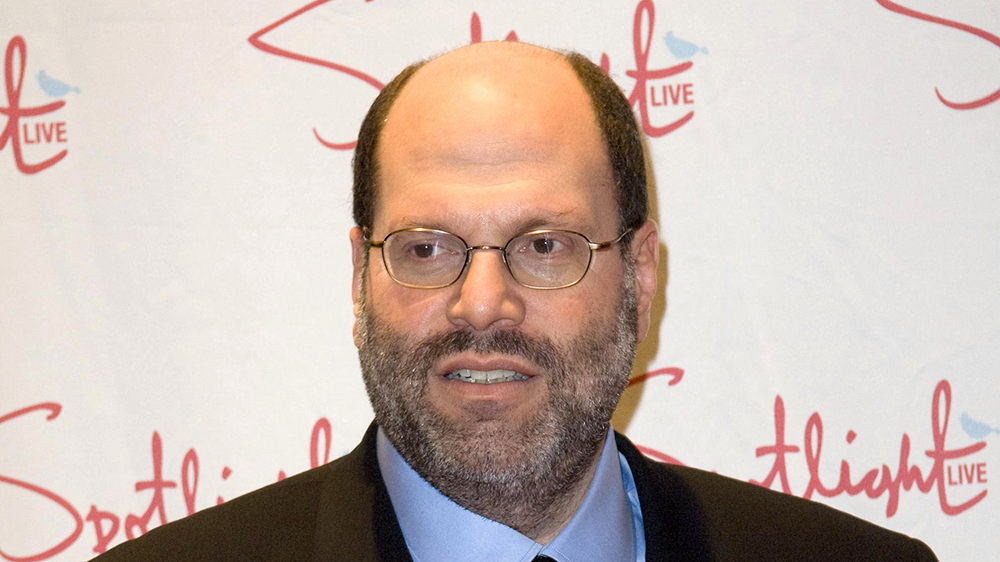
Scott Rudin’s Tony Award win after stepping away from Broadway due to bullying allegations underscores the complexities of accountability and redemption in the entertainment world. His return has reignited important conversations about how the industry handles misconduct and whether second chances are possible or appropriate. As Broadway continues to evolve, the dialogue around Rudin’s comeback serves as a reminder of the need for both justice and compassion.
If you’re interested in staying updated on the latest Broadway news and theater industry developments, be sure to subscribe to our newsletter and follow our coverage for in-depth insights and exclusive stories.