Stephen Colbert and Late Night Hosts Strike Again as His Show Nears Finale
Stephen Colbert and Late Night Hosts Unite for a Final Bow
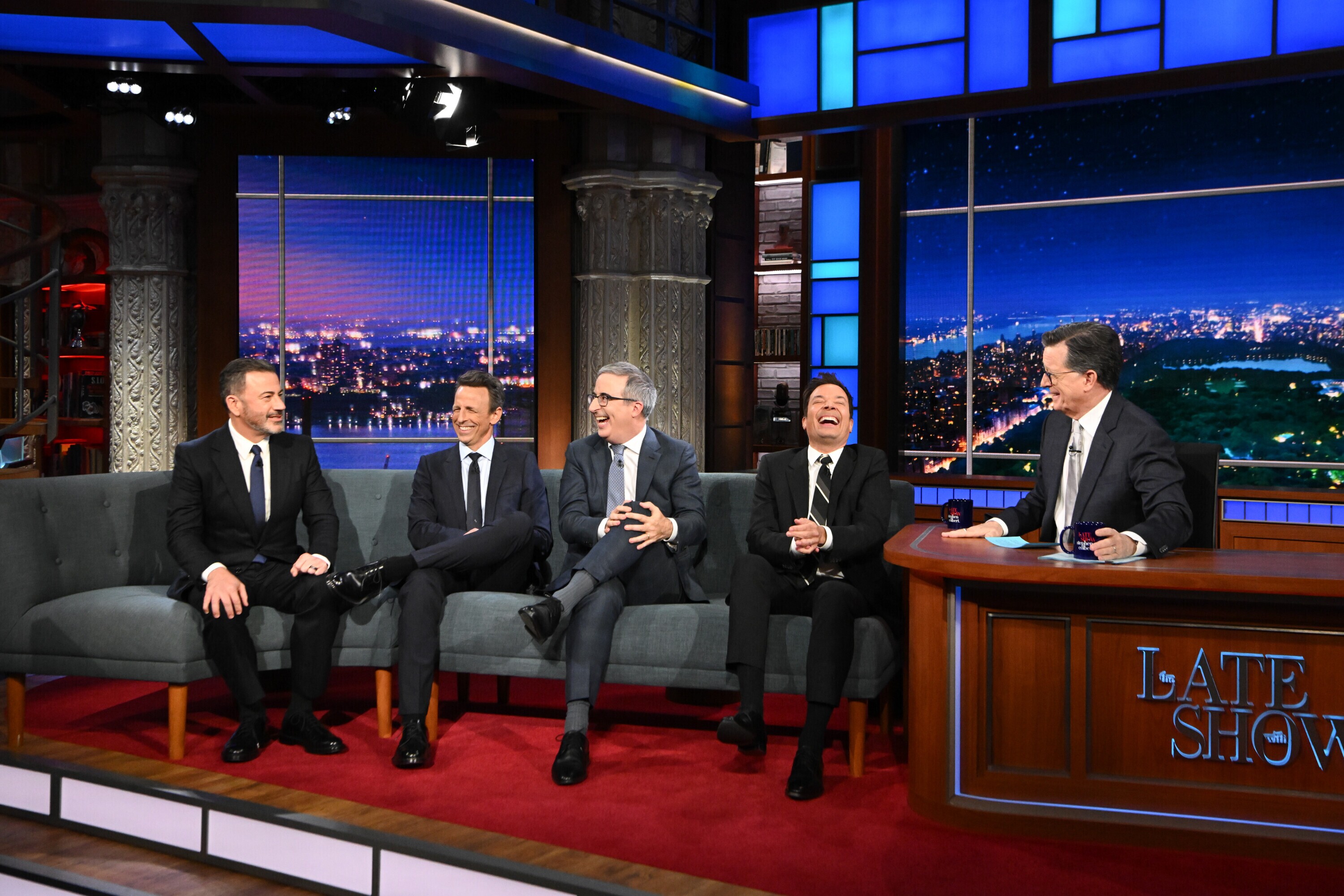
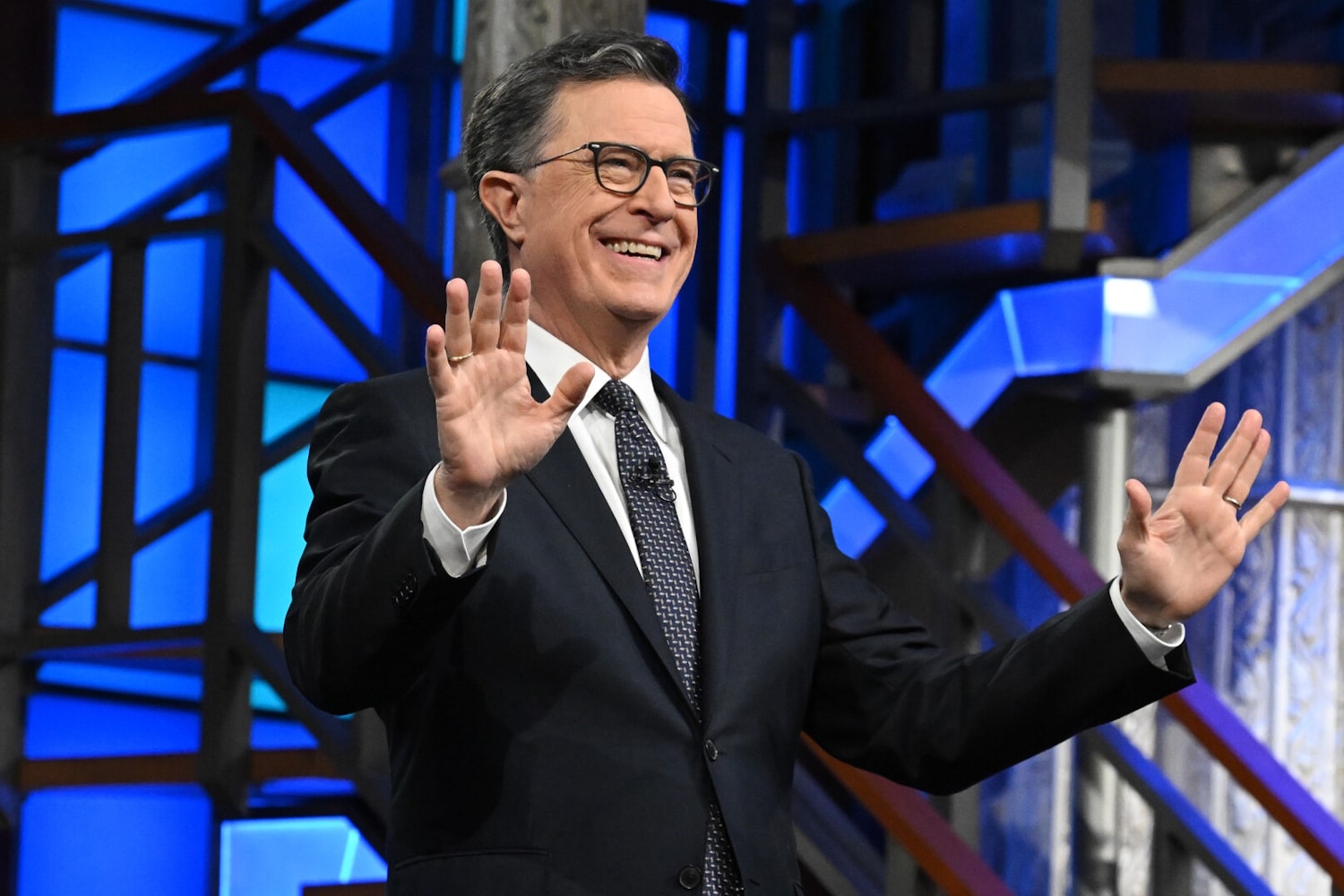
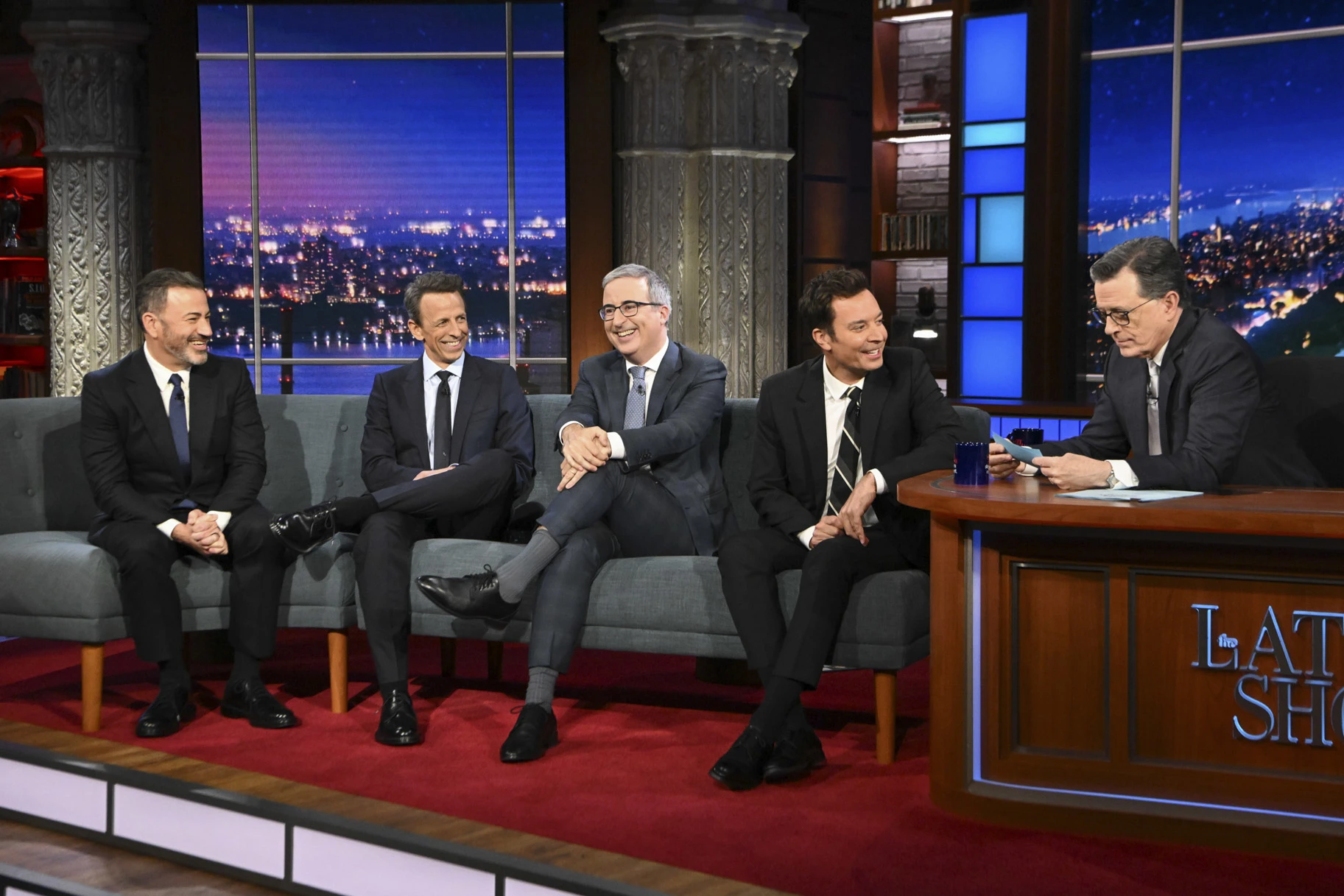
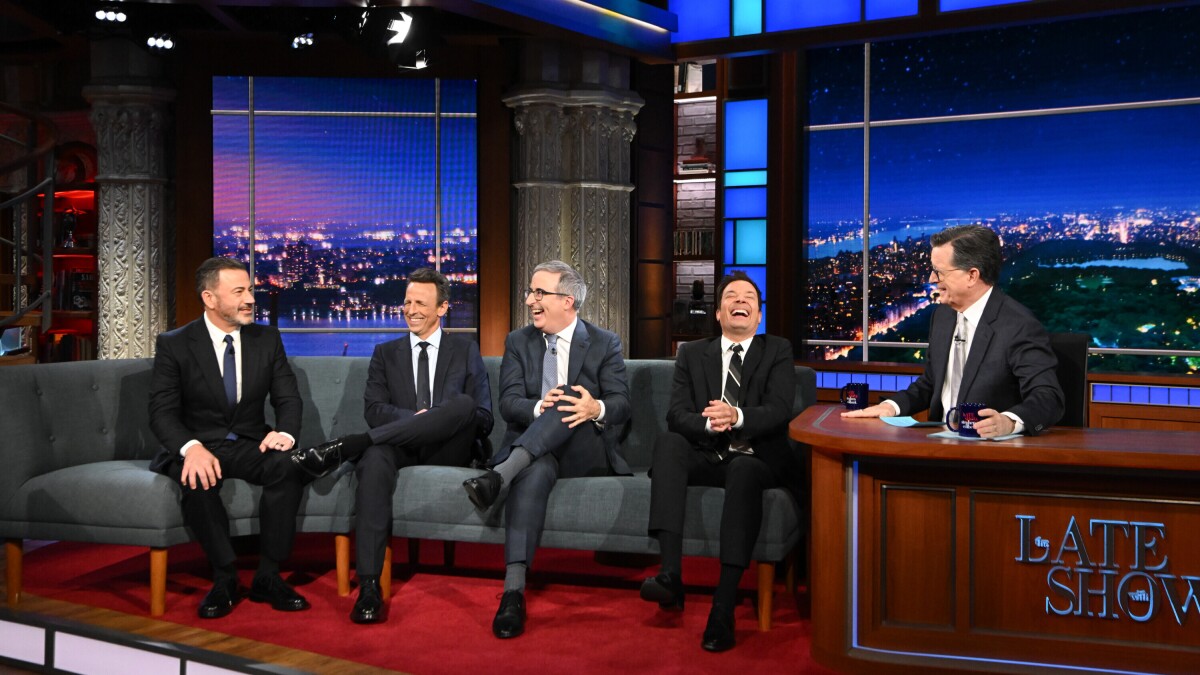
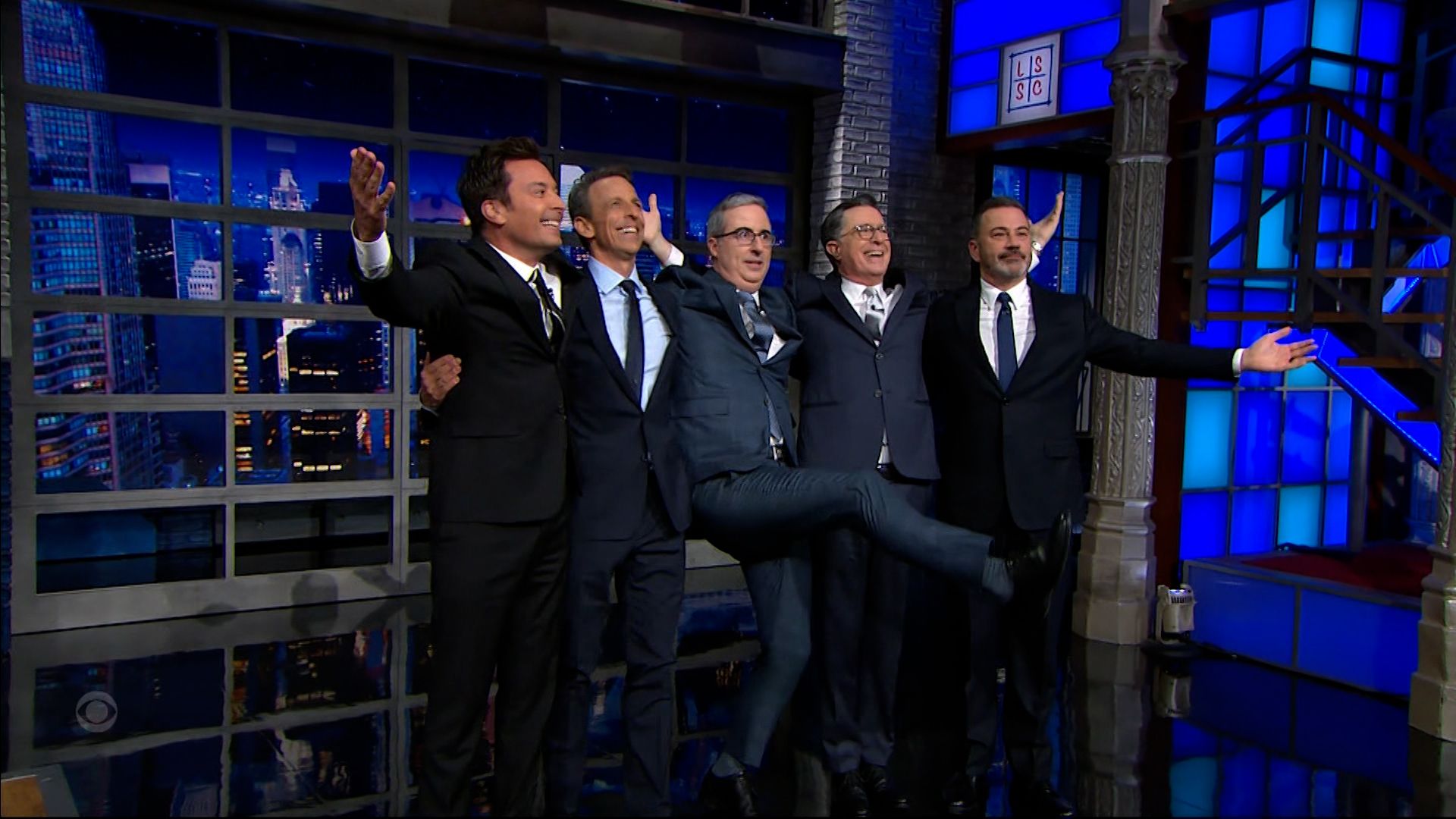
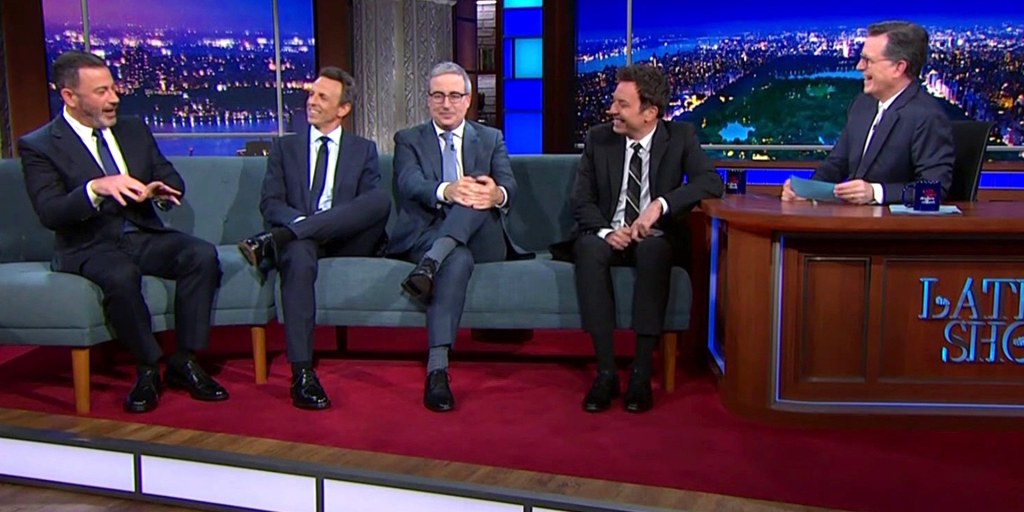
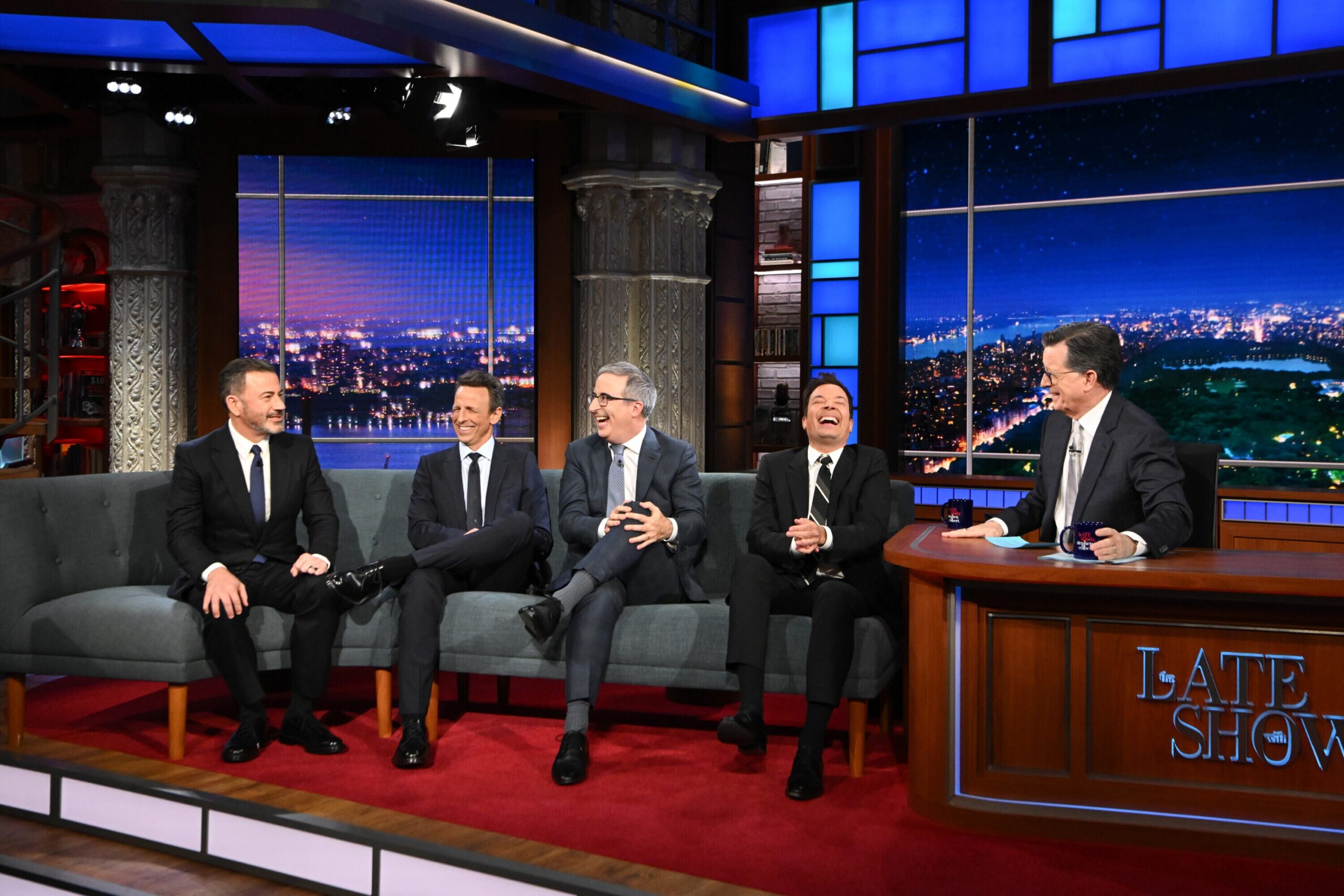
As the curtain prepares to close on The Late Show with Stephen Colbert, the celebrated host has gathered his closest late night allies for a special reunion episode. Stephen Colbert, along with fellow comedians Jimmy Kimmel, Jimmy Fallon, John Oliver, and Seth Meyers, came together to mark the end of an era on CBS and Paramount Plus. This gathering was more than just a farewell; it was a celebration of the camaraderie and resilience that has defined late night television for years.
The episode, aired on May 11, 2026, was reminiscent of the “Strike Force Five” podcast the group launched during the 2023 Writers Guild of America strike. The podcast, which ran for 12 episodes, was a creative outlet and a show of solidarity among the hosts, with proceeds supporting their staff during challenging times. This reunion episode echoed that spirit, blending humor with heartfelt reflections on their shared journey.
The Impact of Stephen Colbert’s Departure on Late Night TV
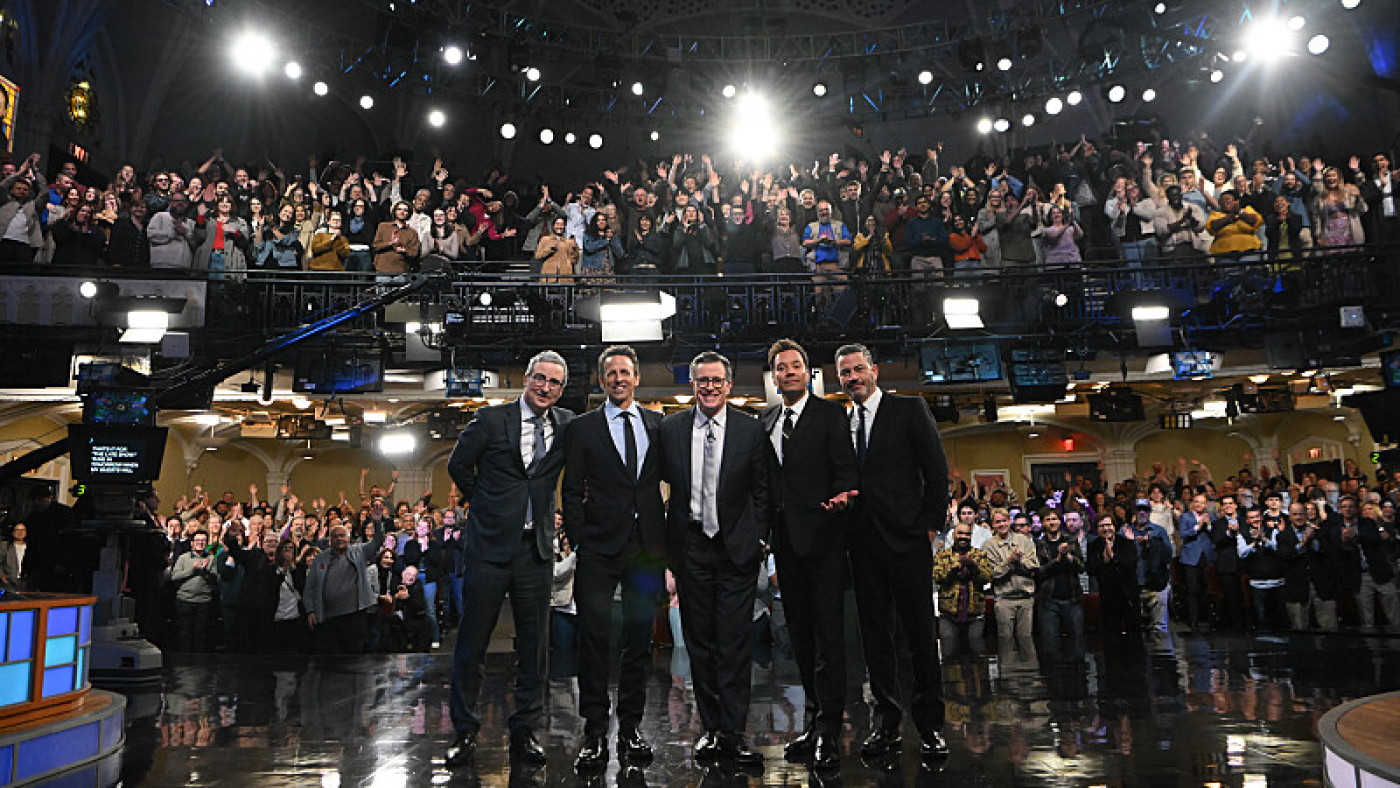
Stephen Colbert’s announcement that his show will end on May 21, 2026, has sent ripples through the late night television community. CBS cited financial reasons for the cancellation, but many viewers suspect political undertones, given Colbert’s outspoken critiques of former President Donald Trump. Throughout his tenure, Colbert has been known for his sharp political satire, often making the president a central figure in his monologues.
During the recent reunion episode, Colbert and his guests didn’t shy away from discussing the current state of late night TV. Colbert humorously noted the precarious position of late night hosts today, joking that Jon Stewart serves as the “designated survivor” in the genre. The conversation highlighted how late night shows have evolved from light entertainment to platforms that frequently engage with political and social issues, sometimes attracting significant backlash.
Jimmy Kimmel, who has also faced controversies and temporary suspensions, chimed in on the political pressures late night hosts endure. He pointed out the lack of strong fan reactions to Colbert’s cancellation, urging viewers to reconsider their support for these shows. Kimmel’s remarks underscored the challenges late night hosts face in maintaining their audiences amid political polarization and shifting media consumption habits.
Why Late Night Shows Still Matter
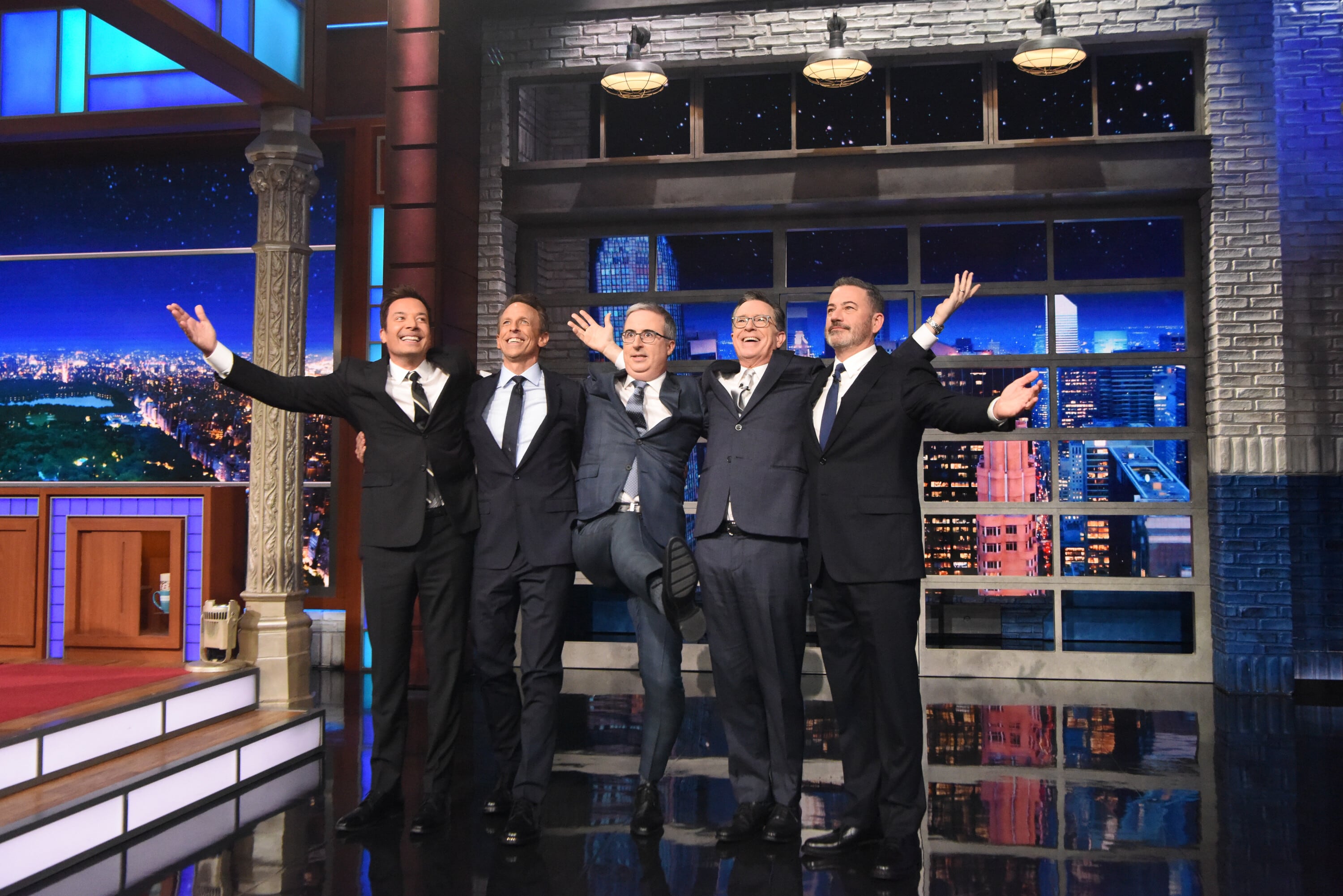
One of the most poignant moments of the reunion was when Colbert asked his fellow hosts to articulate why late night television remains relevant in today’s media landscape. The question sparked a candid discussion about the role of comedy in society. Jimmy Fallon joked about the surreal nature of their work, noting how unusual it is that the president and his family pay close attention to their shows.
Seth Meyers added a humorous twist by appreciating that the president watches their programs on linear television, highlighting the unique position late night hosts occupy in American culture. John Oliver, known for his in-depth political satire, emphasized the importance of these shows as spaces for critical commentary wrapped in humor.
The hosts collectively conveyed that late night television serves as a vital outlet for public discourse, blending entertainment with insightful critique. Their conversation reaffirmed the genre’s ability to connect with audiences on multiple levels, from laughter to reflection.
The Legacy of Stephen Colbert and the Future of Late Night
:max_bytes(150000):strip_icc():focal(599x0:601x2)/The-Late-Show-with-Stephen-Colbert-and-guest-hosts-051126-8822f7f915614e18bf694d84ab12e79a.jpg)
Stephen Colbert’s departure marks a significant turning point for late night television. Over the years, he has carved out a distinctive voice that blends sharp wit with earnest political engagement. His influence extends beyond his own show, inspiring a generation of comedians and hosts who view late night as a platform for meaningful dialogue.
The reunion episode with Jimmy Kimmel, Jimmy Fallon, John Oliver, and Seth Meyers not only celebrated Colbert’s career but also highlighted the enduring bonds among late night hosts. Their collaboration during the Writers Guild strike and their ongoing support for one another demonstrate the strength of this community.
As The Late Show with Stephen Colbert concludes, the future of late night television remains uncertain but hopeful. The genre continues to evolve, adapting to new platforms and audience expectations. The legacy left by Colbert and his peers will undoubtedly influence how late night shows balance humor, politics, and cultural commentary in the years to come.
What Fans Can Expect Next
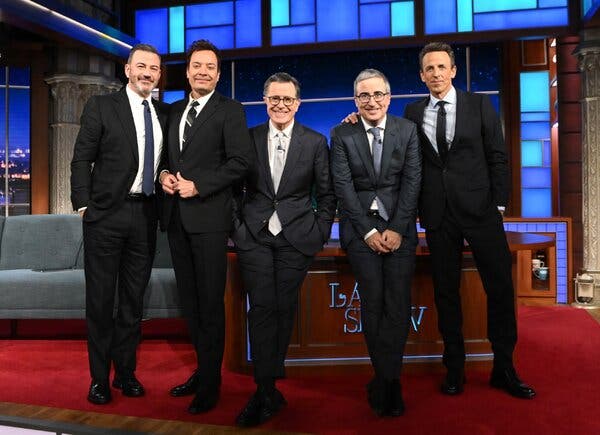
Before the final episode airs, Stephen Colbert announced that Strike Force Five will reunite once more for an “emergency” video podcast on May 13. This special event promises to bring fans together one last time to enjoy the unique chemistry and sharp wit that have defined their collaborations.
For viewers and fans of late night comedy, this reunion is a reminder of the importance of supporting the shows and hosts who provide not only entertainment but also critical perspectives on current events. As the media landscape shifts, the voices of Colbert, Kimmel, Fallon, Oliver, and Meyers remain essential.
Conclusion
Stephen Colbert’s farewell episode is more than just the end of a beloved late night show—it’s a celebration of the power of comedy to challenge, entertain, and unite. As Colbert and his fellow late night hosts strike again with their reunion, they remind us why late night television still matters in today’s world. Don’t miss the final episodes and the upcoming Strike Force Five podcast to witness this historic moment in late night history. Stay tuned, subscribe, and support your favorite hosts as they continue to shape the future of comedy and commentary.