
Sen. Mark Warner’s Daughter Dies of Juvenile Diabetes and Other Health Issues at 36
Madison Warner’s Battle with Juvenile Diabetes

Madison Warner, the daughter of U.S. Senator Mark Warner (D-Va.), tragically passed away at the age of 36 after enduring a decades-long struggle with juvenile diabetes and other related health issues. The senator’s office released a heartfelt statement expressing profound grief over the loss of their beloved daughter. According to Senator Warner and his wife, Lisa Collins, Madison’s passing leaves an immeasurable void in their lives, as she was a source of love and laughter for the entire family.
Juvenile diabetes, also known as Type 1 diabetes, is a chronic condition where the pancreas produces little or no insulin. Managing this disease requires constant vigilance, including regular insulin injections, blood sugar monitoring, and lifestyle adjustments. Despite advances in treatment, living with Type 1 diabetes can be incredibly challenging and often leads to serious health complications over time. Madison’s long battle with this condition highlights the ongoing struggles faced by many individuals living with juvenile diabetes.
Senator Warner’s Advocacy for Diabetes Awareness and Support

Senator Warner has been a vocal advocate for people living with Type 1 diabetes, motivated by his personal connection to the disease through his daughter. In 2019, he publicly shared a BuzzFeed article that detailed the difficulties faced by Americans managing juvenile diabetes, emphasizing the urgent need for affordable insulin and better healthcare policies. He called on Congress and pharmaceutical companies to take action to ensure insulin is accessible to all who need it.
This advocacy reflects the broader challenges faced by millions of Americans who rely on insulin daily. The high cost of insulin has been a significant barrier for many, leading to dangerous rationing and health risks. Senator Warner’s efforts to raise awareness and push for legislative change underscore the importance of addressing these systemic issues to improve the quality of life for those affected by juvenile diabetes.
Outpouring of Support from Political Leaders and Community
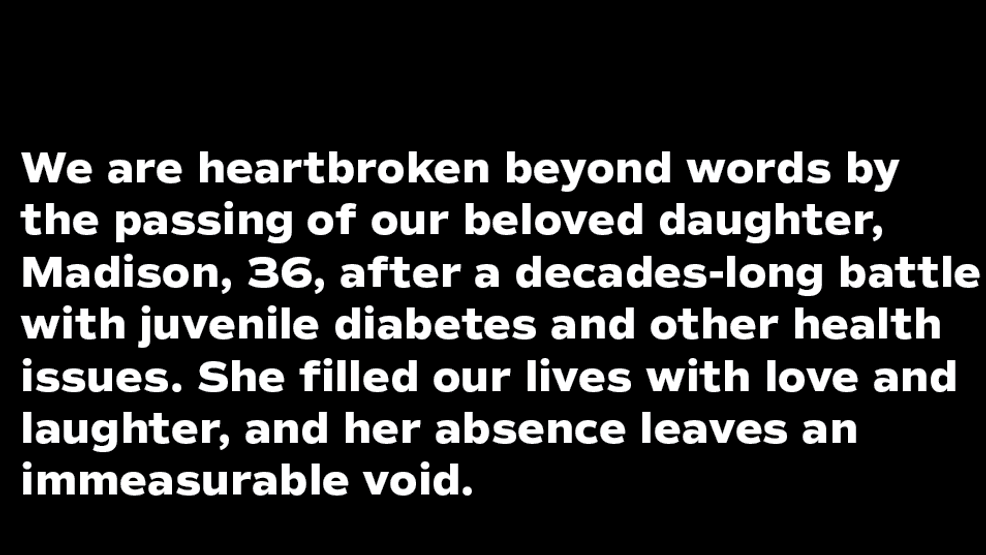
Following the announcement of Madison Warner’s passing, condolences poured in from across the political spectrum, demonstrating the widespread respect and sympathy for the Warner family during this difficult time. Vice President JD Vance, despite political differences with Senator Warner, expressed his family’s prayers and support, acknowledging the tragedy of losing someone so young.
Virginia Governor Abigail Spanberger also extended her deepest condolences, recognizing the pain felt by the Warner family and Madison’s siblings. Other senators, including Mike Lee of Utah and Tim Kaine of Virginia, shared heartfelt messages, emphasizing their prayers and support for the family. Senator Kaine, who has known the Warners for decades, recalled fond memories of Madison and highlighted the close bond between the senator and his daughters.
The Impact of Juvenile Diabetes on Families

The loss of Madison Warner brings attention to the profound impact juvenile diabetes has not only on individuals but also on their families. Managing a chronic illness like Type 1 diabetes requires constant care and emotional resilience from both patients and their loved ones. Families often face ongoing stress related to medical appointments, emergency situations, and the financial burden of treatment.
Moreover, the emotional toll of watching a loved one struggle with a lifelong condition can be overwhelming. The Warner family’s public acknowledgment of their grief and request for privacy underscores the deeply personal nature of coping with such a loss. Their experience serves as a reminder of the importance of community support and understanding for families affected by chronic illnesses.
Raising Awareness and Encouraging Research

Madison Warner’s story highlights the critical need for continued research into juvenile diabetes and improved treatments. While current therapies help manage the disease, there is no cure for Type 1 diabetes, and complications can still arise despite careful management. Increased funding for research can lead to better technologies, such as advanced insulin delivery systems and potential cures.
Public awareness campaigns also play a vital role in educating people about the realities of living with juvenile diabetes. By sharing personal stories like Madison’s, advocates can foster greater empathy and support for affected individuals and families. This, in turn, can drive policy changes aimed at improving healthcare access and affordability.
Conclusion
The passing of Madison Warner is a heartbreaking reminder of the challenges faced by those living with juvenile diabetes and the profound impact on their families. Senator Mark Warner’s advocacy for affordable insulin and greater support for diabetes patients continues to be a vital part of his public service. As the Warner family mourns their loss, the broader community is called to action to support diabetes research, raise awareness, and ensure that no one has to face this disease alone.
If you or someone you know is affected by juvenile diabetes, consider joining advocacy groups or supporting organizations dedicated to diabetes research and patient assistance. Together, we can honor Madison’s memory by working towards a future where juvenile diabetes is no longer a life-threatening condition.