
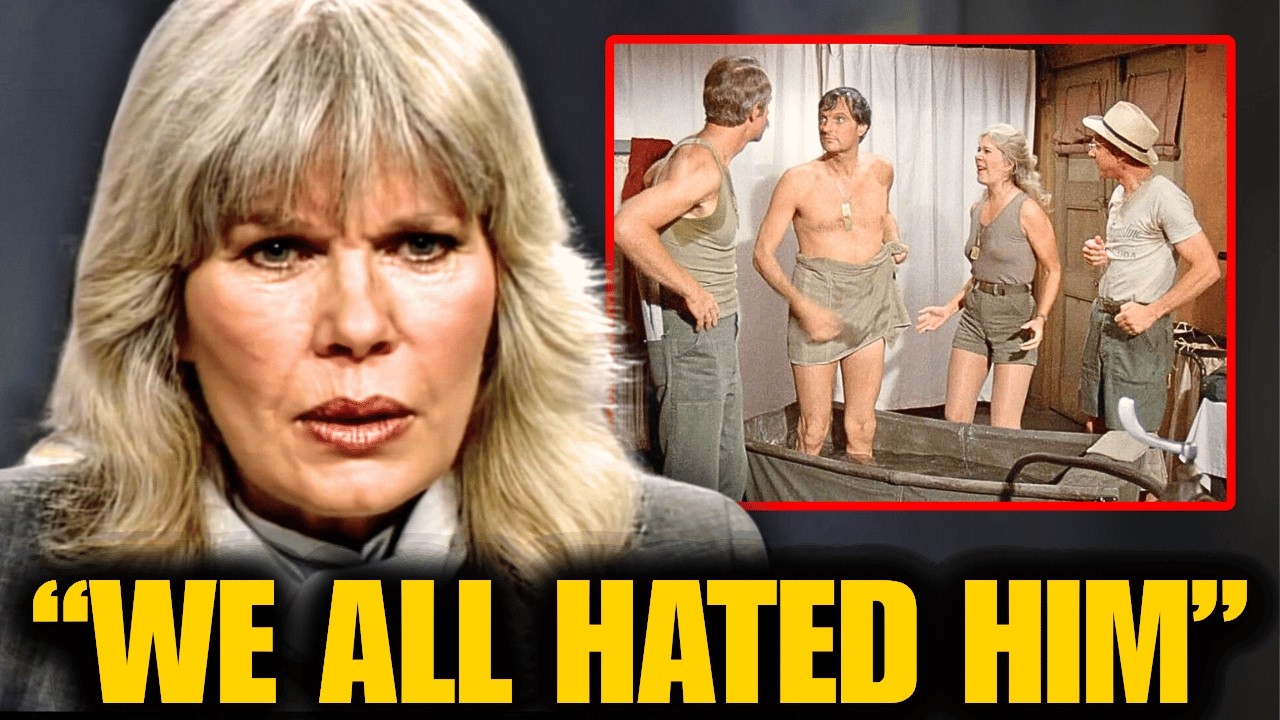
Why So Many M*A*S*H Cast Members Left the Show
The Real Reasons Behind Cast Departures from M*A*S*H
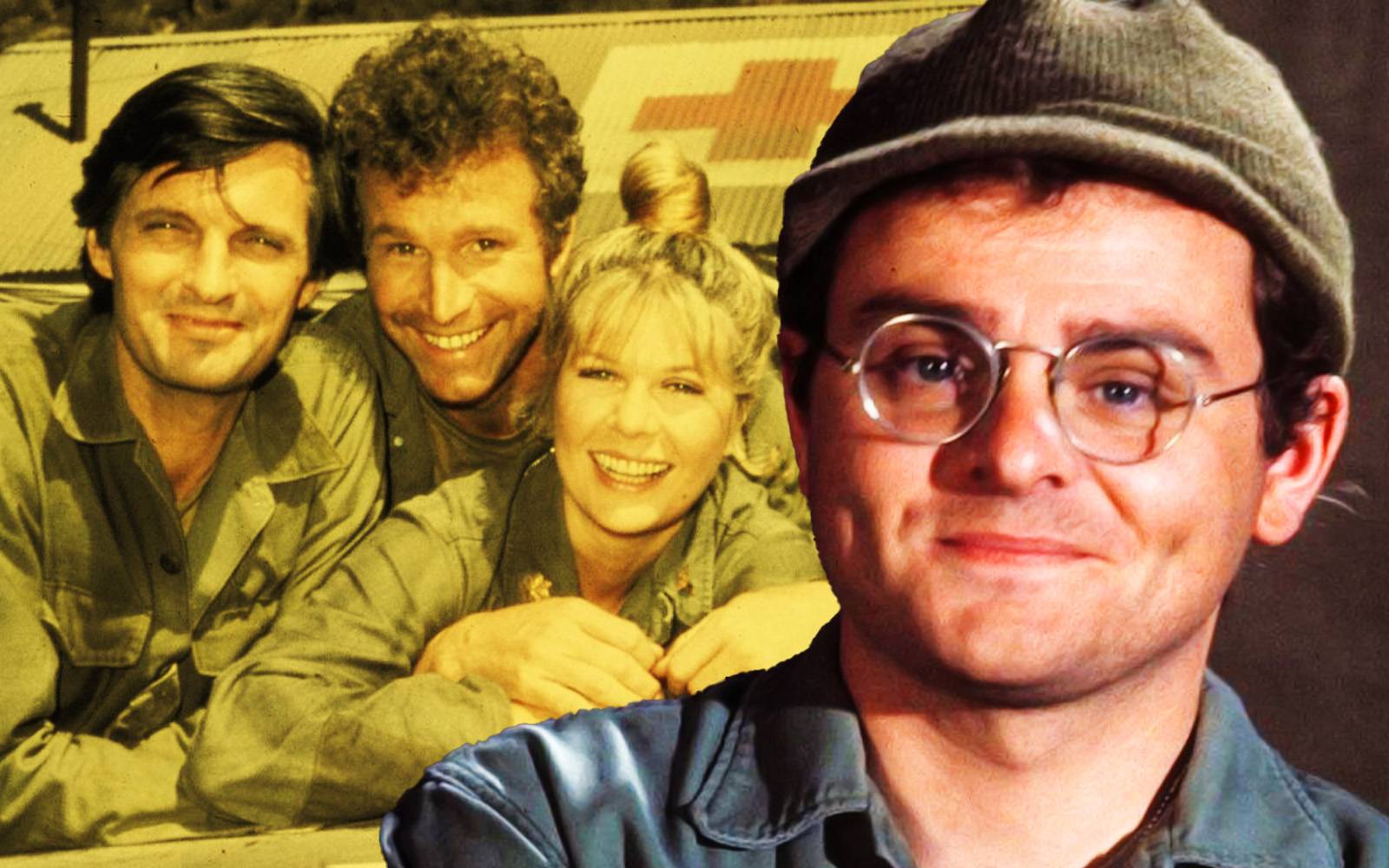
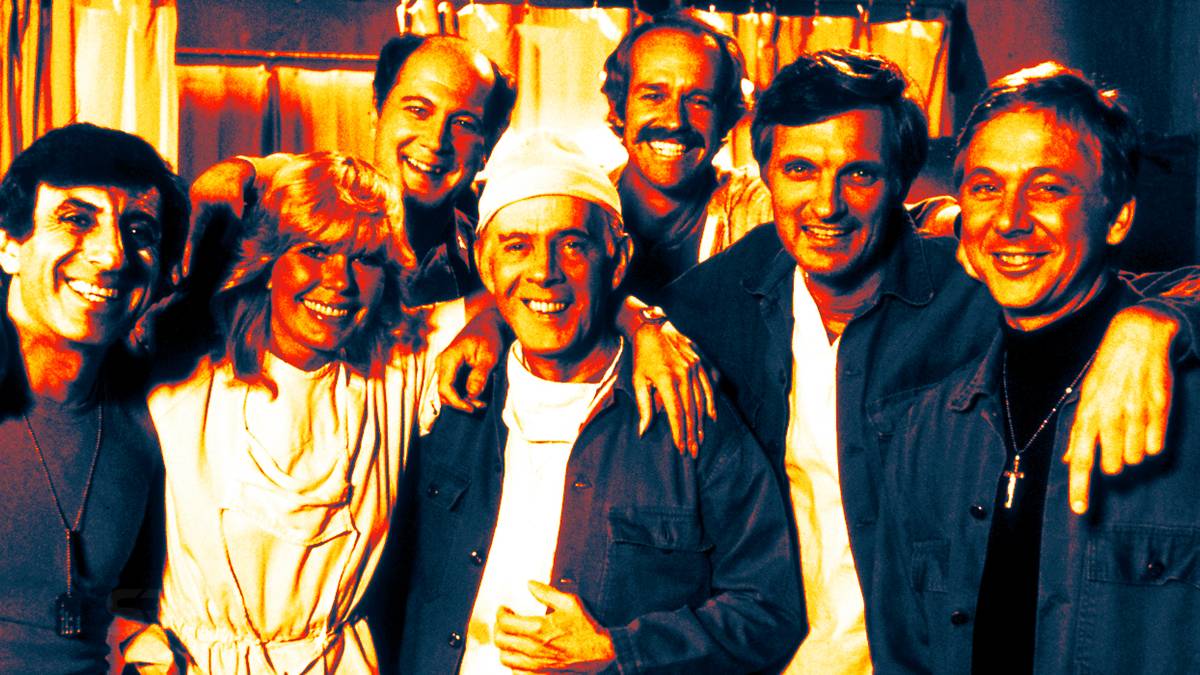
Airing from 1972 to 1983, the groundbreaking television series MASH became a cultural phenomenon that blended comedy and drama against the backdrop of the Korean War. Over its 11-season run, the show featured a memorable ensemble cast whose performances helped cement its place in TV history. However, despite its success, many cast members left the series before its conclusion. Understanding why so many MASH cast members left the show requires exploring a combination of factors, including creative decisions, actor burnout, and shifts in the show’s tone.
Early Recasting and Character Changes
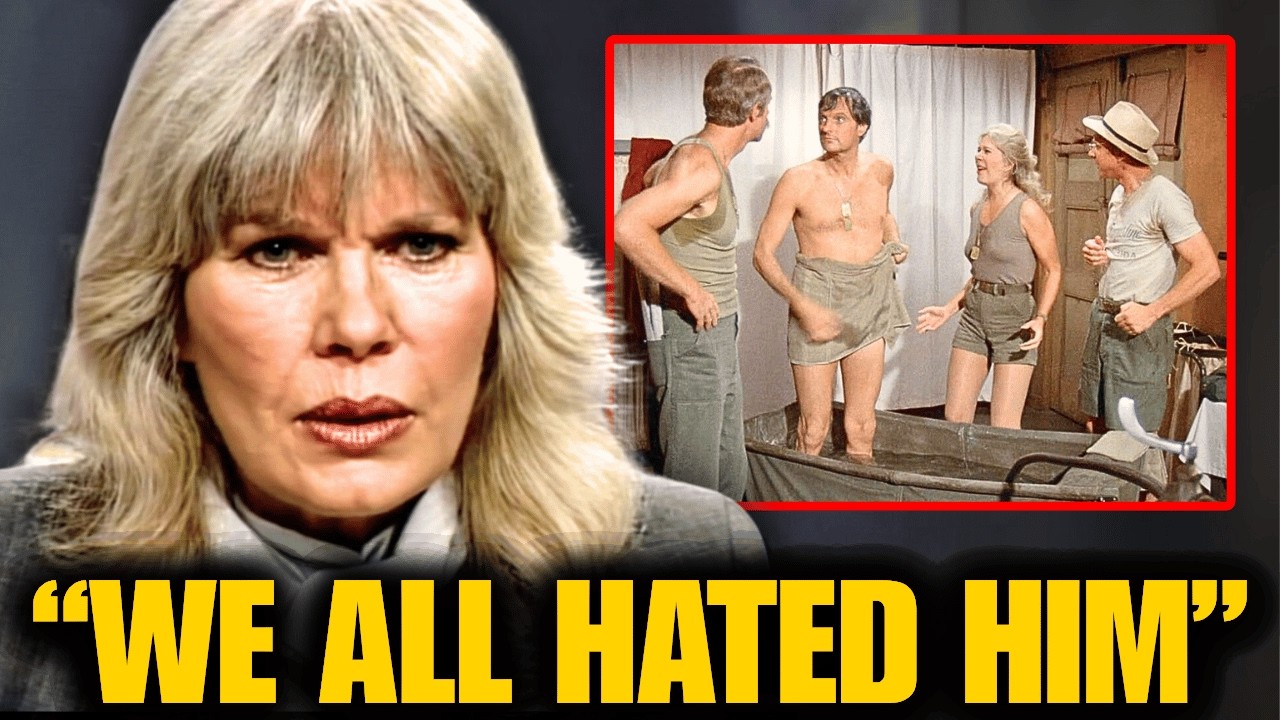
Not all cast departures were gradual or due to actors’ personal choices. Some changes happened abruptly, even before the series fully took off. For example, the character of Father Mulcahy was originally played by George Morgan in the pilot episode but was quickly recast with William Christopher. The show’s creators felt Christopher brought a quirkier, more natural fit to the role, which better matched the evolving tone of the series.
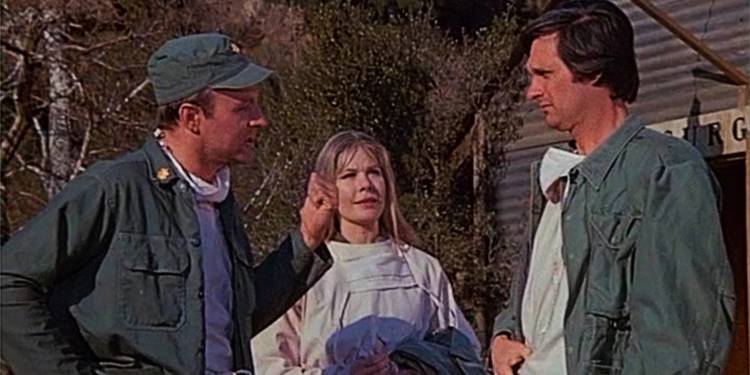
Similarly, some characters who initially resonated with audiences eventually became less fitting as the show’s tone shifted from lighthearted comedy to a more dramatic narrative. Colonel Samuel Flagg, portrayed by Edward Winter, was a recurring character whose exaggerated antics clashed with the series’ later, more serious direction. As a result, his appearances dwindled, and he was phased out by Season 7.
Actors Seeking New Opportunities and Creative Fulfillment
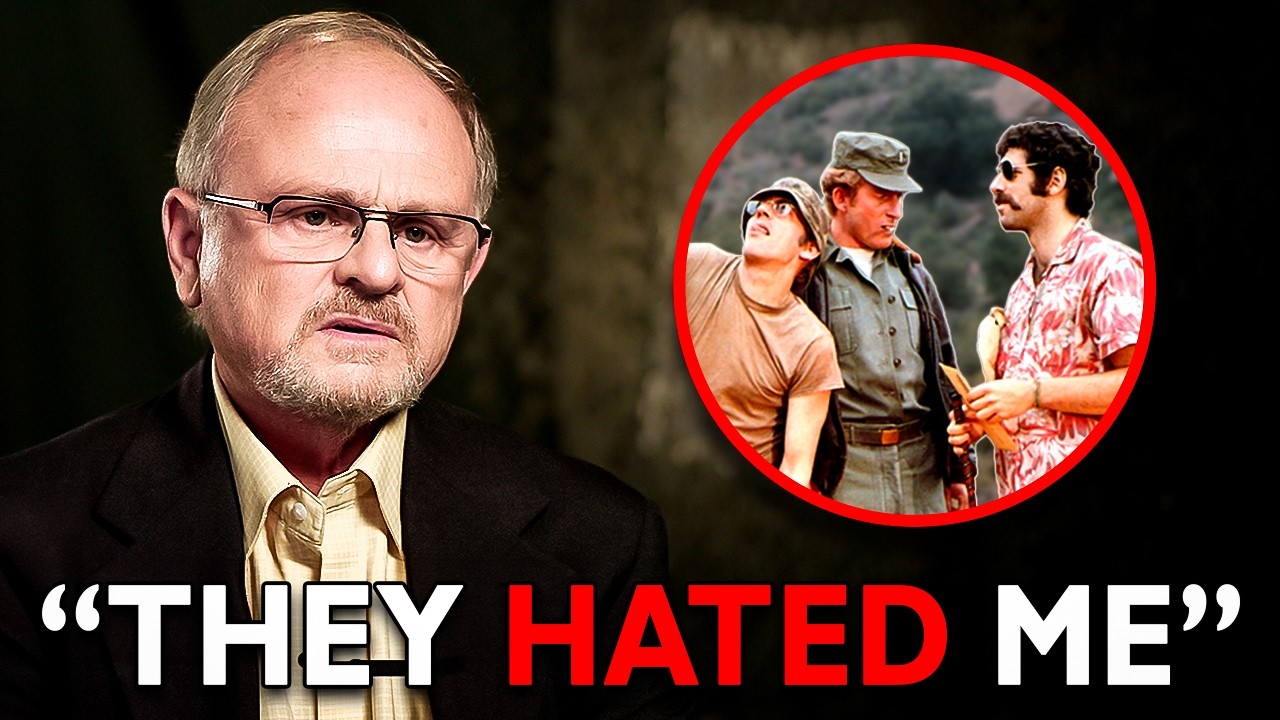
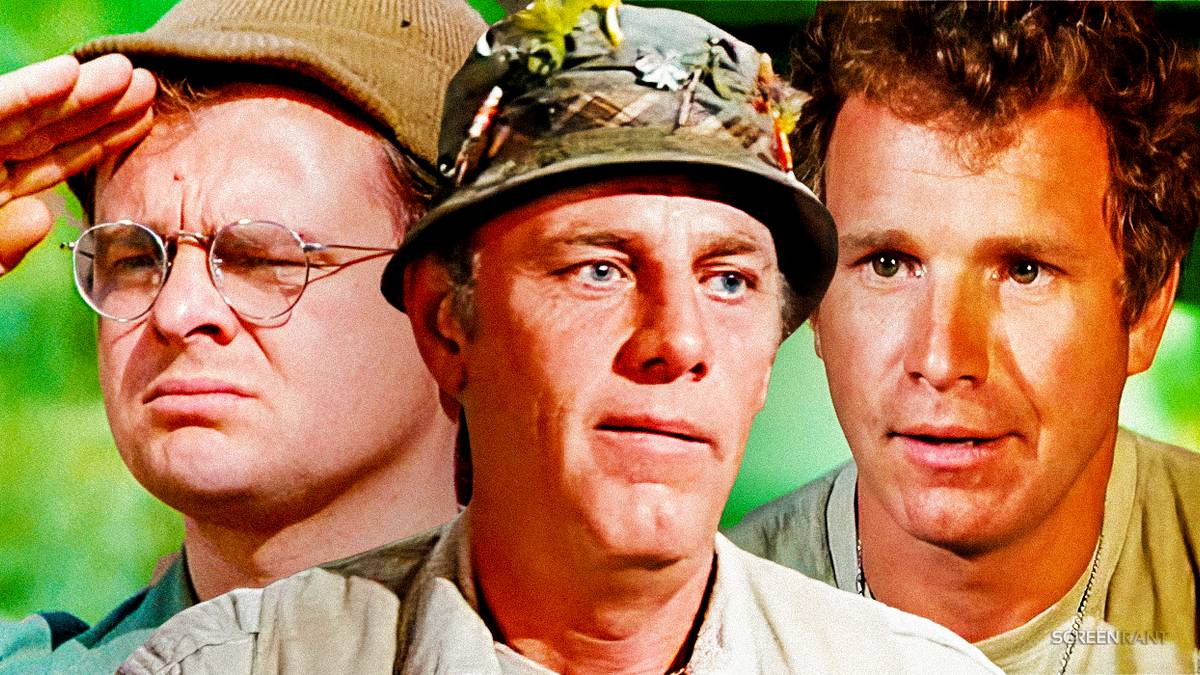
One of the primary reasons many MAS*H cast members left was the desire to pursue new roles and avoid being typecast. The demanding production schedule of a long-running TV series often leaves actors feeling creatively stifled or exhausted. Gary Burghoff, who played the beloved Corporal Walter “Radar” O’Reilly, left after eight seasons due to the grueling workload and a wish to explore other aspects of his identity beyond the show.
Similarly, Larry Linville, who portrayed the antagonistic Major Frank Burns, chose to exit after five seasons. Linville reportedly grew tired of playing a character whose over-the-top hostility no longer fit the evolving tone of MAS*H. His departure allowed the show to focus on other dynamics and characters better suited to its dramatic shift.
High-Profile Departures and Their Impact
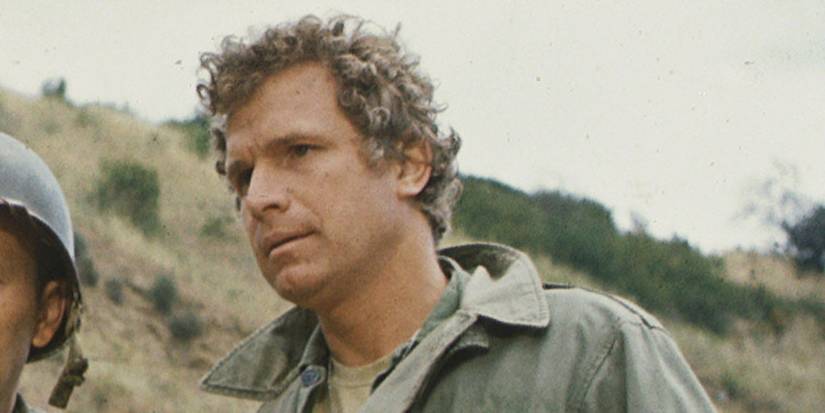
Some cast members left under more dramatic circumstances that had a lasting impact on the series and its fans. McLean Stevenson, who played Colonel Henry Blake, was one of the first major characters to leave. Stevenson reportedly grew frustrated with being part of an ensemble cast and sought a starring role elsewhere. His character’s unexpected on-screen death shocked audiences and marked a turning point in the series, signaling a willingness to tackle more serious themes.
Wayne Rogers, who played Trapper John McIntyre, also departed after the third season. Rogers felt overshadowed by Alan Alda’s character Hawkeye Pierce, who increasingly became the show’s focal point. Despite threats of legal action from producers, Rogers was able to leave, and his character was written out with an honorable discharge off-screen.
The Toll of Longevity on Cast Members
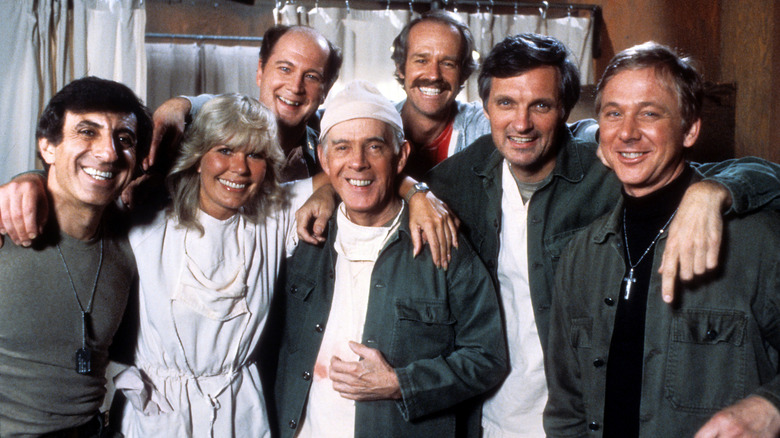
Long-running shows like MAS*H often face cast turnover simply due to their extended duration. Actors may find it challenging to commit to a single role for over a decade, especially when the show’s direction changes or when they seek personal growth. The demanding filming schedules can also take a toll on actors’ well-being and personal lives.
MAS*H was no exception. As the series progressed, some actors became weary of their characters or the repetitive nature of their roles. This natural attrition is common in television, where longevity can be both a blessing and a curse for cast members.
Conclusion
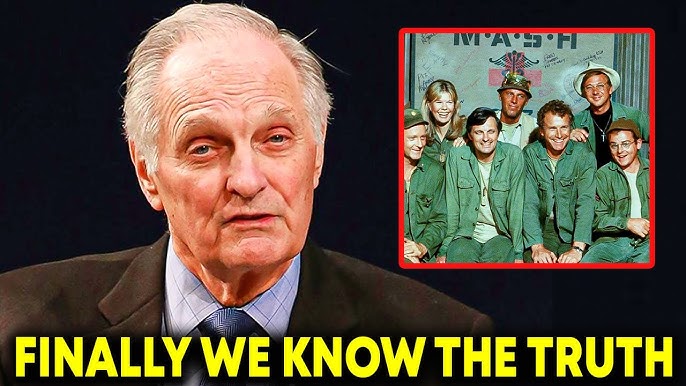
The reasons why so many MASH cast members left the show are varied and complex, ranging from creative differences and personal ambitions to the natural challenges of a long-running series. These departures, while sometimes difficult for fans, contributed to the evolving narrative and tone of the show, helping it remain fresh and relevant throughout its 11 seasons. If you’re a fan of classic television or interested in the behind-the-scenes stories of iconic shows, exploring the cast changes in MASH offers fascinating insights into the challenges and triumphs of television production. Don’t miss out on more in-depth articles about your favorite shows—subscribe now for the latest updates and exclusive content!
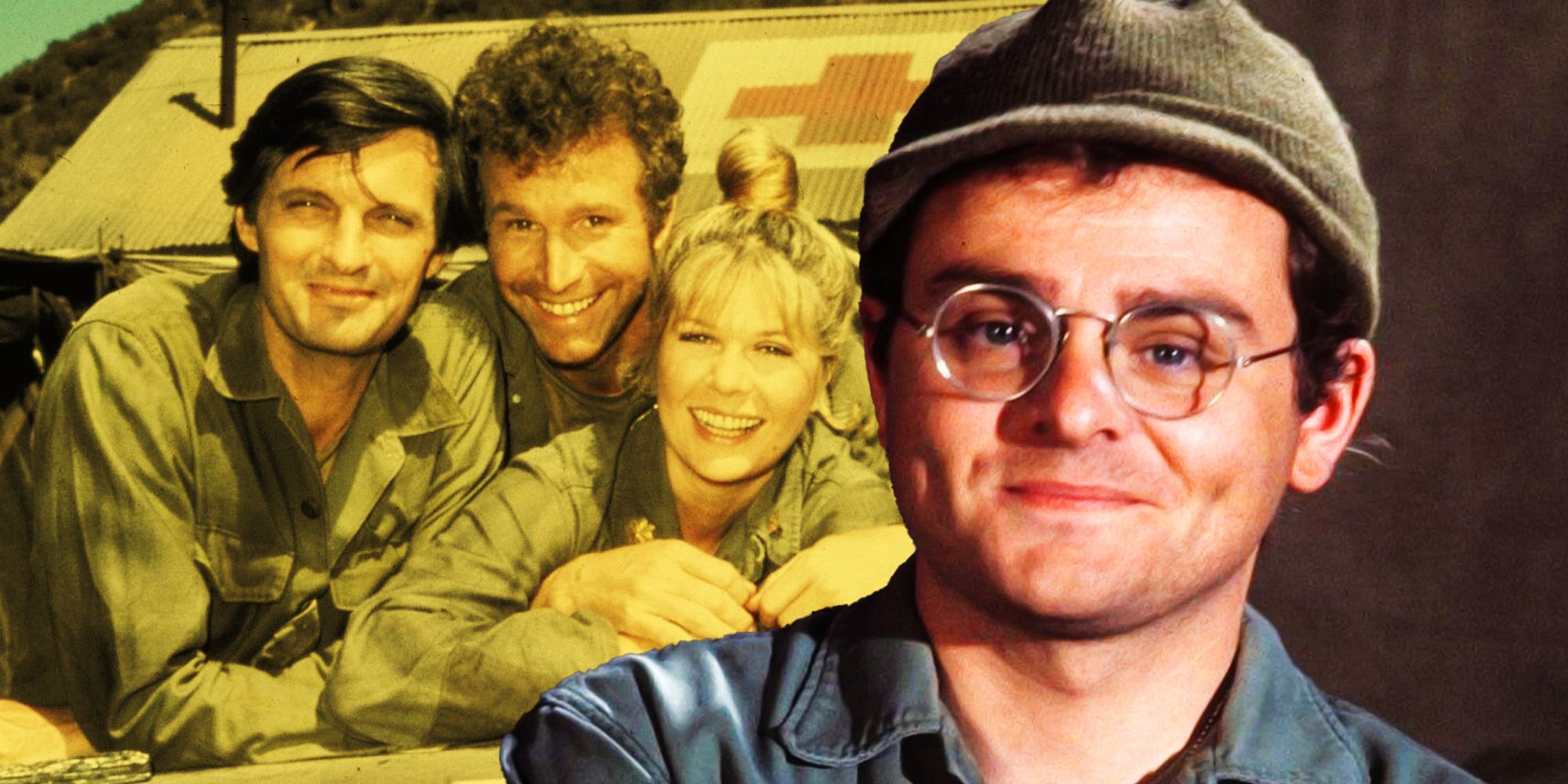
:max_bytes(150000):strip_icc():focal(745x410:747x412)/mash-cast-Mike-Farrell-David-Ogden-Stiers-Alan-Alda-Jamie-Farr-Loretta-Swit-William-Christopher-Harry-Morgan-012925-1dd82535a725491eb35939c8019c1ef6.jpg)
:max_bytes(150000):strip_icc():focal(749x0:751x2)/Larry-Linville-013025jpg-f3b0be49dab64a3f87bd0de70f85796b.jpg)