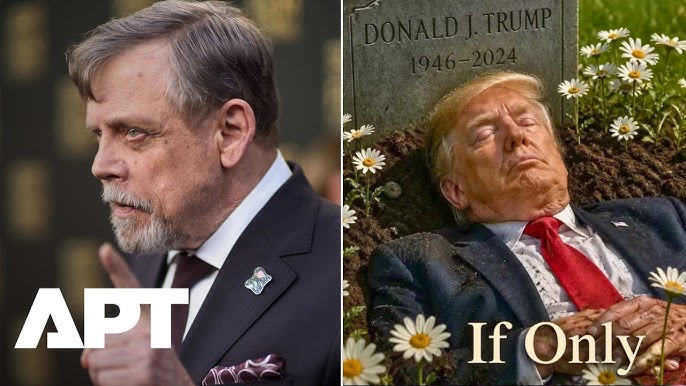
White House Calls Mark Hamill ‘Sick’ After His Post with AI Image of Trump in a Grave
Mark Hamill’s Controversial AI Image Sparks White House Backlash
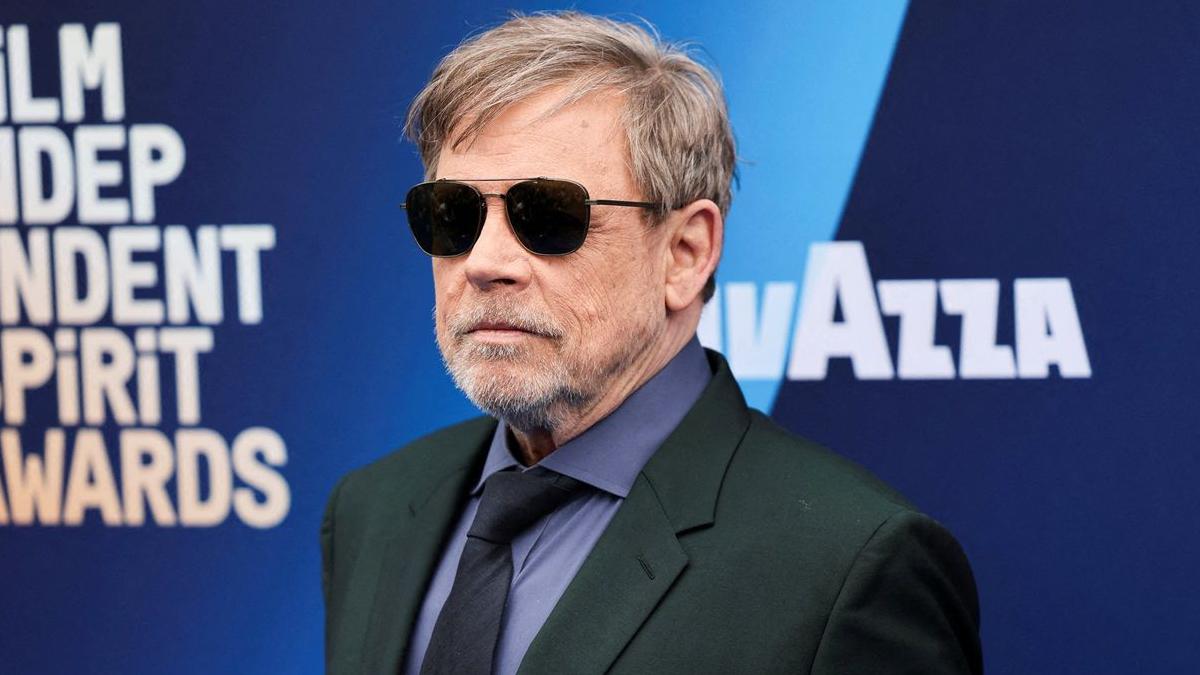
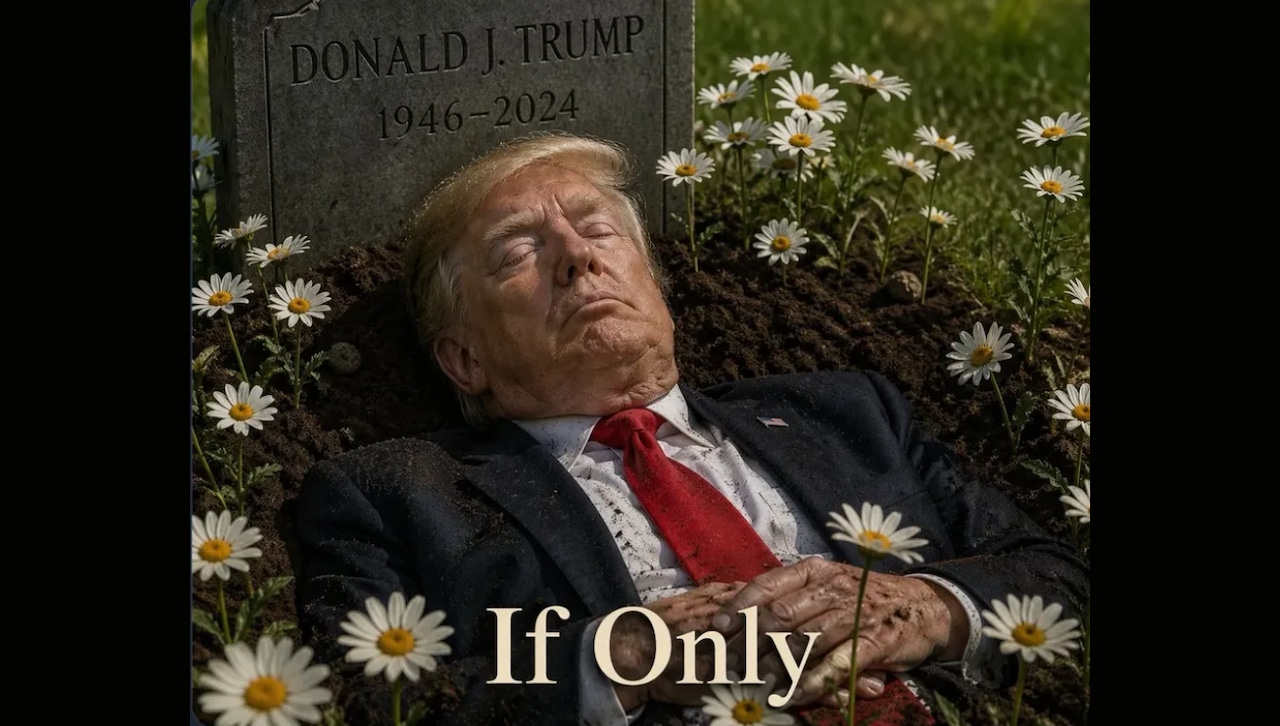
In a recent social media incident that stirred significant controversy, Mark Hamill, famed for his role as Luke Skywalker in the Star Wars saga, posted an AI-generated image showing former President Donald Trump lying in a shallow grave. The image, overlaid with the words “If Only,” quickly drew sharp criticism from the White House, which labeled Hamill as “a sick individual.” The post, shared on Hamill’s Bluesky account, depicted a gravestone inscribed with “Donald J Trump, 1946-2024,” a portrayal that many found deeply provocative and offensive.
Hamill, known for his vocal criticism of Donald Trump, swiftly deleted the post and issued an apology. In his follow-up message, he clarified that he did not wish harm on the former president but hoped Trump would “live long enough to be held accountable for his crimes.” Despite the apology, the White House’s Rapid Response 47 account on X (formerly Twitter) condemned the actor’s post, accusing him and other “Radical Left lunatics” of promoting dangerous rhetoric that has allegedly inspired multiple assassination attempts against Trump over the past two years.
The Rising Tide of Political Violence and Social Media’s Role
This incident comes amid a backdrop of increasing political violence and heightened tensions in the United States. Over recent years, violence has erupted across the political spectrum, with several high-profile attacks targeting political figures and events. For instance, last month, a gunman attempted to storm the White House Correspondents’ Association dinner in Washington, DC, seemingly aiming to reach Donald Trump. Additionally, the tragic shooting of conservative activist Charlie Kirk at a Utah university event last year, a hammer attack on the husband of former House Speaker Nancy Pelosi in 2022, and the killing of Democratic state lawmaker Melissa Hortman and her husband in Minnesota highlight the dangerous climate.
The White House’s condemnation of Hamill’s post underscores concerns about the role of social media and AI-generated content in fueling political hostility. The rapid dissemination of provocative images and messages can exacerbate divisions and potentially incite violence. The Trump administration has frequently accused opponents of inciting unrest, while critics point to Trump’s own history of inflammatory rhetoric. According to a 2024 report by The Atlantic, Trump has made at least 40 statements that either incited or praised violence against US citizens, including a notorious remark about training guns on Republican congresswoman Liz Cheney.
Mark Hamill’s Apology and Continued Advocacy
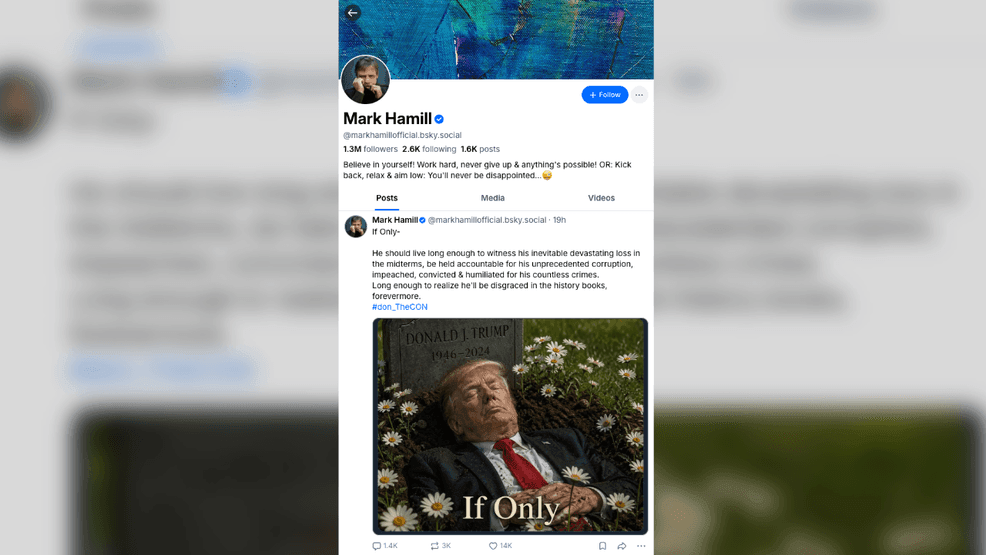
Following the backlash, Mark Hamill took to social media to express regret over the AI image post. He emphasized that his intention was not to wish death upon Donald Trump but rather to highlight the importance of accountability. Hamill’s apology read: “Actually, I was wishing him the opposite of dead, but apologize if you found the image inappropriate.” This statement sought to distance the actor from any suggestion that he endorsed violence or harm.
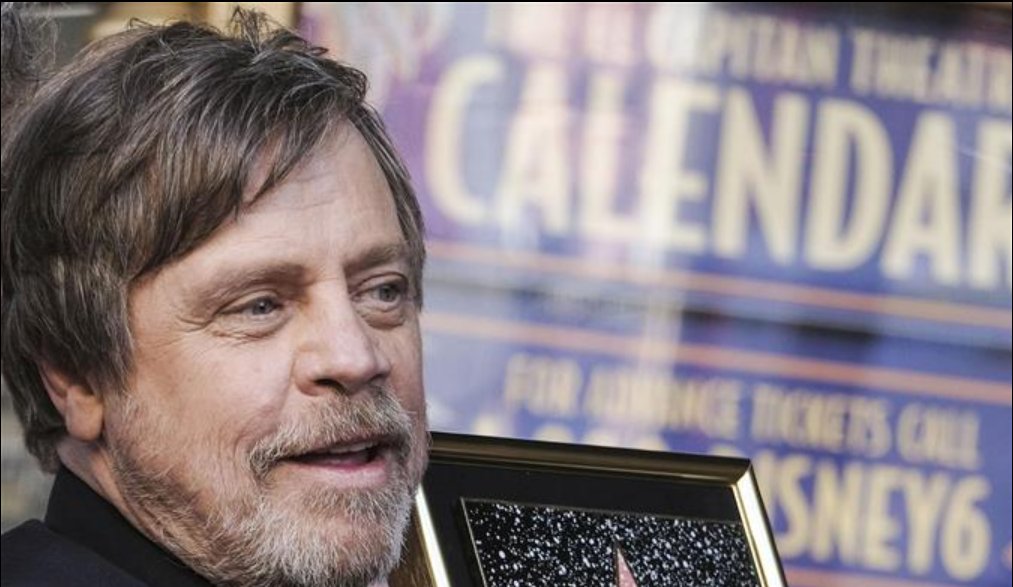
Despite the controversy, Hamill remains an outspoken critic of Trump and continues to use his platform to advocate for political change. Recently, he appeared alongside former President Barack Obama in a promotional video for the new Obama Presidential Center in Chicago. The video, styled after the iconic Star Wars opening crawl, featured the caption “Hope has a new home” and portrayed the center as “a force for change.” This collaboration highlights Hamill’s ongoing commitment to progressive causes and his belief in the power of hope and accountability in American politics.
The Impact of AI-Generated Content on Political Discourse
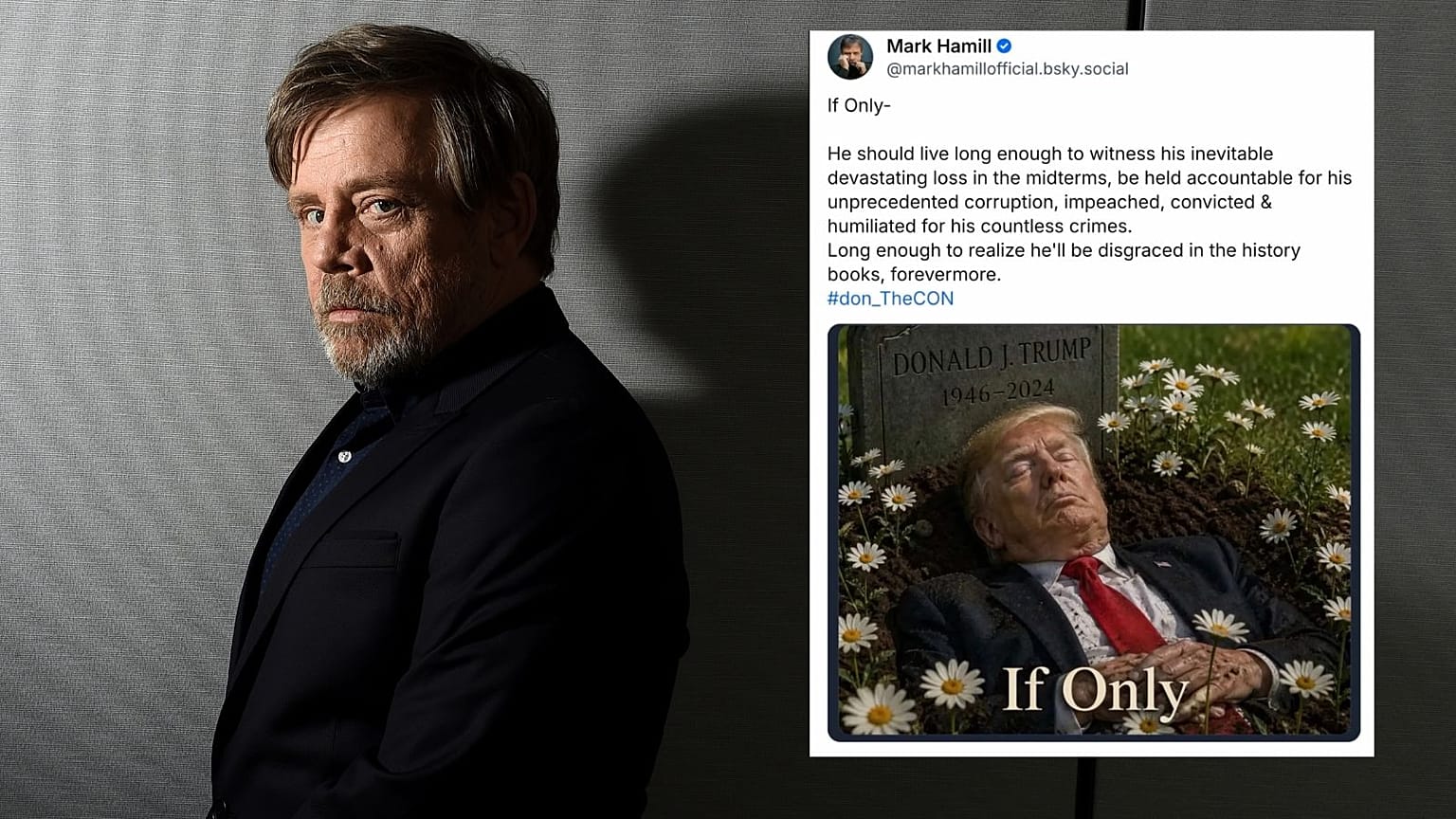
The use of AI to create politically charged images like the one posted by Hamill raises important questions about the influence of artificial intelligence on public discourse. AI-generated content can be highly realistic and emotionally provocative, making it a powerful tool for both expression and manipulation. While AI art and imagery offer creative possibilities, they also pose risks when used to depict violent or threatening scenarios, especially involving political figures.
Social media platforms face increasing pressure to regulate AI-generated content to prevent the spread of harmful or misleading material. The Hamill incident exemplifies the challenges in balancing freedom of expression with the need to maintain respectful and safe political dialogue. As AI technology continues to evolve, policymakers, tech companies, and users must navigate these complexities to foster a healthier online environment.
Conclusion
The White House’s harsh response to Mark Hamill’s AI-generated image of Donald Trump in a grave underscores the volatile nature of contemporary political discourse and the powerful role of social media and AI in shaping public perception. While Hamill apologized and clarified his intentions, the episode highlights the urgent need for responsible use of AI technology and respectful communication in politics. As tensions remain high, it is crucial for public figures and citizens alike to promote accountability without resorting to harmful imagery or rhetoric.
If you found this article insightful, stay informed by subscribing to our newsletter for the latest updates on political news, social media trends, and AI developments. Join the conversation and help foster a more respectful and informed digital community.